REVIEW · TOKYO
Ramen Making from Scratch +Akihabara Tour –Cooking Class
Book on GetYourGuide →Operated by Patia's Japanese Cooking Class · Bookable on GetYourGuide
There’s ramen, then there’s making ramen. This Akihabara experience pairs a hands-on class with a food-culture walk, and you finish by eating Jiro-style ramen you assembled yourself. I also like that the tour doesn’t just throw you into cooking; it sets you up with what you’ll actually use. One consideration: the studio is at a different location from the station, so plan to handle the last train ride on your own.
You’ll love the grocery store walk because it turns ingredient shopping into something you can use later, not just window dressing. I also really liked that you get English instruction throughout, which makes the hands-on steps feel clear instead of intimidating. And since the class is small (up to 6 people), you’re more likely to get practical guidance when you hit a tricky moment.
The biggest thing to watch is timing and logistics. If you’re more than 10 minutes late, the group departs and there are no refunds for your delay, so it’s worth building in buffer around the station meeting point. Also, this isn’t a match for everyone—vegan and vegetarian options aren’t available, and the class isn’t suitable for young kids under 5 or for people with back problems or wheelchair users.
In This Review
- Key Things That Make This Akihabara Ramen Class Different
- Akihabara Before the Kitchen: More Than Just Anime Shopping
- A quick heads-up on energy level
- The Supermarket Stop: Where Ramen Becomes Real Food Culture
- Why this stop is good value
- A limitation to know
- Train to the Studio: Small-Time Travel, Big-Time Convenience
- What I like about the setup
- Patia Kitchen Studios: A Modern Space for a Classic Dish
- The 90-Minute Cooking Class: From Noodles to Broth to the Final Bowl
- What you’ll actually do
- Expect hands-on coaching
- A special note about chashu
- What the Final Meal Feels Like (And Why It’s the Point)
- Plus: photos for later
- Price and Value: What $120 Covers (And What You Gain)
- Who This Tour Fits Best (And Who Should Skip It)
- A practical comfort tip
- Practical Logistics You’ll Want to Plan For
- Should You Book This Ramen Making + Akihabara Tour?
- FAQ
- What time does the class start, and where do I meet?
- How long is the experience?
- Is the ramen-making class taught in English?
- Do I get to make noodles from scratch?
- Are there vegan or vegetarian options?
- Is transportation included to the kitchen studio?
Key Things That Make This Akihabara Ramen Class Different
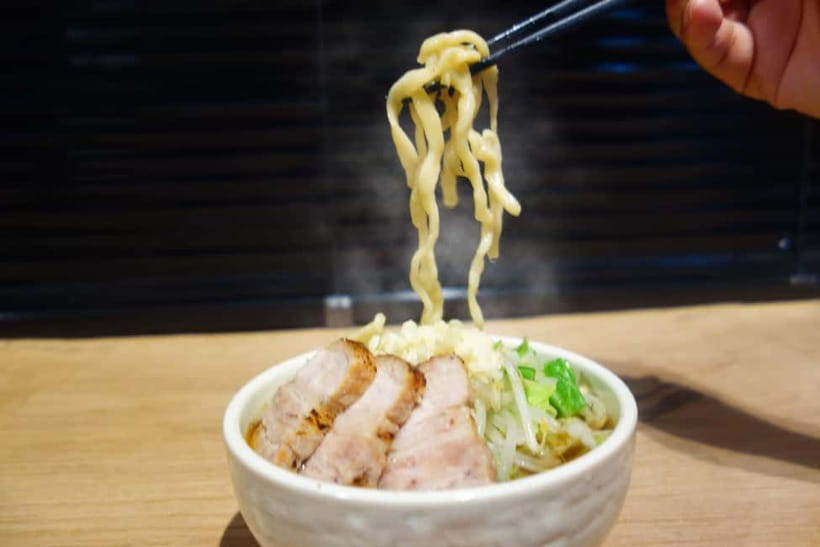
- You start with flour and make your own fresh noodles, not just assemble toppings
- Supermarket ingredient walk so you understand what’s in your bowl before you cook
- English-led ramen instruction, including Jiro-style ramen, taught in English
- A modern, well-situated kitchen studio (Patia Kitchen Studios) near a train station
- Small group size (up to 6) for more hands-on attention
- You eat what you make: broth, noodles, toppings, plus later-downloadable photos
Akihabara Before the Kitchen: More Than Just Anime Shopping
Akihabara is famous for electronics, anime, and pop culture, but this experience uses that street energy for a practical reason. You meet at 11AM at JR Akihabara Station (Outside Central Ticket Gate), then you set off on a short walking loop to get your bearings and to see the neighborhood the way locals pass through it.
That first stretch takes about 20 minutes, and it’s intentionally light on effort. The point isn’t to tour every corner of Akihabara. It’s to help you connect the area around you with the food experience coming next—because you’ll soon be shopping for ramen ingredients nearby.
If you’re the kind of person who likes structure on day trips, this helps. You’re not guessing where the supermarket is or how to navigate rail stations and side streets while hungry. The guide keeps the pace steady and ties what you see to what you’ll pick up for cooking.
You can also read our reviews of more tours and experiences in Tokyo.


A quick heads-up on energy level
The walking part is short, but you will be on your feet. It’s not a full-on day tour, and it won’t be a sweat session either. Still, if you’re sensitive to walking or you have mobility constraints, this class may feel tight given the overall timeline.
The Supermarket Stop: Where Ramen Becomes Real Food Culture
This is one of the best parts of the whole experience for me, because it turns ramen into something you can understand. You’ll spend around 20 minutes in a supermarket where the guide shows you the ingredients used for the ramen you’ll make that day.
This matters more than it sounds. In a lot of cooking classes, ingredients are presented like props. Here, the store visit makes the ingredients feel grounded. You get to see how ramen-related items are actually packaged and stocked in Japan, and you learn what each ingredient is doing in your bowl.
The guide also explains what’s going into the broth and what you’ll be working with for noodles and toppings. That means when you get to the kitchen studio, you’re not starting from zero—you already know what you’re holding and why it matters.
Why this stop is good value
At $120 per person, you want to feel like you got more than “cook something and eat it.” The supermarket walk helps justify the price because it adds context you can carry home. Even if you never cook ramen again from scratch, you’ll have a clearer sense of what matters in Japanese pantry basics.
A limitation to know
There aren’t vegan or vegetarian options for this class. So if your diet needs plant-based cooking, you’ll want a different experience.




Train to the Studio: Small-Time Travel, Big-Time Convenience
After the supermarket, you take a train to the kitchen studio. The ride is about 15 to 30 minutes depending on how you travel that day.
Here’s a key practical point: transportation from Suehirocho Station to the studio isn’t included. You’ll use your own Suica or other IC card when you ride. If you don’t have one, the guide can help you buy a ticket.
This is normal for Tokyo, but it’s still worth planning for. You’re not just meeting at a station and walking into a restaurant—you’re moving between neighborhoods in a way that requires you to be comfortable using Tokyo transit.
What I like about the setup
The studio is described as central Tokyo with spacious, relaxing rooms, and it’s just a few minutes from a nearby train station. That matters: you’ll spend less time hunting for the place and more time cooking.
Patia Kitchen Studios: A Modern Space for a Classic Dish
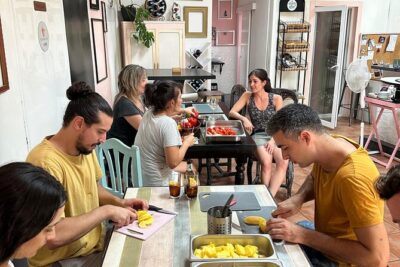
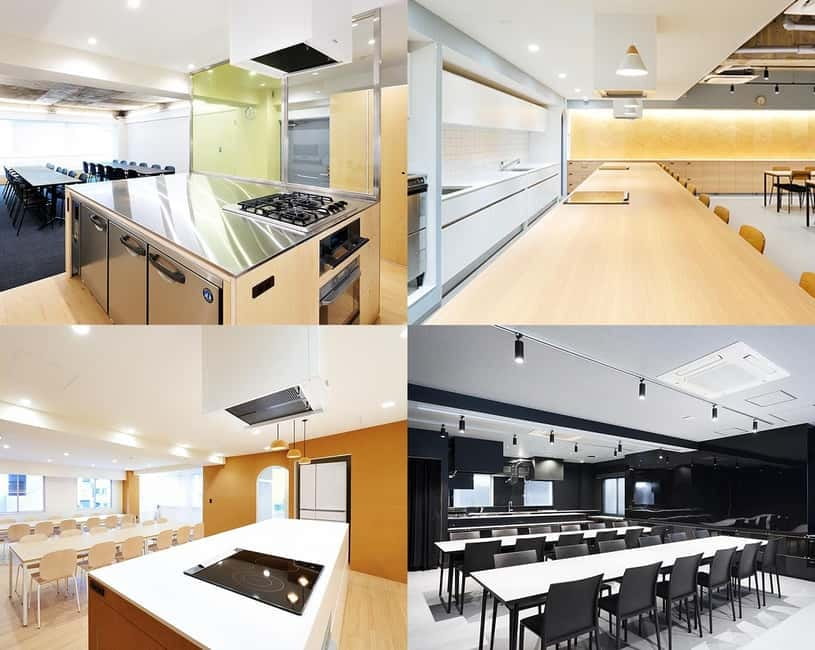
Your cooking happens at Patia Kitchen Studios, a kitchen space known for hosting Japanese TV programs that feature Jiro-style ramen. It’s the kind of place that feels designed for classes, not cramped pop-up cooking.
Why that matters: ramen making has a rhythm. When the kitchen is comfortable and organized, you can focus on the steps—handling the dough, building the broth, and assembling the bowl—without constantly looking for tools or squeezing past other people.
This studio is also described as popular and well-equipped, and since your group is small (up to 6), it’s the sort of environment where you can learn and move without feeling like you’re on top of strangers.
The 90-Minute Cooking Class: From Noodles to Broth to the Final Bowl

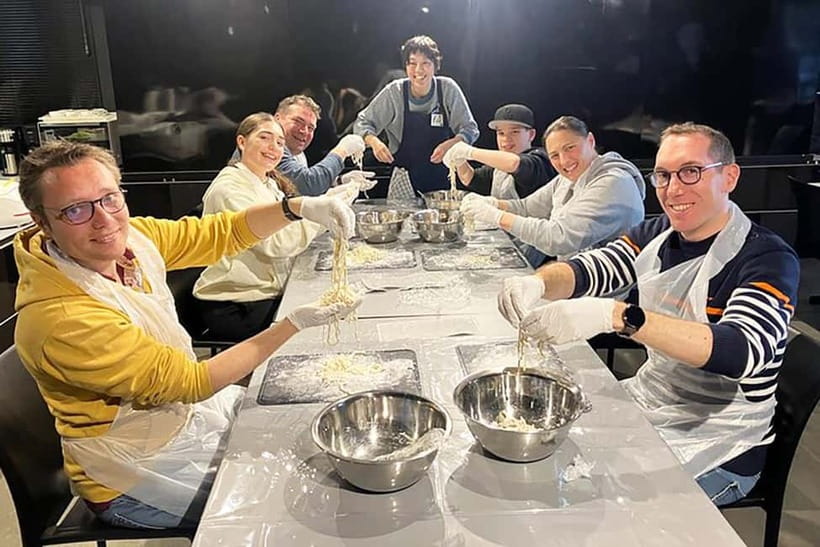
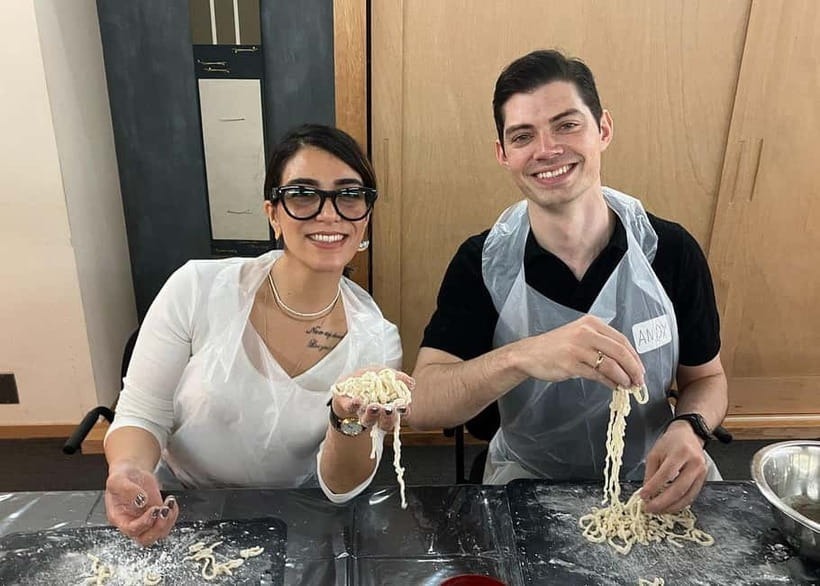
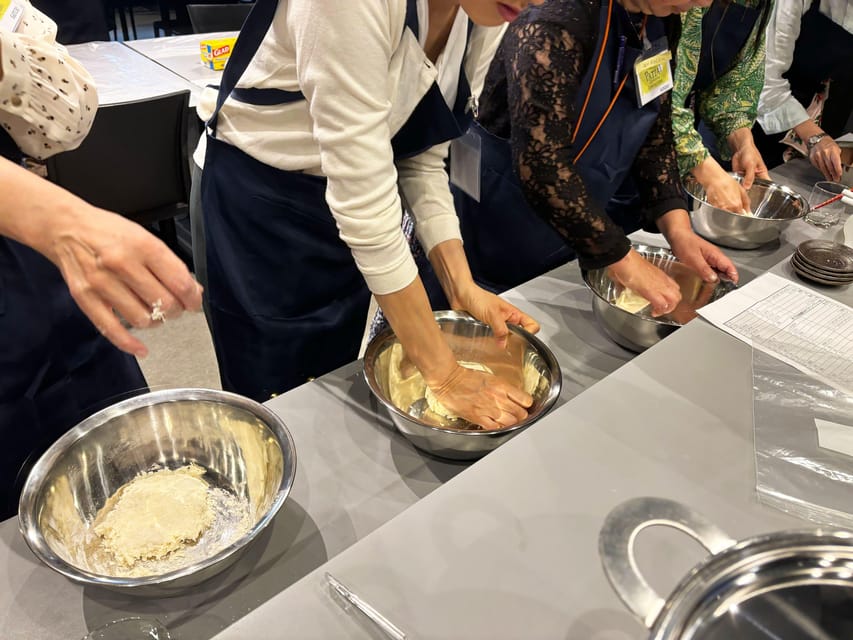
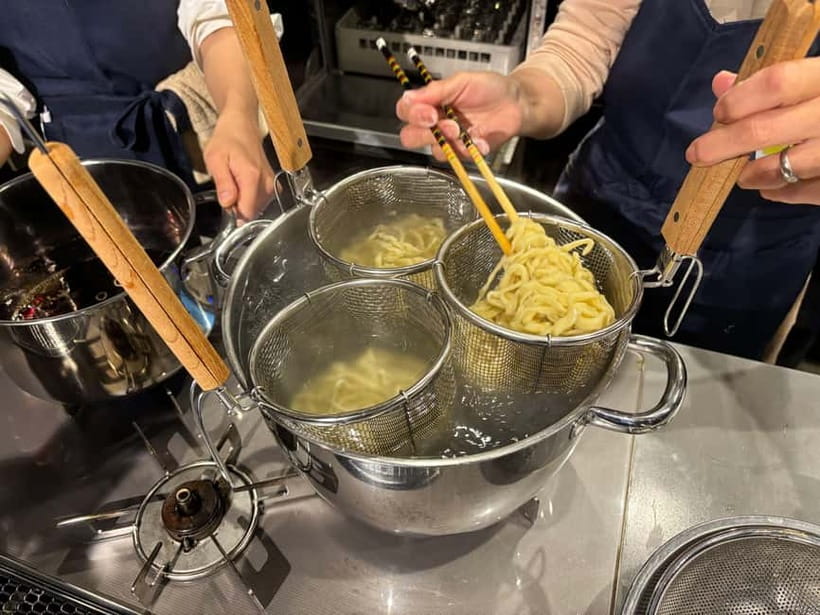
The class portion is about 90 minutes, and it’s where the experience earns its name. You’ll make ramen from scratch, including preparing the broth and creating fresh noodles from flour, then finishing with toppings.
What you’ll actually do
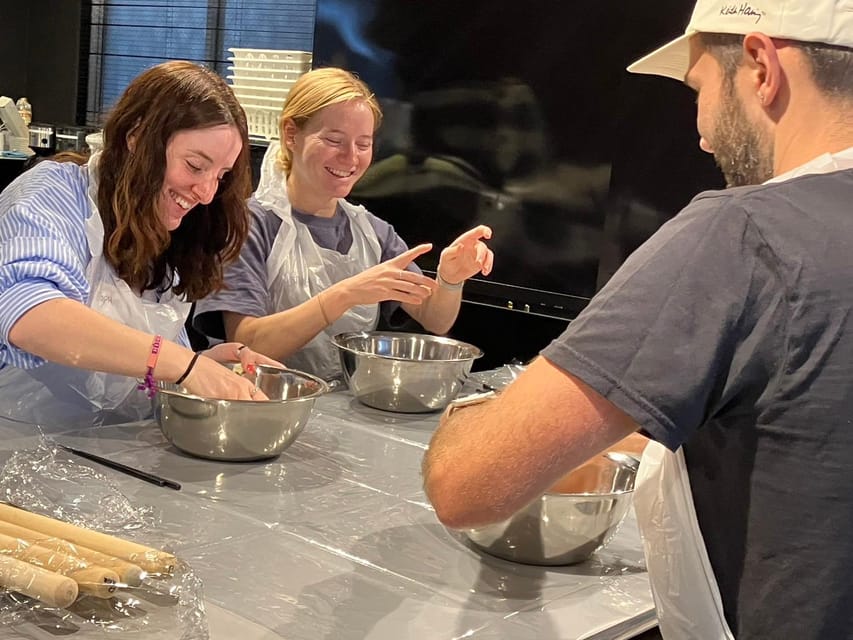
You’ll work with an English-speaking instructor who guides you through:
- Preparing the ramen broth
- Making fresh noodles from flour
- Bringing everything together into a completed bowl of Jiro-style ramen
The big win here is that this isn’t a passive cooking show. You’re producing the core components yourself, even if your technique isn’t perfect at first.
And because the experience includes both an English-speaking instructor and ingredient explanations from earlier, the steps feel connected. You’re not just following instructions—you understand what you’re doing and what the end result should feel like.
Expect hands-on coaching
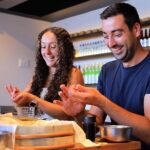
In small-group cooking classes, the difference between good and great is whether the instructor can adjust what you’re doing. With a maximum of 6 participants, you’re more likely to get the kind of attention that fixes small mistakes early—especially around noodle handling and broth preparation.
Even if you’ve never made noodles before, the class format should give you the confidence to finish your bowl rather than feeling like you’re watching someone else cook.
A special note about chashu
There’s also a practical customization possibility. If you let the team know more than 48 hours in advance, they can switch chashu from pork to chicken. If that matters for your preferences, plan ahead—this isn’t something you’ll want to leave until the morning of.
What the Final Meal Feels Like (And Why It’s the Point)
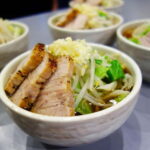
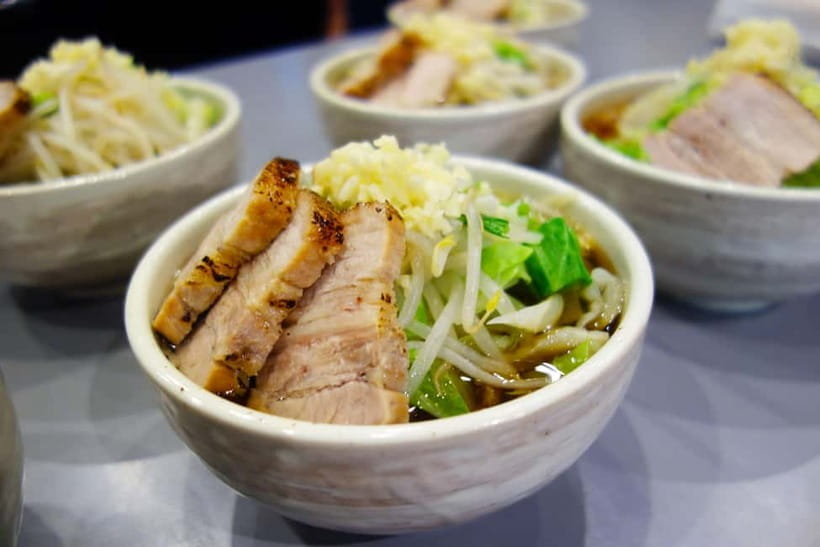
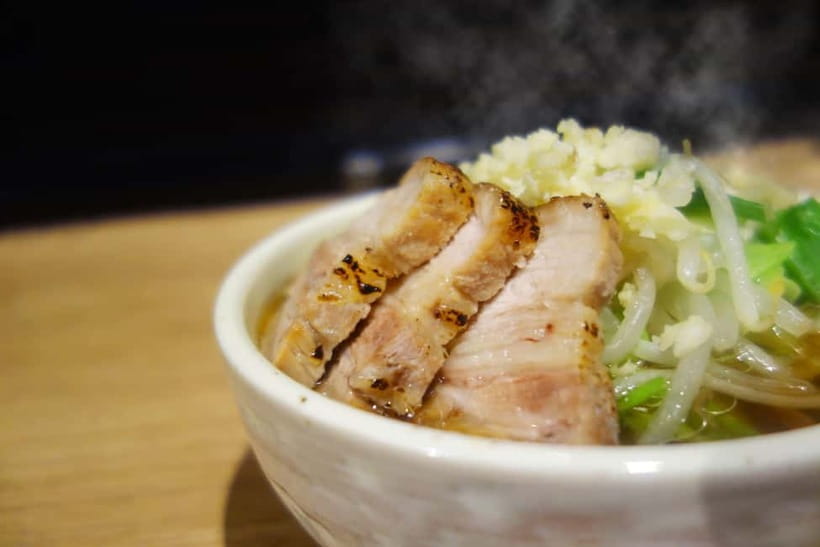
You end by eating a delicious bowl of Jiro-style ramen that you made yourself: broth plus your freshly made noodles and your toppings.
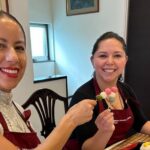
This is where a good cooking class turns into an actual memory. The food isn’t just a reward at the end—it’s proof that you learned something real: you can make the core steps and understand the ingredients.
Based on what people have shared about the experience, the ramen you get is often the best meal they ate during their trip. That’s a strong claim, but it fits the logic of the class: you’re not relying on pre-made noodles or a rushed assembly. You build the bowl’s foundation yourself.
Plus: photos for later
You also get later-downloadable photographs during the experience. That’s a small add-on, but it helps if you want to document the kitchen steps without constantly breaking your own flow.
Price and Value: What $120 Covers (And What You Gain)
At $120 per person for a 3-hour experience, it’s not a budget activity. But I think it’s priced in line with what you’re getting: a guided Akihabara walk, a supermarket ingredient tour, hands-on ramen-making, and a meal.
Here’s the value breakdown in plain terms:
- You pay for time in two parts of the day: neighborhood + kitchen
- You get instruction in English rather than a language barrier
- You make fresh noodles from flour and prepare the broth
- You eat what you make, instead of walking away with just knowledge
- You’re in a small group (up to 6), which reduces “passive participant” vibes
If you love food and you’re the type who shops thoughtfully, this class feels like a smart investment. If you only want to watch cooking and don’t care about making noodles, you might find a cheaper, more casual ramen meal more satisfying.
Who This Tour Fits Best (And Who Should Skip It)
This is a strong match if you:
- Want a hands-on Tokyo food experience, not just eating
- Enjoy learning through ingredients and cooking steps
- Prefer an English-led class
- Like Akihabara beyond the obvious electronics racks
It may not fit if you:
- Need vegan or vegetarian options (not available here)
- Travel with strollers (not allowed)
- Have back problems or use a wheelchair (not suitable)
- Have young kids under 5 (not suitable)
A practical comfort tip
Ramen noodle-making is active work. You’ll stand and move through steps for about 90 minutes. If you want the cooking class to feel fun instead of tiring, plan a day where your body can handle that.
Practical Logistics You’ll Want to Plan For
This runs for about 3 hours total, starting at 11AM at JR Akihabara Station.
A few key points to plan around:
- If you’re more than 10 minutes late, the group departs and you’re asked to go directly to the kitchen studio. No refunds apply for delays.
- The class ends at the kitchen studio, which is a different location than the meeting point. You’ll need your own way to get from the studio onward.
- Smoking isn’t allowed, and strollers aren’t permitted.
If you’re someone who gets nervous about last-minute transit timing, you’ll feel better if you give yourself extra buffer at Akihabara. That one detail (late arrival) is the difference between a smooth start and a scramble.
Should You Book This Ramen Making + Akihabara Tour?
If you want a Tokyo experience that mixes street culture with real cooking skills, this one is worth a look. The standout pieces are the supermarket stop, the fresh noodle making, and the fact that you learn Jiro-style ramen in English—a rare combination for visitors who don’t want to guess their way through cooking steps.
Book it if:
- You like food lessons you can repeat at home
- You want the most “hands on” ramen experience in the city without guessing
- You’re comfortable handling train segments on your own with your IC card
Skip it if:
- Your diet needs vegan or vegetarian options
- You can’t manage walking and standing during the class
- You need wheelchair access or have back limitations
FAQ
What time does the class start, and where do I meet?
You meet at 11AM at JR Akihabara Station, outside the Central Ticket Gate.
How long is the experience?
The total experience is about 3 hours.
Is the ramen-making class taught in English?
Yes. The instructor is English-speaking.
Do I get to make noodles from scratch?
Yes. You’ll learn to make ramen noodles from flour, along with preparing the broth and toppings.
Are there vegan or vegetarian options?
No. Vegan and vegetarian options are not available.
Is transportation included to the kitchen studio?
No. Transportation from Suehirocho Station to the studio isn’t included. You’ll need an IC card (like Suica), and the guide can help if you don’t have one.