REVIEW · TOKYO
Basic Japanese Home Cooking with Fermented Foods(Teriyaki & Miso)
Book on Viator →Operated by Coji Life Cooking · Bookable on Viator
A warm bowl of miso sauce starts with patience. This small-group Tokyo cooking class turns fermented foods into practical, easy home recipes, guided by Naoko and designed for busy travelers. You get a short lecture on ingredients like miso, koji, and mirin, then you cook together and eat what you make.
I love the small group size (max 6), because you can actually ask questions and get feedback while you’re holding the spatula. I also like that the kitchen is in central Tokyo, close to Akasaka-Mitsuke, so you spend less time commuting and more time learning hands-on techniques. One thing to consider: the vegan option uses deep-fried tofu and you’ll cook in the same kitchen with the non-vegan setup, so plan around shared prep areas if that matters to you.
In This Review
- Key Things You’ll Notice in This Class
- Miso and Teriyaki, Taught as Real Home Cooking
- Getting There: Akasaka-Mitsuke and the Central-Tokyo Advantage
- The 2-Hour Rhythm: Lecture, Cooking, and Eating Together
- Fermented Foods 101: Miso, Koji, Mirin, and the “Why” Behind Taste
- Vegan Lunch or Dinner: How the Swap Works in a Shared Kitchen
- Price and Value: What $70.36 Buys You in Tokyo
- Who This Class Is Best For (and Who Should Skip It)
- The Dessert-Class Add-On: A Fun Fermented Foods Double Feature
- Should You Book This Fermented Home Cooking Class?
- FAQ
- How long is the cooking class?
- Where does the class meet?
- What’s included in the price?
- Is there a vegan option?
- Does the class share the kitchen with non-vegan cooking?
- What fermented ingredients will we learn about?
- Is mirin safe for children?
- What age is the class best suited for?
- How many people are in the class?
- Is transportation to the venue included?
Key Things You’ll Notice in This Class
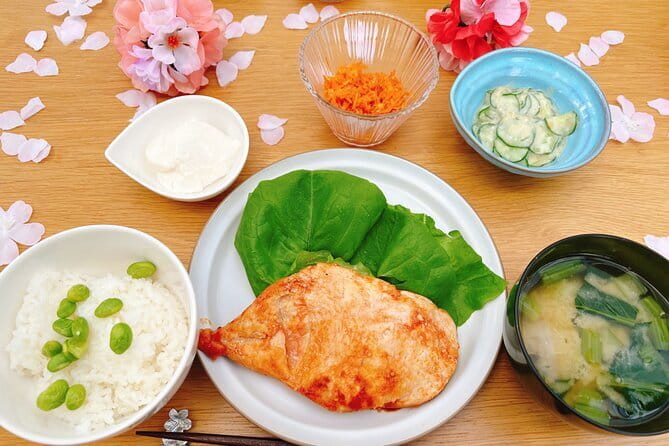
- Fermentation explained simply: you learn what miso, koji, and mirin do, and why the process matters in everyday cooking
- Hands-on cooking in 2 hours: a short class length that still leaves you full, not rushed
- Central Tokyo meeting point: Akasaka-Mitsuke access makes this feel doable between sightseeing stops
- Instructor guidance with room for questions: the max of 6 students keeps attention on you
- Vegan-friendly approach: deep-fried tofu is used for vegan meals, with notice required when you apply
- Seasonal menu changes: what you cook can shift depending on the time of year
Miso and Teriyaki, Taught as Real Home Cooking
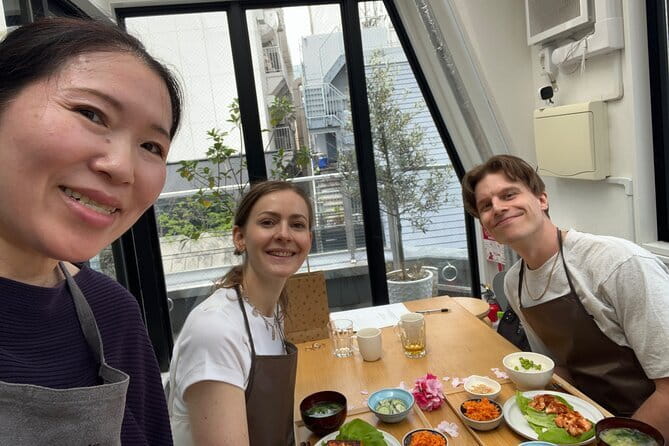
This experience is built around Japanese fermented flavor, with an emphasis on miso and the sweet-savory profile people associate with teriyaki. Instead of turning fermentation into a science project you’ll never repeat, the lesson aims at what you can actually make at home: straightforward steps, taste checks, and ingredient logic you’ll remember later.
The class also links fermentation to health benefits in a practical way. You’ll hear the story behind ingredients—what’s going on, what to watch for, and how traditional Japanese cooking uses these flavors day after day. If you’ve been eating your way through Tokyo and want one meal that feels grounded, homemade, and repeatable, this fits.
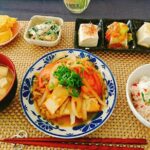
And yes, you’ll get a meal out of it. The food isn’t just a prop for photos; it’s the point. You cook it with guidance, then sit down and eat it like it belongs on your table back home.
You can also read our reviews of more tours and experiences in Tokyo.


Getting There: Akasaka-Mitsuke and the Central-Tokyo Advantage
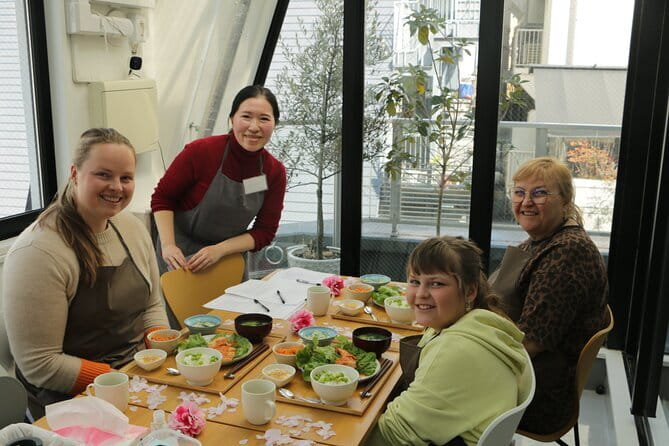
You meet at Akasaka-Mitsuke Station (3-chōme-1-6 Akasaka, Minato City). The kitchen is positioned so you’re not stuck far from trains or spending your energy battling weather.
A nice perk for travelers: the kitchen location is central, and they note it’s about 10 minutes from Shibuya Station including a short walk. That matters because Tokyo weather can change fast, and you don’t want your cooking class to become a commute contest.
One more logistical heads-up: the class may switch to another central Tokyo kitchen location. You’ll be notified after booking if that happens, so keep an eye on your confirmation details.
The 2-Hour Rhythm: Lecture, Cooking, and Eating Together
Plan for an easy, compact schedule. This is roughly 2 hours, so it doesn’t eat up half a day you’d rather spend in neighborhoods.
What the flow feels like, in practical terms:
- A short group lecture on fermented ingredients and what you’re cooking
- Hands-on instruction while you prepare the meal using traditional fermented components
- Food tasting and eating what you made as lunch or dinner
- Q&A and tips, including questions you didn’t know you wanted to ask about Japanese pantry basics
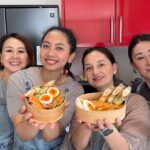
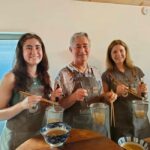
The small group is what makes the whole thing work. With only up to 6 participants, the instructor can watch what your hands are doing and help you fix issues right away. That’s where you learn faster than a demo-only class.
Also included: rental apron, coffee and/or tea (plus Japanese tea options), and a lecture handout. That handout is useful if you want to recreate the flavors later without guessing what you did.
Fermented Foods 101: Miso, Koji, Mirin, and the “Why” Behind Taste
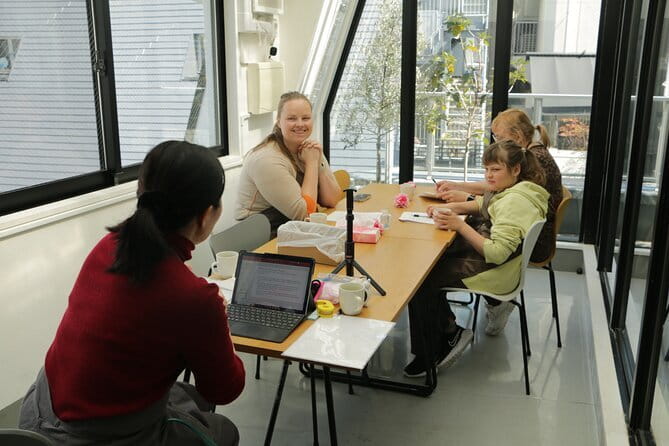
The core of the experience is simple: fermentation isn’t just a trendy word in a health shop. In Japanese home cooking, it’s a technique. You’ll learn what different fermented ingredients contribute to flavor and texture, and how to handle them without overthinking.
From the teaching topics, you can expect focus on:
- Miso: how it brings savory depth and body
- Koji: the ingredient tied to fermentation culture in Japan
- Mirin: used in small amounts for sweetness and shine
- The process and history side of fermented foods, so the flavors make sense
There’s also an important note about mirin. They use a small amount of mirin that contains alcohol, but they state the alcohol is removed during cooking, so the dish is safe for children. Still, tasting isn’t available for children, so if you’re traveling with kids, plan around that detail.
This ingredient-focused teaching is where the class earns its keep. When you understand why an ingredient works, you can substitute more confidently later. You’re not just copying a recipe; you’re learning a method.
And because the instructor is actively helping during cooking, you’ll also pick up small technique tips. That’s the stuff that makes your future home cooking feel smoother: how to time steps, when flavors bloom, and how to season so it tastes Japanese rather than generic “Asian-inspired.”
Vegan Lunch or Dinner: How the Swap Works in a Shared Kitchen
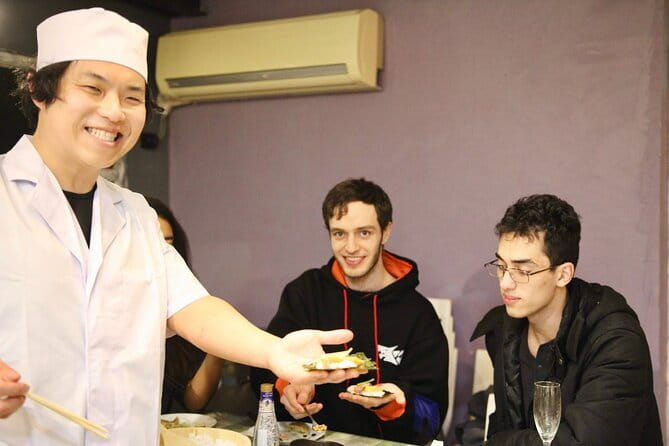
If you’re vegan, you do have an option. The class says vegan meals are available by using deep-fried tofu. You’ll need to request it when you apply.
Here’s the real-world consideration: the class shares a kitchen with the non-vegan version. That means prep is in the same space. If you have strict preferences about cross-contact or you’re very sensitive to shared cookware, you’ll want to ask questions before booking and set expectations early.
Still, for most vegans who mainly want a plant-based meal that’s built on Japanese fermentation flavors, this is a workable solution. The biggest win is that fermentation stays central, not replaced by a totally different flavor strategy.



Price and Value: What $70.36 Buys You in Tokyo
At $70.36 per person for about 2 hours, the price isn’t the cheapest thing in Tokyo. But it doesn’t pretend to be either. You’re paying for:
- Small-group instruction (max 6)
- A certified instructor guiding you step-by-step
- A central Tokyo kitchen setup
- A real lunch or dinner included
- Included extras: apron, tea/coffee, and a lecture handout
If you compare it to the cost of eating out plus a paid workshop-style lesson, the value starts to make sense. You’re not just paying to learn; you’re also leaving with a full meal and a guide you can actually use later.
The booking pace (often around 14 days in advance on average) hints that people want it as a planned activity, not a last-minute gamble. If you’re visiting during peak weeks, booking earlier is the easiest way to avoid disappointment.
Who This Class Is Best For (and Who Should Skip It)
This is a strong fit for:
- Food travelers who want one home-cooked meal instead of another restaurant stop
- People curious about miso, koji, and mirin but unsure how they translate into everyday cooking
- Travelers who like learning practical technique, not just watching
- Anyone who wants a short, high-efficiency activity in central Tokyo
It may be less ideal if:
- You’re expecting a long, multi-course meal experience with lots of variety
- You’re traveling with young children who will want to taste everything (tasting isn’t available for children)
- You need a strictly separated vegan kitchen environment (since the class shares the kitchen with non-vegan versions)
The Dessert-Class Add-On: A Fun Fermented Foods Double Feature
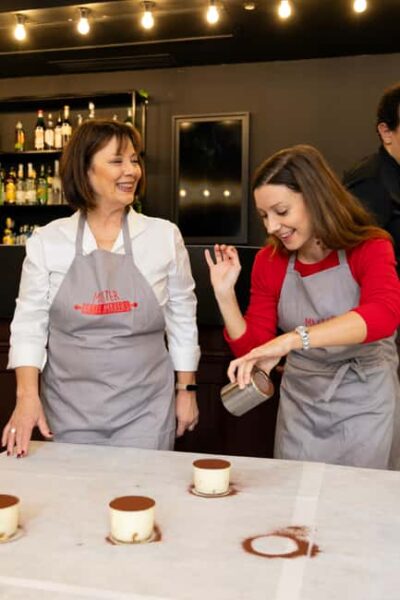
If you’re the type who likes to keep learning while your appetite is still working, there’s a related option. They offer another class called Fermented Food Dessert Class starting at 2pm. If you join both on the same day, you’ll receive a special gift: rice koji amazake, which is also mentioned as the ingredient used in that dessert class.
That’s a neat bonus because it keeps fermentation as the theme while giving you a sweet-side counterpoint. If you love learning “how to use it,” dessert can help you remember the fermented flavors in a new way.
Should You Book This Fermented Home Cooking Class?
Yes, I’d book it if you want a Tokyo experience that feels personal and practical—learning fermentation by cooking, not just reading about it. The small group size, hands-on guidance, and included meal make it a good value for the time you have.
Before you book, think about two fit checks: do you want a shorter class (about 2 hours) with practical recipes, and are you comfortable with the vegan setup being in a shared kitchen? If those answers are yes, this is exactly the kind of activity that makes Tokyo feel more like a place you can live in, even if only for a day.
FAQ
How long is the cooking class?
It runs for about 2 hours.
Where does the class meet?
You start at Akasaka-Mitsuke Station, at 3-chōme-1-6 Akasaka, Minato City, Tokyo 107-0052, Japan. The activity ends back at the meeting point.
What’s included in the price?
The class includes lunch or dinner (your meal), a rental apron, coffee and/or tea (including Japanese tea), and a lecture handout.
Is there a vegan option?
Yes. Vegan lunch or dinner is available using deep-fried tofu. You need to request the vegan option when you apply.
Does the class share the kitchen with non-vegan cooking?
Yes. The note says the kitchen is shared with the non-vegan version, so vegan participants cook in that shared setup.
What fermented ingredients will we learn about?
The class focuses on traditional Japanese fermented foods, including miso and koji, and it also references mirin as part of the learning.
Is mirin safe for children?
They use a small amount of mirin that contains alcohol, but they state the alcohol is removed during cooking. The dish is safe for children, but tasting is not available for children.
What age is the class best suited for?
It’s best suited for adults and children aged 7 and above. It may not be suitable for children age 6 and under.
How many people are in the class?
There is a maximum of 6 travelers.
Is transportation to the venue included?
No. Private transportation isn’t included, and you’ll need to handle the travel to the meeting point yourself.