REVIEW · FEZ
Cooking Class by Nzaha in Morocco
Book on Viator →Operated by nour · Bookable on Viator
A Moroccan kitchen teaches faster than any cookbook. This cooking class in Fes is guided by Mama Nazha and Nour, with a market stop and real cooking skills you can use at home. I love the warm, personal welcome and the hands-on work with classic dishes like tagine and couscous; the meal you eat feels earned. One thing to factor in: private transportation isn’t included, so you’ll want to plan how you’ll get to the Batha meeting point.
You’re also not squeezed into a big crowd. With a maximum of 12 people, it stays friendly, and the pace allows you to ask questions about spice blends and technique without feeling rushed. Plus, you’ll leave with a recipe booklet and Moroccan tea plus pastries—small extras that make the experience feel complete.
The class can work around many diets (vegetarian, vegan, and gluten-free), but it still requires good weather to run. So if your trip dates are tight, keep a little flexibility in your schedule.
In This Review
- Key highlights you’ll care about
- Entering a Moroccan home in Fes (from Batha)
- Market visit: where Moroccan flavor starts
- Cooking lessons with tagine, couscous, and Moroccan salads
- Tagine: more than a pot
- Couscous: timing and texture matter
- Moroccan salads: clean flavors with spice underneath
- The real lesson: spice balance and technique secrets
- What you eat afterward: tea, pastries, and your finished meal
- Dietary needs: vegetarian, vegan, gluten-free handled thoughtfully
- Small group energy and a welcome that changes the day
- Price and value in Fes cooking class terms
- Logistics that matter (and what to pack mentally)
- Who should book this cooking class (and who should skip)
- Should you book? My straightforward take
- FAQ
- How long is the Cooking Class by Nzaha in Fes?
- What is the price per person?
- Where does the activity start and end?
- Is pickup available?
- What’s included in the price?
- What dishes will I learn to make?
- Can the class accommodate dietary restrictions?
- Is private transportation included?
- What is the cancellation policy?
- What happens if the weather is poor?
Key highlights you’ll care about
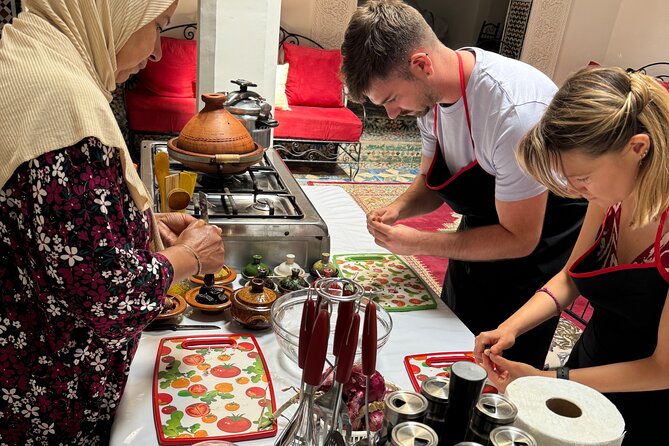
- Market visit first: you shop for ingredients, not just watch someone cook.
- Hands-on cooking, not a demo: you’ll work with classic Moroccan tools and steps.
- Mama Nazha’s family methods: generational guidance on spice balance and technique.
- Dishes you can actually recreate: tagine, couscous, salads, plus a Moroccan dessert.
- Small group size (max 12): easier to learn and ask questions.
- Tea, pastries, and the meal you made: you eat together afterward in the same spirit as the cooking.
Entering a Moroccan home in Fes (from Batha)
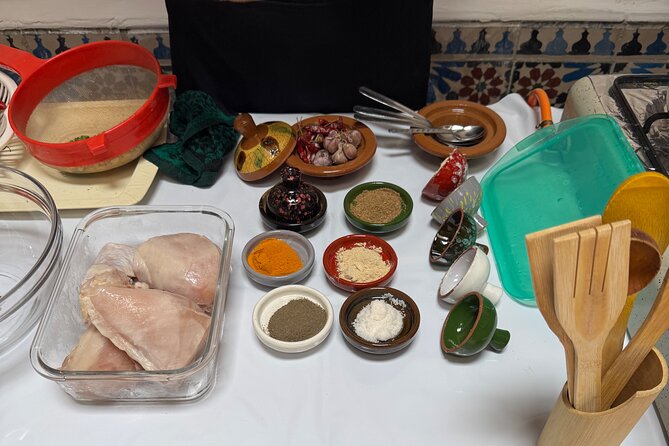
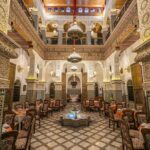
This class starts and ends at Batha, Fes, and it’s built around the idea that food is social, not just a task. Expect to begin with a welcome in a traditional Moroccan home, where you’ll get context for what you’re about to cook and why Moroccan meals taste the way they do. If you’ve only had Moroccan food in restaurants, this is the moment where the flavor logic starts to click.
Timing matters here. The experience runs about 4 hours, so you’re not committing a full day. Also, the schedule is set widely across the week (9:00 AM to 8:30 PM), which makes it easier to fit into a sightseeing day in the medina area.
The group size stays small—up to 12—which changes the whole feel. You’re more likely to get individual coaching on things like spices, chopping, and seasoning than you would in a larger class where everyone watches and hopes they remember the steps.
One practical detail: pickup is offered, and the activity is near public transportation. That’s helpful in Fes, where navigating by foot is common but not always fun in heat or crowds. If you’re staying outside the medina or just don’t want to deal with walking, check whether pickup lines up with your lodging area.
You can also read our reviews of more tours and experiences in Fez.
Market visit: where Moroccan flavor starts
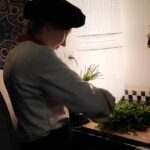
A standout part of this experience is the guided market visit included in the price. This isn’t a photo stop. You’re gathering ingredients that match what you’ll cook later, so the food you make isn’t generic. The market step also gives you a chance to understand the spice logic in Moroccan cooking—what goes into a dish, and how different spices behave together.
What I like about starting with the market is the learning transfer. Once you’ve seen the ingredients up close—especially spices—you’re much more likely to remember what to use and what to adjust later. Even if you’re not planning to re-create every recipe immediately, this helps you cook more confidently when you try at home.
The market visit also sets the tone for how the day flows. You move from shopping into cooking without that mental switch where you suddenly feel like you’re in a lesson instead of an everyday meal. In a place like Fes, that flow matters.
Cooking lessons with tagine, couscous, and Moroccan salads
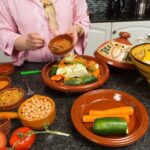
Once you’re back and ready to cook, you’ll work hands-on with the guidance of Nazha and Nour. The class is centered on classic dishes, and you can expect to learn how to prepare tagine, couscous, and Moroccan salads.
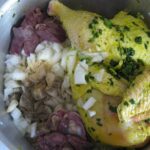
Hands-on cooking here means you’ll actually do the tasks, not just stand near a stove. That includes using traditional utensils and following technique step-by-step. Moroccan cooking is as much about method as ingredients—how you layer flavors, how you season, and how you manage timing—so getting your hands in the process is the only way it really sticks.
Tagine: more than a pot
Tagine is often treated like a single dish in restaurants, but in cooking lessons it becomes a framework. You learn how the spice blend builds flavor, how ingredients are combined, and how to think about balance. Even within tagines, there are variations in how things taste depending on what’s in the mix and how long it’s cooked.
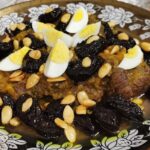
If you like lamb and fruit-style combinations, you may find yourself making tagine options that include sweet-savory elements. (One common highlight from past participants is an excellent lamb and prune tagine.)
Couscous: timing and texture matter
Couscous is where technique shows. The best lessons don’t just tell you to add water and wait; they teach you what texture and seasoning should look and taste like. The payoff is that you can recreate the feel of Moroccan couscous later, not just the idea of it.
Moroccan salads: clean flavors with spice underneath
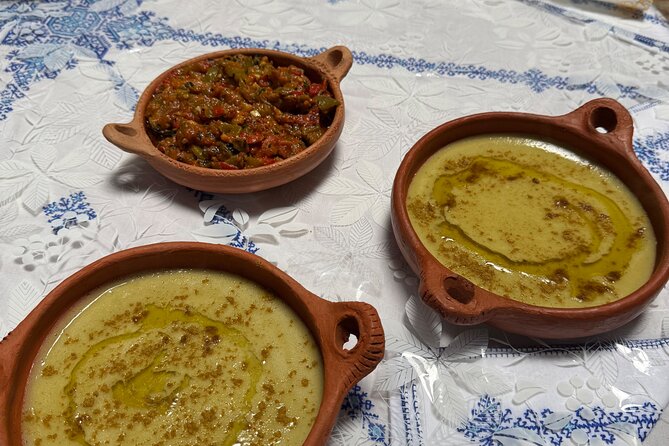
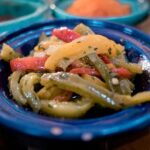
Salads in Moroccan meals are not always plain. They’re often bright, seasoned, and designed to complement the heavier parts of the meal. Learning these during the class helps you build a complete plate—something you can do at home even if tagine feels complicated.
The real lesson: spice balance and technique secrets
A cooking class can become a memorization exercise. This one is built around the bigger skill: understanding flavor balance. You’ll learn secrets passed down through generations, with guidance on the balance of spices and the art of seasoning Moroccan dishes.
This part is what makes the class useful even after your trip. If you can adjust seasoning confidently, you can cook Moroccan-inspired meals without needing perfect measurements every time. That’s the kind of knowledge you can use for years, and it’s often missing from classes that only focus on copying recipes.
You’ll also get tips on traditional cooking techniques and how to approach the utensils and steps. Even if you’ve cooked before, Moroccan method can be different from what you’re used to. Learning the “why” behind the process makes the whole day feel more like training than just entertainment.
What you eat afterward: tea, pastries, and your finished meal
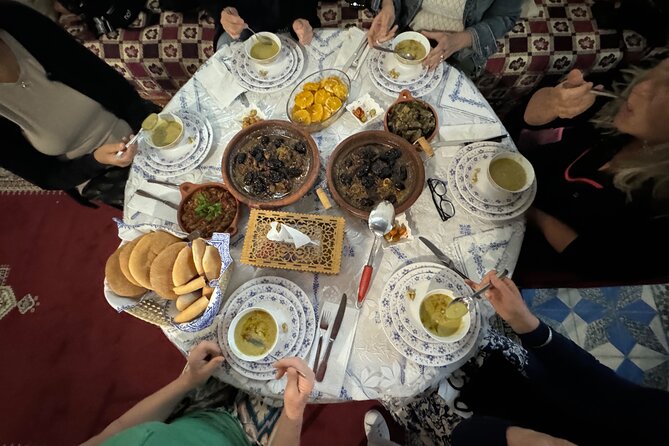
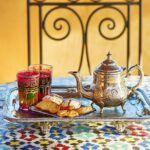
After cooking, you sit down to enjoy what you made—along with traditional Moroccan tea and pastries. This is a key part of the experience because it closes the loop. You don’t leave with a notebook and unfinished food anxiety. You eat the results with the people who guided you.
The tea-and-pastry set also matters culturally. It’s not an afterthought. It’s part of how Moroccan hospitality works: slow down, share the meal, and let the conversation continue once the cooking ends.
For many people, this is where the whole class becomes memorable. When the meal includes dishes you actively prepared, even small wins—like nailing a seasoning balance—feel satisfying.
Dietary needs: vegetarian, vegan, gluten-free handled thoughtfully
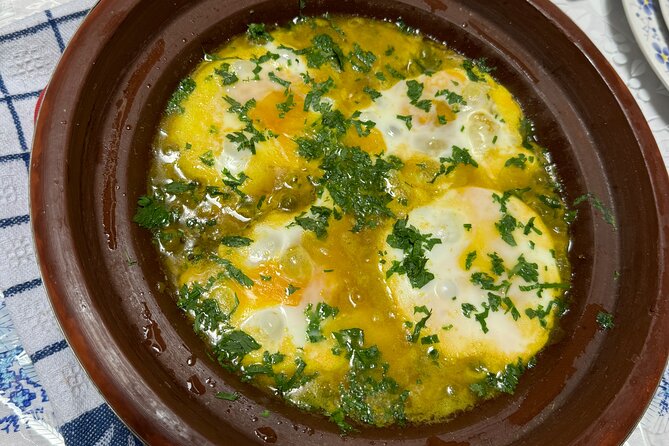
If you eat vegetarian or vegan, this class has a clear advantage: you can request accommodations such as vegetarian, vegan, and gluten-free when booking. That’s not common everywhere in cooking experiences, especially ones tightly tied to specific local ingredient traditions.
The practical takeaway for you: include your dietary needs during booking so the class can adjust ingredients and planning. Since ingredients for cooking are included, you’re not stuck hunting for special items on your own mid-day.
If you have multiple restrictions (like vegan plus gluten-free), you’ll want to state them clearly in the special requirements section. The more precise you are, the easier it is for the host to prepare meals that still feel Moroccan, not like a compromise.
Small group energy and a welcome that changes the day
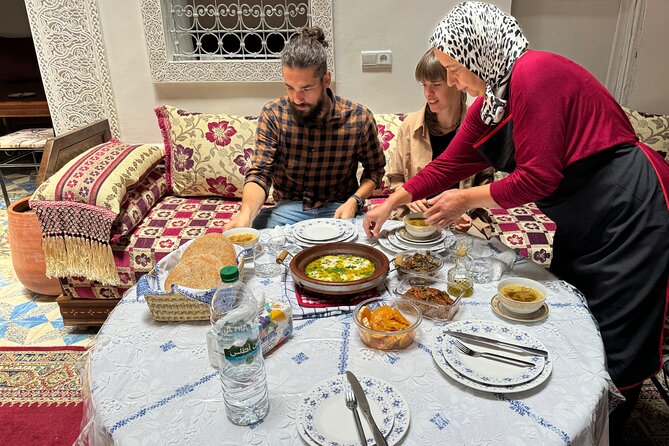
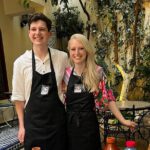
Many cooking classes feel like a schedule. This one feels more like being invited into a home rhythm. The welcome is part of the design: you start in a traditional setting, get cultural context, and then you cook together with Mama Nazha and Nour.
The small group size helps a lot here. With up to 12 participants, you’re less likely to feel like a background actor. That matters because questions come up constantly—about spices, about technique, about what you’re doing and why.
One more plus: you’re not just learning cooking steps. You’re also picking up cultural insights about Moroccan customs and the role of food in bringing people together. That context makes the meal feel like more than a dish. It turns it into a way of understanding daily life.
Price and value in Fes cooking class terms
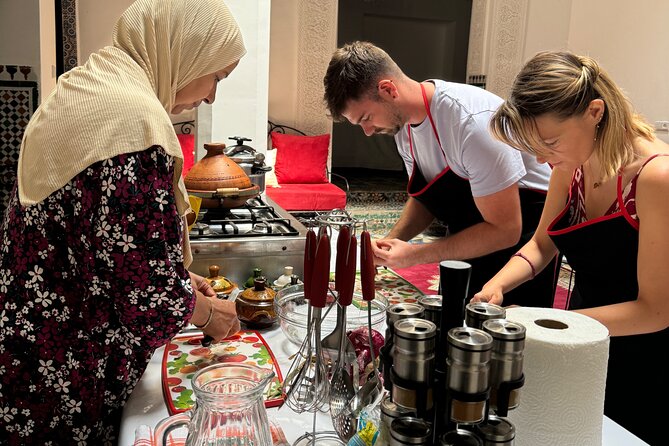
At $46.98 per person, this is priced like a solid mid-range local experience—not a luxury show, but more than a basic food tour. The value is supported by what’s included: a guided market visit, ingredients, hands-on instruction, a recipe booklet, and the meal plus Moroccan tea and pastries.
Here’s how I think about value for this kind of experience:
- Included ingredients and market time reduce your cost and effort. You’re not paying extra to figure out what to buy later.
- Recipe booklet can save you time after your trip because you’re not reverse-engineering the dishes from memory.
- Small group size can be worth real money. Learning gets easier when your instructor isn’t working with a hundred people.
The one cost you still need to consider is transportation. Private transportation isn’t included, though pickup is offered and it’s near public transportation. If you already plan to walk in the medina, this may not be a big deal. If you’re coming from far away or want a stress-free door-to-door experience, you might spend more on transport than the class itself.
Logistics that matter (and what to pack mentally)
This class ends back at the meeting point, so you’re not left figuring out what to do afterward. The experience runs about 4 hours, so you’ll want to plan your next activity with a little buffer—especially if you’re visiting other parts of Fes the same day.
Because it depends on good weather, if you’re traveling during a more unpredictable season, keep a flexible option for your schedule. It’s not something you can control, but it’s better to know it’s part of the plan.
As for practical preparation, think in terms of comfort and respect:
- wear shoes you don’t mind getting a little dusty (Fes medina surfaces can be uneven)
- bring a light layer if you’re sensitive to temperature changes
- come with dietary needs already noted if you have restrictions
Also, because it’s a cooking class, you’ll likely want to be mentally ready to get involved. The best results come when you’re willing to do the work—not just watch.
Who should book this cooking class (and who should skip)
This is a great fit if you:
- want real technique, not just recipes
- enjoy hands-on cooking with classic Moroccan dishes like tagine and couscous
- like learning the cultural meaning behind food, not only the ingredients
- want a small-group experience in Fes with Mama Nazha and Nour guiding you
You might think twice if you:
- strongly prefer restaurant-style dining with zero hands-on work
- need private transportation as a must-have, since it isn’t included
- have very inflexible timing due to the good-weather requirement
Should you book? My straightforward take
If you want a Moroccan meal you can recreate, this class is worth your time. The combination of market sourcing, hands-on cooking, and a recipe booklet makes the experience feel practical, not just scenic. I also like that dietary needs like vegetarian, vegan, and gluten-free can be accommodated if you request them at booking.
Book it if you’re in Fes and you want to bring something home besides photos—specific cooking skills and a flavor system you’ll understand.
Skip it only if you hate cooking participation or you’re locked into a schedule where a weather-related shift would be a problem. Otherwise, this is the kind of class that turns Moroccan food from a memory into a habit.
FAQ
How long is the Cooking Class by Nzaha in Fes?
The class is about 4 hours (approximately).
What is the price per person?
It costs $46.98 per person.
Where does the activity start and end?
It starts in Batha, Fes, Morocco, and ends back at the same meeting point.
Is pickup available?
Pickup is offered, and the activity is near public transportation.
What’s included in the price?
You get a guided market visit, all ingredients for cooking, hands-on cooking class instruction, a recipe booklet, plus traditional Moroccan tea and pastries.
What dishes will I learn to make?
You’ll learn to prepare classic Moroccan dishes such as tagine, couscous, and a variety of Moroccan salads.
Can the class accommodate dietary restrictions?
Yes. They can accommodate vegetarian, vegan, and gluten-free diets. You should indicate dietary requirements in the special requirements section when booking.
Is private transportation included?
No, private transportation is not included.
What is the cancellation policy?
You can cancel for a full refund up to 24 hours before the experience’s start time. If canceled less than 24 hours before, you won’t get a refund.
What happens if the weather is poor?
The experience requires good weather. If it’s canceled due to poor weather, you’ll be offered a different date or a full refund.