REVIEW · ULAANBAATAR
Cooking Class in a Traditional Ger Home in Ulaanbaatar Suburbs
Book on Viator →Operated by Traveling Spoon · Bookable on Viator
A ger cooking class beats another city tour fast. I love how this one is private and based in Bee and Soy’s real home just outside Ulaanbaatar, not a staged kitchen. You learn to make Mongolian dishes from scratch, eat what you cooked, sip warm nettle tea, and even end with shagai (knuckle bone game).
I also like that the day feels human-scale. You get round-trip hotel transfers, hands-on prep, and conversation about daily life in Mongolia while you work. One possible drawback: you should be ready for a country-home setup, including being out of the main city center and cooking with local ingredients that may be heavy on meat.
In This Review
- Key Highlights Worth Your Time
- Entering Bee and Soy’s Ger World Just Outside Ulaanbaatar
- How the Day Flows: Pickup, Travel, and the Ger Welcome
- What You’ll Cook: Noodle Soup, Dumplings, and Sheep Meat Traditions
- Eating What You Made in a Warm Family Setting
- The Cultural Stuff You Can’t Get From a Standard Restaurant
- Shagai: The Knuckle Bone Game That Closes the Day
- Value for $199: What You’re Really Paying For
- Seasonal Menus and Vegetarian Options: Plan Ahead
- Practical Tips That Make This Day Go Smoother
- Who This Is Best For (and Who Might Want Another Option)
- Should You Book Bee and Soy’s Ger Cooking Class?
- FAQ
- How long is the cooking class?
- Where is the ger located?
- Is hotel pickup included?
- What dishes will I learn to make?
- Can the experience accommodate vegetarian diets?
- Is this a private tour?
- What is served when you arrive?
- What happens after the meal?
- What do I receive after booking?
- Is free cancellation available?
Key Highlights Worth Your Time
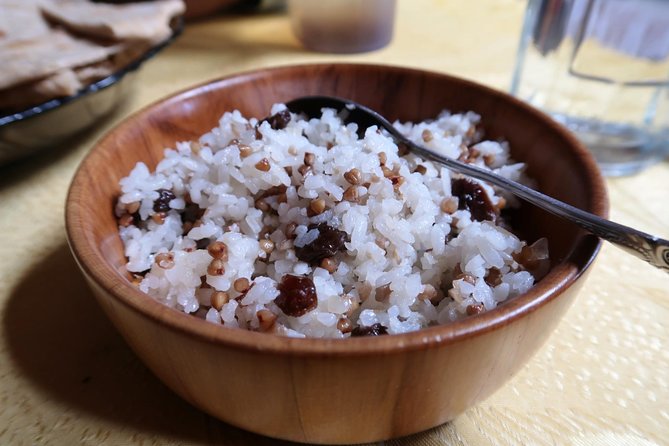
- A true ger home meal: you cook, then sit down in the same space to eat together
- Bee and Soy lead the class: their family recipes and stories shape the whole afternoon
- Hands-on cooking, not watching: homemade noodle soup and steamed dumplings are built from scratch
- Warm nettle tea first: foraged mountain nettle tea sets the tone right away
- Finish with shagai: a traditional Mongolian knuckle bone game, family-favorite
- Vegetarian option available: tell them ahead of time and the menu can adapt
Entering Bee and Soy’s Ger World Just Outside Ulaanbaatar
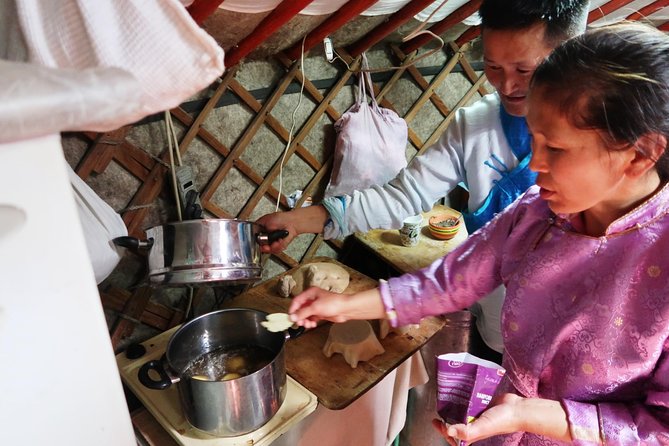
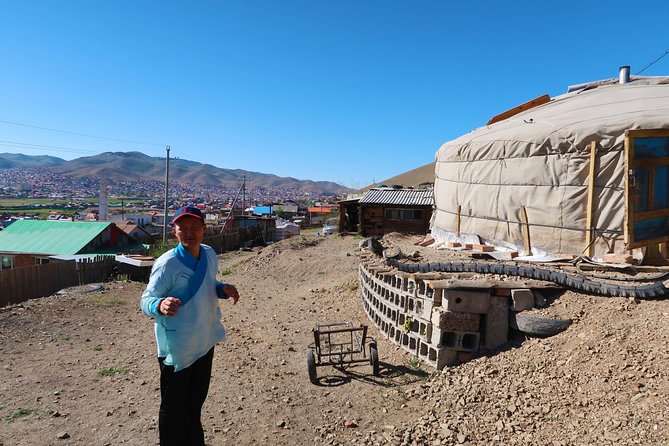
Ulaanbaatar can feel big and busy, even when you’re trying to spot something truly local. This experience pulls you out of the city center and into a traditional ger, the felt-covered round tent used by nomadic families across Mongolia.
When Bee meets you and you ride out together, you’re not just changing locations. You’re stepping into a different pace: quieter, warmer, and built around family cooking and everyday rituals. That context matters because it explains why the food is the way it is, and why people treat meals as more than fuel.
How the Day Flows: Pickup, Travel, and the Ger Welcome
You meet Bee at your hotel in Ulaanbaatar, then head to the family’s ger, about 5 km from the city center. The transfer is flexible in practice, and you’ll likely go by car, taxi, or public transport depending on what fits your day and group.
Once you arrive, Bee and his wife Soy welcome you with warm nettle tea foraged from a nearby mountain. It’s a small detail, but it’s the kind of thing that makes the whole afternoon feel grounded in local life, not something manufactured for tourists.
Then the conversation starts. You’ll learn about Mongolian daily life, customs, and food traditions before you put your hands on ingredients. If you like culture that comes with context, this front-loaded talk is a smart start.
What You’ll Cook: Noodle Soup, Dumplings, and Sheep Meat Traditions
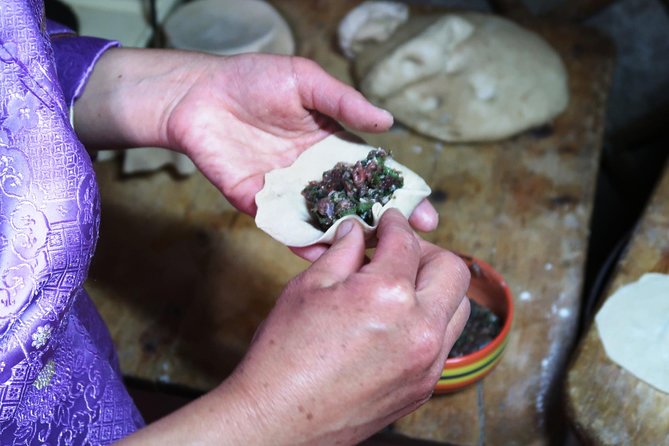
This is a hands-on cooking class where you learn Mongolian cuisine from scratch. The core dishes you can expect to make include handmade-style noodle soup and traditional steamed dumplings, with family recipes guiding how things are put together.
The menu isn’t guaranteed to be identical all year because it can vary by season. That’s common for home cooking, and it’s also one of the ways you’ll taste what’s practical and available locally at the time of your visit.
Sheep meat may be part of the meal you cook and eat. Based on the way the day is described, the focus isn’t on fancy presentation. It’s on technique, ingredients, and understanding how nomadic traditions shape what lands on the table.
If you’re the kind of traveler who likes learning by doing, you’ll probably appreciate the pacing. You’re not rushing through a checklist. You’re working through steps, asking questions, and getting feedback as you go.
Eating What You Made in a Warm Family Setting
After cooking, you sit down for the meal you helped prepare. This usually includes noodle soup, steamed dumplings, and sheep meat, all shared in the warm family setting inside the ger.
Eating in the ger changes how the meal feels. It’s cozy, close, and different from a restaurant where you might finish and leave. Here, the food comes with conversation, and the meal becomes part of the learning rather than the final stop.
This is also where you’ll understand why the host emphasis is on not just how to cook, but how to live around food. In places like Mongolia, meals connect people fast. Even if you start with a language barrier, the rhythm of cooking and sharing does most of the talking.
The Cultural Stuff You Can’t Get From a Standard Restaurant
A cooking class can stay on the surface if it’s just recipes and plating. This one pushes deeper into daily life and beliefs around food.
You’ll hear how Mongolian customs influence what and how people cook, and what different times of year change in the food experience. You’ll also get explanations around ingredients and how families think about them, including a focus on not wasting parts of what you raise.
The ger itself is part of the lesson. It’s not a museum display. It’s the home environment where meals happen, conversations stretch out, and family traditions stay in use. If you want Mongolia that feels lived-in, not performed, this is the reason it earns so many high marks.
Shagai: The Knuckle Bone Game That Closes the Day
At the end, you learn shagai, a traditional Mongolian knuckle bone game and a family favorite. You’re not just told about it. You get to learn it and play as part of the experience.
This matters more than it sounds. Shagai is a small window into how everyday objects, including animal bones, become part of culture through play. It’s a reminder of how nomadic life trains creativity and makes use of what’s around.
If you enjoy activities with local rules and simple tools, shagai is one of the best souvenirs you can bring back. Not because you keep the bones, but because you remember how it felt to learn something traditionally Mongolian in the place it belongs.
Value for $199: What You’re Really Paying For
$199 per person can sound like a lot until you match it to what’s included. You’re not paying just for a recipe lesson. You’re paying for a private, personalized experience in a real home, led by Bee and Soy, with round-trip hotel transfers included.
The 5 hours 30 minutes duration also helps the value. This isn’t a quick stop-and-leave activity where you barely get started. You have time to travel, cook, eat, and end with shagai, all without feeling rushed.
The value gets even clearer if you compare what you’d pay for a meal plus a separate cultural activity. Here, those parts come together in one day: cooking, dining, conversation, and a local game.
One practical note: the experience is private, so the per-person cost depends on your group size. If you’re traveling as a couple or small group, it often feels more cost-effective than larger shared tours.
Seasonal Menus and Vegetarian Options: Plan Ahead
The menu may vary depending on the season. That’s not a problem, but it does mean you should avoid going in with a rigid expectation of exactly which dishes you’ll cook every time.
If you’re vegetarian, you’re not stuck. A vegetarian option is available, and you should advise the team at booking so they can plan the meal accordingly. If anyone in your group has allergies or dietary restrictions, you’ll want to share those details as well.
This is one of those times when asking questions early is worth it. Home-based cooking adapts better when hosts know your needs upfront.
Practical Tips That Make This Day Go Smoother
I’d plan for a genuine home setting rather than a kitchen showroom. That means being ready for the feel of a traditional ger experience: warm, close, and focused on conversation and cooking.
Wear clothes you’re comfortable moving in. Since you’ll be hands-on, you’ll likely spend time standing, mixing, rolling, or working with dough. If you’re the kind of person who hates getting kitchen stuff on your sleeves, bring something practical.
Also, come with curiosity. The best part of the day isn’t only what you eat. It’s the back-and-forth: asking why a dish is made a certain way, how family life works, and what traditions mean.
Finally, give yourself time to enjoy the ride out and the moment you arrive. The 5 km distance isn’t long, but it’s long enough to feel the shift from city life into home life.
Who This Is Best For (and Who Might Want Another Option)
This is perfect for you if you want Mongolia through daily life, not just landmarks. You’ll likely love it if you enjoy:
- cooking and learning techniques with your hands
- small, private experiences with real hosts
- a meal that feels like it’s part of the story
It’s also a great fit for travelers who like conversation and cultural context. The hosts’ role is big here, and the class is built around getting to know each other.
If you need polished infrastructure, the most modern facilities, or a schedule built like a museum tour, you might find the home setting a little less predictable. It’s still well-run and organized, but the spirit is family-based, not corporate.
Should You Book Bee and Soy’s Ger Cooking Class?
I think you should book this if you’re aiming for a Mongolia highlight that feels personal and real. The combination of hands-on cooking, a full homemade meal, warm foraged nettle tea, and shagai in a ger is a strong package for the price.
If you care about authenticity, you’ll probably feel it the moment Bee and Soy welcome you into their home. If you care about learning, you’ll get that too through working on dishes from scratch and hearing the cultural meaning behind what you’re making.
If you’re deciding between this and another activity in central Ulaanbaatar, choose this when you want connection over sightseeing. This is one of those days that sticks because it’s not just something you did. It’s something you shared with people.
FAQ
How long is the cooking class?
The experience lasts about 5 hours 30 minutes.
Where is the ger located?
The traditional ger is in the suburbs, about 5 km from the center of Ulaanbaatar.
Is hotel pickup included?
Yes. Round-trip transfers from your Ulaanbaatar hotel are included, and you meet Bee at your hotel.
What dishes will I learn to make?
You may learn classic Mongolian dishes such as homemade noodle soup and traditional steamed dumplings from scratch. The exact menu can vary by season.
Can the experience accommodate vegetarian diets?
Yes. A vegetarian option is available. You should advise the provider at booking.
Is this a private tour?
Yes. It’s private and personalized, and only your group participates.
What is served when you arrive?
Bee and Soy welcome you with warm nettle tea foraged from a nearby mountain.
What happens after the meal?
After cooking and eating, you learn shagai, a traditional Mongolian knuckle bone game and a family favorite.
What do I receive after booking?
You’ll receive confirmation at the time of booking, and you’ll have a mobile ticket.
Is free cancellation available?
Yes, you can cancel for a full refund up to 24 hours in advance of the experience start time.