REVIEW · ROME
Rome: Ravioli, Fettuccine and Tiramisu Cooking Class
Book on GetYourGuide →Operated by Eat and Walk Italy · Bookable on GetYourGuide
Fresh pasta in Rome beats a souvenir. This 3-hour cooking class gets you making fettuccine and ravioli from scratch, then finishing with your own tiramisù. The payoff is real: you eat what you make in the heart of Rome with a glass of wine.
I like that it’s taught in clear, practical steps, with English instruction and patient coaching from chefs such as Furio, Mattia, Matt, Josephina, and Lory (names you’ll see connected to this experience). It’s also designed to feel social and doable, so even if you’re not a kitchen person, you still leave with confidence.
One consideration: the meal is built around pasta and dessert. If you’re expecting a big “proper dinner” with sides, this isn’t that. You’ll get what’s on the menu, plus drinks—treat it as hands-on Italian cooking first.
In This Review
- Key things that make this class worth your time
- Ravioli, fettuccine, and tiramisu: what the 3 hours really looks like
- Where you meet in Rome (and why arriving early helps)
- Step-by-step flow: tiramisù first, then the pasta lessons
- Fettuccine and sauce choices: the point is learning how to match
- Ravioli from scratch: ricotta filling, butter, and sage
- Tiramisu you made: not just dessert, but a technique lesson
- Wine, coffee, and the Rome payoff: eating your meal in a restaurant
- Value and price: why $82 feels fair for what’s included
- Who should book this class (and who should think twice)
- Small practical tips that make the day smoother
- Should you book this Rome pasta and tiramisù class?
- FAQ
- How long is the cooking class in Rome?
- What dishes do you make and eat?
- What sauces and toppings are included with fettuccine and ravioli?
- What drinks are included?
- What language is the instruction?
- Is the class suitable for young children?
Key things that make this class worth your time
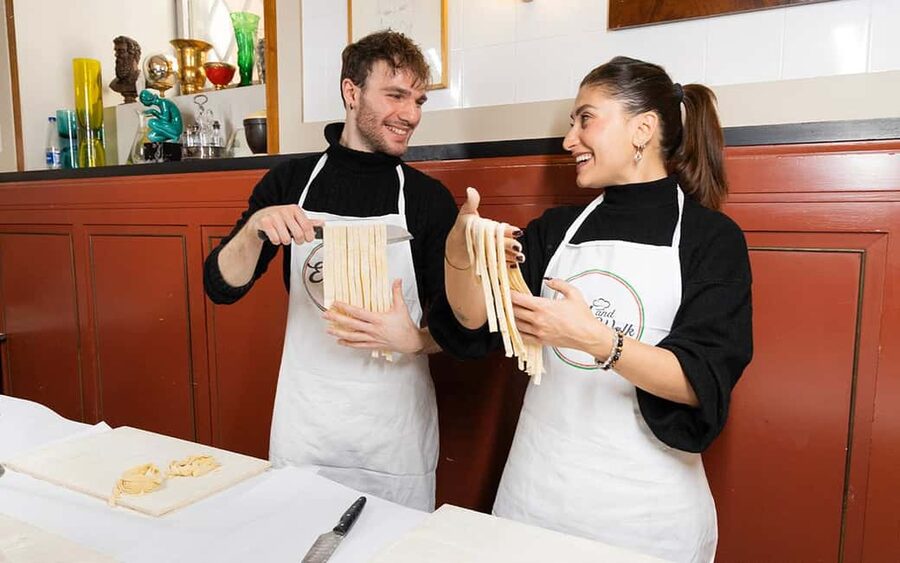
- Two handmade pastas: fettuccine plus ravioli, both made in the workshop
- Tiramisu starts the session: you begin with dessert and work your way into dough
- Sauce choices for fettuccine: tomato and basil, Cacio e Pepe, or Amatriciana
- Ravioli filling and finish: ricotta ravioli served cooked in butter and sage
- You eat your work: the class ends in a restaurant meal with wine and a sweet finish
- English instruction and a paced, check-in teaching style, with instructors like Mattia and Lory mentioned in past sessions
Ravioli, fettuccine, and tiramisu: what the 3 hours really looks like
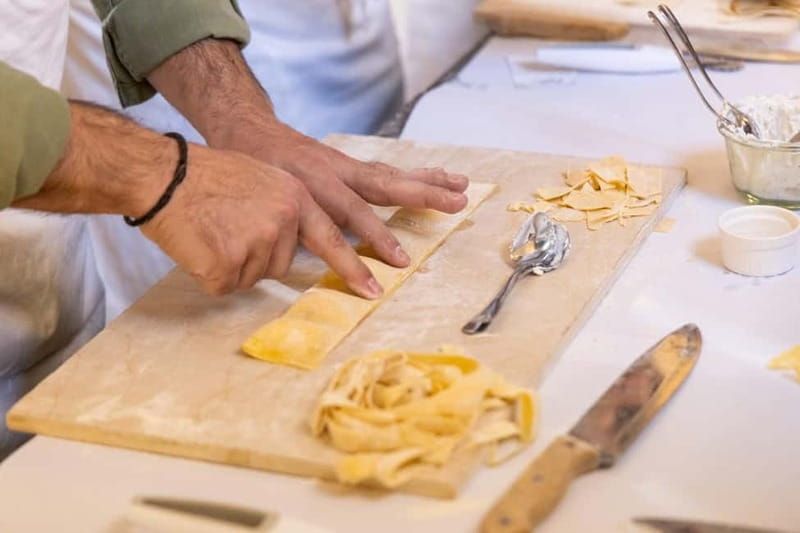
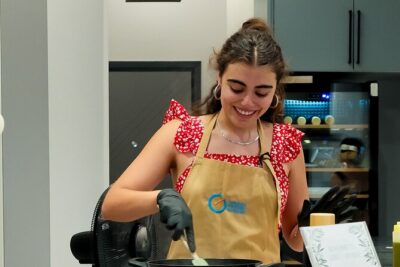
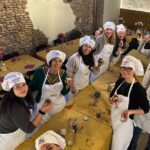
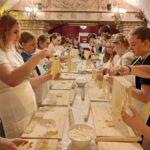
This is the kind of Rome activity that cuts through the usual sightseeing churn. You’re not just watching. You’re mixing, rolling, shaping, filling, and sealing—then you sit down and eat it, in a restaurant setting, not while standing in a line.
The timing matters. In three hours, you won’t turn into a nonna. But you will learn the key moves that make the difference between dough that tears and dough that behaves. You’ll also taste your results soon enough that it feels like progress, not a school project.
The class centers on three things:
- Fettuccine (plus a sauce choice)
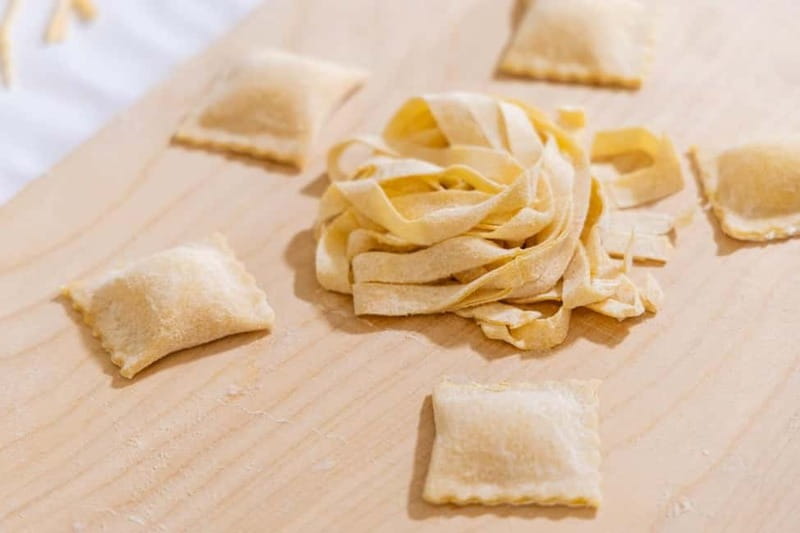
- Ravioli (ricotta filling, finished with butter and sage)
- Tiramisu (your own dessert)
And that menu design is smart. Tiramisu is forgiving—no stove required. Pasta is where technique shows. Doing tiramisù first gives your brain an easy win before you face dough.
You can also read our reviews of more tours and experiences in Rome.

Where you meet in Rome (and why arriving early helps)
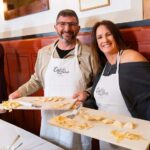
You’ll meet your chef inside Gusto Restaurant, Via Giuseppe Zanardelli 14. Plan to arrive about 10 minutes early. That buffer is not about rushing; it’s about getting settled before the chef starts explaining the dough steps and how the workstations will run.
This matters more than you might think. Pasta-making is physical. If you show up late, you miss the first explanation that prevents mistakes later—how the dough should feel, how to handle it, and what “ready” actually looks like.
Step-by-step flow: tiramisù first, then the pasta lessons
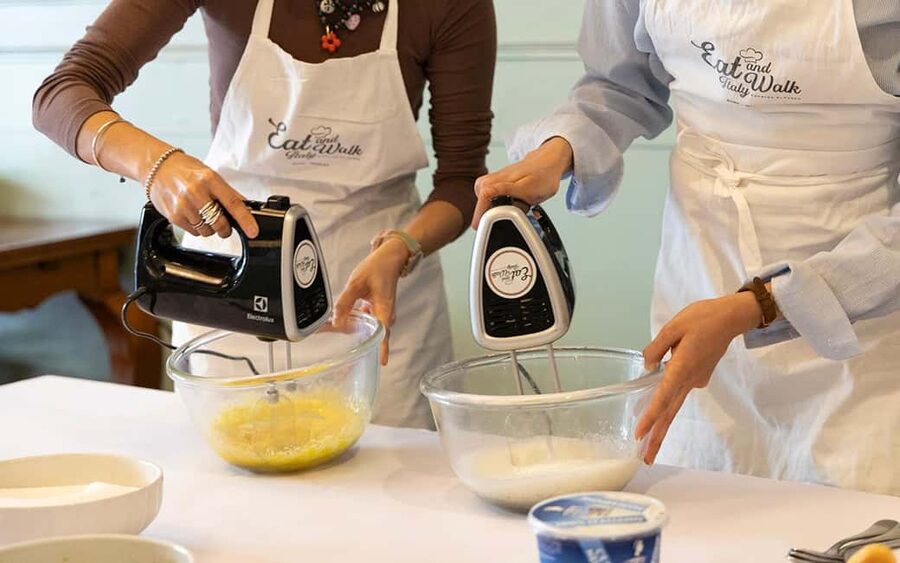
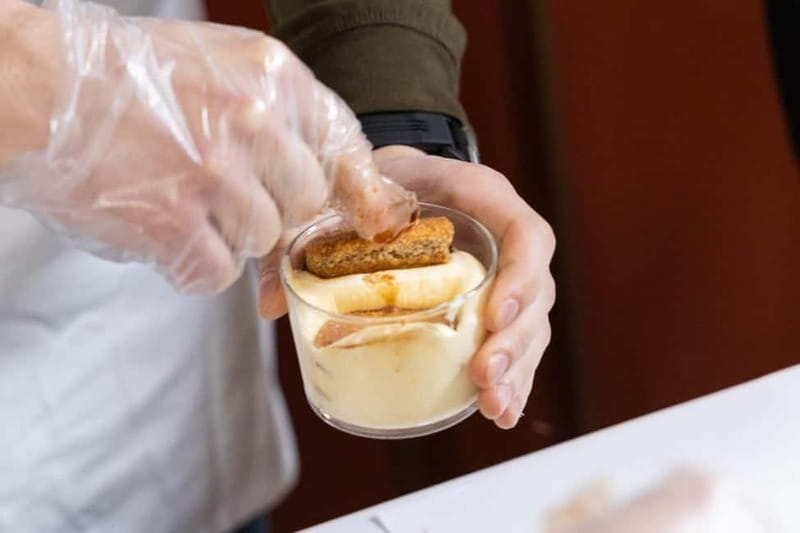
The workshop kicks off as a group activity focused on dessert—making tiramisù. That’s a good opening because it warms you up. You learn the rhythms of the class (listen, do, ask questions) without the pressure of rolling out dough.
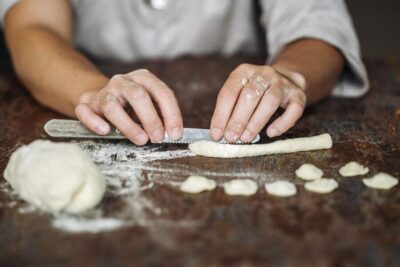
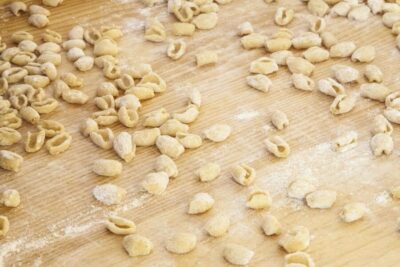
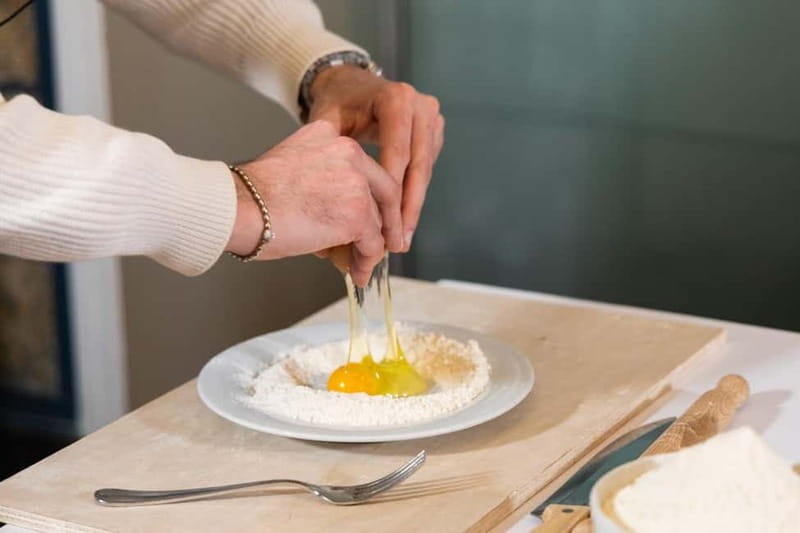
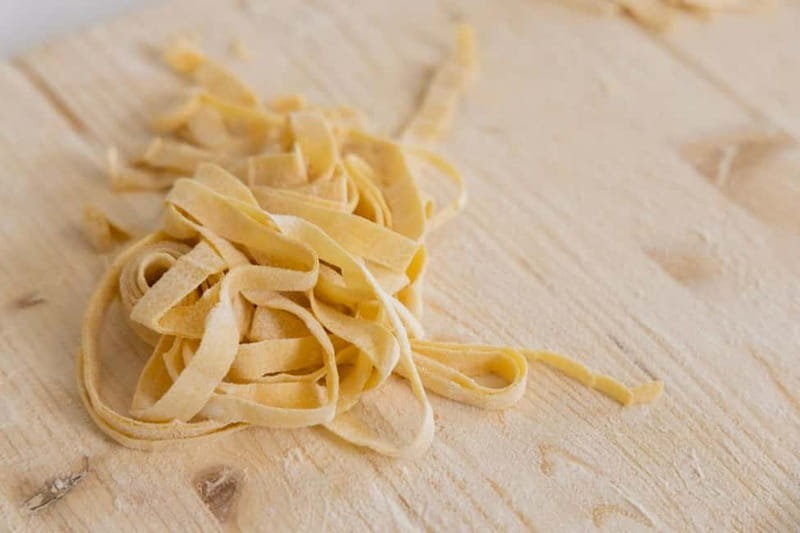
Then the chef shifts into pasta mode: dough preparation and technique. You’re guided through the process so you can create the pasta with your own hands, not just assemble pre-made components.
Here’s the practical logic behind the flow:
- Dessert first lowers stress and builds momentum.
- Pasta second is where the transferable skills live.
- Lunch/dinner at the end makes the lesson feel complete.
If you’re nervous about cooking classes, this structure is reassuring. You get moving right away, and you don’t start with the hardest part.
Fettuccine and sauce choices: the point is learning how to match
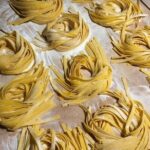
Fettuccine is your first pasta “win.” You’ll make the pasta, then eat it topped with one sauce from the choices:
- Tomato and basil
- Cacio e Pepe
- Amatriciana
The menu lets you experience how Italian flavor works through sauce. In most pasta classes, you get one sauce and call it a day. Here, you get options, which is useful when you’re trying to recreate the dish later at home.
A few practical takeaways you can carry forward:
- Tomato and basil is your fresh, straightforward option—great if you want something light and familiar.
- Cacio e Pepe leans into the simple power of cheese and pepper, where texture and timing matter.
- Amatriciana brings a richer, deeper profile, and it pairs well with handmade pasta because the sauce clings better when the pasta is made well.
Even if you don’t geek out about sauce, you’ll learn how the pasta and sauce relationship should feel. That’s the real skill.
Ravioli from scratch: ricotta filling, butter, and sage
Next comes ravioli, where technique gets more hands-on. You’ll work with ricotta filling, and your ravioli are finished cooked in butter and sage.
Ravioli are where first-timers often get stuck—filling leaks, seals open, and dough can tear. The good news: the class is built to prevent that. Your chef teaches the dough and the handling steps so you can shape and seal with confidence.
Butter and sage is a classic finish, and it’s perfect for home success. Why? It’s not complicated. Once you know how to make the ravioli and keep them sealed, the rest is straightforward. You can recreate the finishing sauce without needing special equipment.
Also, ravioli teach you an important principle: dough isn’t just dough. It’s a container. The better the seal, the cleaner the eating experience.



Tiramisu you made: not just dessert, but a technique lesson
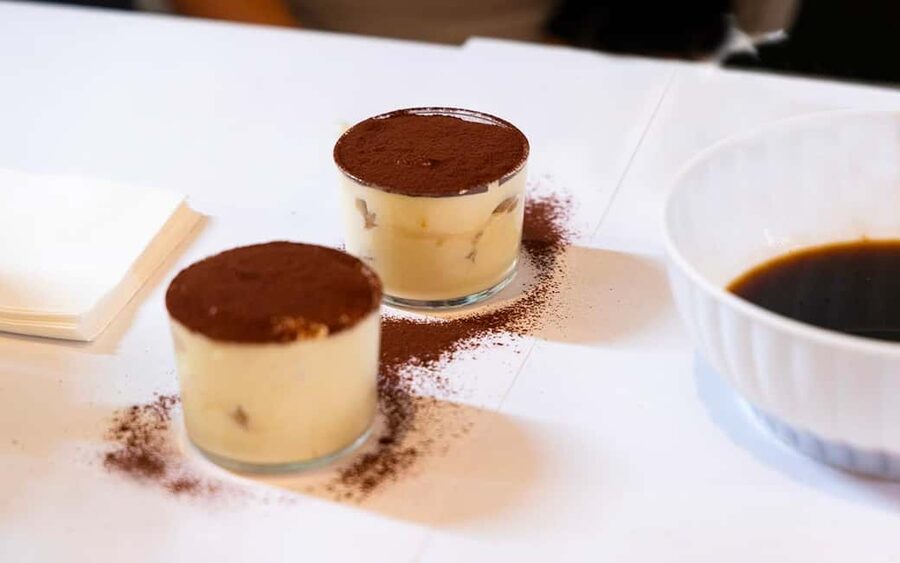
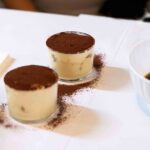
Tiramisu is the sweet ending—and also the easiest place to feel proud. The class includes making your own tiramisù, and you get to take part in that group dessert activity at the start.
Tiramisu isn’t hard because it’s magical. It’s hard when people rush or ignore the process. A class helps because the chef can show you what it should look like while you build it—so you don’t end up with something that’s too wet or too firm.
Then, later in the meal, you’re rewarded with a final drink feature: a glass of limoncello or coffee after you’ve eaten your pasta dinner. That last step turns the experience from a lesson into an event.
Wine, coffee, and the Rome payoff: eating your meal in a restaurant
At the end, you sit down and eat what you make. Included with the meal is:
- a glass of wine or non-alcoholic beverage
- water
- limoncello or coffee
This is one of the highest-value parts of the class. If you’ve ever done a workshop where you cook and then don’t really enjoy the outcome, you know the frustration. Here, the experience ends with a proper tasting.
And it’s not just for the taste. Eating your own cooking right away is the best feedback loop. You can tell what you did well, what you might tweak, and what you’d repeat at home. That’s how you turn a fun afternoon into something you can actually use again.
Value and price: why $82 feels fair for what’s included
At $82 per person for 3 hours, this class looks like a splurge—until you break down what’s covered.
You’re paying for:
- instruction from an English-speaking chef
- ingredients for multiple dishes (fettuccine, ravioli, and tiramisù)
- cooking time and tools used in the workshop
- a plated meal ending
- drinks: wine (or soft drink) plus limoncello or coffee, with water
So the real question isn’t whether pasta-making is worth $82. It’s whether you’d otherwise spend that amount on a guided food experience and end up with enough knowledge and dinner to justify the cost.
For many people, the answer is yes—because the class gives you both skills and a meal. Plus, the “I can make this again” factor matters. A souvenir doesn’t teach you anything.
Who should book this class (and who should think twice)
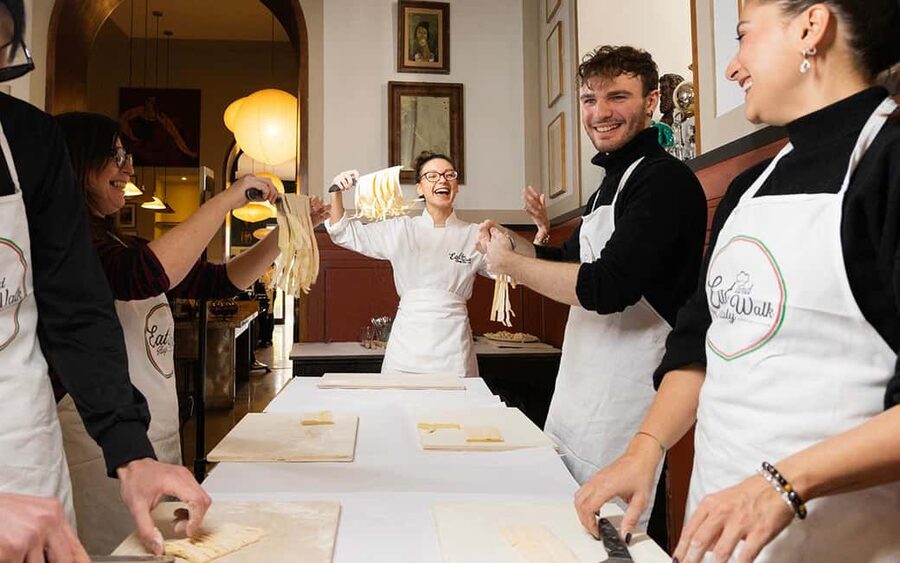
This cooking class is a great fit if you want:
- hands-on Italian skills, not a passive food tour
- a fun group activity that still feels structured
- a meal ending in the middle of Rome, so you don’t have to plan dinner separately
- a class that feels approachable for beginners (it’s taught in steps and checked as you go)
It’s also family-friendly in spirit for older kids, since the experience is built for people who want to cook and eat together—not just watch. (There’s one clear limitation: it isn’t suitable for children under 4.)
You might want to think twice if:
- you expect a large variety of savory sides. The menu is focused on pasta and dessert.
- you’re very sensitive to time. Three hours is enough to learn the basics and enjoy the meal, but it’s not a long apprenticeship.
Small practical tips that make the day smoother
These are the little things that help you enjoy the process more:
- Wear comfortable clothes and plan for a little mess. Pasta dough is forgiving, but flour still happens.
- Keep your questions for early in the pasta steps. Ask before you start shaping, not after.
- Don’t overthink the sauce before you sit down. Choose one of the provided fettuccine sauces and trust the chef’s guidance.
- After the class, you’ll want to talk about what you made. It’s part of the reward.
Also, since the class is in central Rome, don’t schedule another major activity immediately afterward. Give yourself time to digest the pasta and enjoy the fact that you just did the hard part.
Should you book this Rome pasta and tiramisù class?
Yes—if you want a guided, hands-on cooking experience in Rome that ends with a meal you can proudly say you made. The class offers a rare combination: real pasta technique (fettuccine and ravioli), plus tiramisù, plus a drink-and-dinner finish.
I’d skip it only if you’re looking for a broad Italian food spread with lots of sides, or if you already know you want a very relaxed, no-pressure activity. This is interactive. It works best when you’re ready to roll up your sleeves.
If you’re on the fence, book it. For $82 and 3 hours, you’re buying a complete edible experience: two pastas, one dessert, and a sit-down meal with wine and either limoncello or coffee.
FAQ
How long is the cooking class in Rome?
The class lasts 3 hours.
What dishes do you make and eat?
You make and eat fettuccine (with one sauce option), ravioli (with ricotta), and tiramisù.
What sauces and toppings are included with fettuccine and ravioli?
Fettuccine comes with a sauce choice: Tomato and Basil, Cacio e Pepe, or Amatriciana. Ravioli are made with ricotta and cooked in butter and sage.
What drinks are included?
You get water, one glass of wine or a soft drink, and a glass of limoncello or coffee.
What language is the instruction?
The instructor teaches in English.
Is the class suitable for young children?
It is not suitable for children under 4 years. The activity is also listed as wheelchair accessible.