REVIEW · KYOTO
Kyoto Family Kitchen Cooking Class
Book on Viator →Operated by Anthony · Bookable on Viator
Cooking with a Kyoto family feels personal. Kyoto Family Kitchen is one of those rare classes where the food lesson and the human connection come in the same bite—set in a real suburban home just outside the city center, not a rented studio. I especially love the hands-on cooking focus and the way the evening turns into a relaxed family dinner with conversation. One thing to consider: this is not a formal, classroom-style class; you’ll cook alongside a busy family with kids and pets, so you should be comfortable stepping into a home environment.
The flow is simple and friendly: arrive, tea and chat, preview what you’ll make, then cook at the counter together before eating what you made. The result is a “one night of living like locals” feel, and the reviews are consistent about how welcome people felt with Anthony and Naomi and their family.
In This Review
- Key Things I’d Watch For Before Booking
- Kyoto Family Kitchen Means a Real Suburban Home, Not a Performance
- What You’ll Cook: Staples Like Dashi, Soy Sauce, Mirin, and Sake
- The Evening Flow: Tea Chat, Preview, Then Cook and Eat Together
- The Kitchen Counter Experience: Hands-On, Family-Run, and Actually Doable
- Dinner Like a Local: The Conversation That Turns It From Class to Memory
- Getting There: Meeting Point, Subway Link, and How Not to Stress
- Price and Value: Why $96.84 Can Feel Worth It (or Not)
- Who Should Book This Family Kitchen Experience?
- Small Considerations That Can Save Your Evening
- Should You Book Kyoto Family Kitchen Cooking Class?
- FAQ
- What time does the Kyoto Family Kitchen class run?
- Where is the meeting point?
- Is transportation included?
- What’s included in the price?
- Are alcoholic beverages included?
- Is it suitable for families and children?
- Is the experience private?
- Can I get a refund if I cancel?
- Are service animals allowed?
Key Things I’d Watch For Before Booking
- Private-home setting outside the city center (more “dinner invitation” than “tourist activity”)
- Japanese staples built into the meal: dashi, soy sauce, mirin, and sake
- Cooking hands-on at the kitchen counter, with a family vibe for all ages
- You eat together after cooking, so the learning sticks because you taste it
- Sometimes informal by design, meaning you may mostly assist and cook, not follow a strict scripted lesson
Kyoto Family Kitchen Means a Real Suburban Home, Not a Performance
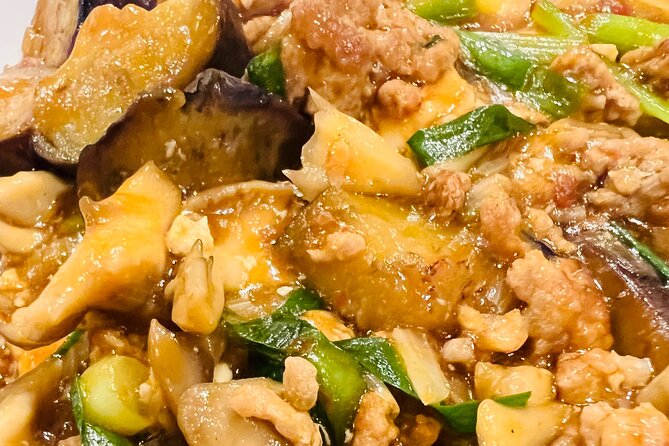
This experience is scheduled in a real neighborhood rhythm. You meet at 33-50 Kamitakano Saimyōjiyama in Sakyo Ward, and it runs Monday to Friday from 6:00 PM to 8:30 PM. You’re not arriving to a grand kitchen set up for photos; you’re stepping into a family home on a hill where kids, pets, and adults all share the space comfortably.
I like that because it changes the whole tone. You’ll still learn what matters in Japanese cooking, but the teaching style is practical and conversational, like someone showing you how they cook on a normal weeknight. And because it’s a private tour/activity, it’s just your group, so the evening feels less like you’re performing for strangers.
One practical upside: this home-based format also tends to reduce the “tour bus feeling.” There’s tea, relaxed talk, and time to connect, rather than rushing from station to station. If you want a pure cooking workshop with zero personal chat, you might find the family-style pace a mismatch.
You can also read our reviews of more tours and experiences in Kyoto.

What You’ll Cook: Staples Like Dashi, Soy Sauce, Mirin, and Sake
The heart of the class is learning the building blocks that show up in lots of Japanese dishes. Expect to cover staples such as dashi, soy sauce, mirin, and sake—the flavors that let you understand why different meals taste the way they do.
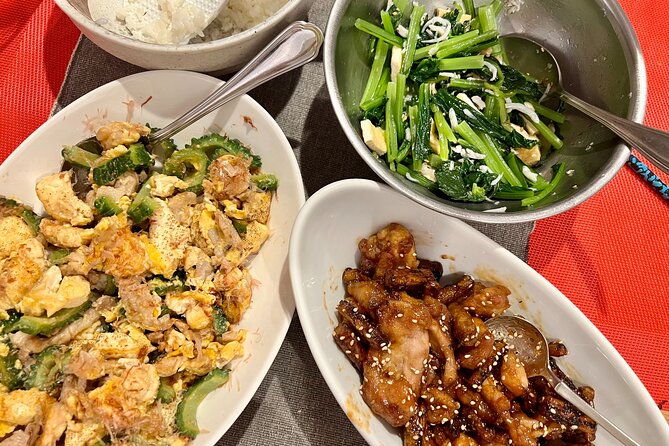
You might also cook familiar dishes depending on the menu they prepare for that day. Reviews mention evenings that included things like gyoza and tamago yaki, and others that included okonomiyaki. Another review described sautéed veggies and teriyaki chicken. The key is less the exact dish name and more the technique and reasoning behind the flavor.
Here’s why that matters for you: once you understand how dashi and soy-based seasonings work, you stop seeing Japanese food as a set of mysteries. It becomes a set of combinations you can recognize—whether you’re eating at a neighborhood spot later or trying a recipe back home.
For kids, the staples also make things approachable. You’re not asking them to master complicated techniques; you’re putting them into bite-size tasks like slicing, dicing, mixing, and assembling in the kitchen’s flow.
The Evening Flow: Tea Chat, Preview, Then Cook and Eat Together
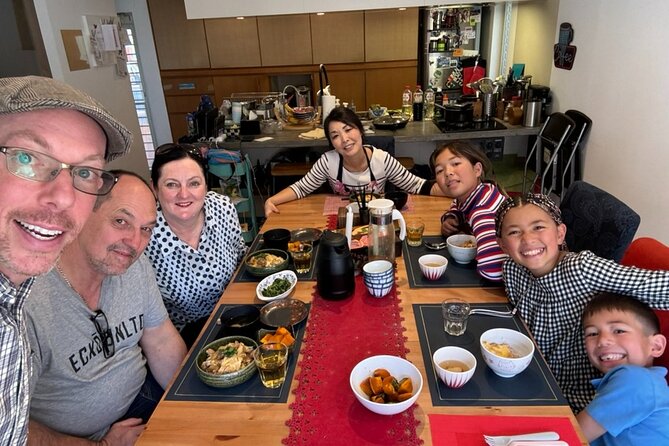
The schedule is built around a very human pace. When you arrive, you’ll take a load off, have coffee or tea, and settle in with conversation about your trip. Then you’ll shift into food talk and get a preview of what you’ll cook that night.
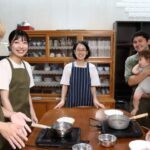
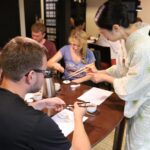
After the intro, aprons go on and you gather around the kitchen counter. That’s where the class becomes active: you’ll be slicing, dicing, and mixing as you make your meal. This isn’t the kind of experience where you watch while someone else does everything. The whole point is that you’re participating.
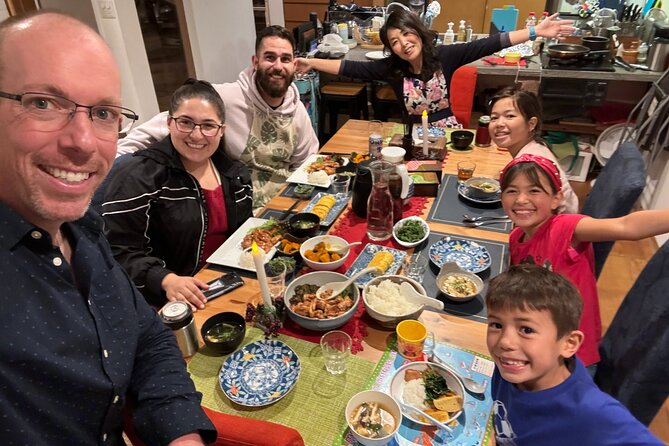
Then comes the part many people remember most: you sit down and eat what you cooked together. Reviews repeatedly highlight the warm, shared mealtime—stories, cultural exchange, and a sense of ease after the work is done.
Timing-wise, plan for about 2 hours 30 minutes total. That’s enough time to feel productive (you cook real components), but not so long that it turns into an endurance event for kids or adults.
A small but useful expectation-setting point: some reviews describe it as more “informal cooking alongside the family” than a strict step-by-step lesson. If you want a tightly structured curriculum with perfect recipe measuring every minute, this may feel less formal.
The Kitchen Counter Experience: Hands-On, Family-Run, and Actually Doable

One of the best parts is how approachable the cooking tasks seem to be. You don’t need to be a home chef with special tools. The format is designed so that you can contribute without feeling lost.
Reviews also mention that the hosts are accommodating with food needs. One group included a vegetarian guest, and the family made sure there was plenty to eat. That tells you they plan with real-life dietary preferences in mind, not just a one-size-fits-all menu.
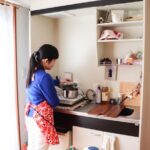
I also think the counter setup helps you learn. When you’re standing close to where ingredients and seasonings are used, you can connect the explanations to what you’re doing. It makes the staples feel concrete—dashi doesn’t just sound like a word on a food blog. You see how it fits into cooking, and then you taste it at dinner.
And yes, it’s normal for kids and pets to be part of the room. One review described the evening as including their kids plus dog and cat. That might sound distracting if you’re expecting total silence, but many guests seem to love the atmosphere because it feels like real life. It’s also a nice reminder that Japanese home kitchens are lived-in spaces, not showrooms.
Dinner Like a Local: The Conversation That Turns It From Class to Memory
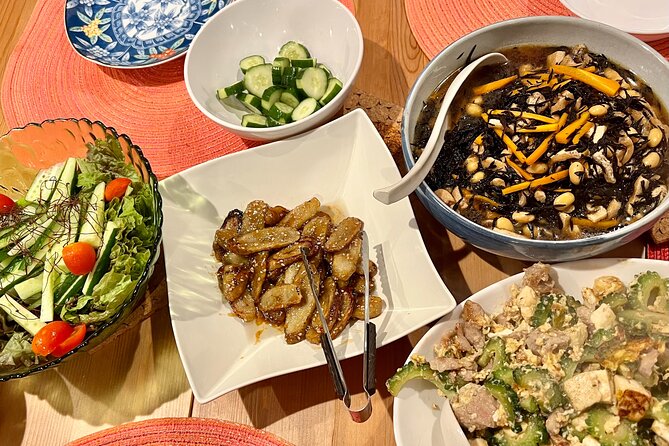
A cooking class is one thing. A family dinner is something else.
This experience leans hard into eating together right after cooking. That means the meal becomes part of the lesson: you’re learning, then immediately seeing the result, then talking about what you notice. It’s the easiest way to remember flavor combinations.
You’ll likely hear about Kyoto beyond the usual “temple checklist,” because you’re chatting with the people who live there. Multiple reviews highlight story-sharing and the feeling of being welcomed into the family’s routine.
A practical plus: you’re given coffee or tea, and alcohol isn’t included. If you’re a group that wants a celebratory drink, you’ll want to handle that on your own elsewhere before or after, since alcoholic beverages are not part of the package.
If you enjoy cultural exchange, this is where you’ll get it. One review notes that they even taught a few Japanese phrases to help with travel. That’s a small thing, but it’s exactly the kind of useful takeaway that makes a short experience feel bigger than the time on the clock.




Getting There: Meeting Point, Subway Link, and How Not to Stress

This is where you should plan calmly. The meeting point is in Sakyo Ward at 33-50 Kamitakano Saimyōjiyama, Kyoto 606-0064. The class runs in the evening (6:00 PM to 8:30 PM). After booking, you’ll finalize meeting times and get direction guidance, so you won’t be on your own trying to guess the exact route.
Transportation is partly handled for you. The package includes transportation to Kokusaikaikan subway station, and the activity is near public transportation. You also get a mobile ticket, which is convenient in Japan.
The best strategy: arrive a few minutes early, especially if you’re traveling with kids. Evening commutes can be busy, and the home is suburban rather than central-city, so you’ll be happier with a little buffer.
One more expectation: the tour ends back at the meeting point. So it’s not like a typical walking tour where you finish at a landmark and walk into dinner. Think of it as a round-trip evening at one address.
Price and Value: Why $96.84 Can Feel Worth It (or Not)
At about $96.84 per person, this isn’t a bargain cooking class. But it also isn’t priced like a high-end restaurant meal with tasting pours and a sommelier.
Here’s what you’re paying for, specifically:
- Dinner is included (you cook and then eat together).
- Coffee and/or tea are included.
- An English-speaking instructor is included.
- All seasonings and ingredients are provided.
- Fees and taxes are included.
- Transportation to Kokusaikaikan subway station is included.
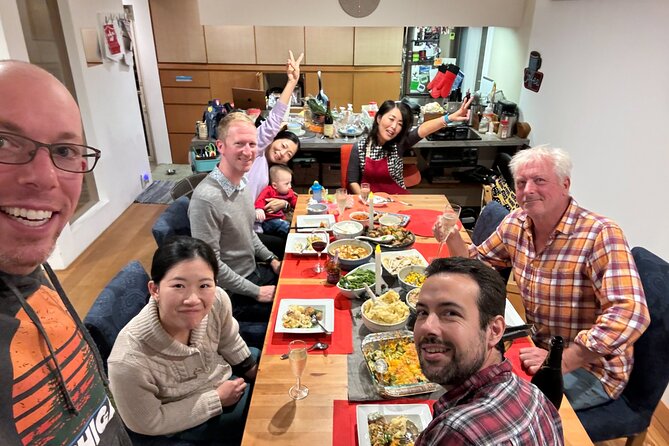
In other words, it’s not just a cooking lesson—you’re getting a full family-style dinner experience in someone’s home. Reviews strongly support that value is tied to the welcome you receive and the way the food and people blend.
Where the value can feel less strong: if you’re expecting a formal, structured cooking class with very clear “you will do steps A through Z” teaching, one lower review suggests the format can feel more like cooking alongside the host family than following a rigid class plan. If that’s you, you might want to compare your expectations first.
Also note the minimum: the experience requires at least 2 guests, so it’s not designed for lone travelers who want a single seat in a huge group, but it can work nicely for couples and small groups.
Who Should Book This Family Kitchen Experience?
This is built for people who like human-scale travel.
I think it’s a great fit if:
- You’re traveling with kids and want an activity that includes them naturally.
- You want real Japanese home cooking basics, not just restaurant sampling.
- You enjoy conversation and want a local-family connection.
- You prefer a private group setting over joining a large tour.
It can also work for couples and small groups who want something more personal than a standard class. The strongest theme in reviews is that guests felt like part of the family for the night—pets included, kids playing, and the hosts taking time to connect.
If you want a quiet cooking lab, this may not be your match. The home environment includes noise and movement, because it’s a home, not a studio. But if you see that as part of the authenticity, it’s a real plus.
Small Considerations That Can Save Your Evening
Before you book, think about these practical points:
First, go in with the right mindset. This is an interactive evening in a home, not a museum-style demonstration. You should expect to help with prep and cook as part of the flow.
Second, be ready for pets to be part of the experience. Reviews mention a cat and dog, and some guests loved the charm of it. If you have allergies or strong preferences, you’ll want to think carefully.
Third, accept that menu and exact dishes can vary by day. Some reviews highlight specific dishes like gyoza and tamago yaki or okonomiyaki, but you shouldn’t assume every night is the same. The consistent thread is the Japanese staples and family-style meal.
Finally, alcohol isn’t included. That’s not a deal-breaker, just plan your expectations for beverages.
Should You Book Kyoto Family Kitchen Cooking Class?
Yes, if you want a family dinner with cooking built in—and you’re comfortable stepping into a real home.
I’d book it if:
- You want Japanese staples explained in a practical way.
- You’re traveling with kids or want a relaxed, friendly atmosphere.
- You value the human part as much as the food part.
- You’re okay with an informal, hands-on format where you cook alongside the hosts.
I might skip it if:
- You want a strict, studio-style cooking curriculum.
- You need a quiet, pet-free environment.
- You’re only interested in a short, recipe-driven lesson with minimal interaction.
If you fall in the first group, this is the kind of Kyoto experience you remember on a cold day later, because it’s not just flavor. It’s people, conversation, and a shared meal you helped make.
FAQ
What time does the Kyoto Family Kitchen class run?
It runs Monday to Friday from 6:00 PM to 8:30 PM, with an approximate duration of 2 hours 30 minutes.
Where is the meeting point?
The meeting point is 33-50 Kamitakano Saimyōjiyama, Sakyo Ward, Kyoto, 606-0064, Japan.
Is transportation included?
Yes. Transportation to Kokusaikaikan subway station is included.
What’s included in the price?
Dinner, coffee and/or tea, an English-speaking instructor, all seasonings and ingredients for cooking, and all fees and taxes are included.
Are alcoholic beverages included?
No. Alcoholic beverages are not included.
Is it suitable for families and children?
Yes. It’s described as family-friendly and designed for all ages, and it explicitly involves cooking in a family home setting.
Is the experience private?
Yes. It’s private, so only your group participates.
Can I get a refund if I cancel?
You can cancel for a full refund up to 24 hours before the experience starts. After that cutoff, the amount you paid is not refunded.
Are service animals allowed?
Yes. Service animals are allowed.