REVIEW · TALLINN
Estonian cuisine Cooking Class
Book on Viator →Operated by ToRe Toit Food & Joy · Bookable on Viator
Three courses, one real kitchen. This Estonian cooking class in Tallinn is built around hands-on learning and a shared meal, not a lecture, and the host Reilika brings the food to life with culture talk as you cook. I especially like the way the menu stays seasonal, so you’re eating what fits the time of year, and the class stays relaxed enough that you actually learn techniques.
The second thing I like: small-group energy. With a maximum of 10 travelers, you get real help and a seat at the table instead of rushing through stations. The only downside to plan for is that the exact dishes change with the season, so you might not end up cooking every item you’re hoping for.
In This Review
- Key Highlights You’ll Care About
- Tore Toit Estonian Food Experience: meeting in Tallinn the easy way
- The 3-course plan: how this class actually teaches you
- Starter session: local bread and a traditional first plate
- Main course: seasonal comfort food with real techniques
- Dessert class: layered gingerbread with berries and red currants
- The best part for many people: the table talk with Reilika
- Price and value: is $94.82 worth it for 3 hours?
- Timing, group size, and what to bring
- Who should book this Estonian cooking class?
- Should you book? My practical take
- FAQ
- Where does the class start?
- How long is the Estonian cuisine cooking class?
- Is the class offered in English?
- What kind of meal will I cook and eat?
- Does the menu stay the same or change?
- How big is the group?
- What is the cancellation rule if my plans change?
Key Highlights You’ll Care About
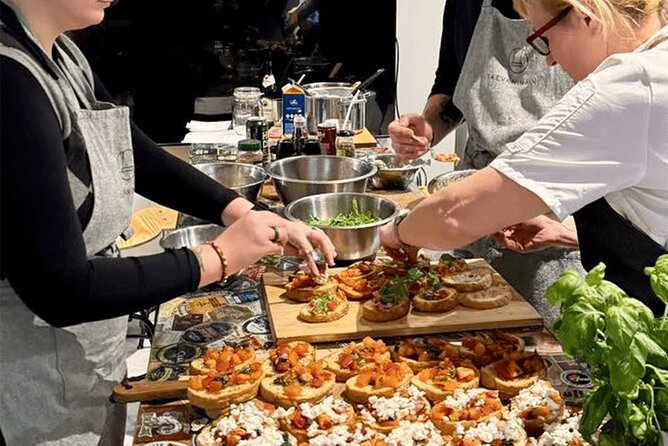
- Small group (up to 10): you’re more likely to get direct attention while you cook.
- Reilika’s culture + humor: cooking comes with stories about everyday life in Estonia, including the Soviet era.
- A true 3-course outcome: starter, main, and dessert, then you sit down together to eat.
- Seasonal menu flexibility: the dishes shift with ingredients available at that time of year.
- English-friendly experience: the class is offered in English and runs about 3 hours.
- Local ingredients focus: recipes center on what Estonians commonly cook and eat.
Tore Toit Estonian Food Experience: meeting in Tallinn the easy way
You meet at Tore Toit Estonian Food Experience, Vene tn 33, 10123 Tallinn. It’s an old-town area that’s easy to orient to, and it’s near public transportation. If you’re the type who likes to arrive a little early, this is one of the better meeting setups because you can do a quick stroll in the area before class starts.
This matters more than it sounds. Cooking classes fall apart when everyone arrives stressed and cold, hunting for the place or juggling tram changes. Here, the start point and timing are simple, and the session is short enough that you can plan it right in the middle of your Tallinn day without needing half a day buffer.
Also, you get a mobile ticket, and confirmation is received at booking time. That means less rummaging for paper and less uncertainty about whether you’re in the right place when you walk up.
You can also read our reviews of more tours and experiences in Tallinn.
The 3-course plan: how this class actually teaches you
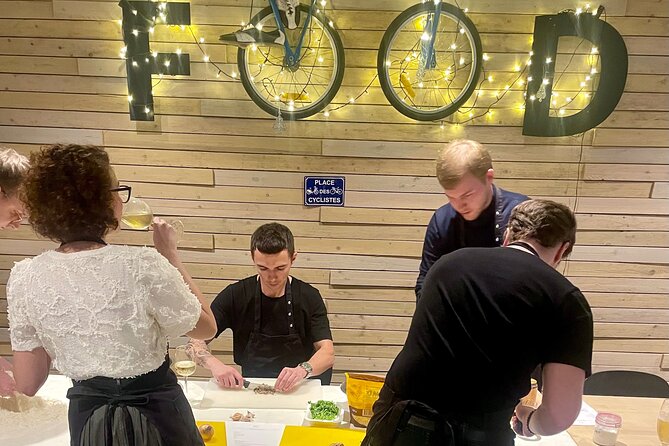
The core of the experience is a hands-on, guided cooking session that produces a typical Estonian 3-course meal from start to finish. You’ll cook a starter, then move into a seasonal main with sides, and finish with a local dessert made with seasonal ingredients.
Here’s why this format is so satisfying: you learn by doing, not by watching. You pick up practical steps you can repeat later—how ingredients behave, what order helps, and what to pay attention to when you’re assembling the meal.
The class also keeps the pace social. Instead of plating and then disappearing, you sit together and eat what you made. That shared meal part is the reward, but it’s also when the host’s explanations land. You catch why a certain ingredient matters, what families typically do, and how the recipe fits everyday Estonian life.
One more detail I value: the group is small. With up to 10 people, it’s not a crowd experience. You’re not competing for space around a cutting board, and you can actually ask questions while you’re working.
Starter session: local bread and a traditional first plate
Your starter includes a traditional Estonian entree dish plus local bread. In practice, this is a great start because it sets the flavor tone without dumping you into the most intense cooking tasks right away.
If you learn well through momentum, you’ll like how the starter acts like a warm-up. You get comfortable with the ingredients and the kitchen rhythm, then you move on. If you’re new to Estonian cooking, this stage is also where you’ll spot the basics: hearty grains, simple seasonings, and a tendency toward filling foods that make sense in cooler weather.
In some seasons, this starter is built around barley-style dishes and classic home-style pairings. Even when the exact plate changes, the idea stays the same: fresh local ingredients, traditional form, and food that feels like it belongs to Estonia rather than being adapted for tourists.
Tip for you: go in hungry and ready to taste as you cook. Starter is your chance to notice textures—bread crumb, how toppings sit, and what “traditional” tastes like when it’s not altered for a trendy menu.
Main course: seasonal comfort food with real techniques
The main dish is a seasonal Estonian plate with sides, and the experience is designed so you learn enough technique to actually understand the recipe, not just follow steps.
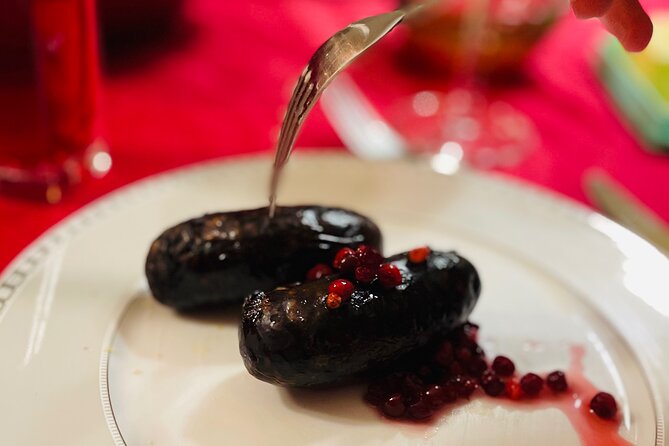
Some examples of main-course dishes you may cook include roasted blood sausage with potatoes and sauerkraut, or classic potato-based sides. That’s not random menu theater. It reflects the way Estonians build meals: filling, practical, and built around ingredients that have long kept well and tasted good through long winters.
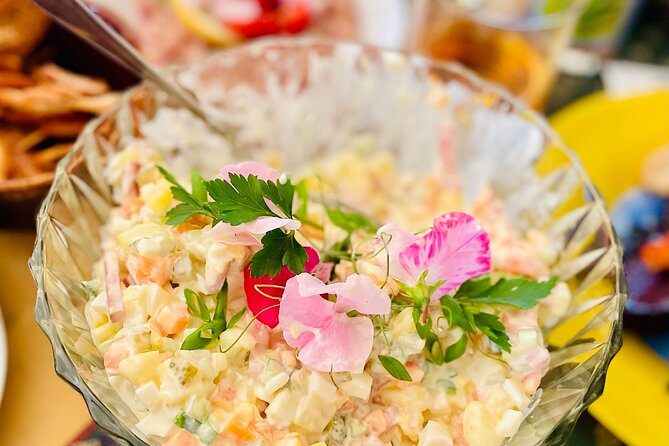
One of the most useful takeaways is how the host teaches the small rules that make the dish work. For example, the class shares golden rules for a traditional potato salad—no carrots or onion in that version, and an egg mashing method using a fork. Those details may sound fussy, but they’re exactly the kind of home-style knowledge you can’t pick up from a cookbook alone.
If you’re thinking, I don’t know if I’ll like blood sausage or sauerkraut, you’re not wrong to consider that. This class is about authentic Estonian home cooking, which sometimes includes flavors that aren’t part of every visitor’s usual routine. You’ll still have a guided experience, but if you’re extremely picky, check your comfort level with hearty, tangy, fermented, or pork-based dishes.
Dessert class: layered gingerbread with berries and red currants
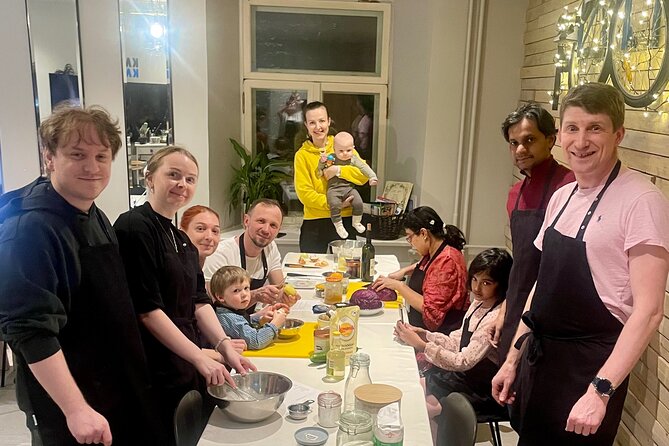
Dessert is truly local, and it’s made with seasonal ingredients. A common example is a layered gingerbread dessert featuring red currants and berries. Even if the exact fruit combination changes with the season, the structure tends to stay familiar to Estonian home traditions: spiced gingerbread flavors, fruit acidity, and a dessert that feels like it belongs at the table, not just on a plate for photos.
This part is often where people relax. After the savory cooking, dessert lets you focus on assembly and texture. It also gives you something you can recreate back home because gingerbread-style recipes are usually more forgiving than complicated pastries.
If you like desserts that aren’t overly sweet, you’ll probably appreciate the way fruit cuts through spice. That balance is a big reason this kind of Estonian dessert works so well after a hearty meal.
The best part for many people: the table talk with Reilika
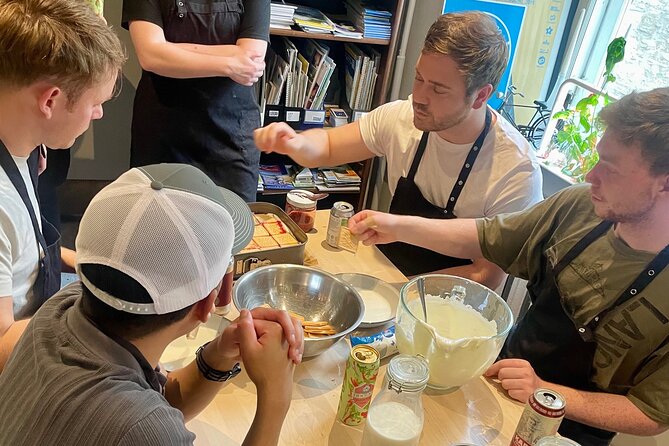
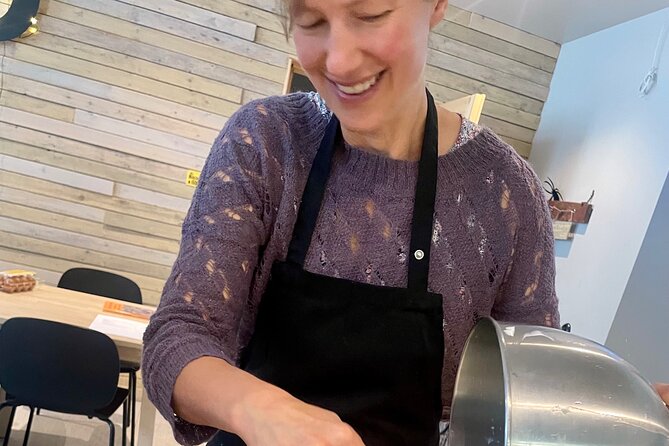
Food is the headline, but the class has a second engine: conversation. The host, Reilika, doesn’t just guide the cooking. She adds culture and history through stories that reflect everyday life in Estonia, including growing up during the Soviet era, plus humor and warmth as the group works and eats together.
This is where the experience turns from a skill lesson into a real cultural moment. You’re not only learning what to cook; you’re learning why people cooked this way and how daily life shaped tastes. When you sit down together, those explanations make more sense because you’re tasting what she’s describing.
If you enjoy learning through human stories, this class should click. You’ll get a feel for Estonian life beyond the typical postcard facts, and the tone stays friendly. The relaxed rhythm also means you’re not rushing through a checklist of dishes. People often end up lingering at the table, because the meal and conversation naturally pull you in.
Practical note: if you’re trying to keep the rest of your evening tightly scheduled, plan a little flexibility after class. The meal part is part of the experience, and it tends to run with the group’s pace.
Price and value: is $94.82 worth it for 3 hours?
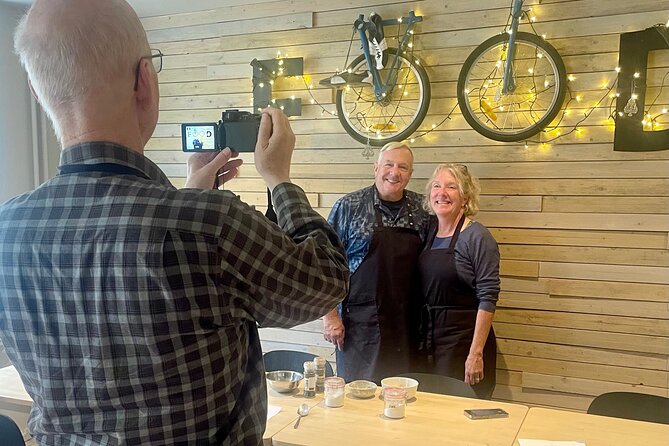
At $94.82 per person for about 3 hours, this isn’t the cheapest thing on a Tallinn day. But it can be good value when you compare it to what’s included.
You’re paying for:
- Guided, hands-on cooking instruction in English
- A full 3-course meal that you eat together at the table
- Local, seasonal ingredients used in traditional recipes
- A small-group limit (max 10), which often means more help and less waiting
- A host who adds context so you actually remember what you learned
If you’ve ever done cooking classes that feel like a demonstration with a plate at the end, this is less like that. The “hands-on” part changes the experience because you’re doing work, tasting along the way, and leaving with practical know-how instead of just a full stomach.
If you’re a serious foodie or you want something more meaningful than another walking tour, this price starts to make sense. For budget travelers, it’s the kind of activity you’ll want to choose on purpose—because it’s not trying to be a quick bargain.
Timing, group size, and what to bring
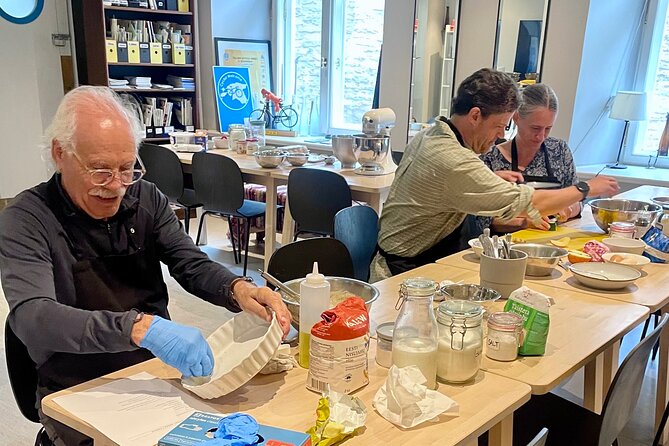
The class runs about 3 hours. That length is long enough to cover starter, main, dessert, and the shared meal, without feeling like a full afternoon commitment.
Group size is capped at 10 travelers. That’s a big deal for comfort and learning. You’ll have room to work, and you’re less likely to feel like you’re standing around while other people do the cooking.
What to bring is simple because the experience is in a local setting: come with comfortable shoes and an appetite. If you have any ingredient sensitivities, it’s worth considering that the menu is seasonal and based on local traditions. The class is designed around typical Estonian dishes, so it may not be a custom menu experience.
Service animals are allowed, and the meeting point is near public transport—good news if you’re traveling without a car or want to keep your logistics light.
Who should book this Estonian cooking class?
This is a great fit if you want:
- A hands-on meal experience in Tallinn, not just a tasting
- Traditional Estonian food with seasonal ingredients
- A small-group setting where the host can talk to you and answer questions
- Cultural context while you cook and eat, especially stories connected to Estonia’s Soviet era and later independence
You might skip it if:
- You only want sightseeing time and don’t want any cooking involvement
- You’re extremely picky about pork-based or fermented flavors
- You dislike sitting down to eat with a group, since the meal and conversation are a core part of the experience
Should you book? My practical take
I’d book this if you’re the kind of traveler who likes to leave a place with something you can repeat at home. The 3-course structure, the small group, and the fact that the menu follows the season all point toward an experience that feels personal and real.
Also, the host energy matters here. Reilika’s mix of cooking guidance and culture stories is a big reason people remember the class, not just the food. If you want Estonia through the kitchen, this is one of the more direct ways to do it.
FAQ
Where does the class start?
The class starts at Tore Toit Estonian Food Experience, located at Vene tn 33, 10123 Tallinn, Estonia.
How long is the Estonian cuisine cooking class?
The duration is about 3 hours.
Is the class offered in English?
Yes. The experience is offered in English.
What kind of meal will I cook and eat?
You’ll learn to make a typical Estonian 3-course meal: a starter, a seasonal main dish with sides, and a local dessert using seasonal ingredients.
Does the menu stay the same or change?
The menu varies depending on the season since Estonian cuisine is very seasonal.
How big is the group?
This activity has a maximum of 10 travelers.
What is the cancellation rule if my plans change?
You can cancel for a full refund up to 24 hours in advance of the experience’s start time. Free cancellation is available, but changes within 24 hours of start time aren’t accepted.