REVIEW · SWEDEN
Traditional Persian Cooking Class in Stockholm with a Local
Book on Viator →Operated by Traveling Spoon · Bookable on Viator
Persian cooking in a real home beats a restaurant. This private class in Stockholm lets you learn Iranian flavors with Mahnaz, then sit down for the meal you helped make. You start in Bromma and spend about 3 hours total in her kitchen.
I love that you cook two dishes from scratch that you choose from the menu, with hands-on guidance throughout. I also like that the experience ends with a full traditional meal served at the dining table, with alcoholic beverages and dessert.
One consideration: there’s no hotel pickup, so you’ll need to make your own way to the meeting point at Mariehällsvägen, Bromma.
In This Review
- Key highlights you’ll actually care about
- A private Persian home kitchen in Bromma
- Pick two dishes and cook with Mahnaz
- The menu basics: what you’ll learn to make
- Zereshk Polo ba Morgh and Persian rice culture
- Stuffed eggplant: hearty, herb-driven, and comforting
- Fesenjan: walnuts and pomegranate in one bowl
- Kashk-e Bademjan: the eggplant dip that teaches flavor layering
- Salad Shirazi: fast freshness with herbs and citrus
- After you cook: wine, dinner at the table, and dessert
- Price and value for a $112 private class in Stockholm
- Vegan and vegetarian options without the “replace one ingredient” feeling
- Practical tips before you go
- Who this Persian cooking class fits best
- Should you book it?
- FAQ
- How long is the traditional Persian cooking class in Stockholm?
- Is this experience private?
- What language is the cooking class offered in?
- Do you cook two dishes?
- What dishes might be on the menu?
- Can Mahnaz accommodate vegan or vegetarian meals?
- Does the included meal come with wine and dessert?
- Where do you meet, and is there hotel pickup?
- How soon will I get confirmation after booking?
- Is this experience refundable if I cancel?
Key highlights you’ll actually care about
- Private class in a local home with only your group
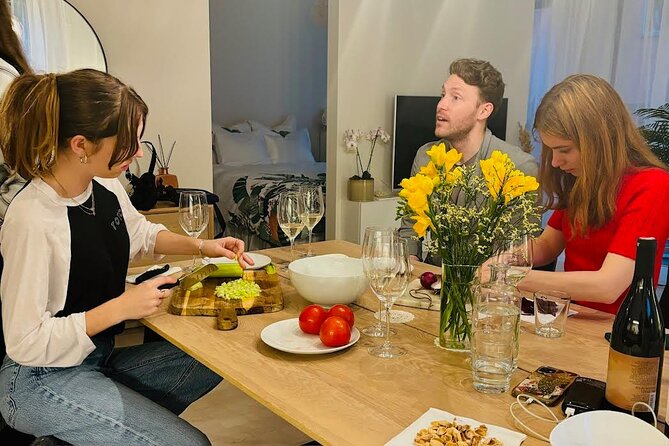
- Hands-on cooking: you’ll make two dishes from your selected menu options
- Meal included: what you cook becomes dinner at the table
- Wine and Persian dessert included with the shared meal
- Diet options available: vegan and vegetarian meals on request
- Near public transportation to keep logistics easy
A private Persian home kitchen in Bromma
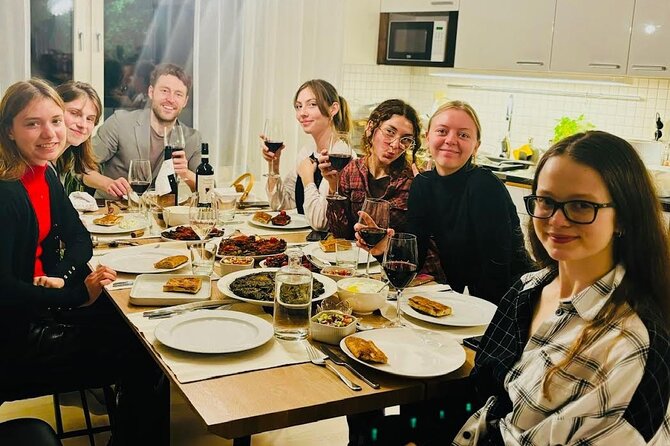
This is a true “host at home” style experience, not a classroom. You’ll meet at Mariehällsvägen, Bromma, and then spend the time with Mahnaz in her home kitchen. It’s a private tour/activity, so only your group participates, which makes it easier to ask questions and get tailored help while you cook.
The class is offered in English, so you won’t feel stuck at the “watch and hope” stage. And because it’s near public transportation, you can plan to use transit without needing a complicated transfer just to get started.
One small but important reality check: there’s no hotel pickup. So I’d treat this like a “go to a local’s address, then settle in” plan. If you’re the type who likes everything door-to-door, this one will feel slightly more work.
Pick two dishes and cook with Mahnaz
The cooking part is roughly 1.5 hours hands-on, with Mahnaz guiding you through making two dishes from the menu. The menu can vary by season, so don’t assume the exact same lineup every time. But the structure stays the same: choose two options, cook them step by step, and then eat them together afterward.
What makes this work well is the pacing. You’re not just learning recipes; you’re learning how Persian cooking builds flavor across components—rice, stews, dips, herbs, and finishing touches like dessert. Mahnaz also shares stories as you work, which helps the ingredients make more sense beyond taste alone.
Here’s the kind of food options you might choose from (examples):
- Zereshk Polo ba Morgh: barberry rice with chicken, with pistachios and almonds, and the coveted tahdig referenced as part of this dish
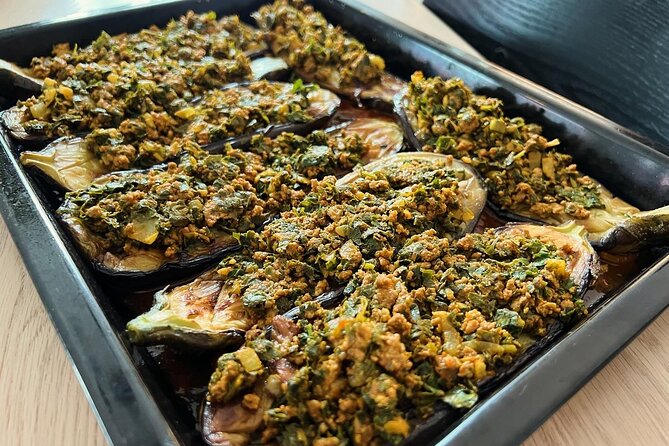
- Stuffed Eggplant: minced meat, parsley, and tomato paste inside tender eggplant shells
- Fesenjan: a stew featuring ground walnuts and pomegranate paste, typically with poultry, served with Persian-style rice
- Kashk-e Bademjan: a creamy eggplant dip made with eggplants, garlic, and whey
- Salad Shirazi: Persian cucumber and tomato with fresh herbs like mint and parsley, dressed with olive oil plus lime or lemon juice
If you’re the kind of traveler who loves spices, you’ll likely enjoy the focus on Eastern spices that show up in the way she teaches. And if you’re traveling with someone who wants lighter food, Mahnaz can offer vegan and vegetarian meals on request—tell the operator when you book.
The menu basics: what you’ll learn to make
You’ll remember this type of class because you leave with two dishes that you can picture in your head. Each one represents a different side of Persian cooking, so even if you’re not an expert now, you’ll get a clearer sense of how the cuisine fits together.
Zereshk Polo ba Morgh and Persian rice culture
If you choose Zereshk Polo ba Morgh, you’re leaning into barberry-forward flavors and a classic rice-and-chicken format. The dish is described with pistachios and almonds, plus the tahdig component called out in the menu description. What I like about choosing a rice-based main here is that you get a full meal structure in one dish: it’s the kind of centerpiece you’ll see at Persian tables.
From a practical standpoint, this is also a good choice if you want a dish that feels special but still doable with instruction. You’re not guessing what comes next; Mahnaz walks you through making it, then you see how it ends up at the dining table.
Stuffed eggplant: hearty, herb-driven, and comforting
Stuffed eggplant is listed with minced meat, parsley, and tomato paste tucked inside tender eggplant shells. It’s a strong option if you want something savory and substantial. The eggplant gives you softness, while the herbs and tomato paste keep it from feeling heavy.
This is the kind of dish that also teaches you how Persian meals balance texture: tender vegetable plus a rich filling. You’ll likely come away with better instincts for assembling components, not just following steps.
Fesenjan: walnuts and pomegranate in one bowl
Fesenjan is described as a stew with ground walnuts and pomegranate paste, served with Persian-style rice. If you pick this, you’re learning a key Persian idea: sweetness and tang often show up as part of savory dishes, not just dessert.
The “why it’s worth it” angle here is simple: walnuts and pomegranate paste together create a flavor profile that many people don’t experience at home. In a cooking class, that matters, because you get to handle the ingredients and understand how the dish comes together, not just taste it once.
Kashk-e Bademjan: the eggplant dip that teaches flavor layering
Kashk-e Bademjan is described as a creamy eggplant dip made with eggplants, garlic, and whey. I like this choice because it’s not just about cooking something hot. It’s a different texture lesson: creamy, garlicky, and built from ingredients that you can recognize quickly.
You’ll also learn how it fits into the meal. The class description pairs it with traditional flatbread and a Shirazi salad alongside. That pairing helps you see the meal as a set, not as isolated recipes.
Salad Shirazi: fast freshness with herbs and citrus
Salad Shirazi is Persian cucumber and tomato mixed with fresh herbs like mint and parsley, dressed with olive oil and lime or lemon juice. This is a great “reset” dish between heavier items. It also teaches you that Persian salads aren’t bland garnish. They’re flavor builders with herbs and acidity.
If you’re trying to pick dishes that give you variety, Shirazi is your answer. It adds crunch, herb brightness, and a clear citrus note that balances richer mains.
After you cook: wine, dinner at the table, and dessert
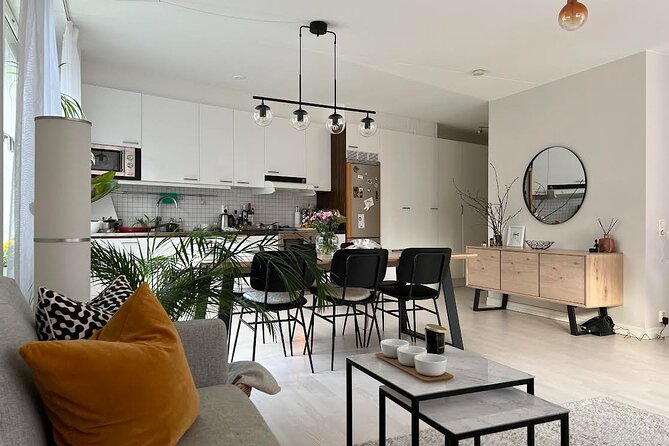
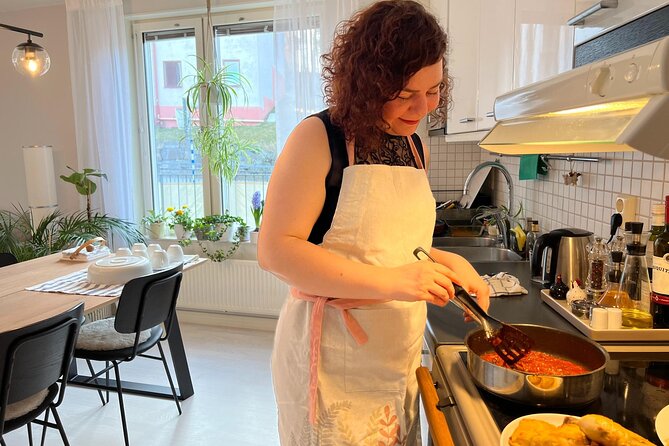
Once the cooking wraps up, you sit down to eat. The meal is traditional and includes the dishes you made, served at Mahnaz’s dining table. That sounds small on paper, but it’s a big deal in practice.
Why? Because a cooking class can be three hours of cooking and standing and then… you leave hungry or unsatisfied. Here, the structure ends with shared eating. You taste your own work right away, while the host can talk through what you’re seeing and what to look for next time.
Alcoholic beverages are included with the meal, and the experience description calls out wine specifically as part of the shared dinner. After that, dessert comes in the form of Persian ice cream in flavors of saffron, pistachio, and rose water.
That dessert matters more than it sounds. Saffron and rose water are two flavors that often feel mysterious to people who’ve only encountered them in small doses. Having them as ice cream gives you a clearer mental picture of how they taste in a familiar format.
Price and value for a $112 private class in Stockholm
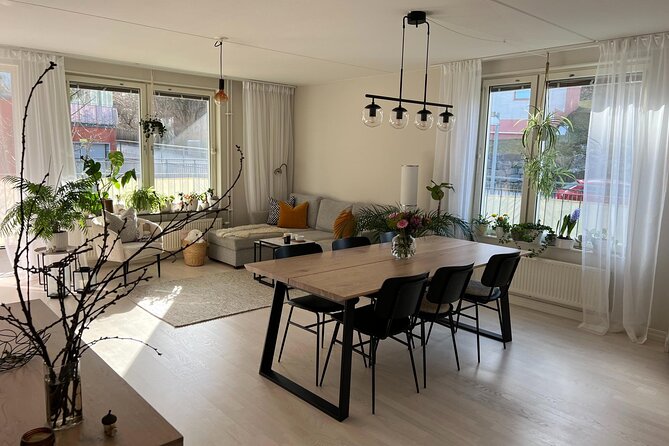
At $112 per person for about 3 hours, this isn’t a casual snack stop. You’re paying for a private, home-based teaching experience plus a full meal with wine and dessert, with taxes and fees handled and gratuities included.
Here’s the value math I’d use if I were booking this for myself:
- You get a guided cooking session (not self-tour recipes).
- You get two dishes from scratch, not a quick demonstration.
- You get a meal you actually eat, including dessert.
- You get alcoholic beverages included.
- You get a host who can explain the food and culture as you go, which is hard to replicate in a restaurant.
Also, it’s commonly booked around 20 days in advance. That’s usually a sign the date availability fills up. So if you’re planning during peak weeks, don’t wait too long.
Vegan and vegetarian options without the “replace one ingredient” feeling
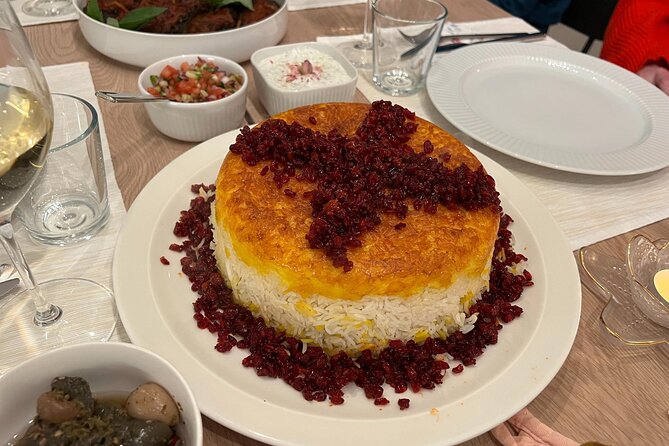
This is one of the more traveler-friendly parts of the setup. Mahnaz can offer vegan and vegetarian meals on request, and you’re asked to advise dietary restrictions or cooking preferences at booking.
What I like about that, from a practical angle, is that it suggests the meal plan can shift—not just one or two substitutions. If you’re traveling with someone who needs vegan or vegetarian food, this kind of upfront planning makes the experience feel smoother for everyone at the table.
Still, do your part: send your needs when you book. That’s the only way to keep expectations accurate, especially since the menu can vary by season.
Practical tips before you go
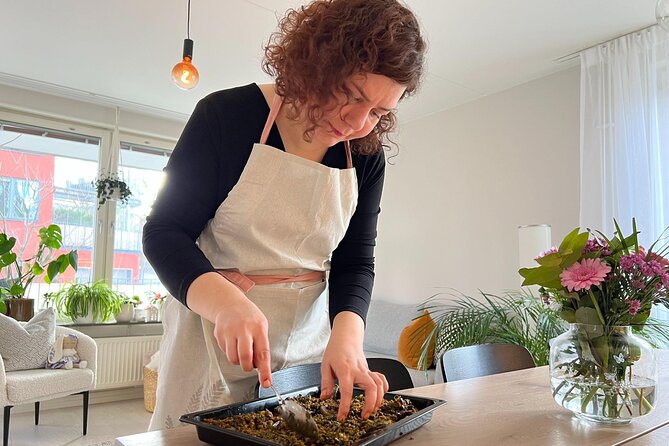
A few things make this class easier from the start:
- Bring a good hunger level. You’re cooking, then you’re eating a full dinner.
- Expect the menu to vary by season, so treat the sample dishes as likely options, not guaranteed picks.
- If you have allergies or restrictions, note them when booking. The operator asks for details at the time of reservation.
- Plan to arrive at Mariehällsvägen, Bromma, since hotel pickup and drop-off aren’t included.
- Use the mobile ticket approach, since the tour uses a mobile ticket format.
Also, confirmation is sent within 48 hours of booking, depending on availability. So if your plans are tight, double-check your message once you book.
Who this Persian cooking class fits best
This is a great match if you want food that feels personal and cultural, not staged. I’d especially recommend it for:
- Couples and small groups who want a private experience with a real host
- Travelers who like learning ingredients and technique, not just eating
- People who want a Persian dinner experience with wine and dessert, in a home setting
- Anyone who wants vegan or vegetarian food options handled in advance
If you’re the type who hates close quarters or long time in a home kitchen, you might find this more intense than a sit-down meal. But if you’re comfortable cooking with others and you like hands-on steps, it’s a strong choice.
Should you book it?
I’d book it if you want a Stockholm experience that’s actually about the food—how it’s made, what it means, and how it lands on the dining table. The private setup with Mahnaz, the ability to choose two dishes, and the fact that wine and Persian ice cream are part of the dinner all point to strong value for the money.
I’d pass only if you’re relying on hotel pickup or you’re very pressed for time and don’t want to handle getting to the meeting point yourself.
If you want an Iranian home-cooking night that feels like it belongs to a local, this one makes it easy to do it right.
FAQ
How long is the traditional Persian cooking class in Stockholm?
The class is about 3 hours in total, with roughly 1.5 hours of hands-on cooking.
Is this experience private?
Yes. It’s a private tour/activity, and only your group participates.
What language is the cooking class offered in?
The class is offered in English.
Do you cook two dishes?
Yes. You’ll cook two dishes from scratch, guided by the host, and you choose from the menu.
What dishes might be on the menu?
The experience may include options like Zereshk Polo ba Morgh, stuffed eggplant, fesenjan, Kashk-e Bademjan, and Salad Shirazi, plus Persian ice cream for dessert. Menu items can vary by season.
Can Mahnaz accommodate vegan or vegetarian meals?
Yes. Vegan and vegetarian meals are available on request. You should advise dietary preferences at booking.
Does the included meal come with wine and dessert?
Yes. The meal is served with wine and dessert, and alcoholic beverages are included.
Where do you meet, and is there hotel pickup?
You start at Mariehällsvägen, Bromma, Sweden. Hotel pickup and drop-off are not included, and the experience ends back at the meeting point.
How soon will I get confirmation after booking?
Confirmation is received within 48 hours of booking, subject to availability.
Is this experience refundable if I cancel?
No. It’s non-refundable and cannot be changed for any reason.