REVIEW · KYOTO
Kyoto Wagashi(Japanese sweets) Cooking Class near Fushimiinari
Book on Viator →Operated by Japanese cooking class & walking tour · Bookable on Viator
Tea, sweets, and a calm Kyoto room. What makes this Kyoto wagashi class appealing is the small-group setup and the English-first instruction by licensed guide interpreters, so you can follow the steps and actually taste what you made. You start in an authentic Japanese house, then roll up your sleeves to prepare classic sweets and finish with a tea break in a traditional room with garden views.
My favorite part is the hands-on format paired with a real cultural pause: you cook, then sit down and enjoy your wagashi with matcha. One thing to consider is that there’s no hotel pickup, so you’ll want to plan how you’ll get to the meeting point in Fushimi Ward.
In This Review
- Key highlights
- Kyoto wagashi cooking in a traditional house near Fushimiinari
- Meeting Miho and understanding the English-led flow
- The wagashi lesson: making about three Japanese sweets
- What the instructor demo does for you
- Cooking with a partner (and why that helps)
- Tea time in a traditional room with garden views
- Recipes you can actually use at home
- Price and value: is $79.26 worth it?
- Practical logistics: location, timing, and what to plan
- Who this wagashi class suits best
- Should you book this wagashi cooking class near Fushimiinari?
- FAQ
- How long is the Kyoto wagashi cooking class?
- Is the cooking class taught in English?
- What is included in the price?
- Are vegetarian or vegan options available?
- Do I need hotel pick-up and drop-off?
- What happens if the weather is poor?
Key highlights
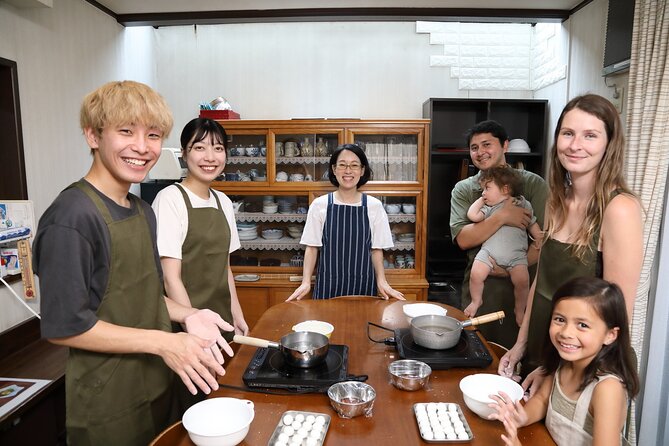
- Max 6 people means you get more attention while cooking
- Authentic Japanese house with traditional rooms for tea time
- Make about 3 wagashi after an instructor demonstration
- English instruction with licensed guide interpreters for clarity
- Recipes included so you can recreate the sweets later
- Vegetarian and vegan friendly if you tell them in advance
Kyoto wagashi cooking in a traditional house near Fushimiinari
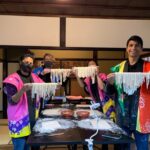
Kyoto has no shortage of food tours, but a wagashi class hits different. Instead of just watching a meal happen, you’re making Japanese sweets in an authentic Japanese style house. The whole vibe is built around slowing down: you relax first in traditional rooms, then get to work right there on site.
This class is also set up in a way that feels beginner-friendly. You’re not expected to show up with Japanese cooking skills. You’ll be guided through techniques step-by-step, then you and your partner (if you have one) will do the prep and assembly. That matters because wagashi is all about form and texture, not just flavor.
And since the location is near Fushimiinari (in Fushimi Ward), it’s a smart add-on day activity. You can visit the shrine area and then swap crowds and concrete for quiet rooms, tea, and something sweet that looks like it belongs in a manga panel.
You can also read our reviews of more tours and experiences in Kyoto.
Meeting Miho and understanding the English-led flow
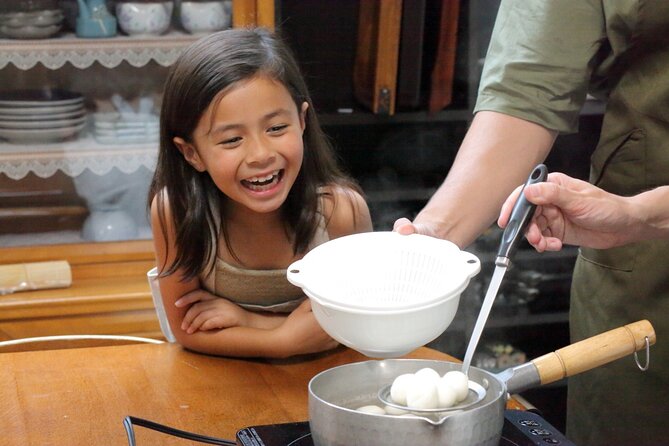
The class runs entirely in English. Even if you don’t speak much Japanese, you’ll still be able to follow along clearly because instructors are licensed guide interpreters. That’s a practical advantage, especially for cooking classes where missing one small instruction can throw off timing or technique.
In practice, you can expect a clear rhythm:
1) You start by settling into a traditional Japanese room.
2) The instructor demonstrates what you’ll make.
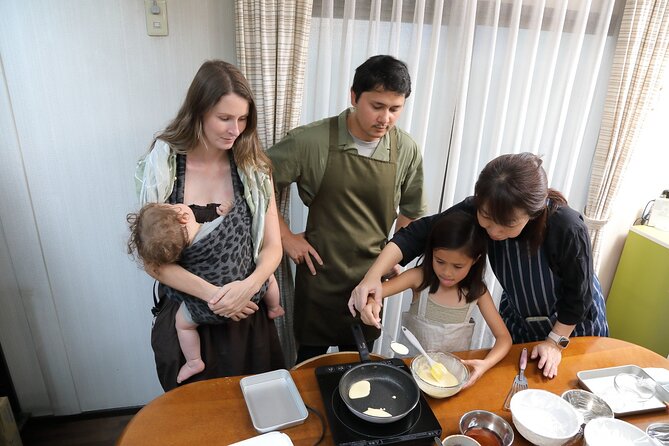
3) Then you cook your own sweets with support.
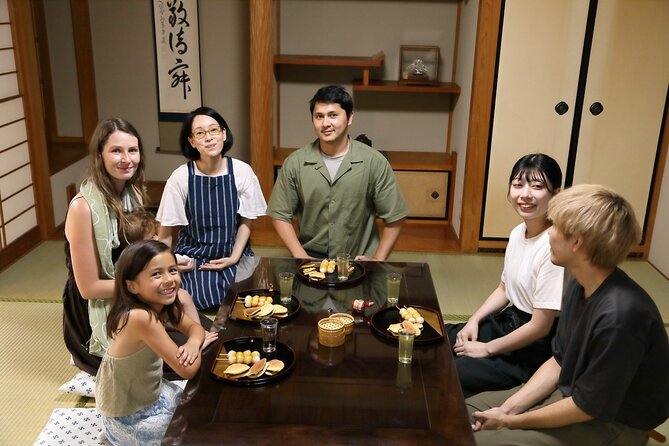
4) Finally, you sit down together to eat what you made, with a cup of macha (matcha) and tea.
You might find that the instructor teaching style is part of the magic. In the reviews, the host Miho is mentioned as organized, friendly, and easy to talk with. That combination really helps with a cooking class, because wagashi often involves small, delicate steps where reassurance keeps the group calm and moving.
The wagashi lesson: making about three Japanese sweets
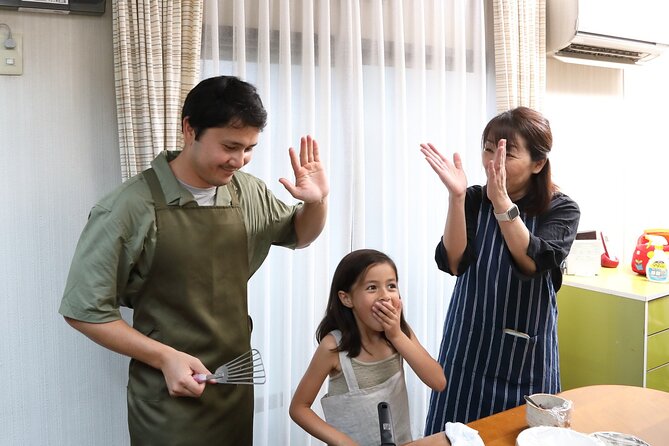
The class focuses on about three popular wagashi. The exact set can vary, but you can think of it as a guided introduction to different sweet styles and techniques—texture, shaping, and finishing all matter.
Here are the wagashi examples you should keep in mind because they show up in this class experience:
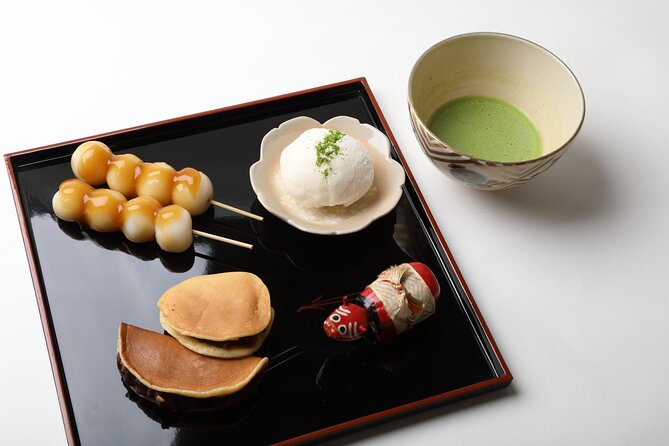
- Mitarashi dango: a chewy dango style sweet typically glazed and finished with sauce notes that balance sweet and salty.
- Black sesame mochi: a classic flavor pairing that’s nutty and deep, with the mochi texture that’s famous for being pleasantly stretchy.
You’ll do more than one step type in one session. That’s the real value of the class format. One dessert might lean more on shaping or coating, while another emphasizes mixing and handling texture. By the time you reach the end, you’ll understand how Japanese sweets can feel very different from one another even when they share common ingredients like sweet syrups, glutinous textures, and roasted flavors.
What the instructor demo does for you
Before you start cooking, the instructor demonstrates. This is important because wagashi techniques can be subtle:
- How you portion matters for consistent shapes.
- How you handle warm dough or sticky components affects texture.
- How you time the finishing step affects the final look.
Once you see the demo, you can copy the movements instead of guessing. Then you take over the cooking yourself, which is where the confidence kicks in.
Cooking with a partner (and why that helps)
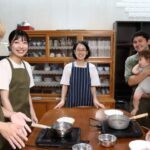
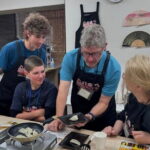
The class is small, with up to six people. That also means you’re not stuck doing everything solo. If you’re with someone, you can split tasks. If you’re alone, you still won’t feel isolated—you’ll likely share the workflow with the people at your station or move through steps with guidance.
It’s especially good for mixed ages. If you’re traveling with teenagers, this kind of structured, hands-on session often works better than a sit-and-listen activity.

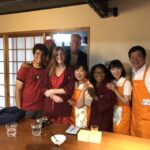


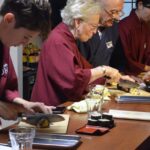
Tea time in a traditional room with garden views
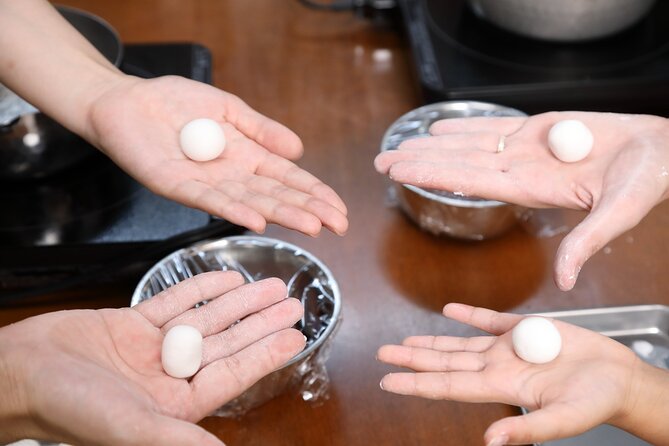
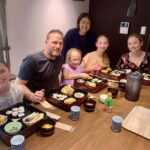
The best part of cooking classes is always what comes after: eating the results. Here, you finish by sitting together in the traditional Japanese room and enjoying your wagashi with a cup of matcha.
That tea break isn’t just included food—it’s part of how you understand the sweets. Wagashi is meant to be eaten slowly, paired with tea, and appreciated for texture and aroma as much as sweetness.
Also, the room setting matters. You’re promised a garden view from the traditional space. Even if your day in Kyoto is full of shrine paths and photo stops, this gives you a reset. It’s quiet, low-pressure, and very Kyoto in a way that’s harder to get if you only do street-food crawling.
Recipes you can actually use at home
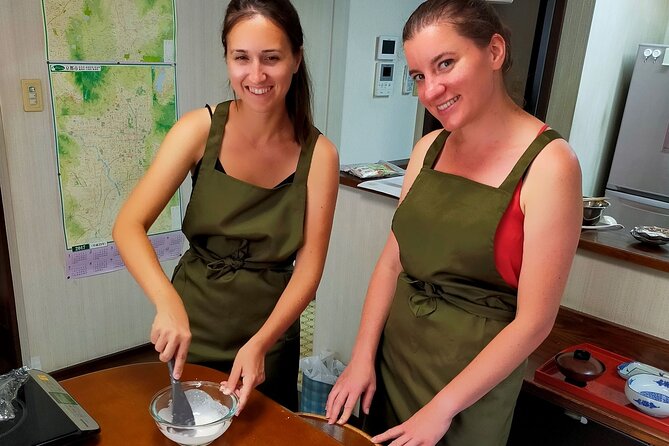
One of the most underrated things you get from a wagashi class is the recipe set. In this class, you receive the recipes for the desserts you prepare together.
That turns the class from a one-time experience into something you can repeat. It also helps you recreate the sweets for family and friends, where you can explain what you learned and share the flavors that you can’t easily find in the same form outside Japan.
When recipes are included, you’re not stuck with memory-only learning. With wagashi, that’s a big deal, because the difference between a good try and a frustrating attempt is often an ingredient ratio or a step order.
If you want souvenirs that aren’t edible, recipes are a smart option. If you want edible souvenirs, you’ll also leave with the satisfaction of tasting what you made during the session.
Price and value: is $79.26 worth it?
At $79.26 per person for about 2 hours 30 minutes, this class sits in the mid-range for Kyoto cooking activities. The value comes from what’s included and how small the group is.
Here’s what you’re paying for that actually adds up:
- All seasonings and ingredients for cooking
- Coffee and/or tea
- All fees and taxes
- An English-speaking instructor with licensed guide interpreter support
- A small-group class limited to maximum 6
- Recipes included for the sweets you make
When ingredients and recipes are included, you’re less likely to feel like you paid for a demonstration only. You’re paying for a structured cooking session where you actively make the sweets and leave with something usable.
What may not feel like value at first is travel cost and time to reach the location, since there’s no hotel pickup. But if you’re already doing Fushimi Inari and the surrounding area, it’s a good match. Plan it as a planned stop, not an afterthought.
Practical logistics: location, timing, and what to plan
The class meets at 38-4 Fukakusa Watamorichō, Fushimi Ward, Kyoto and ends back at the meeting point. You’ll need to get yourself there, and the good news is it’s near public transportation.
The total duration is listed at about 2 hours 30 minutes, which is a sweet spot for people who don’t want to lose a whole afternoon. You can usually fit it between a morning shrine visit and an evening dinner plan.
Also, you get a mobile ticket. That’s convenient, especially if you’re already juggling maps, transit tickets, and QR codes in your phone.
Finally, the class asks for good weather. If it’s canceled due to poor weather, you’ll be offered a different date or a full refund. That matters because Kyoto weather can change quickly, so if you’re traveling in shoulder season, you’ll feel better booking with flexibility.
Who this wagashi class suits best
This is a strong choice if you want hands-on Kyoto culture without needing fluency in Japanese.
It’s especially suited to:
- Solo travelers: the class is friendly and structured, and you still get plenty of interaction.
- Families with teens: the cooking and eating rhythm keeps attention, and the class is small enough to stay organized.
- Food lovers who like technique: wagashi is about process as much as ingredients.
- Veggie and plant-forward diners: vegetarian is welcome, and it’s vegan friendly with dietary restrictions shared in advance.
One thing to think about is dietary communication. If you need adjustments, you should let them know ahead of time. That’s the difference between a smooth experience and last-minute substitutions.
Should you book this wagashi cooking class near Fushimiinari?
If you want a Kyoto activity that’s calm, small-group, and genuinely hands-on, this class is a good bet. I like that it combines a traditional setting with real cooking steps and then gives you a tea-and-taste finish in the same Japanese room style.
You should book it if:
- You’ll be in the Fushimi Inari area and want something different from shrine-walking
- You care about making sweets yourself, not just watching
- You want recipes to take home
- You need an English-led class that doesn’t leave you behind
You might skip it if:
- You strongly prefer hotel pickup and door-to-door convenience
- You’re looking for a long, multi-stop walking tour instead of a focused cooking session
FAQ
How long is the Kyoto wagashi cooking class?
The class lasts about 2 hours 30 minutes.
Is the cooking class taught in English?
Yes. The class is conducted entirely in English, and instructors are licensed guide interpreters.
What is included in the price?
Included are all seasonings and ingredients for cooking, an English-speaking instructor, all fees and taxes, and coffee and/or tea.
Are vegetarian or vegan options available?
Yes. Vegetarian is welcome and the class is vegan friendly. You should let them know in advance about dietary restrictions.
Do I need hotel pick-up and drop-off?
No. Hotel pick-up and drop-off service is not included, and the activity ends back at the meeting point.
What happens if the weather is poor?
This experience requires good weather. If it’s canceled due to poor weather, you’ll be offered a different date or a full refund.