REVIEW · SYRACUSE
Sicilian Cooking Class with Greek Theatre View
Book on GetYourGuide →Operated by Empeeria · Bookable on GetYourGuide
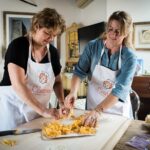
Syracuse ruins watch as you cook. This 3-hour class pairs Sicilian home-style cooking with a balcony-and-dining-room view of the ancient Greek Theatre of Syracuse. I love how the setting makes the food feel tied to place, not like a generic demo.
The experience is hands-on, from rolling pasta by hand to building sauces and finishing with a traditional dessert. You’ll also appreciate how Maria Rita and her husband Pepe (sometimes listed as Giuseppe) tailor the menu for gluten-free and other needs, so you can actually cook and eat with your group.
One possible drawback: it’s a tight 3-hour workshop. If you want a very slow, long dinner pace, this will feel more like learning and cooking nonstop than lingering.
In This Review
- Key things I’d write on your planning list
- Arriving at Maria Rita’s Home Under Syracuse’s Ancient Theatre
- What You’ll Cook: 3 Courses Plus a Traditional Sicilian Dessert
- Pasta From Scratch: The Hands-on Techniques You Actually Keep
- Sicilian Ingredients and Mediterranean Flavors With Real Purpose
- Dietary Options That Don’t Turn Into a Separate Meal
- Lunch With Local Wine, Served Where the View Changes Everything
- Price and Value: Is $113.29 Per Person Fair Here?
- Who This 3-Hour Class Fits Best (And When It Might Not)
- Should You Book This Sicilian Cooking Class With Greek Theatre Views?
- FAQ
- How long is the Sicilian cooking class?
- How many people are in the group?
- What’s included in the price?
- What kinds of menus or dietary options can you choose?
- What languages does the host or greeter speak?
- What do you make during the class?
- Is free cancellation available?
Key things I’d write on your planning list
- Greek Theatre views during the meal: you eat with ancient stone in your sightline
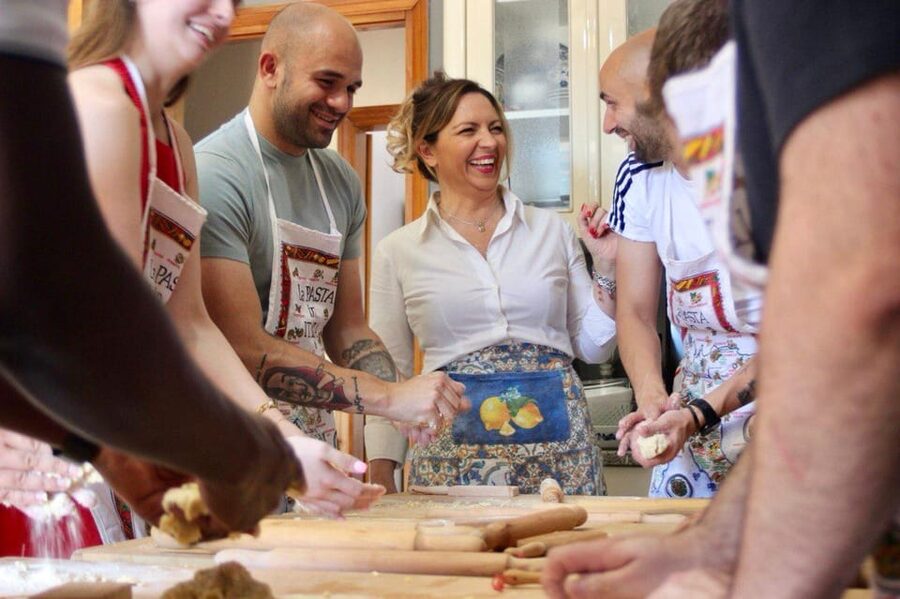
- Hands-on cooking, not just watching: pasta and other components come from your own work
- Diet swaps that keep the meal cohesive: gluten-free, vegan, vegetarian, and lactose-free options
- Small group size (max 10): easier questions, more attention, less waiting
- A full menu rhythm: 3 courses plus a Sicilian dessert, then you sit down and eat
- Local wine with lunch: the beverage is part of the full experience, not an afterthought
Arriving at Maria Rita’s Home Under Syracuse’s Ancient Theatre
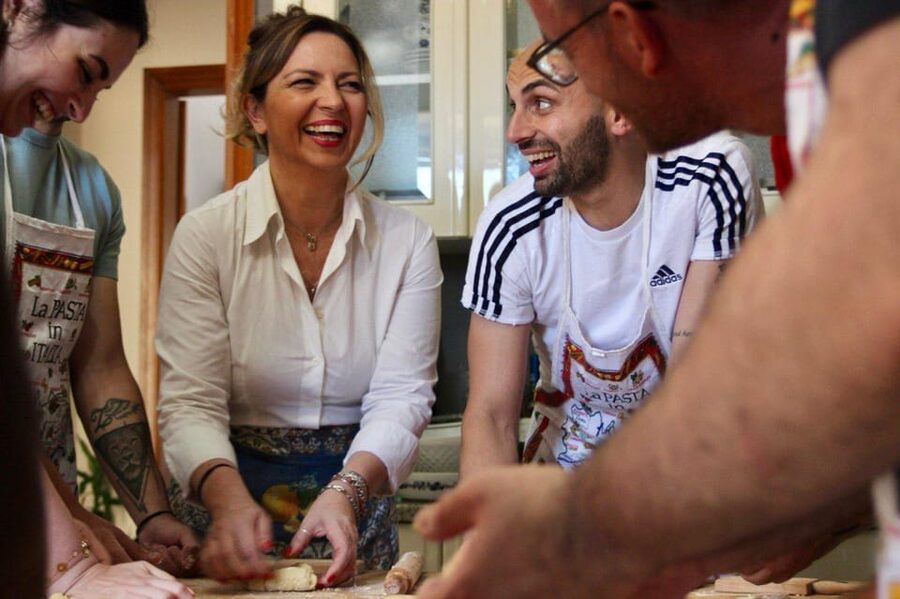
This class feels personal from the first minute. You’re not filing through a crowded kitchen or standing behind a rope. Instead, you’re welcomed into Maria Rita’s home, where the evening’s energy is warm and busy in a good way—people chatting, ingredients laid out, and everyone pitching in.
The biggest reason to choose it is the view. You’ll end up eating in a dining room (and/or balcony area) with the ancient Greek Theatre of Syracuse looking out beyond the windows and terrace. That changes the whole meal. Even if you already know the theatre matters historically, seeing it while you work through Sicilian recipes makes it feel immediate—like you’re eating with the same setting that’s been there for centuries.
Small group size also helps. Limited to 10 participants, you get more than a quick nod when you’re unsure about a technique. Maria Rita’s teaching style comes through fast: clear steps, patience, and a sense of humor that keeps the kitchen from feeling stressful.
If you’re staying in Ortigia, you’ll likely find it easy to get to with local buses, since there’s a bus stop nearby. One minor practical note: one review flagged the entry process as a little fiddly (using a bell), so don’t assume you’ll be able to just walk in without checking the meeting point details.
You can also read our reviews of more tours and experiences in Syracuse.

What You’ll Cook: 3 Courses Plus a Traditional Sicilian Dessert
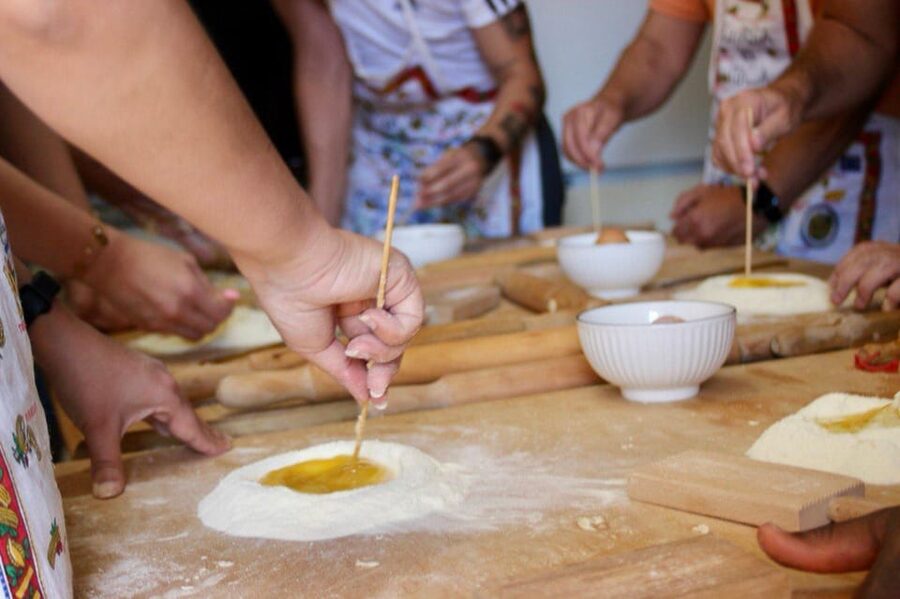
The class centers on a complete Sicilian menu: 3 courses and a traditional dessert. You’re not just making one item. You’ll learn how dishes fit together as a meal—timing, flavor balance, and how Sicilian cooking builds from simple ingredients.
Because the menu is adjustable, the exact dishes can vary, but common Sicilian stars show up again and again in the experience. Here’s the kind of menu flow you can expect:
- Course 1 (often pasta or a starter pasta dish): You may make fresh pasta by hand, then top it with something distinctly Sicilian. Multiple people mention making Sicilian pesto (including almond-basil styles) and busiate pasta, and also learning recipes like pasta alla Norma and Parmigiana-style preparations.
- Course 2 (typically a hearty main): Expect a main that can be fish, meat, or vegetable-based depending on the menu and your preferences. Reviews mention swordfish served in a breaded, sliced, stuffed style, plus baked artichokes as a companion. You might also see dishes like caponata.
- Course 3 (another course that rounds out the meal): In some menus, this includes traditional Sicilian bites like arancini, meatballs, or a second pasta course, with the dessert kept for later.
- Dessert (the Sicilian finish): Tiramisu comes up often, and cannoli (and also almond cookies in some menus) appear in the recipe sets people loved.
The key point for your planning: even if you pick a “safe” dish type (pasta, fish, vegetarian), you’ll still be working through a real menu. That’s what makes the class feel like value. You leave with recipes and techniques you can repeat, not just one lucky win.
Pasta From Scratch: The Hands-on Techniques You Actually Keep
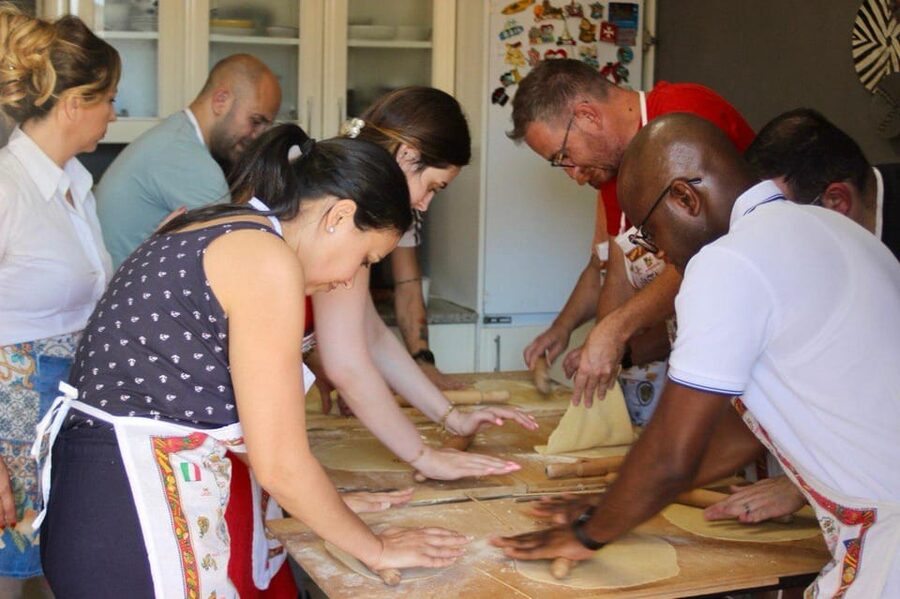
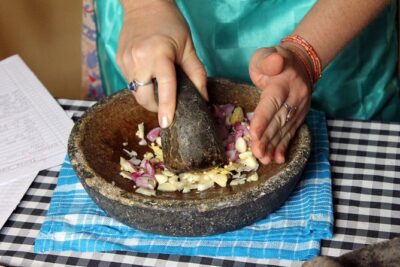
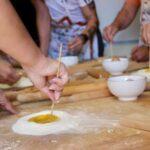
You’ll likely do real kitchen work, not just assemble. The class often includes making pasta from scratch, and several reviews mention rolling pasta by hand with no machine. That matters, because it teaches you the why behind the dough consistency and shaping.
Here’s how that usually feels for a participant:
- You start with dough or key components, then learn how to handle texture and thickness.
- You roll, cut, shape, and cook—so you see the transformation from raw ingredients to finished pasta.
- You learn timing: when to boil, when to sauce, and how to avoid the common mistake of letting everything finish at the wrong moment.
If you’re rusty in the kitchen, that’s fine. Maria Rita is described repeatedly as patient and attentive, and the class format keeps you from getting lost. If your hands are fast, you’ll move along with confidence. If you’re slower, you’ll still get there—one step at a time.
Other hands-on tasks also show up, depending on the menu. People mention working with pesto variations, building sauces for pasta dishes, and preparing components for mains like stuffed fish, arancini, or Parmigiana-style cooking. The takeaway is that you learn a toolkit of Sicilian methods, not just a list of finished dishes.
Sicilian Ingredients and Mediterranean Flavors With Real Purpose
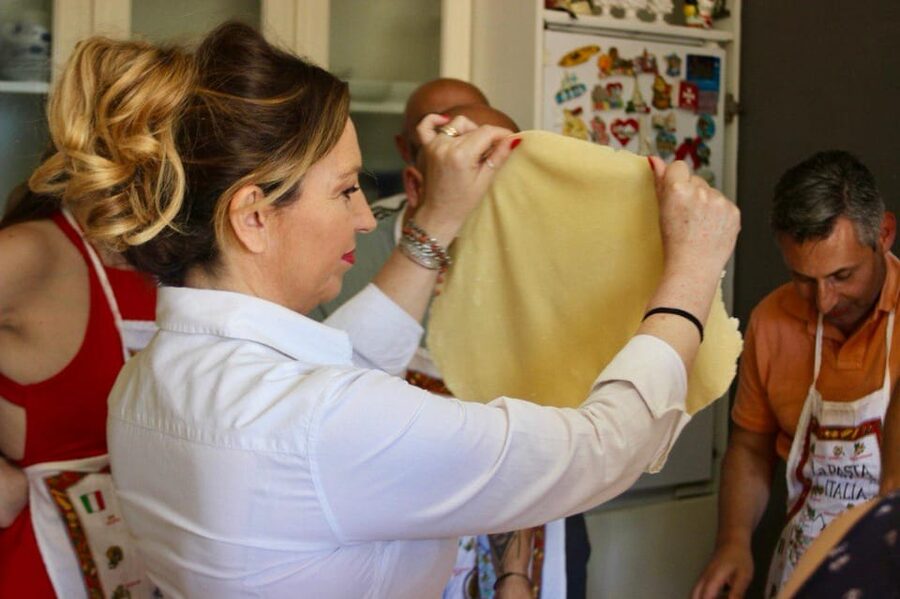
Sicilian cooking isn’t only about taste. It’s about ingredients behaving well together. This class leans on fresh, seasonal ingredients and Mediterranean recipes passed down through generations.
Why that matters for you: when the food is based on ingredients that are actually in season and chosen for this menu, the flavors tend to come out more clearly. That makes the recipes easier to repeat back home. Instead of relying on a “mystery ingredient,” you’re learning combinations you can rebuild with normal grocery options—or with region-specific ingredients if you’re willing to search a bit.
In practice, you’ll likely notice the same flavor themes again and again:
- herbs and nuts in pestos and nut-based desserts
- citrus and savory depth in vegetable dishes
- wine-friendly mains and sauces that taste like they belong at the table
It’s also a cultural thing. Cooking here isn’t treated like a stunt. It’s treated like knowledge—something families pass along, with little variations that explain why Sicilian dishes feel both familiar and unique at the same time.
Dietary Options That Don’t Turn Into a Separate Meal
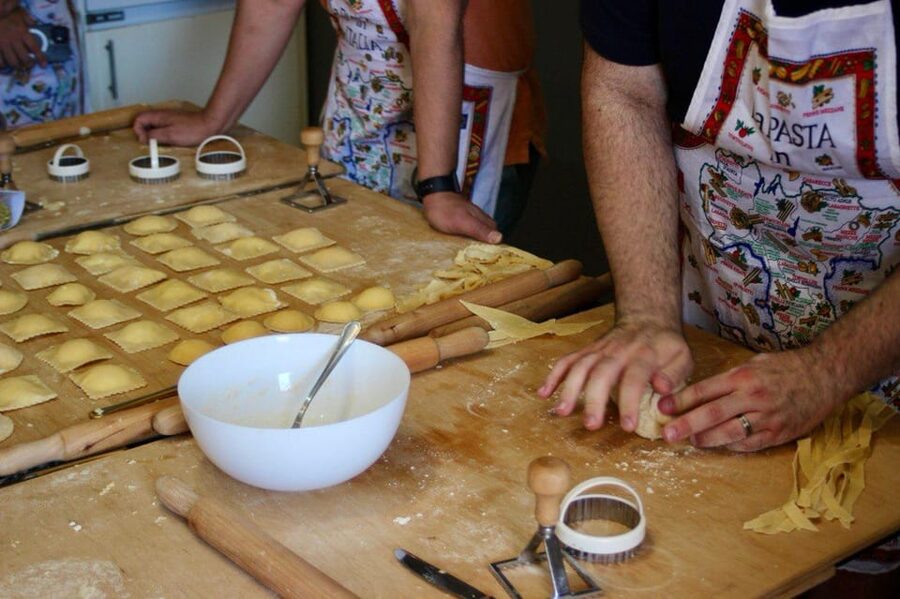
If you need a gluten-free meal, you’ll want to pay attention to this class. Reviews are very clear: Maria Rita takes gluten-free seriously and is careful about cross-contamination. People with celiac disease described feeling included and able to cook and eat the same quality of food.
The provided info also says you can choose from gluten-free, vegan, vegetarian, or lactose-free options. In the kitchen, that usually means smart swaps that keep the course structure intact. You’re still doing a menu, not getting a sad plate of substitutes.
A few examples that show how the class handles restrictions without lowering the bar:
- Gluten-free participants described making gluten-free pasta versions that still felt delicious, not like a compromise.
- Lactose intolerance substitutes were reportedly made for each dish, including dessert like tiramisu.
- Vegan and vegetarian participants noted thoughtful menu planning using traditional Sicilian dishes that can be naturally vegan when prepared the right way.
So what should you do? Mention your dietary needs when booking, and be specific about what you avoid. This type of customization works because the host plans ahead, and the small group format makes it easier to keep everyone on track.
Lunch With Local Wine, Served Where the View Changes Everything
After you cook, you eat what you made. That’s not a side perk. It’s the point.
You’ll sit down in an elegant dining room setting and enjoy your dishes along with excellent local wine (and a beverage is included in the experience). The wine pairing matters because Sicilian menus tend to be bold in their savory flavors—herbs, olive oil, fish or hearty mains, and sauces that can handle a dry glass.
And yes, the view is part of the meal. One review called the balcony view lovely, and another described the ruins feeling visible from the dining table area. Even if you’re not a big ruins person, you’ll still react to the combination: warm plates from your own hands, plus a serious ancient backdrop.
Practical tip: plan to be present in the dining room. It’s tempting to keep photographing. But the dishes come in sequences, and the pace is part of the 3-hour rhythm.
Price and Value: Is $113.29 Per Person Fair Here?
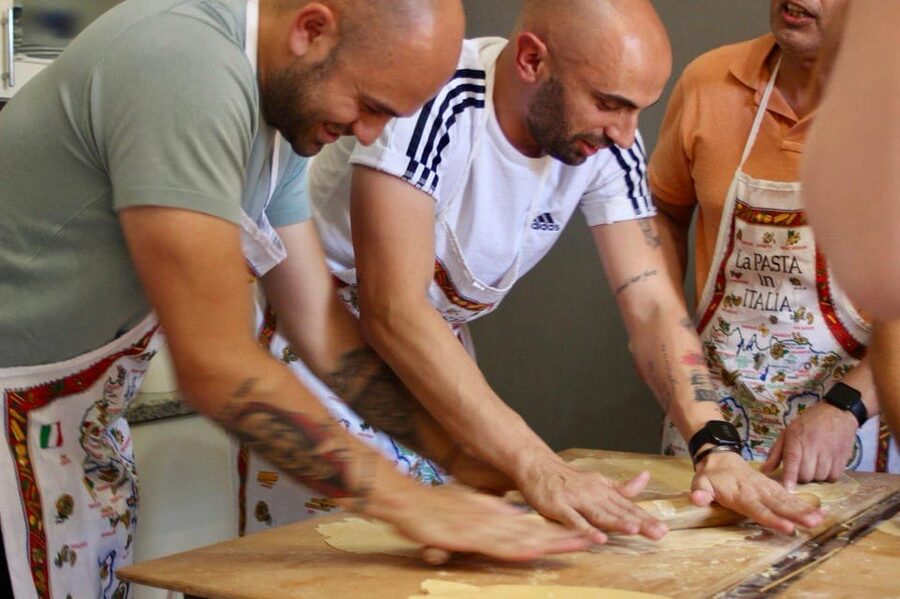
At $113.29 per person, this isn’t a budget cooking class. But it also isn’t a bare-bones pasta lesson.
You’re paying for several things that add up:
- A small group capped at 10, which usually means more hands-on instruction
- A full 3-course menu plus dessert, not just one dish
- Fresh seasonal ingredients used during the cooking process
- Lunch and beverages, including local wine
- Dietary customization for gluten-free, vegan, vegetarian, and lactose-free needs
If you compare it to the cost of eating out in Syracuse plus a cooking workshop, it can start to feel fair—especially if you’re someone who actually plans to cook at home afterward. The best value is for people who want recipes and technique, not just a one-time meal.
Also, the 3-hour length helps. You’re getting a full experience without turning it into a whole afternoon of wandering. You finish with food, wine, and a real skill set to take home.
Who This 3-Hour Class Fits Best (And When It Might Not)
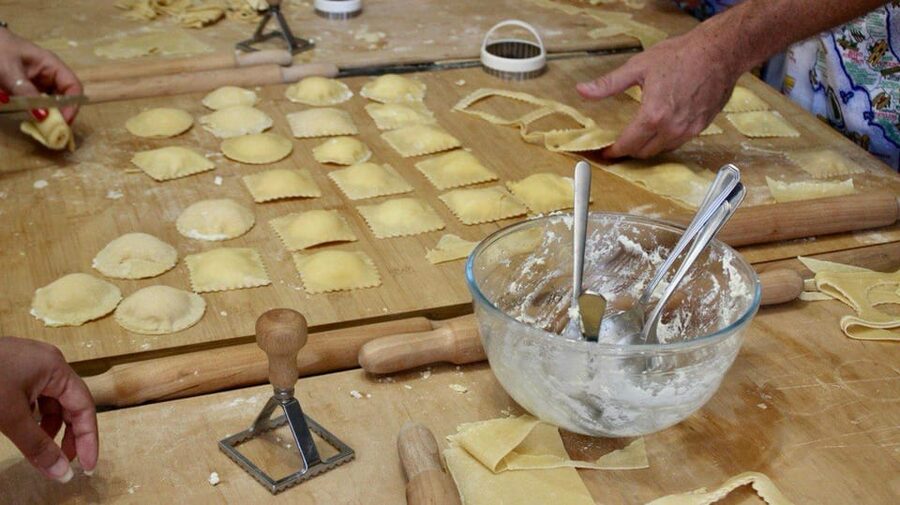
This class is a strong match if you:
- want a hands-on cooking experience in Syracuse
- like Sicilian cooking enough to learn how it’s built (pasta, sauces, mains, dessert)
- need dietary accommodations and want them handled carefully
- enjoy small-group interactions with a home-cooked feel
It may feel less ideal if you:
- want a long, slow sit-down meal with minimal kitchen work
- hate structured timing and prefer freeform travel
- expect a large group “show” format with lots of watching rather than doing
For families, there are hints in the reviews that kids can enjoy it too (one mention involved a 12-year-old who liked the pasta-making and tiramisu). The class still runs like a real workshop, so it’s best if kids are comfortable participating.
Should You Book This Sicilian Cooking Class With Greek Theatre Views?
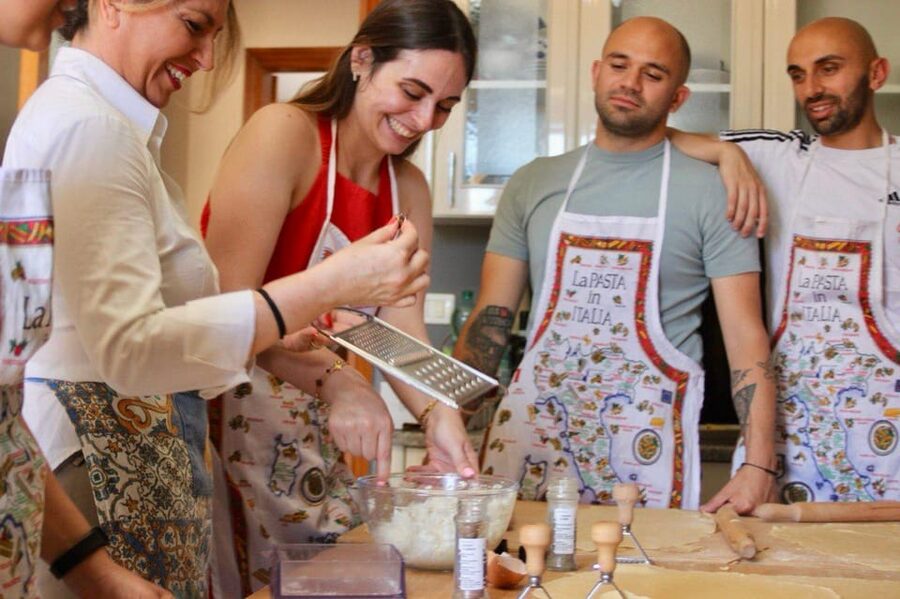
I think it’s worth booking if you’re going to be in Syracuse and you want one activity that gives you both food skills and a setting you’ll remember. The combination is rare: you cook a complete menu, get local wine with lunch, and eat with the ancient Greek Theatre as your backdrop.
Before you book, do two quick checks:
- Make sure your dietary needs are included when you reserve, especially if you’re gluten-free or have celiac concerns. This class is set up for customization, but you still need to tell them what you require.
- Choose the slot that fits your day. Since it’s 3 hours and moves through multiple courses, you’ll enjoy it more if you’re not racing to another commitment right after.
If you want a memorable Syracuse evening that feels local—more like being invited into a Sicilian home than doing a tourist task—this one makes a lot of sense.
FAQ
How long is the Sicilian cooking class?
The class lasts 3 hours.
How many people are in the group?
It’s a small group limited to 10 participants.
What’s included in the price?
The experience includes the cooking class, fresh seasonal ingredients, lunch, and a beverage.
What kinds of menus or dietary options can you choose?
Menus can be customized with gluten-free, vegan, vegetarian, or lactose-free options.
What languages does the host or greeter speak?
The host or greeter speaks English, Italian, and Spanish.
What do you make during the class?
You prepare a 3-course menu and a traditional Sicilian dessert.
Is free cancellation available?
Yes. You can cancel up to 24 hours in advance for a full refund.