REVIEW · DRIOS
Greek Cooking Class with a Local Chef, Wine, & Meal in Drios
Book on GetYourGuide →Operated by Maria Anousaki - Anezina Village · Bookable on GetYourGuide
Dinner and dance in Paros, taught by locals. I love the way chef Maria Anousaki works from her grandmother’s recipes, and I love that you’re not just watching—you make a full six-course meal, paired with wine and local souma. It’s hands-on, lively, and genuinely Paros.
One catch: transportation isn’t included, so plan how you’ll get to Anezina Village in Drios and arrive on time. Once you’re there, the evening moves fast—from a welcome pour, to chopping and cooking, to sitting down together for what you made.
In This Review
- Key highlights that make this class worth your time
- Entering Anezina Village in Drios: where the evening starts
- Aperitif first: Greek wine and souma while you get your bearings
- The six-course cooking plan: appetizer, salad, three mains, dessert
- How the stations usually work in practice
- Dietary needs: what gets adjusted
- Meat, fish, vegetarian mains: learning Greek techniques, not just recipes
- Syrtaki-style dancing while dinner cooks
- Sitting down to the meal: tasting what you built
- Take-home recipes: turn the experience into a real dinner at home
- Price and value: is $136 per person fair?
- Who this class fits best (and who should think twice)
- Before you go: what to plan so the evening runs smoothly
- Should you book the Greek Cooking Class in Drios?
- FAQ
- How long is the cooking class in Drios?
- What’s included in the price?
- Where do I meet for the class?
- What languages will the instructor use?
- Can they accommodate dietary restrictions?
- Is transportation included from your hotel?
- Is the activity wheelchair accessible?
Key highlights that make this class worth your time
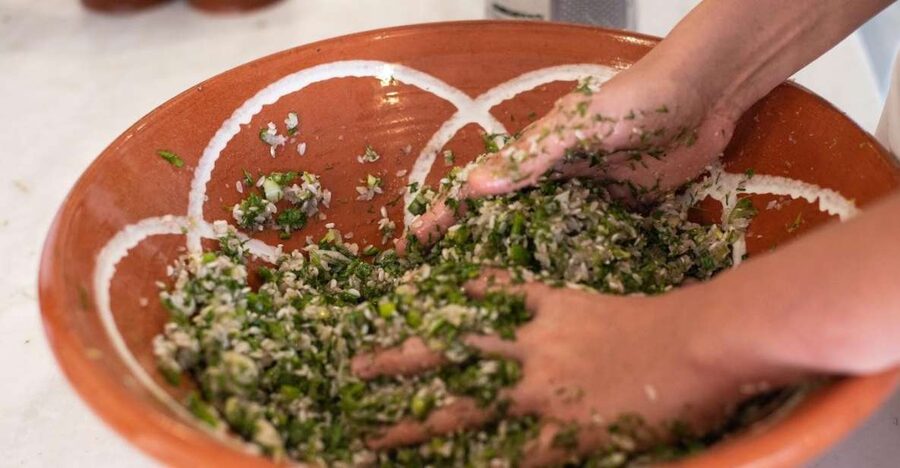
- Family-style cooking with recipes from the chef’s grandmother, so the food feels personal, not generic
- Six dishes in 3.5 hours: appetizer, salad, meat main, fish main, vegetarian main, and dessert
- Wine and souma included, so you’re sampling local drinks while you cook
- Greek dancing (Syrtaki-style) built into the flow, not a random add-on
- Dietary needs handled (menu changes for allergies; vegetarian and gluten-free supported where possible)
- Take-home recipes sent after the class so you can recreate it later
Entering Anezina Village in Drios: where the evening starts
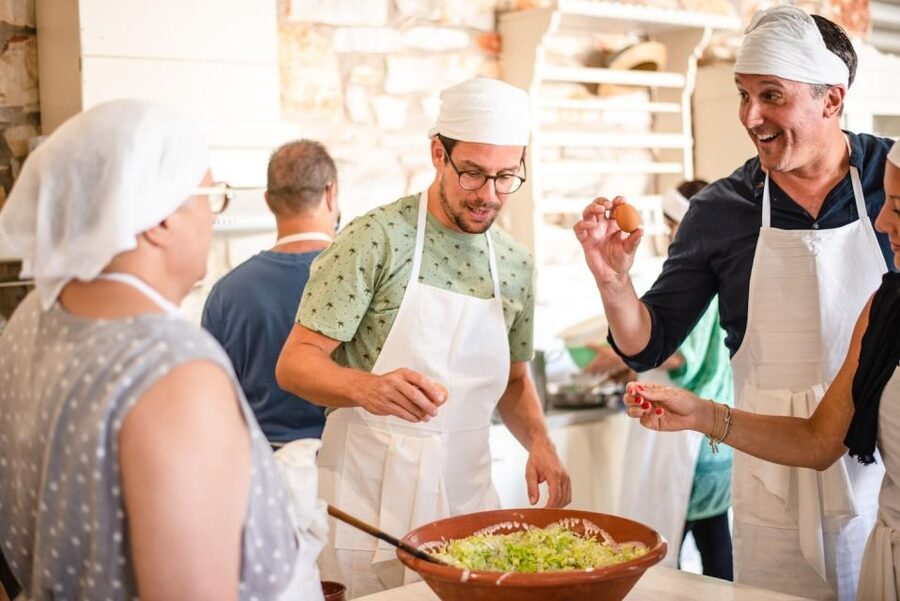
This experience is centered in the village of Drios on Paros, not in a tourist strip. That matters. You feel like you’ve stepped into someone’s world, because the class is set up around a homey, communal kitchen rhythm rather than a showroom demonstration.
Your start point is in Drios: look for the Anezina Village sign on the main road, then check in at the Anezina Hotel & Village staff. If you’re using a taxi, build in a few minutes for the last bit of navigation. If you’re renting a scooter, consider that you’ll need to park and walk in the village before cooking starts.
The class language support is English and Greek, which helps if you want to follow along closely while still understanding the why behind the flavors. And based on the overall energy of the team, the instruction style tends to be practical: everyone gets a job, and nobody gets left standing around.
You can also read our reviews of more tours and experiences in Drios.
Aperitif first: Greek wine and souma while you get your bearings
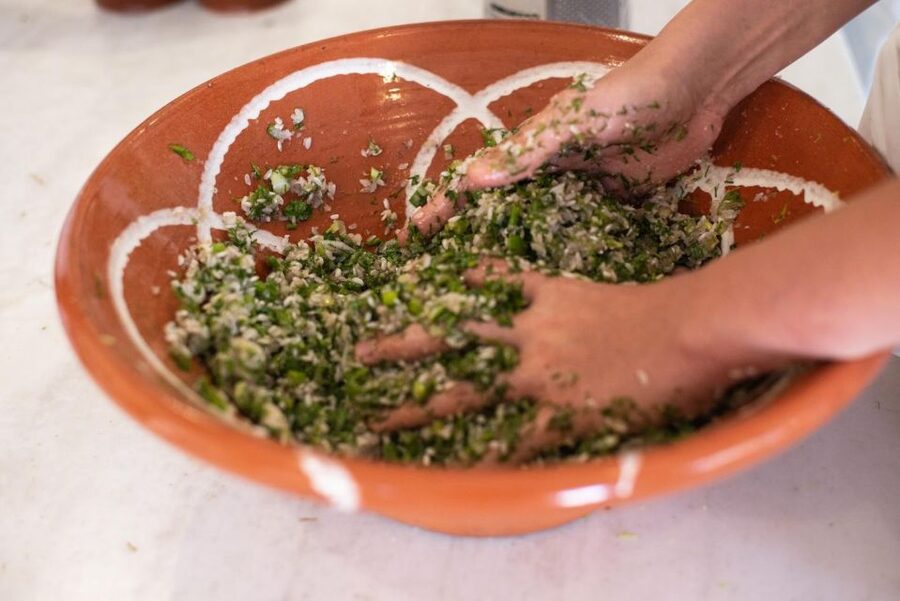
Before you lift a knife or stir a pot, you begin with a welcome aperitif. This is where you get your first sip of Greek wine and souma, a traditional liquor made from the leftovers of winemaking. It’s one of those tastes that helps you understand Greek drinking culture: it’s not about hiding flavor with sweetness. It’s about enjoying what the island makes.
You’ll also hear explanations as the evening starts—why certain dishes show up, what ingredients matter, and how family traditions shaped the menu. This part isn’t just storytelling. It sets expectations for the cooking to come so you know what you’re aiming for while you’re working.
If you prefer lighter drinks, pace yourself. There’s more wine later with the meal, and you’ll be moving around during cooking and dancing. Not a problem—just a planning note so you stay comfortable for the full 3.5 hours.
The six-course cooking plan: appetizer, salad, three mains, dessert
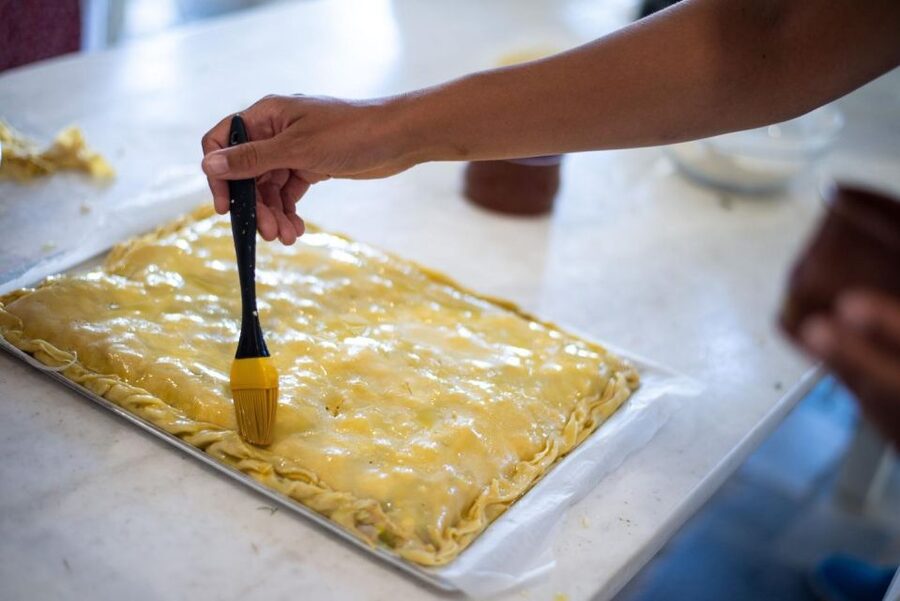
The cooking portion is structured like a real meal. You’ll make enough for a full dinner and you’ll cover a range of Greek styles: fresh and herby, then deeper savory mains, then something sweet to close it out.
Here’s what you can expect to make:
- Appetizer: a starter to set the table
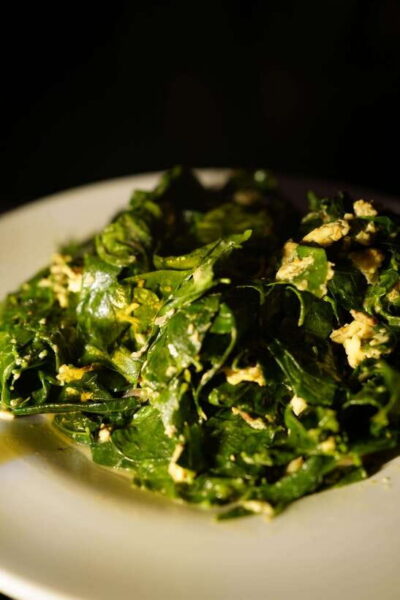
- Fresh salad: bright, ingredient-forward, and usually the easiest place to spot what makes Greek cooking feel crisp
- Three mains: one meat, one fish, and one vegetarian dish
- Dessert: the sweet finish that makes the whole class feel complete
What I like about this structure is that it matches how Greek meals actually unfold. You don’t just do a single dish like a cooking demo workshop. You practice building an entire plate, which means you’ll remember techniques better—and your leftovers (or your next homemade Greek night) feel more authentic.
How the stations usually work in practice
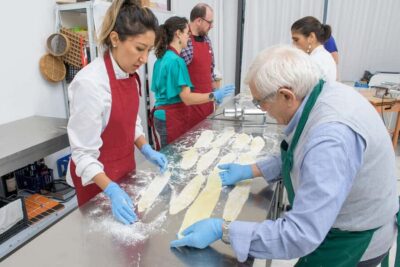
The format is hands-on, and many people end up working at different stations during the class. The kitchen setup is kept tidy and organized, and the team tends to keep things moving so you’re not waiting on one long line.
You’ll also get step-by-step help. When you’re cooking with others, the biggest challenge is timing—so the staff keeps you on track with what to do next. In the past, I’ve seen cooking classes where the host keeps control too tightly; this one feels more like you’re learning by doing, while someone experienced keeps the process from turning chaotic.
Dietary needs: what gets adjusted
The menu can change if you have allergies or dietary requirements, including vegetarian and gluten-free needs. If you have multiple constraints, send them ahead of time so the kitchen can plan adjustments early. From the class atmosphere, the goal seems to be inclusion, not a last-minute workaround.
Also, if instruction accessibility matters to you, you might find the team supports understanding in different ways (for example, subtitles where possible). That’s useful if Greek vocabulary is new to you and you want to follow along quickly.
Meat, fish, vegetarian mains: learning Greek techniques, not just recipes
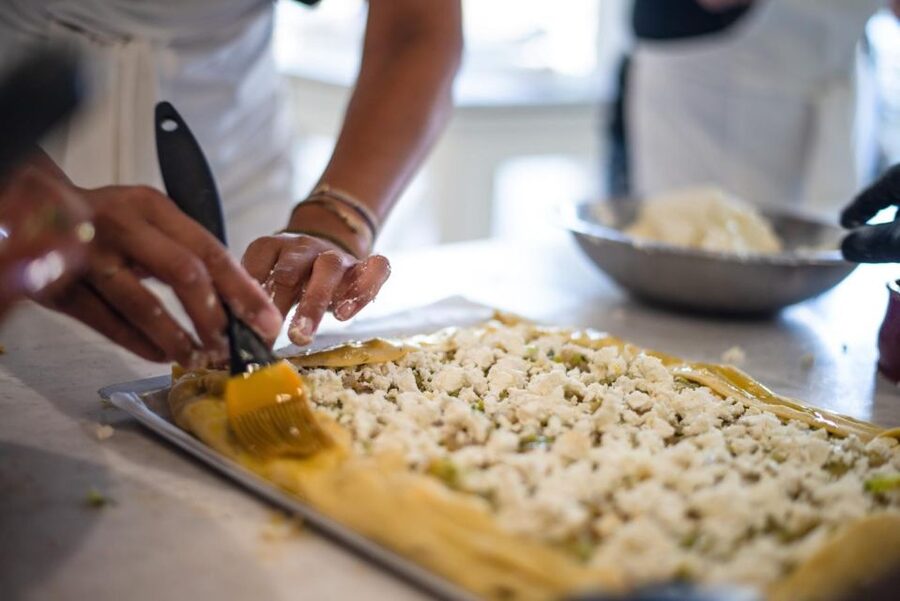
One of the best values here is that you get repetition across the evening. You’re not memorizing one complicated recipe; you’re learning how Greek flavors come together across different ingredients and cooking styles.
Even without getting overly technical, you can expect to practice the basics that matter in Greek home cooking:
- balancing seasoning so flavors don’t taste flat
- working with fresh ingredients so things stay bright
- understanding how meat and fish each need different attention
- keeping the vegetarian dish satisfying, not treated like an afterthought
And because the chef’s recipes are tied to family use—passing down kitchen decisions—there’s a sense of authenticity. You’re not trying to guess what a dish should taste like; you’re cooking with guidance that points you toward the end result.
Syrtaki-style dancing while dinner cooks
This class doesn’t treat dancing like a gimmick. It’s scheduled into the experience when you’d otherwise be waiting—so it feels like a natural break in the workflow.
You’ll learn a traditional Greek dance with the team’s guidance. Many people end up doing Syrtaki-style steps, and the energy is very “group moment.” It’s also a smart time-saver: your food can keep cooking while you take part in something fun and physical.
If you’re worried you’ll be stuck watching others, don’t. The setup encourages everyone to participate, and the staff keeps things friendly and moving so you’re not afraid to try.
Sitting down to the meal: tasting what you built
After the cooking, you eat the fruits of your work: a six-course meal made by the group. This is where the class payoff lands. All that chopping and seasoning matters because you’re tasting the final version together.
The meal is paired with more local wine, so you can match sips to each course in a way that feels natural. The pairing is simple—wine alongside what you cooked—rather than overly fussy. That’s exactly what you want for a class that’s also about fun and connection.
And yes, there’s usually a lot of conversation. The class setup helps you mingle without feeling forced, because you already share something concrete: food.
Take-home recipes: turn the experience into a real dinner at home
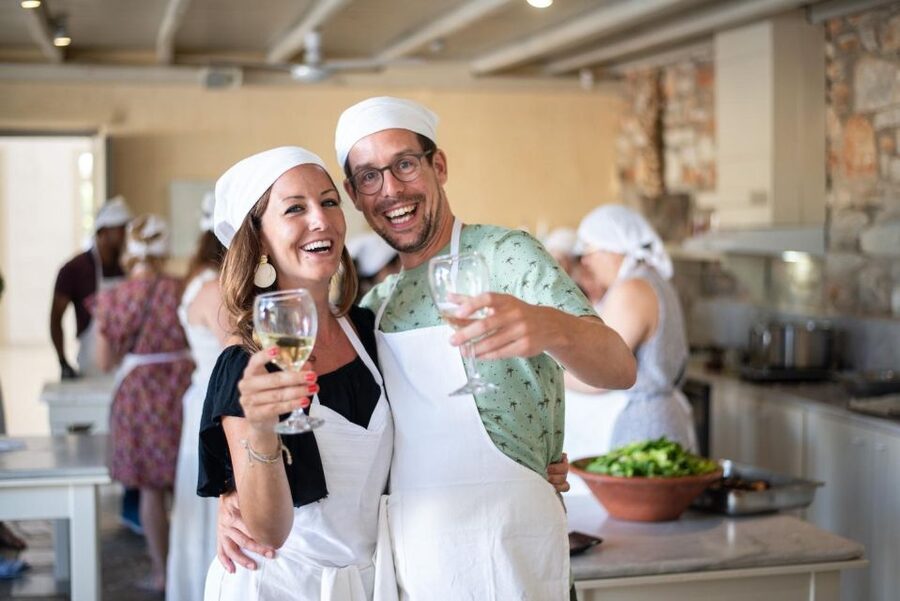
At the end, you don’t just walk away with photos. You get recipes sent to you so you can recreate the dishes later.
This is one of the most practical parts of the whole experience. A lot of activities end when the meal ends. Here, the recipes give you a second event later—your own Greek cooking night—so the value stretches beyond the 3.5 hours.
When you’re shopping back home, those recipes also help you remember what mattered in the flavor. You can buy better olives, choose similar herbs, and copy the dish logic instead of guessing from memory.
Price and value: is $136 per person fair?
At $136 per person, you’re paying for more than a cooking lesson. You’re paying for:
- guided, hands-on work for a full dinner format (not just one dish)
- included wine and souma
- staff support and a structured experience over 3.5 hours
- the meal itself (what you make)
- recipes to take home
For many visitors, the biggest value is the whole package: you leave with cooking skills, you eat well without extra restaurant costs, and you get drinks included. If you were to recreate even half of this—ingredients, guided instruction, and dining—it would add up fast.
Where the price can feel higher is if you only want a light taste and don’t care about cooking or dancing. But if you want a proper evening with real meals and real instruction, this is the kind of activity that tends to feel worth it.
Who this class fits best (and who should think twice)
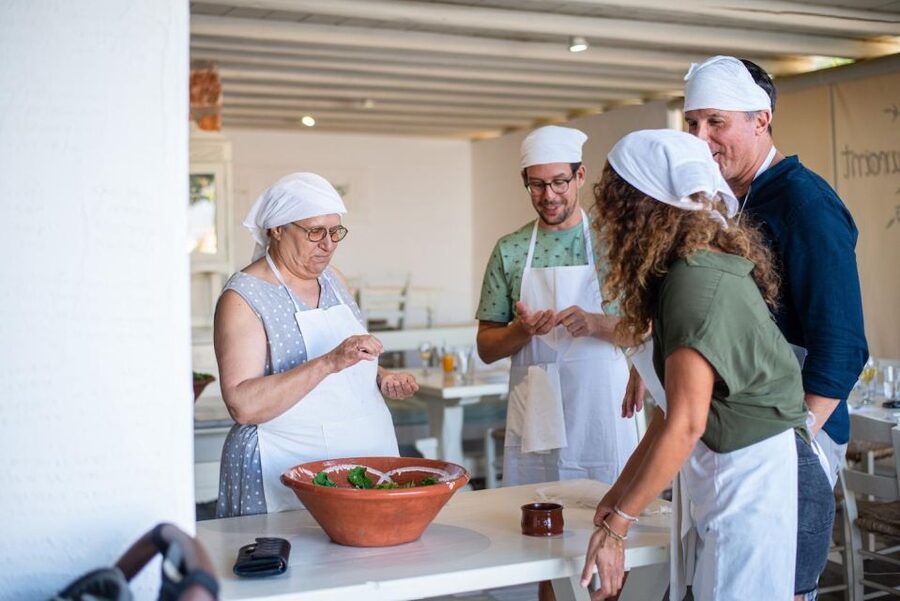
This is a great fit if you:
- like hands-on activities more than passive tours
- want a meal that feels like Paros, not just a restaurant experience
- enjoy meeting people while doing something practical
- want to cook Greek food later, using real recipes
It may not be your best match if you:
- strongly dislike alcohol-based tastings (wine and souma are part of the experience)
- need minimal movement during the evening (you’ll cook and learn a dance step)
- want transportation handled for you (you’ll plan your own way to Anezina Village)
If you’re traveling solo, the class vibe is designed so you’re not alone. You’re cooking in a group, and the rhythm pushes interaction naturally.
Before you go: what to plan so the evening runs smoothly
A few simple things will make the experience better:
- Arrive early enough to check in and settle before the first sip
- Wear comfortable shoes. You’ll stand, chop, and move around during cooking and dancing
- Mention allergies and dietary needs ahead of time so the menu can adjust
- If you’re sensitive to alcohol, pace your drinks—there’s wine with the aperitif and again with the meal
Also, the class is wheelchair accessible, which is a good thing to know upfront if mobility matters for your group.
Should you book the Greek Cooking Class in Drios?
I’d book this if you want your Paros evening to be more than sitting down to eat. The combination of family recipes, six-course hands-on cooking, local wine and souma, and group dancing makes it feel like an event, not a checklist.
If you’re the type who thinks, I want to learn something I can use, this one helps you do that—especially because the kitchen sends recipes after. And if you’re traveling with a partner or friends, it’s easy to enjoy because everyone can contribute at different stations.
Just be sure you can handle the one planning detail: getting yourself to Anezina Village in Drios.
FAQ
How long is the cooking class in Drios?
The class lasts about 3.5 hours.
What’s included in the price?
It includes a local chef, the cooking class (appetizer, salad, meat main, fish main, vegetarian main, and dessert), wine and souma, and the meal made during the class, plus recipes to take home.
Where do I meet for the class?
Meet at Anezina Village in Drios. Look for the Anezina Village sign on the main road, then check in at Anezina Hotel & Village staff.
What languages will the instructor use?
The class is taught in English and Greek.
Can they accommodate dietary restrictions?
Yes. The menu can change due to food allergies or dietary needs such as vegetarian, vegan, or gluten free.
Is transportation included from your hotel?
No. Transportation to the meeting point is not included.
Is the activity wheelchair accessible?
Yes, the experience is listed as wheelchair accessible.