REVIEW · SYRACUSE
Arancino Cooking Class in Ortygia Syracuse
Book on GetYourGuide →Operated by Do Eat Better Experience · Bookable on GetYourGuide
Syracuse teaches you arancini by hand. In Ortygia, this Arancino cooking class (about 1.5 hours) is a hands-on route to arancini you can actually reproduce later, with guidance from local food pros and a tasting at the end. I especially like the small-group setup and the way the team (often led by Maria, with Massimo also helping) talks you through Syracuse and Sicilian cooking as you go. One thing to consider: a portion of the work—like breading and frying—may be handled by the chef, so the amount of rice-ball forming you do depends on timing and flow.
This class is based in a cozy space near the water in Ortygia, and the meeting point is easy to find: in front of Banco di Sicilia. If you want a fun food lesson with an aperitivo of Sicilian classics (not a long, heavy “cook-a-lot” workshop), this format is usually a good match.
In This Review
- Key Highlights You’ll Notice Right Away
- Ortygia Syracuse: why an arancino class feels different here
- Meeting the team: Maria’s food stories and Massimo’s hands-on help
- The 1.5-hour flow: from rice shaping to a classic Sicilian finish
- What you’ll taste: caponata, parmigiana, and the sweet finish
- Hands-on vs show-kitchen: how to set expectations (and get more from it)
- Price and value in real terms: what you’re paying for
- Who this class suits best (and who should think twice)
- Quick practical tips before you go
- Should you book the Arancino Cooking Class in Ortygia Syracuse?
- FAQ
- Where is the meeting point?
- How long is the Arancino cooking class?
- How many people are in the group?
- What language is the guide?
- What dishes are included in the tasting?
- Is this experience suitable for wheelchair users?
Key Highlights You’ll Notice Right Away
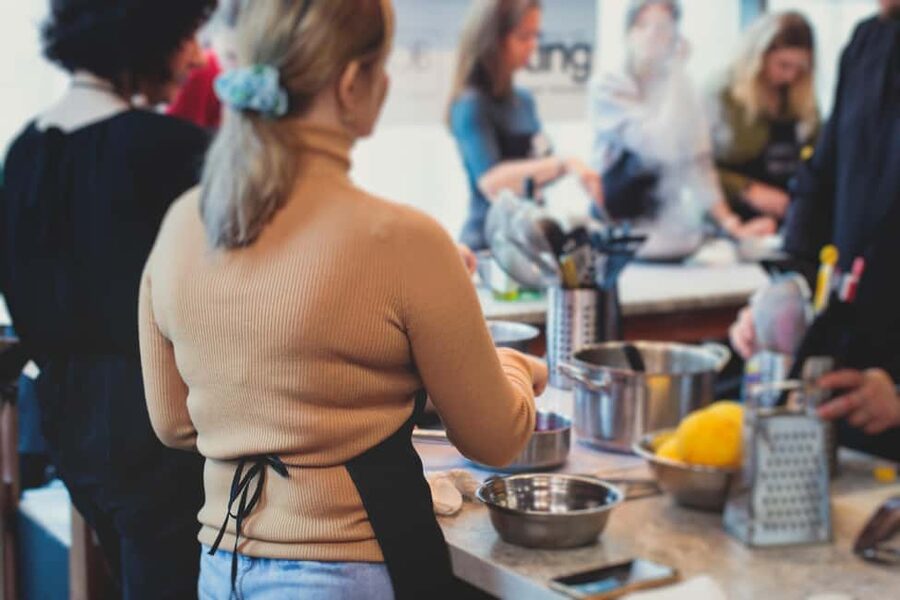
- Hands-on arancini technique: you’ll be guided through making the traditional rice ball stuffed and shaped the Sicilian way
- Small-group limit (10 max): more chances to ask questions while you work
- Maria and Massimo’s kitchen energy: friendly explanations and practical help during the process
- Aperitivo tastings included: arancino and other Sicilian sides like caponata or parmigiana
- English and Italian guide support: you can follow along comfortably even if your Italian is rusty
- Comfort matters: comfy clothes and shoes make the lesson much easier to enjoy
Ortygia Syracuse: why an arancino class feels different here
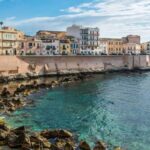
Ortygia isn’t just a backdrop. It’s the kind of place where food is part of daily life, not a staged “tour meal.” So when you do an arancino lesson there, it feels less like a generic cooking demo and more like learning a local habit.
This class is also built for people who want a break from sprinting around sights. You’re in one place for about 1.5 hours, working with familiar Sicilian ingredients and techniques. That alone makes it good value for a day already full of walking.
And the focus is clear: arancini first. Not “maybe we’ll get to the real thing.” You’ll learn the traditional process and then taste what you made alongside other local favorites.
You can also read our reviews of more tours and experiences in Syracuse.
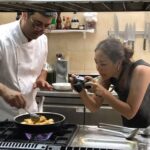
Meeting the team: Maria’s food stories and Massimo’s hands-on help
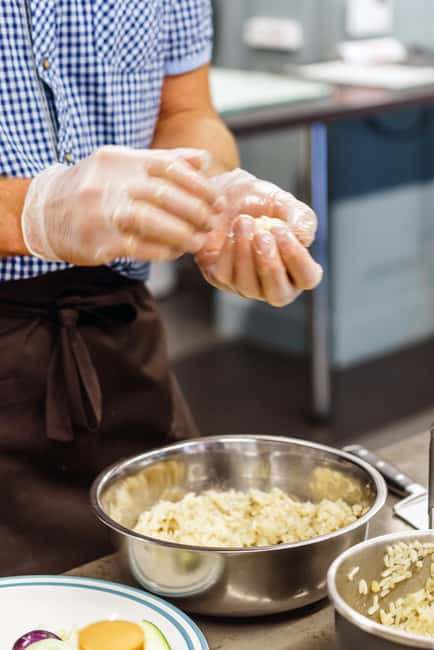
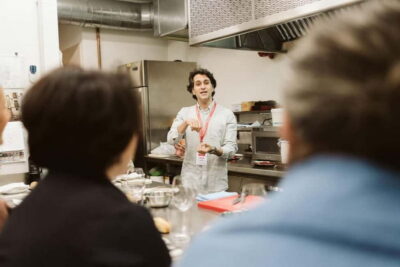
The most consistent thing in the class vibe is the human touch. Maria is highlighted as the guide who can explain a lot about Syracuse and the food culture in a way that sticks. If you like learning what’s behind the dish—why it’s made a certain way, and what the locals consider normal—that storytelling part matters.
Massimo is also part of the experience. In practice, this can mean the person running the kitchen steps in at key moments to keep the session moving and the fried results right. That’s not a bad thing; frying is timing-sensitive. Still, it does affect how hands-on you personally feel.
So here’s how to use this to your advantage: when someone jumps in to do a step, watch closely. Ask quick questions like What’s the goal texture-wise? or Why this filling works in the frying stage? You’ll walk away with better instincts, not just a finished arancino.
The 1.5-hour flow: from rice shaping to a classic Sicilian finish
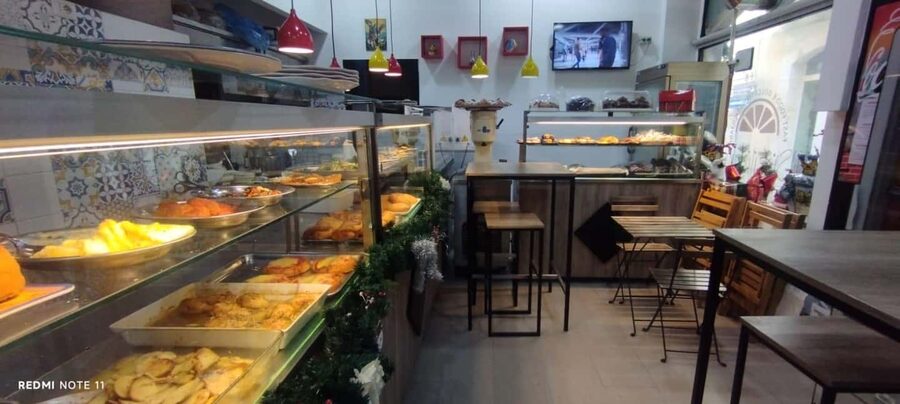
The session is short by design. With a 1.5-hour duration and a group of up to 10, you’re meant to get technique without spending half a day in a kitchen.
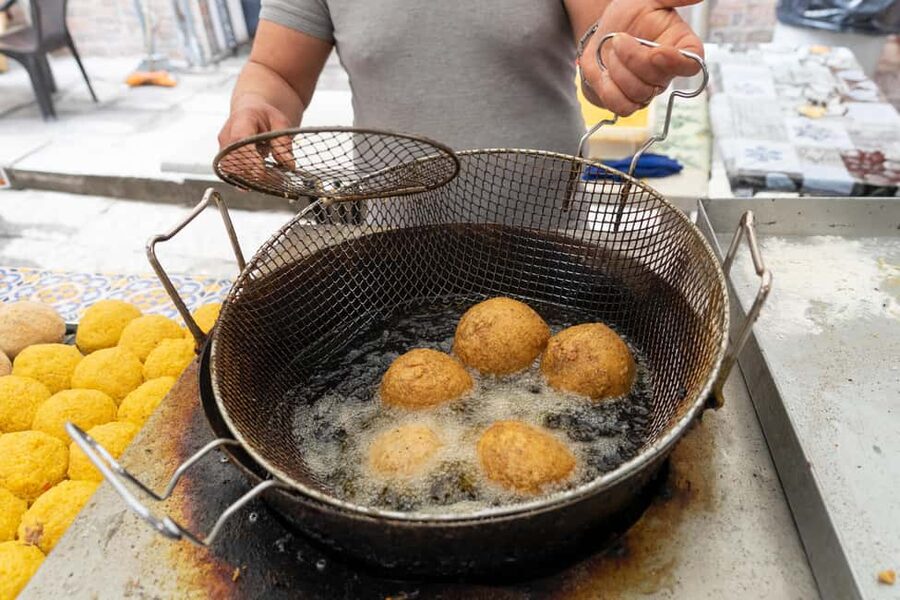
What you can expect is a guided process for the traditional arancino/arancini: you’ll learn how the rice ball is assembled and shaped around a filling, and then it gets fried in the traditional way.
The filling itself is part of the lesson. You’ll hear about common Sicilian combinations, like:
- meat and cooked ham
- spinach
- pistachios
- aubergines (eggplant)
- and other regional variations
As you work, you’ll also learn how the overall structure matters. In arancini, the “outside” isn’t just for show. The rice needs to hold together, and the stuffing needs to be the right kind of cooked and portioned so it stays tasty and doesn’t turn messy during frying.
Even if some steps are handled by the chef, you’re still learning the full logic: assembly, shaping, and how the final fried texture should feel.
What you’ll taste: caponata, parmigiana, and the sweet finish
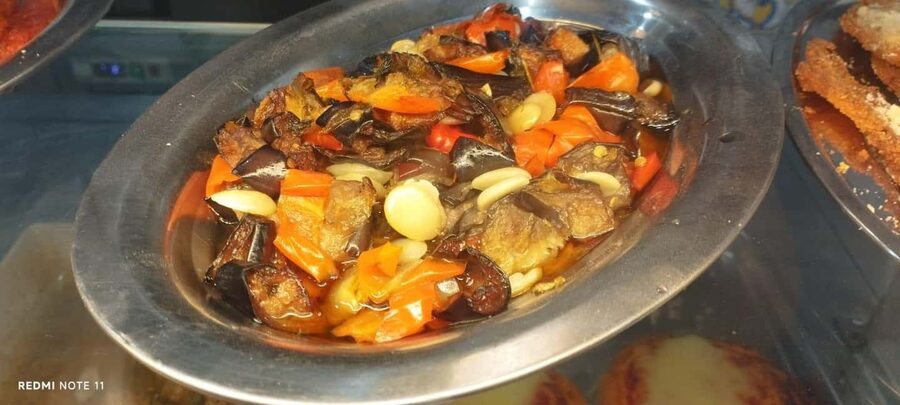
The arancini are the star, but the class also includes a small aperitivo with typical Sicilian dishes. Based on what’s listed for the experience, you’re in for classics like caponata and parmigiana, plus cannolo as the sweet note.
Here’s what those dishes mean, in plain terms:
- Caponata is a mix of fried vegetables—often aubergine—seasoned with tomato sauce, celery, onion, olives, capers, sugar, and vinegar. It’s sweet-sour and salty, like Sicily negotiating with itself.
- Parmigiana is eggplant slices fried, layered with Parmesan and tomato sauce, then baked until it turns cohesive and comforting.
- Cannolo is the classic crisp wafer filled with sweet ricotta, often with candied fruit, crunchy pistachios, or dark chocolate chips.
One practical note: portioning can vary depending on timing. In some formats, each person may receive a set portion at the end rather than a large variety on a plate. Still, the tasting component is part of what makes the class feel complete, because it shows how arancini fits into a real Sicilian meal.
Hands-on vs show-kitchen: how to set expectations (and get more from it)
This is the part worth thinking about before you book.
The class is described as guided, but the kitchen reality is that speed and consistency matter. That can mean:
- you do a chunk of the forming and shaping
- the chef may handle parts like breading and deep-frying, or at least take over so the oil doesn’t ruin the timeline
That can be totally fine if your goal is to learn the process and taste the result. But if your main fantasy is “I want to make lots of arancini,” you may feel a little constrained.
So I’d approach it this way: treat it like a focused lesson, not a production line. If you want maximum hands-on, go in mentally ready to participate where you can, and then switch to “learn mode” when the chefs take over. Watch the technique, ask questions, and take notes in your head: how they handle rice texture, how they manage the filling, and how the finished arancino should look and sound when it’s right.
Price and value in real terms: what you’re paying for
This experience is priced at a level where you should judge value by what’s included, not just the cooking word on the label. One person felt the price was high for the amount of formed arancini and the fact that some steps are done by the chef. That’s a fair concern.
At the same time, value here isn’t just “how many arancini you personally shape.” You’re also paying for:
- an English/Italian live guide
- small-group attention (max 10)
- ingredient prep and a controlled frying setup
- a tasting aperitivo with Sicilian dishes (like caponata/parmigiana and likely cannolo)
- the local context Maria and Massimo bring to the experience
If you measure the class as a technique-and-tasting lesson, it can feel worth it. If you measure it like a buffet plus a hands-on factory, it might not.
My practical rule: if you’re the type who enjoys learning why food works, this class tends to land well. If you just want maximum food volume for your money, look for an experience that clearly states take-home amounts or longer hands-on production.
Who this class suits best (and who should think twice)
This works best for:
- couples, friends, and families who want a shared food activity
- visitors who are curious about Sicilian classics beyond the tourist basics
- people who like small-group settings where you can ask questions
It’s also a good pick if your day is tight. You get a lot of “Sicily in one session” without needing a whole afternoon.
It’s not a great fit if you:
- need wheelchair accessibility (this experience isn’t suitable for wheelchair users)
- want to bring pets or large luggage (pets aren’t allowed, and big bags/luggage aren’t allowed)
And wear comfortable shoes and comfortable clothes. You’ll be standing and moving a bit, and comfort makes a short class feel longer—in the good way.
Quick practical tips before you go
A few small things can make a big difference:
- Arrive ready to work: comfy shoes beat cute shoes here.
- Keep bags minimal. Large bags and luggage aren’t allowed.
- If you’re splitting language, note the class runs in English and Italian.
- When the chef takes over a step, pay attention. That’s where the technique usually matters most.
Also, because the meeting point is in front of Banco di Sicilia, you’ll waste less time hunting. That matters when you’re on a walking schedule in Ortygia.
Should you book the Arancino Cooking Class in Ortygia Syracuse?
Book it if your goal is a fun, small-group Sicilian food lesson with arancini technique and a real aperitivo at the end. If Maria’s explanations and the local kitchen rhythm sound like your kind of experience, you’ll likely enjoy the session for what it is: a focused class, not a long food production.
Skip or reconsider if you’re expecting lots of rice-ball making where you do every step yourself. The frying and breading part may be handled by the chef more than you’d like, and the final tasting portions can be structured rather than endless.
If you’re unsure, decide based on this simple question: do you want to learn how arancini works, or do you want to make a pile of arancini yourself? This class leans toward the first one.
FAQ
Where is the meeting point?
You’ll meet in front of the entrance of Banco di Sicilia. Coordinates: 37.061317443847656, 15.293965339660645.
How long is the Arancino cooking class?
The duration is about 1.5 hours.
How many people are in the group?
It’s a small group with a limit of 10 participants.
What language is the guide?
The live tour guide speaks English and Italian.
What dishes are included in the tasting?
You’ll prepare traditional arancino/arancini and also have an aperitivo with typical Sicilian delicacies such as caponata or parmigiana and cannolo.
Is this experience suitable for wheelchair users?
No. It is not suitable for wheelchair users.