REVIEW · HIROSHIMA
Home Made Onigiri and Matcha Cooking Class in Hiroshima
Book on Viator →Operated by Home Made Onigiri and Matcha Cooking Class · Bookable on Viator
Rice balls by the Peace Park sound right. This small onigiri and matcha class is a warm, hands-on way to learn Japanese food culture from Hiroshima mothers right near the Atomic Bomb Dome area, then finish with matcha and wagashi and simple tea-ceremony manners. I like how the cooking is friendly for all ages and how you get real conversation while you shape the rice balls. One thing to consider: your included fillings are set (tuna mayonnaise and shrimp tempura), with extra options like fresh egg yolk only if you request it when booking.
You’ll be done around lunchtime, leaving you free to explore Hiroshima without feeling tied to the schedule. The group is capped at 6 people, pickup is offered, and the whole experience is about 1 hour 30 minutes, so it’s a great add-on for a morning near Peace Memorial Park.
In This Review
- Key things to know before you go
- Hiroshima’s Peace Park area, with onigiri in your hands
- Getting to the meeting point near Peace Park
- Your cooking class flow: onigiri, miso soup, then matcha
- Onigiri making: two main flavors and optional egg yolk
- Miso soup with the chawan bowl method
- Matcha and wagashi, plus simple sadou manners
- The food you get: lunch that feels like part of Hiroshima
- Why the two onigiri fillings are the right starting point
- Matcha and wagashi: the sweet reset
- Who teaches you, and why conversation is the real bonus
- Price and value: what $81.65 buys you
- Before you go: allergies, dietary needs, and what to ask
- Should you book this Hiroshima onigiri and matcha class?
- FAQ
- FAQ
- What time does the onigiri and matcha class start?
- How long is the experience?
- What is the price per person?
- How many people are in a group?
- What food is included in the lunch?
- What are the standard onigiri flavors?
- Can I request dietary accommodations or non-meat options?
- Is there alcohol served?
- Is bottled water included?
Key things to know before you go
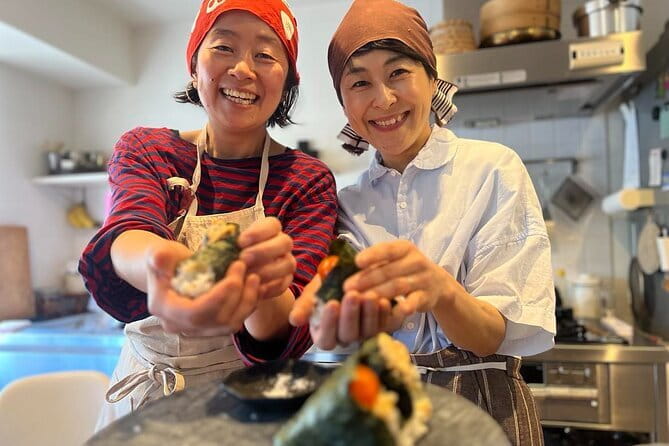
- Small group (max 6 people) means you actually get help while you shape onigiri.
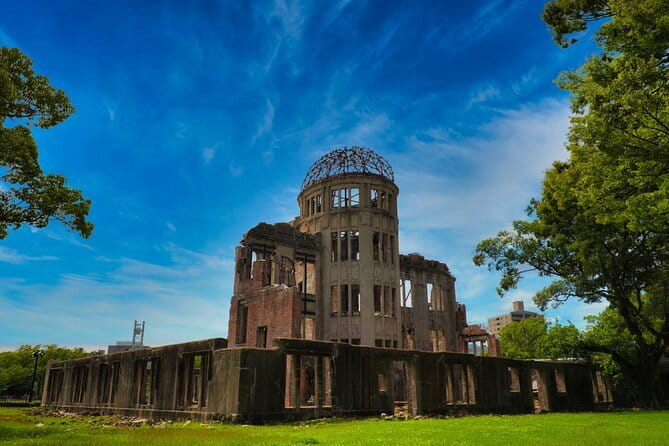
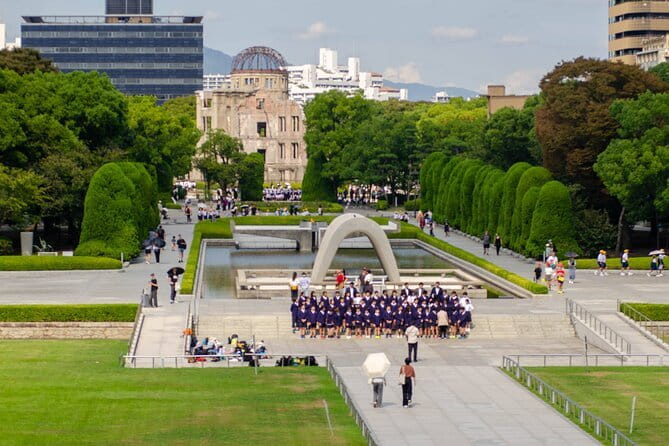
- Peace Park location puts you within walking distance of the Atomic Bomb Dome and the Peace Museum area.
- Two onigiri fillings included: tuna mayonnaise and shrimp tempura, plus optional fresh egg yolk if requested.
- Lunch-style meal included: two onigiri, miso soup in a chawan bowl, matcha, and wagashi.
- Tea-ceremony manners (sadou) are part of the dessert segment, not just a quick tasting.
- Families are welcome with a toys area for kids, and hosts speak English.
Hiroshima’s Peace Park area, with onigiri in your hands
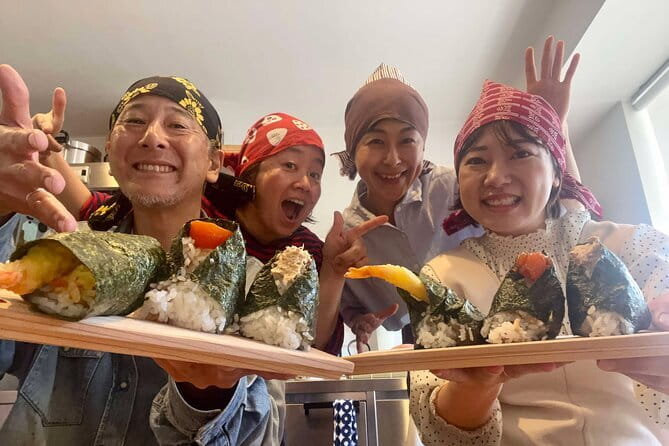
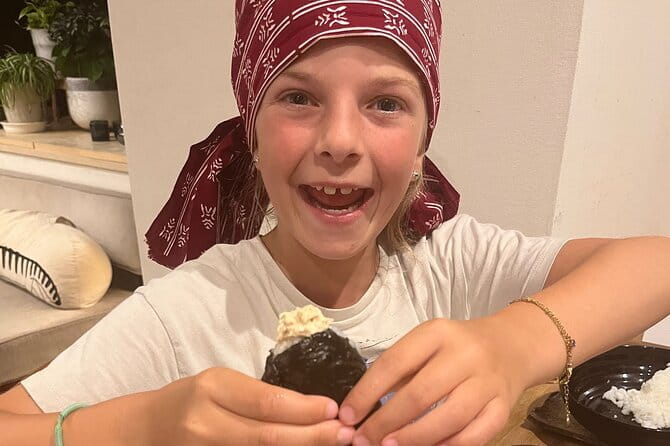
Hiroshima has layers, and food is one of the easiest ways to feel connected without needing perfect language skills. Onigiri is iconic in Japan, and it has a longer history than sushi. That matters here because the class doesn’t feel like a theme-park performance. You’re learning how to handle hot rice, form rice balls, and think about the simple logic behind a meal that travels well and comforts people.
What I like about this approach is the plain practicality. Onigiri is not hard, but it does reward attention. You’ll learn how the rice should feel before you shape it, and you’ll get shown methods that help you avoid the common problem: rice that sticks too much or won’t hold together. If you’ve ever tried making onigiri at home and ended up with a sticky mess, this is the fix.
There’s also a cultural rhythm to the class. You’re expected to treat the food with gratitude and spend a calm moment eating what you made. That turns the meal into something more than a snack before sightseeing.
And yes, kids fit in. There’s a toys area, and the class is designed so families aren’t scrambling to keep everyone quiet. You’re still cooking, but the room is set up for real life.
You can also read our reviews of more tours and experiences in Hiroshima.
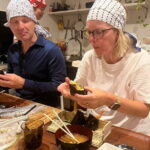
Getting to the meeting point near Peace Park
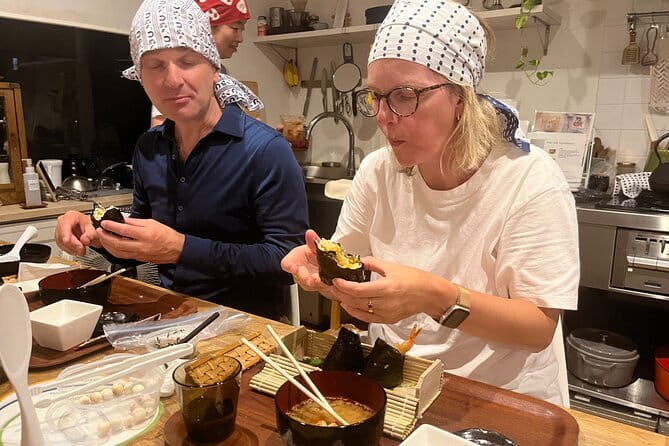
The start point is Guitar Top, 1-chōme-1-3 Sakaimachi, Naka Ward, Hiroshima, at 10:30 am. The activity ends back at the meeting point, and pickup is offered, which can be a big relief if you’re dragging backpacks or you’re not confident with streetcar routes.
If you’re coming from Hiroshima Station, expect it to be about 12 minutes by taxi to the café area. If you prefer rail and the streetcar, the nearest station to Sheba Cafe is Honkawacho (reachable via streetcar Line 2), with a travel time of about 21 minutes from Hiroshima Station.
The class location is positioned for sightseeing efficiency. The Peace Museum to Sheba Cafe is about 6 minutes walk, and it’s listed as a 5-minute walk from the Atomic Bomb Dome. Translation: you can plan your day so this cooking class becomes part of your Peace Park morning, not a stressful detour.
One practical tip: plan to wear comfortable shoes. Even though the walking times are short, you’ll likely move between meeting, café/home space, and then back out afterward.
Your cooking class flow: onigiri, miso soup, then matcha
This is not a long culinary school day. The point is focus and momentum. You’ll be there for about 1 hour 30 minutes, and the food comes in a logical order: rice balls first, soup with a bowl method, then dessert and tea manners.
Onigiri making: two main flavors and optional egg yolk
You’ll learn onigiri basics with an easy recipe designed for all ages. The included fillings are:
- Tuna mayonnaise
- Shrimp tempura
You’ll shape the rice into balls (or portions) and assemble the filling in a way that holds together. The class leans into the comfort-food appeal of rice: why people cook it, handle it, and share it while it’s at its best.
If you want an upgrade, there’s an optional choice: fresh egg yolk. It can be placed on the rice balls using a special cooking method. The important detail is that you should ask when you make the reservation, not after you arrive.
Diet note: vegetarian and vegan menus are being prepared. If that matters to you, it’s worth requesting ahead of time rather than assuming the fillings will match your diet on the day.
Miso soup with the chawan bowl method
You won’t just talk about soup. You’ll make miso soup, and you’ll do it with a chawan bowl. That’s a small detail, but it changes the feel: it’s more like learning a dining habit than grabbing something from a counter.
Also, pay attention if you have seafood allergies. The class miso soup is described as tasting great with shellfish in it. If allergies are part of your planning, tell the hosts in advance so they can steer you away from the wrong ingredients.
Matcha and wagashi, plus simple sadou manners
For dessert, you’ll make matcha tea and enjoy it with Japanese sweets (wagashi). Then you’ll learn manners tied to the tea ceremony, called sadou, in a way that stays practical.
Even if tea ceremony sounds intimidating, this part is about behavior and respect, not complicated technique. You’ll learn the basic manner of the bow and how to handle the moment like part of the meal rather than a performance.
No alcohol is served, which keeps the session family-friendly and focused on the food and tea.
The food you get: lunch that feels like part of Hiroshima
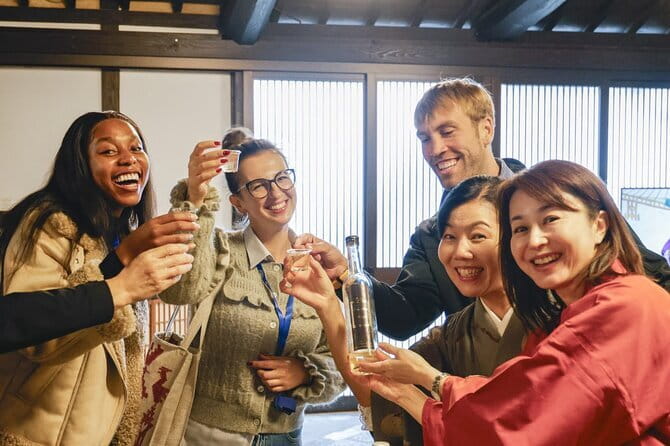
The included meal is straightforward, and that’s a strength. You get:
- Lunch with two types of onigiri
- Miso soup
- Matcha
- Wagashi
- Gratuities
You also get a restroom on board. That sounds like a small inclusion, but it’s a genuine comfort for a short, morning-focused tour where you don’t want to hunt for facilities.
What’s valuable is that the class gives you a complete bite-size meal, not just a single rice ball to taste. You leave fed, not just impressed.
Why the two onigiri fillings are the right starting point
Tuna mayonnaise and shrimp tempura cover two very different flavor directions: creamy and savory, then crispy seafood warmth. You don’t need 10 fillings to feel like you’ve learned something real. You’ll learn how fillings behave inside rice, and how to adjust based on texture and richness.
If you’re the type who wants to try everything, you might feel the class is too short for a huge variety. But if you want a solid skill you can repeat later, this menu is a good base. The optional fresh egg yolk also gives you a chance to go beyond the basics if you care to.
Matcha and wagashi: the sweet reset
The matcha part isn’t an afterthought. It’s paired with wagashi, so the flavor contrast makes sense: the tea’s bitterness and the sweetness of the sweets balance each other. If you’ve only had matcha as a drink in cafés, this format makes it feel more like a ritual meal component.
Who teaches you, and why conversation is the real bonus
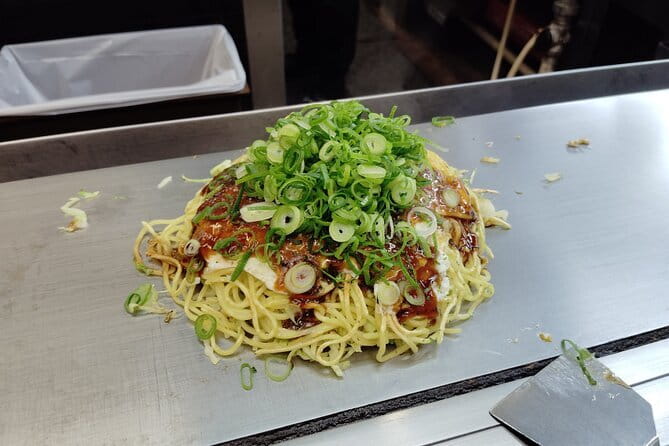
This class isn’t just about cooking steps. It’s hosted by mothers who speak English and have lived overseas. That matters in Hiroshima because it turns your visit from sightseeing mode into human mode.
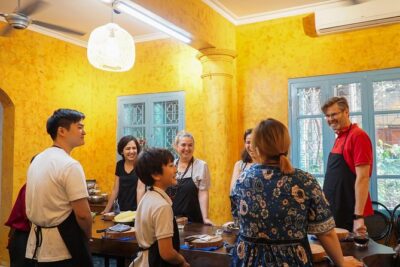
You’ll talk with your hosts while you cook, and it’s the kind of conversation that helps you understand local habits without reading a textbook. The tone is welcoming, with a warm, home-like setting. At times, the class may be held at home as well, which often makes the atmosphere feel more personal and less like a classroom.
If you’re traveling solo, this is a practical way to meet people without needing a group tour personality. If you’re traveling with kids, the toy area and calm pace help everyone participate at a comfortable level.
There are also specific helpers involved in the experience. For example, Midori is mentioned in the context of hotel pickup and guiding guests to the hosts’ home, and Weiko is mentioned as part of the lovely home setting. That kind of named, consistent hosting is a good sign you’ll feel cared for, not shuffled around.
Price and value: what $81.65 buys you
At $81.65 per person, this class sits in the “worth it if it saves you time and teaches you something usable” category.
Here’s what you’re actually getting for the money:
- A full lunch (two onigiri, miso soup, matcha, wagashi)
- Tea ceremony manners (sadou) included
- Gratuities included
- Pickup is offered
- Mobile ticket
- Group discounts (and a small group size up to 6 people)
For a short 1 hour 30 minutes session, the value comes from two places: meal inclusion and skilled help while you cook. If you tried to do this on your own, you’d spend time locating ingredients, figuring out rice ball technique, and sourcing the right tea and wagashi. Here, you get the method and the food in one block.
Two realistic considerations keep the value honest:
- You’re limited to the included fillings (tuna mayonnaise and shrimp tempura), with optional egg yolk only if you request it ahead.
- Bottled water and soda/pop aren’t included, so you may want to plan to buy water nearby.
On timing: booking tends to happen about 19 days in advance on average, which usually means the spots go quickly when the schedule matches your day.
Before you go: allergies, dietary needs, and what to ask
The class asks you to share allergy information in advance, which is exactly what you want to hear. If you have dietary restrictions, reach out early so they can prepare the right version, especially since the miso soup may include shellfish.
If you’re considering the optional fresh egg yolk, put that request in when you reserve. You don’t want to find out mid-class that you missed the chance.
For vegetarian or vegan diets, the information says those menus are being prepared. That’s good news, but it’s still smart to confirm your needs during booking so you don’t end up with substitutions that don’t match your diet.
Should you book this Hiroshima onigiri and matcha class?
Book it if you want:
- A short morning plan near Peace Memorial Park
- Real skill with onigiri you can repeat later
- A small group experience with English-speaking hosts
- A full meal that includes miso soup, matcha, and wagashi
Skip it (or consider alternatives) if you’re after:
- A longer cooking day with many fillings and advanced techniques
- Alcohol-focused nightlife energy
- A class that changes its menu drastically day to day without advance requests
If your itinerary includes the Peace Museum or the Atomic Bomb Dome area, this class works especially well because it’s already positioned in that neighborhood and ends in time for you to keep exploring.
FAQ
FAQ
What time does the onigiri and matcha class start?
It starts at 10:30 am, and the activity ends back at the meeting point.
How long is the experience?
The duration is about 1 hour 30 minutes.
What is the price per person?
The price is listed as $81.65 per person.
How many people are in a group?
This experience has a maximum of 6 travelers.
What food is included in the lunch?
Lunch includes two types of onigiri, miso soup, matcha, and Japanese sweets (wagashi).
What are the standard onigiri flavors?
The included flavors are tuna mayonnaise and shrimp tempura.
Can I request dietary accommodations or non-meat options?
Vegetarian and vegan menus are being prepared, and you should ask when ordering or booking so arrangements can be made.
Is there alcohol served?
No alcohol is served.
Is bottled water included?
Bottled water is not included. Coffee/tea and soda/pop are also not included.