REVIEW · HIROSHIMA
Hiroshima: Okonomiyaki Cooking Class with a Local Chef
Book on GetYourGuide →Operated by Pinpoint Traveler · Bookable on GetYourGuide
Hiroshima has a way of making food feel personal. This hands-on okonomiyaki cooking class pairs a local chef with a bilingual guide (Ken) so you learn the Hiroshima method, not just the recipe. I like that you can tailor your pancake with meat, seafood, vegetarian, or gluten-free options, and still cook it yourself on the grill.
I also love the small-group feel inside a local restaurant, plus the easy flow from the Peace Memorial Park area. The one drawback to keep in mind is that cleanliness is not mentioned as consistently great by everyone, so if that’s a big deal for you, it’s smart to ask what to expect when you arrive.
In This Review
- Key highlights to look forward to
- Hiroshima-style okonomiyaki: the real reason this class is different
- From the Atomic Bomb Dome to the restaurant: start easy on the tram
- The local restaurant setup: small group, grill-side focus
- Choose your okonomiyaki: meat, seafood, vegetarian, and gluten-free
- Hands-on cooking with Ken: what you’ll actually do at the grill
- The meal and the one included drink: eat it hot, not later
- Timing, flow, and what to do after: 2 to 6 hours that feel like dinner
- Price and value: is $56 fair for what you get?
- Who this cooking class suits (and who might prefer a different plan)
- Should you book Hiroshima okonomiyaki cooking with a local chef?
- FAQ
- FAQ
- Where is the meeting point?
- How do you get to the restaurant?
- What languages are available during the class?
- Is it a private experience or a group tour?
- What food options are available?
- Do you just watch, or do you cook?
- How long does the class last?
- What’s included in the price?
- Is the gluten-free option guaranteed?
Key highlights to look forward to
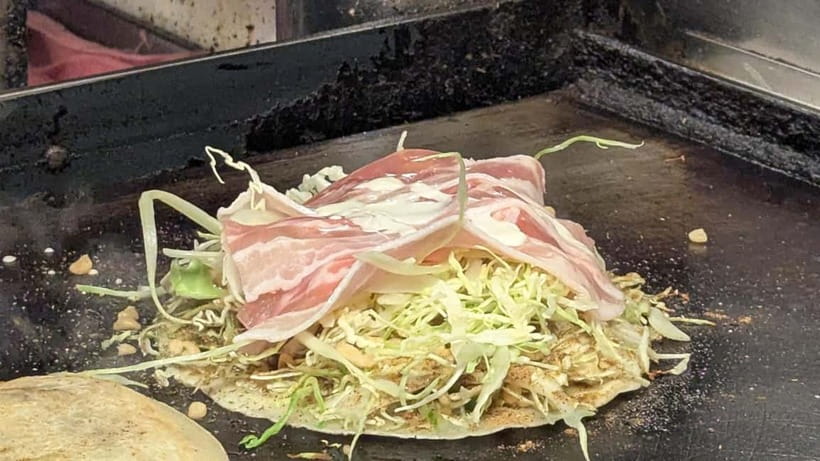
- Hiroshima-style technique: layered batter, cabbage, sprouts, noodles, and toppings cooked carefully (not just mixed)
- Options for different diets: meat, seafood, vegetarian, and a gluten-free choice by request
- Hands-on cooking at the grill: you do the work step by step with the chef’s guidance
- Bilingual guide support: Ken helps explain the culture and the process clearly in English
- Small-group setting in a real spot: you’re eating and cooking where locals go, not a staged shop
- One included drink + tram ride: value is built in, not added later
Hiroshima-style okonomiyaki: the real reason this class is different
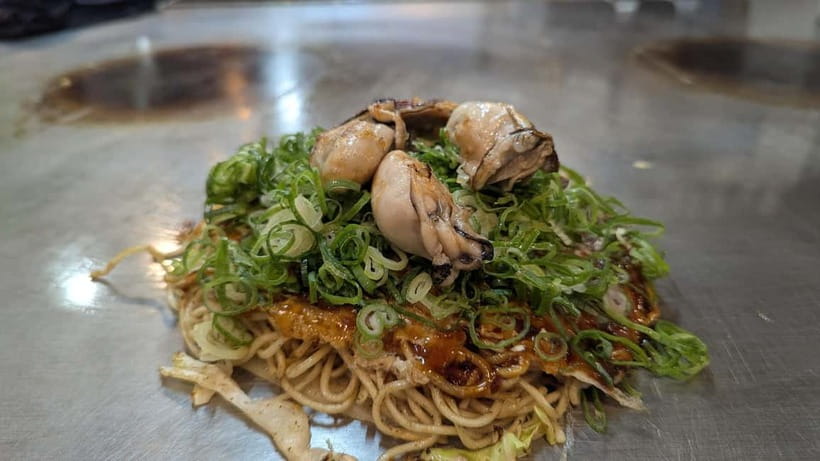
Okonomiyaki is often called a Japanese savory pancake, but in Hiroshima it behaves like a stacked meal. The history goes back to the years after World War II, when people made do with simple ingredients, and the name itself points to the attitude: grill it how you like. Over time, that flexible spirit became part of local pride—and it’s why you’ll see plenty of arguments about which city does it best.
The key detail here is the Hiroshima approach. Instead of dumping everything together, Hiroshima-style okonomiyaki is built in layers: batter, cabbage, bean sprouts, noodles, then your choice of meat or seafood, usually finished with a fried egg. That layering matters because it affects texture—crisp edges from the grill, a tender middle, and toppings that taste like they belong together rather than disappearing into one big mix.
This class leans into that difference. You’re not just tasting a version of okonomiyaki—you’re learning why the method exists, and how the order of ingredients changes the final bite. That’s the big value for you if you like food that comes with a story you can actually taste.
You can also read our reviews of more tours and experiences in Hiroshima.
From the Atomic Bomb Dome to the restaurant: start easy on the tram
Your day begins at a simple, easy-to-find meeting point: the fountain by the Atomic Bomb Dome area in Peace Memorial Park. After that, you take a short ride on Hiroshima’s historic tram system to the restaurant. For me, the win here is low stress. You’re not navigating complex transfers or guessing where locals eat—someone has already planned the move from the memorial zone to dinner.
The tram ride is also a nice reset. In a matter of minutes, you shift from heavy history to everyday city life. And once the class ends, many people continue on at their own pace—there’s often a pleasant river stroll back toward the Peace Memorial Park area, or your guide can point you to the nearest tram stop for quick onward travel around Hiroshima.
If your schedule is tight, this format works well because it uses public transport you can understand, and it keeps the “logistics tax” low.
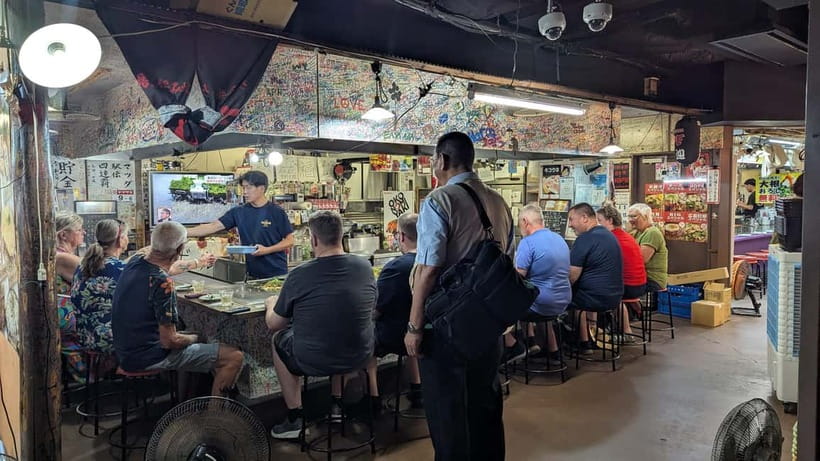
The local restaurant setup: small group, grill-side focus
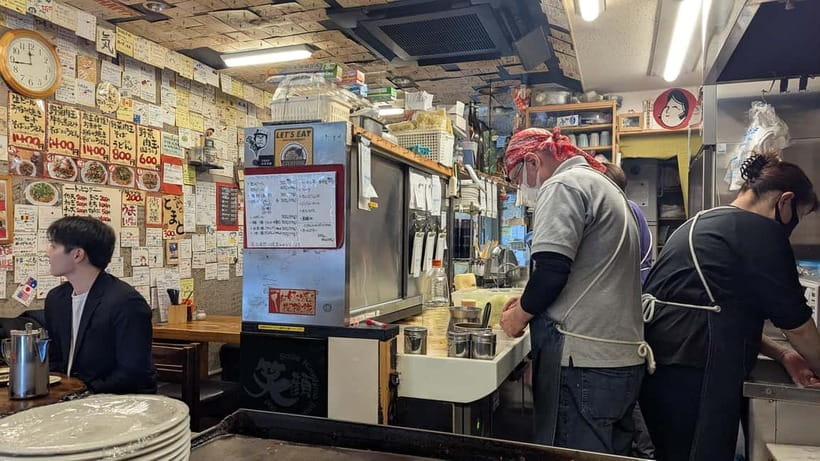
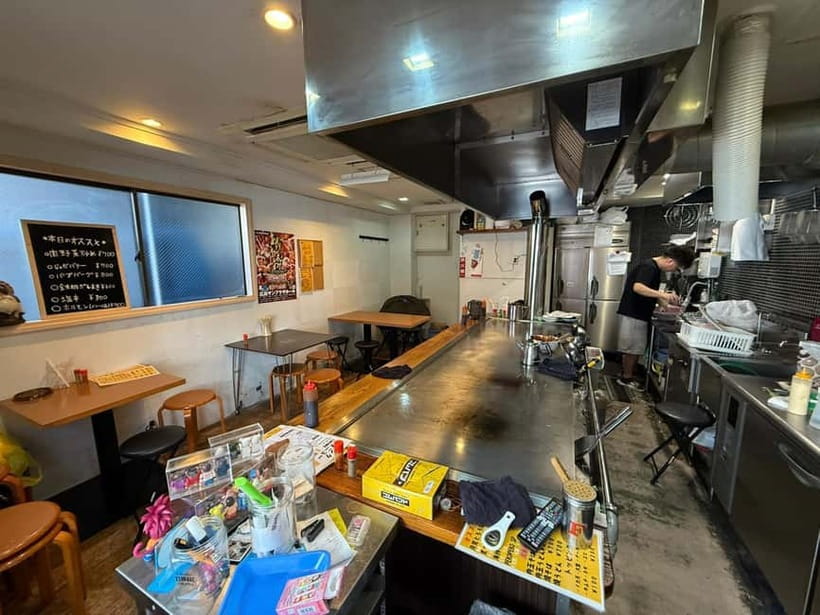
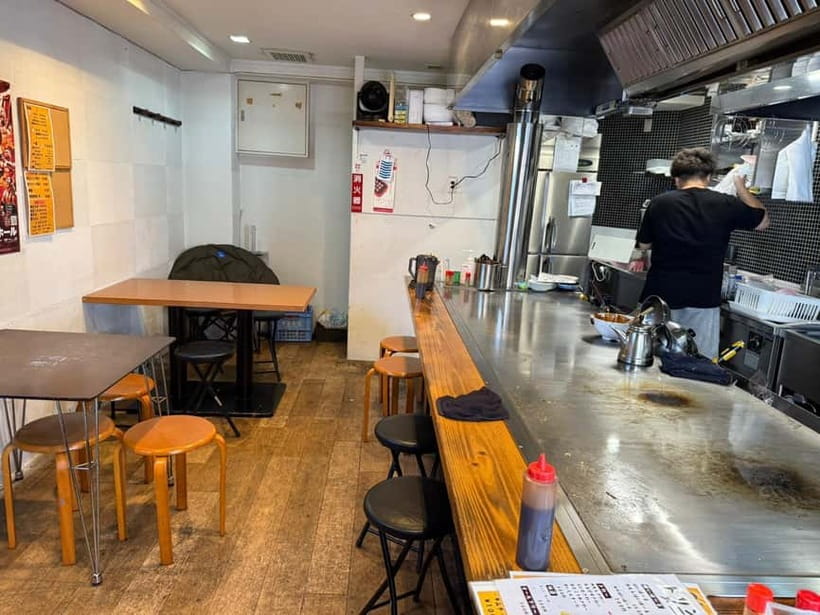
This is designed as a small group experience in a real local restaurant, not a tourist-stage dining show. You’ll sit close to the cooking action, with a bilingual guide and a professional okonomiyaki chef working with you. That matters because okonomiyaki is timing-sensitive: heat management, flipping, and layering control the texture.
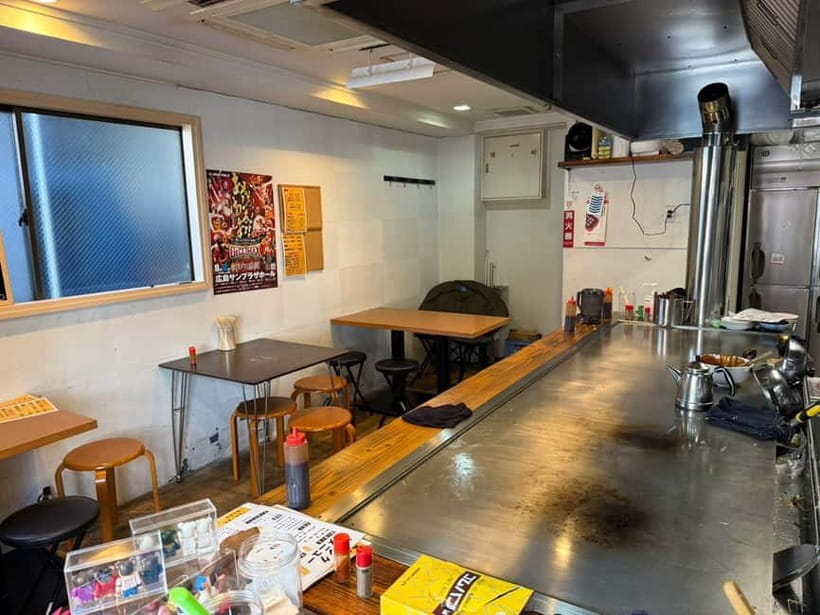
The room atmosphere is part of the charm—street-level food energy, the grill going, and you learning by watching first, then doing. One caution from real feedback: one person noted the restaurant looked dirty and unclean. I can’t say it will be the same for every visit, but if cleanliness is a deal-breaker for you, it’s worth mentally preparing for a working local kitchen and asking the staff what you can expect when you arrive.
Choose your okonomiyaki: meat, seafood, vegetarian, and gluten-free
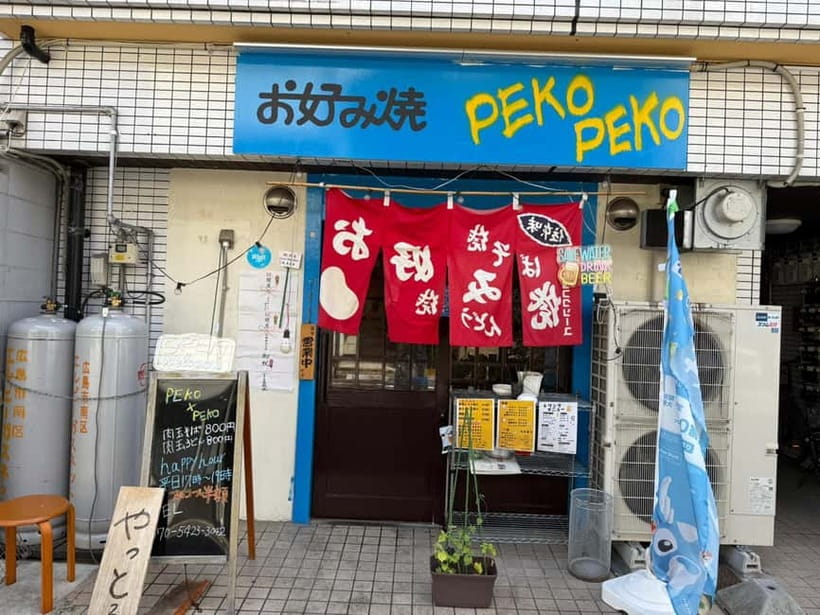
One of the most practical perks is having multiple versions available. You can pick meat, seafood, or vegetarian, plus there’s a gluten-free option available by request.
Why this matters beyond “variety”: okonomiyaki is built on batter, and batter is where many diets get tricky. Having an option means you’re not stuck eating only a side dish or skipping the main event. Instead, you can keep the experience intact—cook your own pancake in the same overall style, with ingredients adjusted for your needs.
If you have any dietary restrictions, don’t treat it as an afterthought. Gluten-free requires planning, so request it ahead of time and be clear when you confirm your booking.
Hands-on cooking with Ken: what you’ll actually do at the grill
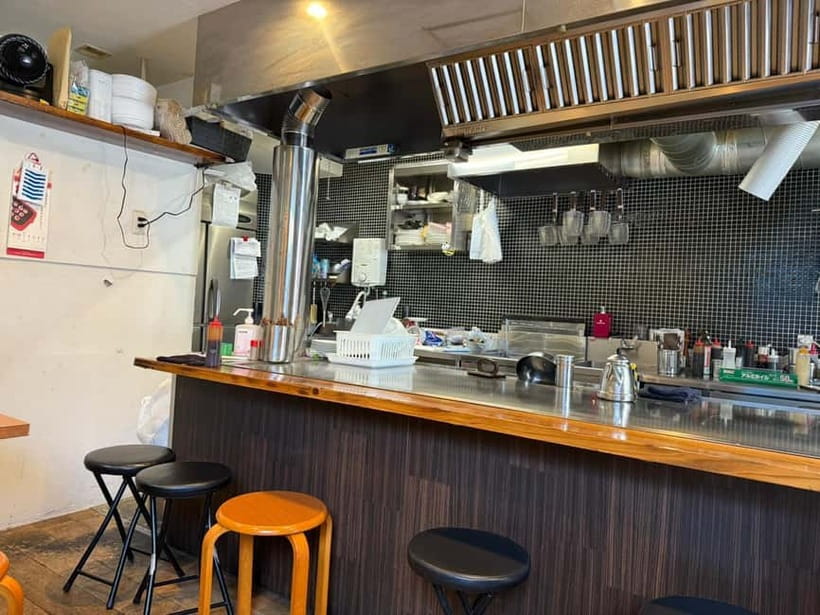
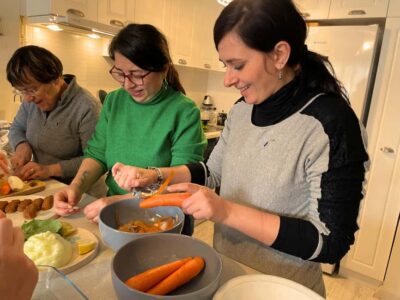
The hands-on part is the heart of this experience. You’ll work step by step, guided by the chef, and explained by your bilingual guide. Ken comes up in feedback as especially friendly and patient, the kind of person who makes you feel comfortable even if you’ve never cooked Japanese comfort food before.
Here’s the practical rhythm you can expect:
- First, you’ll learn the Hiroshima layering order—how the chef builds the base and where toppings go.
- Then you’ll cook alongside, with the chef showing what the batter and cabbage should look like as it cooks.
- You’ll get help with technique, like heat control and timing so the pancake doesn’t burn before the inside sets.
- If you opt for seafood or meat, you’ll see how that changes the cooking moment and how flavors come through when everything is stacked correctly.
- For vegetarian, you’ll still get the same “Hiroshima method” feel—cabbage, sprouts, and noodles with the right balance of savory elements.
Watching it come together is part of the fun, but the real satisfaction is finishing with a pancake you made yourself. Even if you don’t nail the perfect flip, you’ll leave knowing how to recreate the process at home: build in layers, cook with patience, and aim for a contrast of crisp and tender.
And yes, there’s cultural context during the cooking too. The guide is there to connect the food to Hiroshima life and explain why this dish matters locally—not just how to make it.
The meal and the one included drink: eat it hot, not later
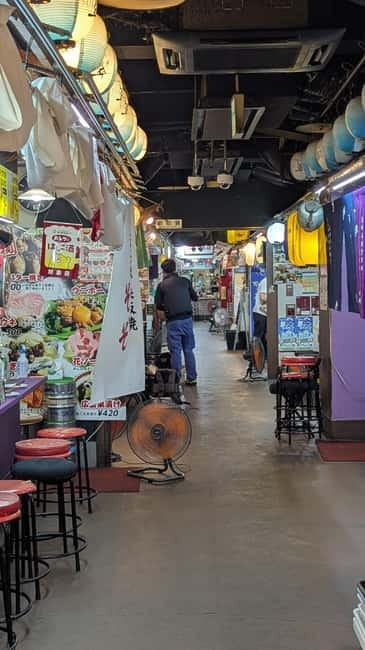
Once your okonomiyaki is done, you’ll eat it in the moment while it’s hot. That’s important because okonomiyaki is at its best right off the grill—cabbage softened, noodles cooked through, and toppings bonded into the stack.
You also get one drink included with the experience, alcoholic or non-alcoholic. That’s a small detail, but it adds up: it reduces the “surprise spending” factor and keeps you from having to decide right away what to order.
Because additional food and drinks aren’t included, you’ll want to manage expectations. Plan for this as your main meal, and if you want extra beverages or sides, decide in advance if they fit your budget.
Timing, flow, and what to do after: 2 to 6 hours that feel like dinner
The class runs 2 to 6 hours, depending on the start time you book. In practice, that window gives you room for the full sequence: meeting at Peace Memorial Park, tram ride, cooking time, eating time, and guide wrap-up so you know how to get back.
The best part is the overall pace. You’re not rushed through a show. You’re learning, cooking, and eating as a complete experience. It’s ideal if you want something active to balance a sightseeing day.
Afterward, you’ve got two common options:
- Use the tram again for easy movement around the city.
- Or take a scenic walk along the river back toward the Peace Memorial Park area, if the timing works.
Price and value: is $56 fair for what you get?
At $56 per person, this isn’t the cheapest snack class—but it’s also not a premium luxury dinner either. Here’s what you’re buying for your money:
- A professional okonomiyaki chef guiding you through the process
- A bilingual guide (English) who connects food to Hiroshima culture
- A hands-on cooking experience, not just a demo
- Multiple menu options including vegetarian and gluten-free by request
- One included drink
- A local tram ride within Hiroshima
When you add those pieces up, the value starts to make sense. You’re paying for an organized local meal experience that includes transport, instruction, and your own cooking time. If you tried to do this solo, you’d still pay for food—but you wouldn’t get the same guidance for technique and layering, and you might struggle to find a restaurant willing to accommodate dietary needs.
So, for me, the question isn’t only cost. It’s whether you want the learning and cooking component. If you do, $56 feels reasonable.
Who this cooking class suits (and who might prefer a different plan)
This fits best if you want:
- A genuine local dinner experience in Hiroshima
- Hands-on cooking instead of passive sightseeing
- A guide who speaks English well and explains cultural context (Ken is specifically highlighted in feedback)
- A menu that lets you choose meat, seafood, vegetarian, or gluten-free by request
You might consider a different option if:
- You strongly prioritize high-end cleanliness presentation over a working local kitchen vibe
- You only want to taste okonomiyaki and don’t care about cooking
For most people, it hits the sweet spot: interactive, practical, and tied directly to Hiroshima’s food identity.
Should you book Hiroshima okonomiyaki cooking with a local chef?
If you’re in Hiroshima and you want more than another meal, I’d book it. The combination of grill-side cooking, a patient chef, and English support from Ken makes the experience easier than you might expect—and the Hiroshima layering method gives you something specific to learn, not just generic street-food fun.
The only hesitation is cleanliness. Most people rate the experience very highly for friendliness and quality, but at least one review raised concerns about the restaurant’s cleanliness. If that would ruin your day, ask a few quick questions before you go. If not, treat it as a local restaurant meal: real, hands-on, and built around the skills you’ll actually take home.
FAQ
FAQ
Where is the meeting point?
You meet at the fountain next to the Atomic Bomb Dome in the Peace Memorial Park area.
How do you get to the restaurant?
You take a short ride on Hiroshima’s historic tram system within the city.
What languages are available during the class?
The live guide is English, with a bilingual guide provided.
Is it a private experience or a group tour?
It’s offered as either private or small groups.
What food options are available?
You can choose among meat, seafood, and vegetarian options, and there is a gluten-free option available by request.
Do you just watch, or do you cook?
You cook your own okonomiyaki with step-by-step guidance from the chef.
How long does the class last?
The duration is listed as 2 to 6 hours, depending on the starting time you select.
What’s included in the price?
Included items are the bilingual guide, a professional okonomiyaki chef, the cooking experience, one drink (alcoholic or non-alcoholic), the hands-on cooking portion, and the local tram ride.
Is the gluten-free option guaranteed?
It’s available by request, so you’ll need to specify your needs when booking.