REVIEW · HIROSHIMA
Private Japanese Cooking Class in Hiroshima with Machiko’s Family
Book on Viator →Operated by Traveling Spoon · Bookable on Viator
A home kitchen in Hiroshima changes everything. This private class with Machiko’s family is built around real cooking, real conversation, and eating in a residential neighborhood, not a restaurant. Two things I especially love: you learn multiple dishes from scratch, and you share the meal right afterward. One thing to consider: there’s no hotel pickup, so you’ll need to get to the meeting point on your own.
I also like how hands-on it is. Machiko teaches with traditional methods, like crushing sesame with a mortar and pestle while making dressing, and the lesson keeps moving with clear, step-by-step guidance. And if you want plant-based food, the class can do vegetarian and vegan options.
In This Review
- Key things worth knowing
- Why cooking in Machiko’s home feels different in Hiroshima
- Where the “home feeling” actually shows up
- Getting there for the 10:00 start (and why it matters)
- What happens during the 1.5-hour cooking lesson
- Traditional techniques you’ll actually remember
- Dishes you might cook (what the menu could look like)
- How hands-on it feels
- The table part: eating Hiroshima-style food with Machiko’s family
- Family energy if Daishi and the kids are around
- Conversation that actually adds value
- The menu choices and dietary needs (vegetarian and vegan)
- What you can do to make it go smoothly
- Price check: is $108 worth it for a private class and home dinner?
- Who should book this class (and who should think twice)
- My booking checklist for a smooth experience
- Should you book Machiko’s private Hiroshima cooking class?
- FAQ
- How long is the private Japanese cooking class in Hiroshima?
- What time does the class start?
- Where is the meeting point?
- Is this activity private or shared with other travelers?
- What will we cook during the class?
- Can the class accommodate vegetarian or vegan diets?
- Is hotel pickup included?
- What’s included in the price?
- How and when will I receive confirmation?
- What is the cancellation policy?
- Is the class accessible for service animals?
Key things worth knowing
- 100% private, in a local home: it’s only your group, in Machiko’s house with family life all around.
- 2–3 dishes from scratch: you’re not watching from the sidelines.
- Traditional techniques, not shortcuts: expect practical methods such as mortar-and-pestle prep.
- You eat what you cook: the dining part happens at the family table, not in a separate tour phase.
- Vegetarian and vegan options available: meals can be adjusted without turning the experience into a compromise.
- Daishi and kids may join: on days they’re available, you’ll add extra family energy to the table.
Why cooking in Machiko’s home feels different in Hiroshima
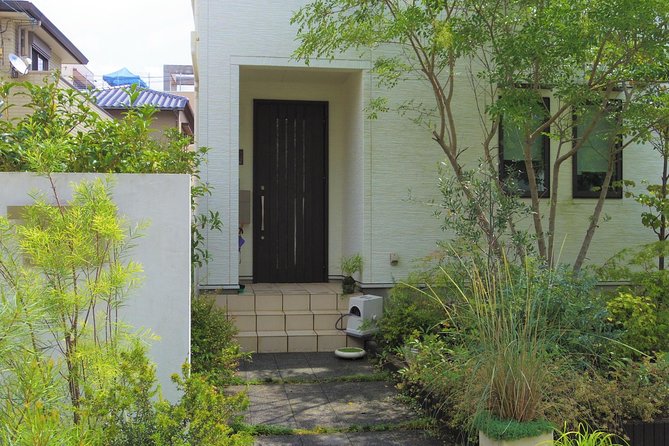
If you’ve spent any time in Japan, you know there’s food, and then there’s food plus context. This experience lands in the second category. You’re invited into Machiko’s home kitchen in Hiroshima, where the day’s rhythm is family-first. That matters because Japanese cooking is often about small decisions—texture, timing, seasoning—and you learn those decisions by doing them with a person who actually cooks for family and friends.
The biggest draw is the private setup. You’re not sharing a cramped classroom with strangers. Instead, Machiko can explain at your pace, and the conversation can turn personal in a good way—what you’ve seen in Hiroshima, how your day is going, and what everyday Japanese meals look like in a real house.
The second reason I’d pick this over most food tours: you cook homestyle dishes. That means you’ll leave with techniques that transfer to your own kitchen. It’s not just about a tasty final plate. It’s about understanding why something tastes the way it does—especially with staples like sesame dressing, miso soup, and the balance that shows up in Japanese “everyday” cooking.
Where the “home feeling” actually shows up
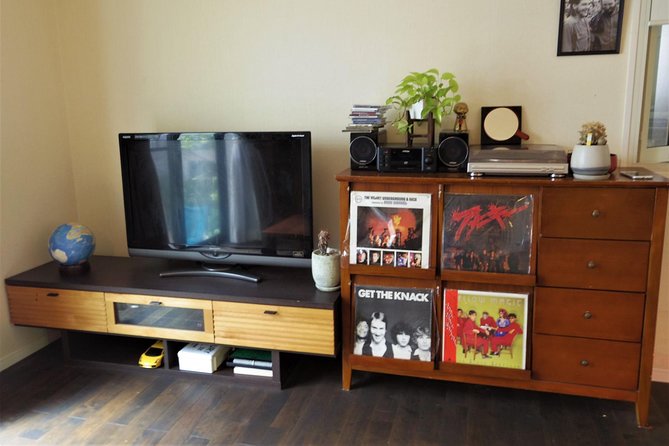
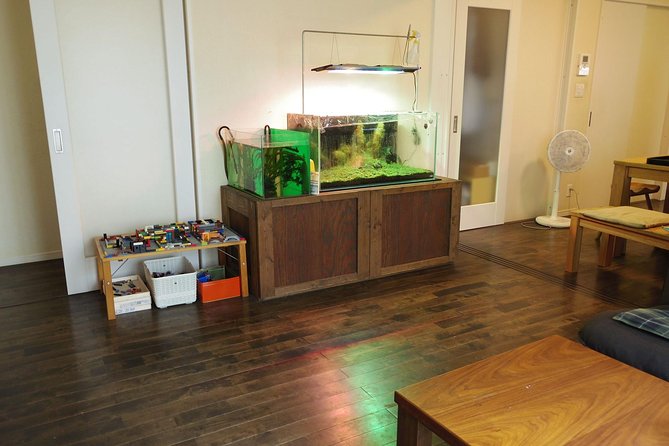
It’s not vague, like “you’ll feel welcomed.” It’s practical. Machiko’s house includes little signs of everyday life—family photos and children’s toys, plus home touches like an old turntable and music albums, and even an aquarium. Those details help you settle in fast. You’re not performing tourist mode. You’re visiting a household.
Getting there for the 10:00 start (and why it matters)
The class starts at 10:00 am and runs about 3 hours total. Meeting is at 1-chōme-5-20 Ujinamiyuki, Minami Ward, Hiroshima, 734-0015. There’s no hotel pickup or drop-off, so plan your route ahead of time.
The good news: the neighborhood is about a 20-minute streetcar ride from the city center, so you’re not crossing half the prefecture. Still, this is the kind of tour where showing up late can quietly throw off the whole day. I’d treat the meeting point as the real start time, not a “check-in whenever” situation.
A quick practical note: the tour uses a mobile ticket, so make sure you can access it offline or have good data coverage. If you rely on a single screenshot and your phone acts up, you’ll waste minutes you don’t need.
What happens during the 1.5-hour cooking lesson
The cooking lesson is about 1.5 hours, and the goal is simple: learn 2–3 traditional Japanese homestyle dishes from scratch. Machiko teaches in a local-home kitchen, and you’ll be working through real steps rather than assembling something half-made.
Traditional techniques you’ll actually remember
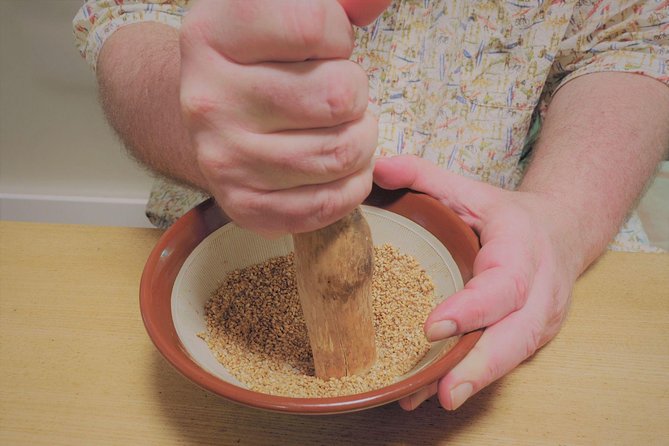
One standout teaching method is the use of traditional tools. For example, when you make the salad dressing, you crush sesame with a mortar and pestle. That might sound like a small detail, but it affects flavor and texture. It also gives you a repeatable method for later, when you want sesame dressing that doesn’t taste bland.
Machiko’s instruction style is very structured. People repeatedly mention her step-by-step pacing and clear explanations. The result is that you’re cooking, tasting, adjusting, and learning—not just hovering over a recipe card.
Dishes you might cook (what the menu could look like)
The exact menu can vary by class day, but you can reasonably expect a mix of Japanese staples. Examples that fit the typical format include:
- Miso soup
- Salad with sesame dressing
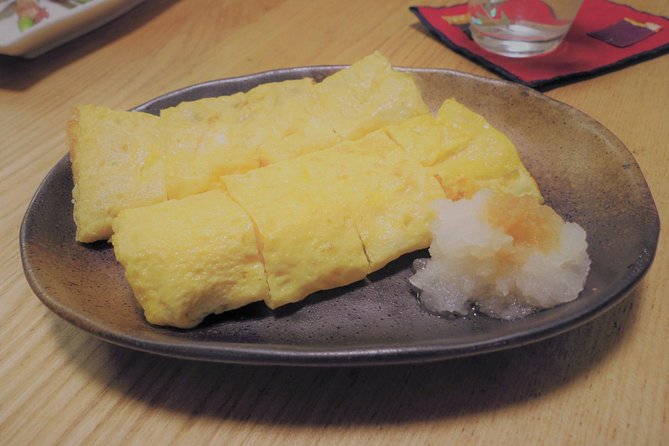
- Japanese omelet
- Karaage or tempura (deep-fried meat or seafood)
- Rice balls and/or hand-rolled sushi
- Green tea flavored sweets
A couple of dishes also show up from specific class experiences, like Hiroshima-style okonomiyaki, and even options like cooking mackerel. So if you’re hoping to learn dishes strongly tied to Hiroshima, this class has a decent chance of delivering.
How hands-on it feels
Because you’re making multiple dishes, you’ll rotate tasks. That keeps things moving and helps you experience more than one cooking style in the same visit—soups and dressings, then something fried or rolled, then sweets.
It’s also why this class works well even if you’re not a “serious cook.” The lesson is designed to be learnable inside a few hours.
The table part: eating Hiroshima-style food with Machiko’s family
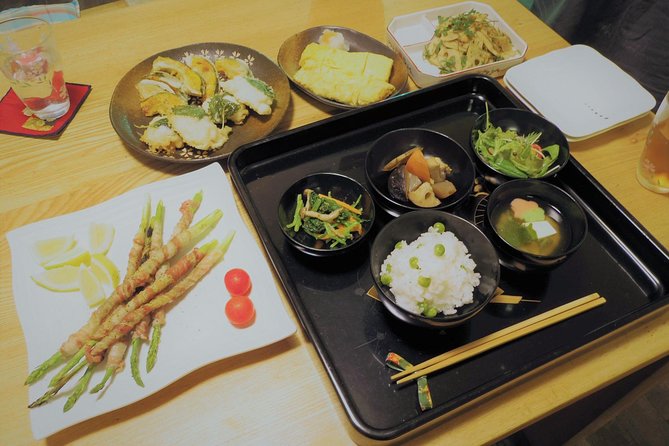
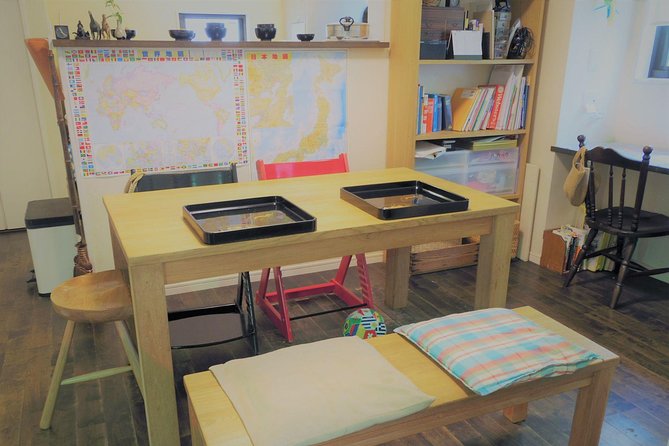
After cooking, the experience shifts from kitchen work to the meal itself. You sit together at Machiko’s dining table and eat what you helped prepare. In most food experiences, the eating happens at a restaurant and the cooking is separate. Here, the kitchen and the table are connected, which makes the meal feel earned.
Family energy if Daishi and the kids are around
Sometimes Machiko’s husband Daishi and the kids join the experience when they’re available. That can turn the meal into a more lively, family-style moment—more conversation, more atmosphere, and a better feel for what a Japanese household meal looks like when it’s not staged for tourists.
Even if the family doesn’t join every single time, the core experience stays intact: you’re being fed by the people who cooked with you, in their own home environment.
Conversation that actually adds value
One of the most praised aspects of this class is the social side—meeting local residents and learning through talk, not through scripted explanations. It’s the kind of conversation that can make Hiroshima feel more human, like you’re building a small bridge with people who live there year-round.
And yes, there’s food. But the best part is the pairing: you learn techniques, then you immediately talk and eat together while it’s fresh.
The menu choices and dietary needs (vegetarian and vegan)
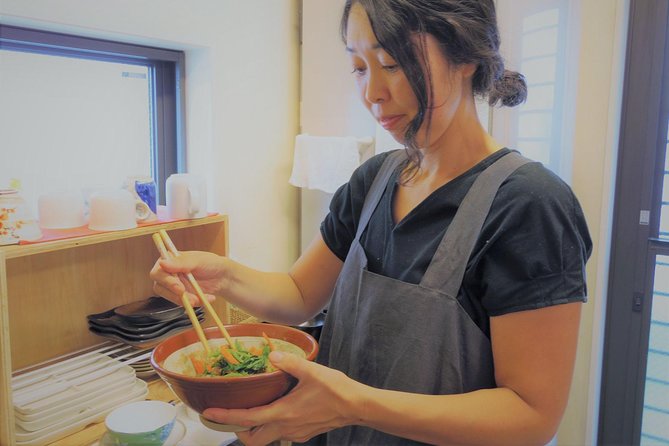
A real concern for many food tours is whether “dietary options” means a sad substitute plate. Here, the class offers vegetarian and vegan options, and that’s a big deal because it keeps the experience meaningful. You’re still participating in cooking and sharing the meal, not watching someone else eat while you browse.
Because the dishes are homestyle, it’s easier to adjust components—like swapping ingredients in dressings, soups, or sides—without turning the class into something completely different.
What you can do to make it go smoothly
When you book, be clear about your needs. If you’re vegan, say it directly. If you’re vegetarian, specify whether you eat eggs and dairy (the data here only confirms options exist, not the exact boundaries). That small bit of clarity helps Machiko plan the menu you’ll cook.
If you’re the type who likes to remember everything, bring a notebook. People have specifically recommended bringing one to record recipes and steps you learn.
Price check: is $108 worth it for a private class and home dinner?
At $108 per person for a private experience lasting about 3 hours, the price makes sense when you zoom out from “cooking class” as a generic label.
Here’s what you’re paying for:
- Private instruction in a home kitchen
- Learning 2–3 dishes (not a quick demo)
- A home cooked meal afterward
- Gratuities included
- A setting that includes family hospitality in a residential neighborhood
You don’t pay extra for a separate meal location or a restaurant markup. You also don’t have to share the experience with strangers, which is a big part of why food classes can feel rushed or impersonal when they’re group-based.
There are group discounts available, and the tour is offered as a mobile-ticket experience, which makes it easier to manage once you’re there.
The only “cost” you should factor in is your own transport time to the meeting point—again, no hotel pickup. But if you’re already planning to get around Hiroshima by streetcar and on foot, this is usually manageable.
Who should book this class (and who should think twice)
This is best for:
- Couples and small groups who want a private cultural experience
- Food lovers who like hands-on instruction and want recipes you can repeat
- Families, since it’s described as family friendly
- People who prefer local interaction over restaurant-based sightseeing
- Anyone who wants vegetarian or vegan options that still feel like the real class
You might think twice if:
- You strongly prefer full-service logistics like hotel pickup. This one expects you to show up at the meeting point.
- You want a purely “tourist” setting with crowds and quick photos. This is a real home, so it’s calmer and more personal than a public cooking studio.
For most people who enjoy meeting locals through everyday life, this class hits a rare sweet spot: you get food education and cultural contact in the same afternoon.
My booking checklist for a smooth experience
Here’s how I’d prep so you can focus on the cooking and the conversation:
- Plan your route to 1-chōme-5-20 Ujinamiyuki in Minami Ward. Use the streetcar route concept since the neighborhood is about a 20-minute ride from the center.
- Arrive a bit early. Home experiences run on real timing.
- Bring a notebook if you want recipes and step notes. (It’s a common tip for this class.)
- Mention dietary needs clearly ahead of time so your vegetarian or vegan menu is ready.
- Charge your phone and have your mobile ticket accessible.
If you do those basics, you’ll walk in ready to cook and talk without rushing.
Should you book Machiko’s private Hiroshima cooking class?
If you want a cooking class that feels like real life rather than a staged performance, I think this is a strong choice. The private home setting, the hands-on cooking of multiple dishes, and the chance to share a meal at the family table make it feel worth the price.
I’d especially recommend it if:
- You care about Hiroshima food beyond just sightseeing.
- You like learning techniques you can use later.
- You want local hospitality in a residential neighborhood, where conversation matters as much as the recipe.
The main tradeoff is logistics: you handle your own way to the meeting point. If you’re okay with that, you’ll likely leave with both practical cooking skills and a memorable Hiroshima connection you can’t get from a standard restaurant meal.
FAQ
How long is the private Japanese cooking class in Hiroshima?
The experience lasts about 3 hours total. The cooking lesson portion is about 1.5 hours.
What time does the class start?
The start time is 10:00 am.
Where is the meeting point?
You’ll meet at 1-chōme-5-20 Ujinamiyuki, Minami Ward, Hiroshima, 734-0015, Japan.
Is this activity private or shared with other travelers?
It’s private. Only your group participates.
What will we cook during the class?
You’ll learn to make 2–3 traditional Japanese homestyle dishes from scratch. Menus may include items like miso soup, salad with sesame dressing, Japanese omelet, karaage or tempura, rice balls, hand-rolled sushi, and green tea flavored sweets.
Can the class accommodate vegetarian or vegan diets?
Yes. Vegetarian and vegan options are available.
Is hotel pickup included?
No. Hotel pickup and drop-off are not included.
What’s included in the price?
Included are the traditional Japanese home cooking class, the home cooked Japanese meal, and gratuities.
How and when will I receive confirmation?
Confirmation is received within 48 hours of booking, subject to availability.
What is the cancellation policy?
Cancellation is free up to 24 hours in advance of the experience start time for a full refund. Changes within 24 hours aren’t accepted, and cancellations less than 24 hours before start won’t be refunded.
Is the class accessible for service animals?
Yes, service animals are allowed.