REVIEW · OSAKA
Well-balanced BENTO (lunch box) Cooking Class
Book on Viator →Operated by Sakura Cook · Bookable on Viator
Japanese bento feels like magic.
This hands-on class in Osaka has you cooking in the flow locals use: you start by making dashi, then you build a balanced lunch with real home-style components. I especially like that the instructors explain what you’re doing and why, with Yumi’s clear walkthrough of the dashi process popping up in the class experience. I also love the focus on presentation—packing your bento box is treated as part of the meal, not an afterthought.
You’ll spend about 2 hours 30 minutes prepping and assembling up to seven dishes, including triangular rice balls, so it’s not a slow, open-ended kitchen day. If you want time to linger on one item, the class pace can feel a bit tight—but it’s also what keeps everything within budget and on schedule.
In This Review
- Key highlights worth your attention
- Sakura Cook bento class in Osaka: what you’re really signing up for
- Where it happens: Banix Kita-Horie and why location is useful
- Before the first cut: lunch box choice and the lesson’s mindset
- Making dashi: the flavor base that ties the whole bento together
- The main build: up to seven home-style dishes
- What this lineup means for your lunch
- Triangular rice balls: shaping, molding, and getting the details right
- Bento packing: the part most people skip, and you won’t
- Eating your bento with miso soup: how the meal is finished
- Who this class is best for (and who should think twice)
- Price and value: is $92.24 a smart use of your day?
- Practical tips so you enjoy it more
- Should you book this Osaka bento class at Sakura Cook?
- FAQ
- FAQ
- What is the duration of the Well-balanced Bento cooking class in Osaka?
- How much does the class cost per person?
- Where is the meeting point?
- What dishes do you make during the class?
- Do you make triangular rice balls yourself?
- Is miso soup included?
- How large is the group?
- Are dietary requirements handled?
- Can children join?
- What happens if I need to cancel?
Key highlights worth your attention
- Dashi first, then everything connects: you build the flavor base early and use that comfort-food logic throughout the meal
- Triangular rice balls with real practice: you shape them using plastic molds before finishing the two you’ll pack
- A mix of proteins and vegetables: Wagyu beef, shrimp, salmon, egg, squash, mushrooms, and green vegetables show up in the set menu
- Learn cooking techniques, not just recipes: frying, grilling, simmering, and marinading are part of the training
- Bento packing coaching: you get advice on how to arrange items with fresh vegetables so it looks right
- Eat what you made, with miso soup: the meal ends with your own lunch plus complimentary miso soup
Sakura Cook bento class in Osaka: what you’re really signing up for
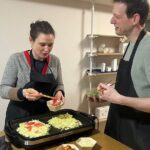
If you’re in Osaka and you want more than a food photo, this class is built for that. It’s a practical, full-lunch experience: you cook, you assemble, and then you eat your own bento. That last step matters. Too many classes stop when the pan goes quiet. Here, the process includes how Japanese-style lunches are actually put together and enjoyed.
You’re also getting cultural context without turning it into a lecture. The instructor’s role is both teacher and chef—guiding you while explaining the reasoning behind what tastes good together. One standout detail from the experience is the way the class starts with dashi, and how Yumi (and other instructors at the school, like Fumi) talk through the history and process of the soup stock used across many Japanese dishes. That gives you a mental model you can reuse later when you cook at home.
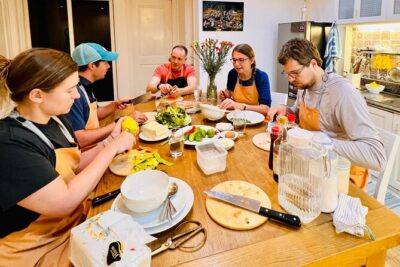
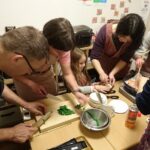
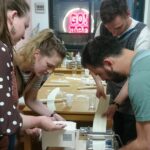
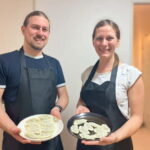
Finally, the small-group size is part of the value. With a maximum of 8 travelers, you’re less likely to spend the whole time watching someone else work. Instead, you can participate through most of the steps, which is the difference between a fun show and a skill-building morning.
You can also read our reviews of more tours and experiences in Osaka.

Where it happens: Banix Kita-Horie and why location is useful
The class meets at Banix北堀江 Japan (in Nishi Ward, Kitahorie), specifically at 3-chōme-62 システマギャラリー. The location is described as near public transportation, which is a big deal in Osaka. You don’t want to burn time hunting a studio address when you’re hungry and ready to cook.
Because the class ends back at the meeting point, you’re not planning a half-day transit loop. That simplifies your day: you can pair it with nearby sightseeing or a casual dinner afterward without crossing town at peak congestion.
Before the first cut: lunch box choice and the lesson’s mindset
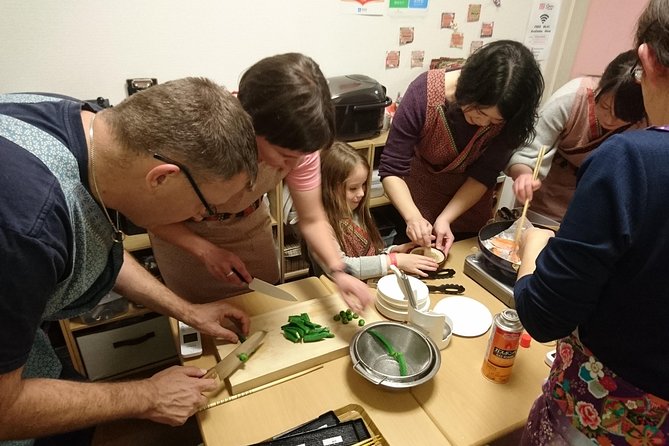
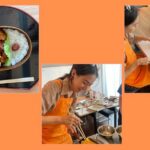
At the start, you choose a lunch box you like and put on an apron. That sounds small, but it sets the tone. Bento isn’t only about food; it’s about packing, shaping, and making the meal look inviting before you ever take a bite.
This is also when you’ll get your first sense of what the instructors expect. The class is designed to feel doable even if you’re new to Japanese cooking. Reviews highlight teaching styles that stay warm and straightforward, with English described as clear and to the point. If you’re worried about language, that’s reassuring.
Making dashi: the flavor base that ties the whole bento together
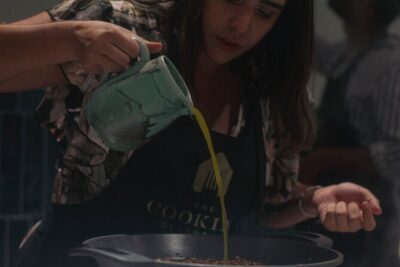
The cooking begins with dashi, the traditional Japanese broth used as a foundation in many dishes. This is a smart choice for a bento class because dashi is like culinary grammar—it shows up everywhere, even when it’s not the headline ingredient.
In the experience, the instructor explains the process behind dashi and connects it to why it works. That matters to you because it turns what could be a one-time recipe into a technique you can reuse. Even if you don’t remember every step, you’ll walk away understanding the logic: build flavor with a stock, then let the rest of the ingredients show their personality.
If you’re the type who wants your meals to taste balanced, you’ll appreciate this start. Bento tends to rely on contrast—savory versus mild, crunchy versus soft, hot versus room-temperature. Dashi is one of the tools that helps that balancing act stay coherent.
The main build: up to seven home-style dishes
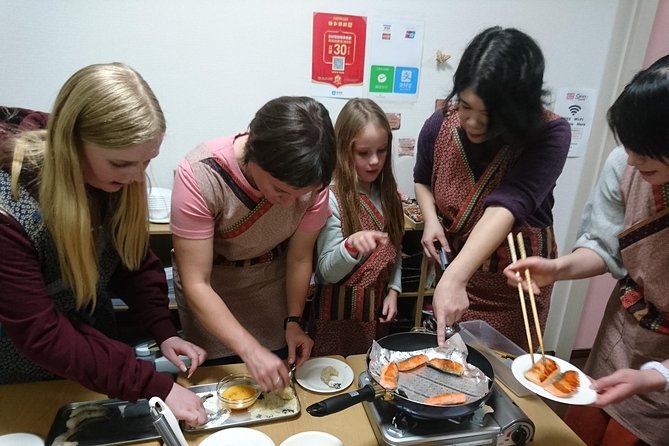
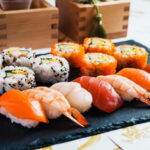
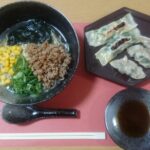
After dashi, the class moves into making a set of classic dishes that are common in Japanese homes. The exact lineup is built around a mix of ingredients, including Wagyu beef, shrimp, salmon, egg, squash and mushrooms, green vegetables, and—of course—rice balls.
You’ll practice core cooking methods during the session, including frying, grilling, simmering, and marinading. That is one of the best parts of this class for practical travelers. Instead of learning seven unrelated recipes, you’re learning techniques and then applying them to a bento context.
What this lineup means for your lunch
This menu structure helps you understand Japanese “balanced lunch” logic:
- Protein variety: Wagyu beef and shrimp give you rich flavors that feel special without being overly complicated
- Sea-to-land mix: salmon alongside mushrooms and squash adds a softer, earthy balance
- Egg and vegetables for texture: egg helps fill and smooth out flavors; green vegetables add freshness
- Mushrooms everywhere they can work: mushrooms bring depth and an umami backbone that plays nicely with dashi
Even if you’ve never made bento before, you’ll come away with a template. You’ll know which categories to include and how they can share a lunch box without fighting each other.
Triangular rice balls: shaping, molding, and getting the details right
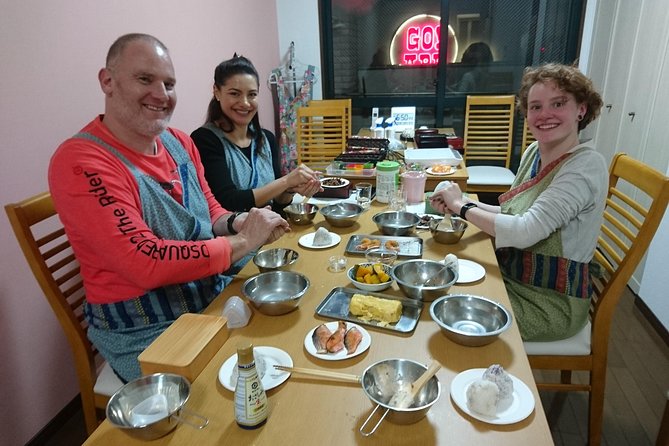
Triangular rice balls are one of the most iconic parts of Japanese lunch culture, and this class treats them like a skill. You’ll practice shaping using plastic molds, then complete two rice balls yourself.
That mold step is valuable because it removes the guesswork. Rice can be sticky and awkward when you’re learning, and triangular forms often look easy until you try them. By practicing the shaping process, you learn how the rice should sit and how to create clean edges.
For you, the takeaway is bigger than one lunch box item. Once you understand the shaping logic, you can replicate the style later with less frustration. You’ll also get a sense of how rice is portioned in real Japanese home cooking—practical, not showy.
Bento packing: the part most people skip, and you won’t
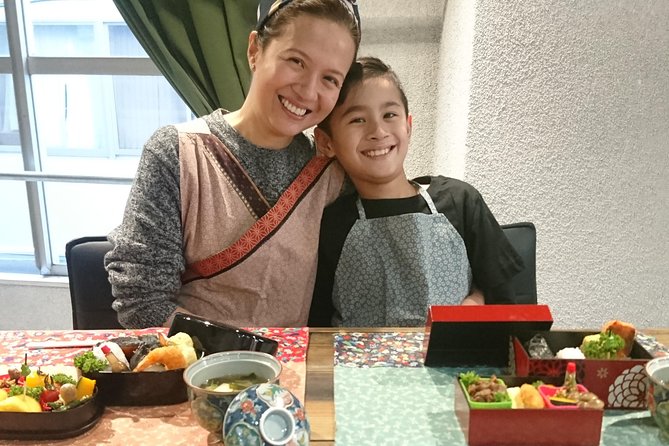
When the cooking is done, the class shifts to packing. This is where the instructors’ advice becomes surprisingly important. You’ll try arranging dishes in your lunch box, including fresh vegetables, and the teacher guides you on an attractive packing method.
This step matters because bento packing is partly about eating experience:
- you want flavors to work together without everything mixing into one pile
- you want a variety of textures in each bite
- you want the lunch to be visually inviting
Reviews strongly emphasize the presentation and arranging part—exactly because it turns a list of dishes into an actual meal. And yes, this is also where your chosen lunch box starts to matter. Different box shapes can change how you stage each item.
Eating your bento with miso soup: how the meal is finished
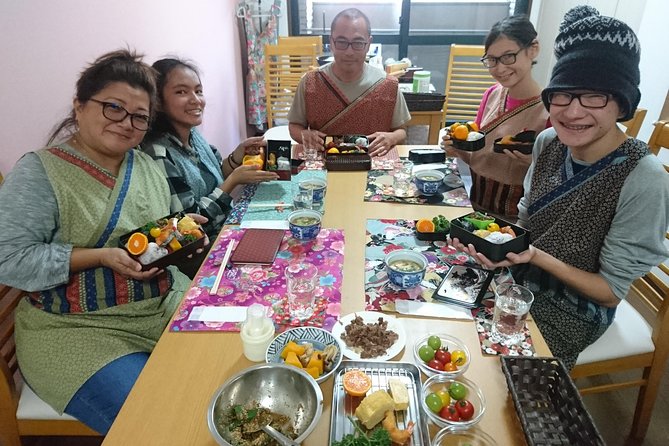
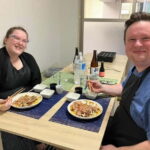
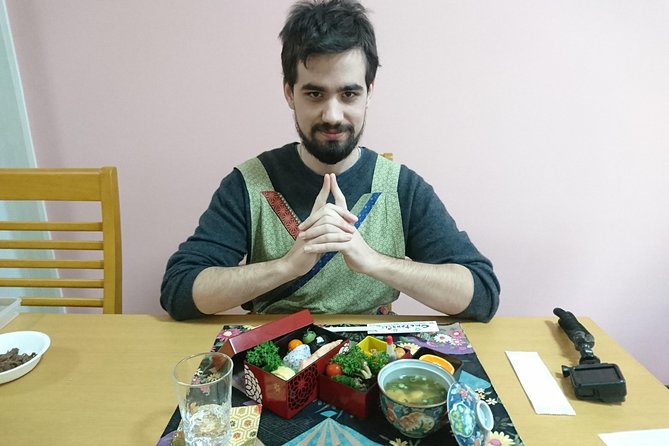
At the end, you place the dishes in your lunch box along with chopsticks and say Itadakimasu. Then you eat what you made, served with complimentary miso soup.
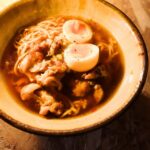
That complimentary miso soup is a nice finish. It adds warmth and a comforting rhythm after cooking and packing. Also, since dashi and miso soup both sit in the broader flavor family of Japanese broth-based comfort, your palate gets to connect the dots.
The simple closing ritual makes the experience feel complete. You’re not leaving the kitchen with just food containers—you’re leaving with an understanding of how lunch is actually enjoyed.
Who this class is best for (and who should think twice)
This is a great match if you:
- want a hands-on food experience rather than a tasting-only tour
- like learning cooking techniques you can use later
- enjoy cultural context that’s tied directly to what you’re cooking
- are traveling with kids who can follow step-by-step instructions (this class requires a child to be accompanied by an adult, and the structure is easy enough for younger learners)
It might be less ideal if you:
- hate cooking in a time-boxed setting
- want a very slow pace with lots of individual customization
- prefer browsing a market instead of spending your time at a work station
The good news: the small group and active participation help balance the time constraint.
Price and value: is $92.24 a smart use of your day?
At about $92.24 per person for roughly 2 hours 30 minutes, you’re paying for more than a meal—you’re paying for guided cooking practice plus the full bento assembly experience. The value shows up in three places:
1) You leave with skills, not just flavor. Dashi, technique practice (frying/grilling/simmering/marinading), and rice ball shaping are reusable.
2) You control the output. You cook, arrange, and eat your own lunch. That feels like real progress.
3) You get a balanced set. Up to seven classic dishes plus miso soup means you’re not sampling random bites—you’re experiencing a coherent Japanese lunch format.
If you’re the kind of traveler who thinks cooking classes are only worth it when they’re structured and hands-on, this one fits that logic.
Practical tips so you enjoy it more
A few things will make the day smoother:
- Bring confidence, not expertise. The class is built for participation, and instruction is described as clear.
- Plan your schedule so you’re not rushing afterward. You’ll cook, pack, and eat on-site, so give yourself time to enjoy the result.
- If you have dietary needs, advise them at booking. The class asks for this in advance.
Should you book this Osaka bento class at Sakura Cook?
If you want an authentic slice of everyday Japanese food culture, I’d strongly consider booking. The experience is built around what locals actually do: make a broth base, prepare home-style dishes, shape rice balls, and pack a lunch that’s ready to eat right away. The dashi explanation from Yumi and the careful, attentive teaching style associated with Fumi are exactly the kind of details that make a class more memorable than just tasty.
Book it if you’re hungry for skills and you like the idea of eating what you made, miso soup included. Think twice only if your ideal day is slow and flexible, because the session is structured to fit a lot of dishes into a set timeframe.
FAQ
FAQ
What is the duration of the Well-balanced Bento cooking class in Osaka?
The class runs for about 2 hours 30 minutes (approx.).
How much does the class cost per person?
The price is listed as $92.24 per person.
Where is the meeting point?
The start location is Banix北堀江 Japan, 550-0014 Osaka, Nishi Ward, Kitahorie, 3-chōme62 システマギャラリー. The activity ends back at the meeting point.
What dishes do you make during the class?
You make traditional Japanese broth dashi, prepare up to seven dishes often eaten at home, and also make triangular rice balls. The dishes include Wagyu beef, shrimp, salmon, egg, squash, mushrooms, green vegetables, and you’ll pack fresh vegetables in your bento.
Do you make triangular rice balls yourself?
Yes. You practice shaping with plastic molds and then complete two rice balls for your bento.
Is miso soup included?
Yes. After you finish packing, your meal is served with complimentary miso soup.
How large is the group?
The class has a maximum of 8 travelers.
Are dietary requirements handled?
You should advise any specific dietary requirements at the time of booking.
Can children join?
Children must be accompanied by an adult.
What happens if I need to cancel?
You can cancel for a full refund up to 24 hours in advance. If you cancel less than 24 hours before the start time, the amount paid is not refunded.