REVIEW · TOKYO
Sushi Cooking Class
Book on Viator →Operated by Miwa's Japanese cooking class · Bookable on Viator
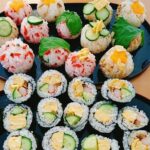
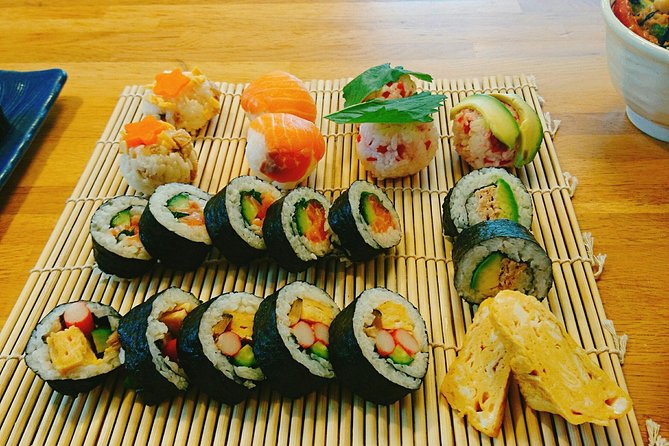
Sushi in Tokyo, without the restaurant rush. This class pairs a local shopping arcade walk near Musashikoyama Station with hands-on sushi making at the teacher’s home. You’ll roll seasonal sushi-rolls, shape colorful temari sushi, and learn the basics that make it all hold together.
I really like how small this group is, capped at 4 people, so the instruction stays personal. I also like the teaching style: Miwako/Miwa works step-by-step, and English speakers are covered well. The one downside to think about is the price: at $711.60 per person, it’s best if you’ll actually use the class like a hands-on experience, not just “watch and eat.”
In This Review
- Key highlights you’ll care about
- Entering a Tokyo arcade first, not a classroom
- Miwa’s home kitchen: small group, lots of guidance
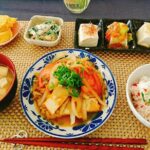
- Your sushi menu: rolls, temari sushi, miso soup, and dessert
- The side dish and the tamago-style skills you might get
- How the 2–3 hours actually work (and why that pacing is good)
- Vegan-friendly customization you should take seriously
- Price and value: is $711.60 per person worth it?
- Who this sushi class fits best (and who might want something else)
- Practical tips before you show up
- Should you book this Sushi Cooking Class in Shinagawa?
- FAQ
- How long is the sushi cooking class?
- Where do I meet for the class?
- What time does the class start?
- Is the class limited to small groups?
- What dishes are included in the menu?
- Can this class work for vegans or vegetarians?
- Are there options for allergies?
- What is the cancellation refund window?
Key highlights you’ll care about
- Meet at Musashikoyama Station (Tokyu Meguro Line), then walk through a very local shopping arcade
- Small group limit of 4, which makes questions and corrections easy
- Seasonal sushi-roll and temari-sushi plus miso soup and dessert as part of the meal
- Vegan and vegetarian options can be customized, and allergies can be handled if you tell them in advance
- A real home-kitchen feel, with lots of time doing the work, not just tasting
Entering a Tokyo arcade first, not a classroom
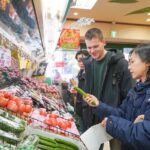
You start at Musashikoyama Station on the Tokyu Meguro Line (start time is 10:30 am). Then you walk through a shopping arcade before you reach the cooking space. This matters because you get your Tokyo “daily life” moment before you cook, instead of jumping straight from a landmark taxi line into a tourist machine.
That arcade walk is described as very local and not really touristy. It’s also a good warm-up for the day: you’re already moving, you’re already seeing neighborhoods the way locals do, and you’re in the right mindset to learn rather than just consume.
One practical note: since you’re walking an arcade, wear comfortable shoes. It’s Japan, but you’ll still be on your feet.
You can also read our reviews of more tours and experiences in Tokyo.

Miwa’s home kitchen: small group, lots of guidance
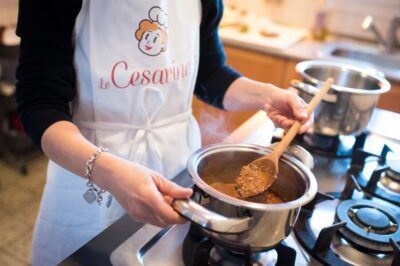
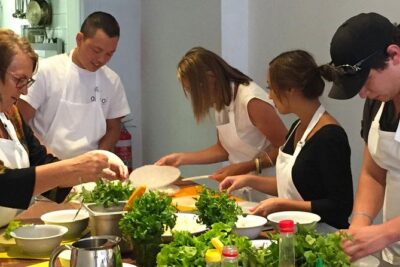
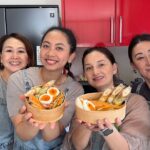
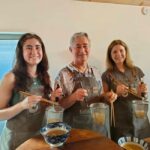
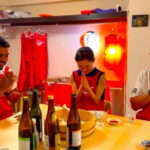
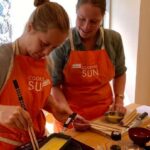
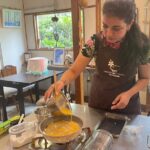
Once you arrive, the session shifts into real-life cooking mode at the teacher’s place. The class is limited to a maximum of 4 travelers, which means you won’t be one more face in a crowd. In the small-group setup, questions stay on-topic and corrections happen while your hands are still doing the steps.
From the experience descriptions and feedback, Miwako/Miwa is patient and very organized with instruction. English speakers are explicitly covered well, and many people highlight the step-by-step teaching style. If you’ve never rolled sushi before, that’s the whole point here.
Also, this is a home-kitchen setup, not a studio. That usually means you’ll get a more personal vibe—tidy, bright, welcoming—and you’ll learn how Japanese home cooks actually approach a meal.
Your sushi menu: rolls, temari sushi, miso soup, and dessert
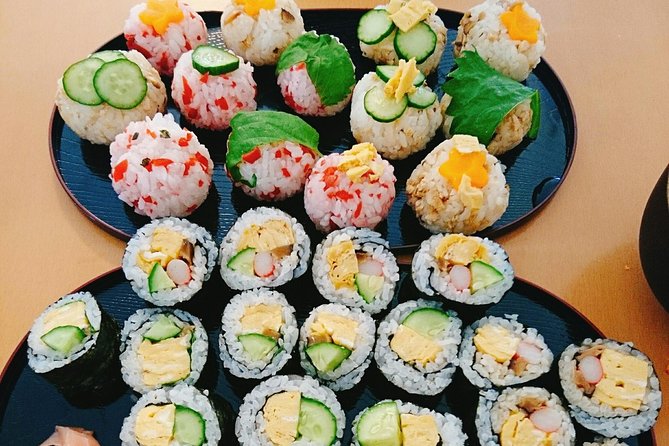
The core class focuses on sushi and a few key supporting dishes. You’ll prepare:
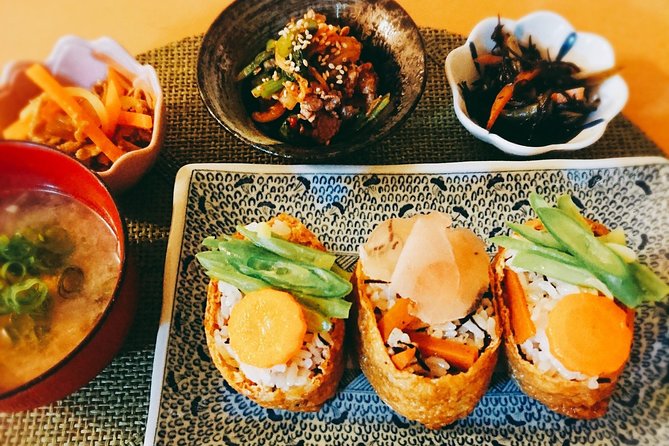
- Seasonal sushi-roll and temari-sushi
- One side dish
- Miso soup
- Dessert (serving only)
Even better, you can customize recipes if you request it. The experience also notes vegan ingredients as part of the approach, and vegetarian recipes can be adjusted to match your preferences. If you’re traveling with someone who eats differently—no meat, no eggs, allergies—this is where you get real flexibility instead of hoping a restaurant can accommodate your specific needs.
Temari sushi is especially fun for beginners because it’s less “perfect roll pressure” and more about shaping and texture. Seasonal rolls are where you practice the fundamentals: rice handling, rolling technique, and getting clean cuts.
And miso soup is a great anchor dish. It’s comforting, it rounds out the meal, and it gives you a sense of how Japanese meals balance warm soup with bite-size sushi.
The side dish and the tamago-style skills you might get
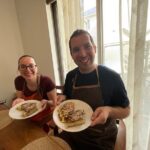
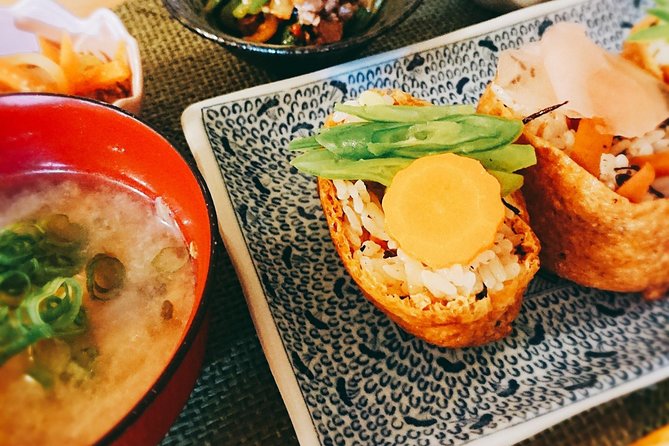
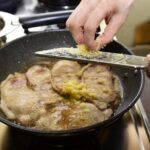
The official menu lists one side dish, but the way the class is described in real feedback suggests you may also get lessons that feel like classic Japanese comfort food. For example, some people mention an egg omelette/tamago lesson and chicken nanban as part of what they cooked.
Here’s how to use that information wisely: don’t assume your exact side dish will be the same as someone else’s. But do know the class has the skills and structure to teach more than just sushi rolling. If you care about egg techniques (like tamago-style texture) or want a broader Japanese meal beyond sushi, this experience has a track record for delivering that.
One more flavor detail: one person describes the kitchen smell from dashi preparation using katsuobushi and kombu. Since the class also mentions vegan-friendly ingredients, your version may vary. Either way, you’ll learn that Japanese cooking isn’t just technique—it’s flavor building.
How the 2–3 hours actually work (and why that pacing is good)
The schedule is listed as about 3 hours total, with the class itself running about 2–3 hours. That pacing is ideal for a cooking class because it’s long enough for real hands-on progress but short enough to stay fun and not exhausting.
Here’s what tends to happen in this type of format, and why it works for first-timers:
- You meet, you walk the arcade, you show up ready.
- At the home kitchen, you get a clear sequence and start making rice-related and roll-related steps.
- You shift into shaping (temari sushi) and cooking supporting dishes (miso soup and the side).
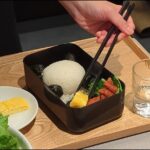
- You eat what you made—this is included as lunch and part of the overall meal experience.
Also included are food tasting and dinner, on top of the lunch (3-course lunch). That means you’re not just learning; you’re eating the result in a structured way.


Vegan-friendly customization you should take seriously
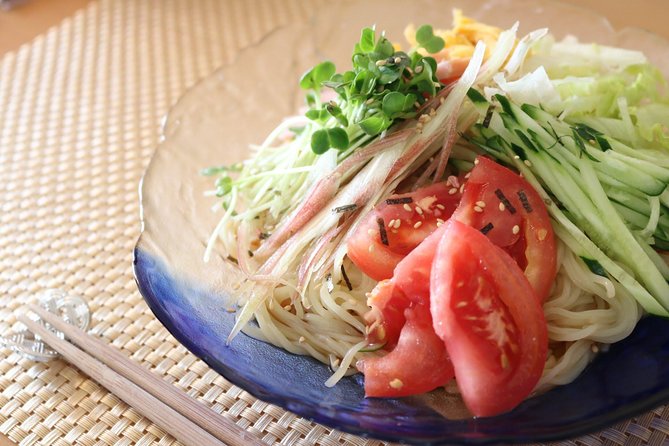
The experience is explicitly positioned with healthy vegan ingredients, and it also says you can customize recipes. That’s useful because sushi and Japanese dishes aren’t always automatically vegan-friendly (rice is easy, but fillings and broths can get complicated fast).
If you’re vegan or vegetarian, do two things:
- Tell the teacher about your preferences ahead of time.
- Mention any allergies in advance, because allergy handling is stated as something you should communicate before the class.
I like classes that ask for this up front. It usually means you’ll get an actual plan, not last-minute substitutions.
Price and value: is $711.60 per person worth it?
Let’s talk money honestly. At $711.60 per person, this is not a bargain sushi “try it” activity. What you’re paying for is:
- A small group cap (4), which keeps instruction personal
- A teacher-led class in a home kitchen, not a crowded showroom
- Multiple components: sushi rolling plus miso soup, dessert, and additional meal elements
- Customization support for vegan/vegetarian preferences and allergies
So the value math depends on your travel style. If you just want a quick sushi meal, you’ll probably spend less at a restaurant. But if you want to learn techniques you can repeat later—especially the method for sushi rolls and temari sushi—this can be worth it.
I’d treat it like a “skills ticket.” The best outcome is not just eating good food in Tokyo. It’s leaving with repeatable know-how and a memory tied to your own hands.
Who this sushi class fits best (and who might want something else)
This is a strong pick for:
- Couples and friends who want a shared activity that ends with eating your own work
- Families with kids who can handle a hands-on cooking session (children must be accompanied by an adult)
- Anyone who likes food culture and wants something more local than a standard restaurant meal
It’s less ideal if:
- You hate getting your hands messy, even a little
- You want only a restaurant meal and zero cooking involvement
- Your budget is tight and you’re looking for the lowest-cost Tokyo experience
The small group setup also makes it a good fit when you want conversation, not just a worksheet of steps.
Practical tips before you show up
A few things will make the class smoother:
- Bring your allergy and preference notes in writing if you can. The class says to let the teacher know in advance if you have allergies.
- Plan for walking through the shopping arcade before cooking starts.
- Use your mobile ticket. It’s listed as included, so have it ready on your phone.
- Arrive on time for the 10:30 am start so you don’t cut into instruction.
One more idea: if you’re picky about vegan or vegetarian versions, ask directly what will be used for the fillings and soup base. The class supports customization, but you’ll get the best results when you steer the menu.
Should you book this Sushi Cooking Class in Shinagawa?
If you want a real hands-on food experience in Tokyo, this is an easy yes. The combination of a local arcade walk, a small group, and patient step-by-step sushi instruction is exactly the kind of activity that turns Tokyo into something you can do, not just see.
I’d book it when:
- You’re comfortable paying more for a personalized class
- You’ll actually cook (not just watch)
- You care about vegan/vegetarian customization and want a plan rather than guessing
I’d skip it when:
- Your goal is cheap eats
- You want a traditional restaurant atmosphere only
- You’re short on time and can’t fit the full 3-hour window
FAQ
How long is the sushi cooking class?
The class runs about 2–3 hours, and the overall experience is listed as approximately 3 hours.
Where do I meet for the class?
You meet at Musashikoyama Station (Tokyu Meguro Line). The activity ends back at the meeting point.
What time does the class start?
The start time listed is 10:30 am.
Is the class limited to small groups?
Yes. The class has a maximum of 4 travelers, for a small-group experience.
What dishes are included in the menu?
You’ll cook seasonal sushi-roll and temari-sushi, one side dish, miso soup, and dessert (serving only). You can also customize recipes upon request.
Can this class work for vegans or vegetarians?
Yes. The class is described as featuring healthy vegan ingredients, and vegan and vegetarian recipes can be customized to suit your preferences.
Are there options for allergies?
Yes, but you should let the provider know in advance if you have allergies.
What is the cancellation refund window?
You can cancel for a full refund if you cancel at least 24 hours before the experience’s start time. If you cancel less than 24 hours before, the amount paid is not refunded.