REVIEW · TOKYO
Tokyo: Japanese Home-style Cooking Class with Meal
Book on GetYourGuide →Operated by Patia's Japanese Cooking Class · Bookable on GetYourGuide
You’ll leave with real kitchen confidence. This Tokyo class focuses on Japanese home-style cooking with hands-on steps, and you finish by eating what you make. I particularly love learning dashimaki tamago and saikyo yaki, because they’re classic dishes that teach method, not just flavor. One thing to consider: the studio location details are shared only about 3 days before, and the Google Map can point you to the wrong spot.
I like that the instruction is in English, with instructors such as Nao and Erika getting real praise for patience and clear help. You also get practical guidance on nutritional balance, seasoning, and presentation, not just how to follow a recipe. If you want a cooking class that feels like a friendly lesson you can repeat later at home, this hits the mark.
In This Review
- Key Highlights You’ll Actually Care About
- Japanese Home Cooking in Tokyo: Why This Class Feels Practical
- The 150-Minute Flow: From Studio Work to Your Lunch Table
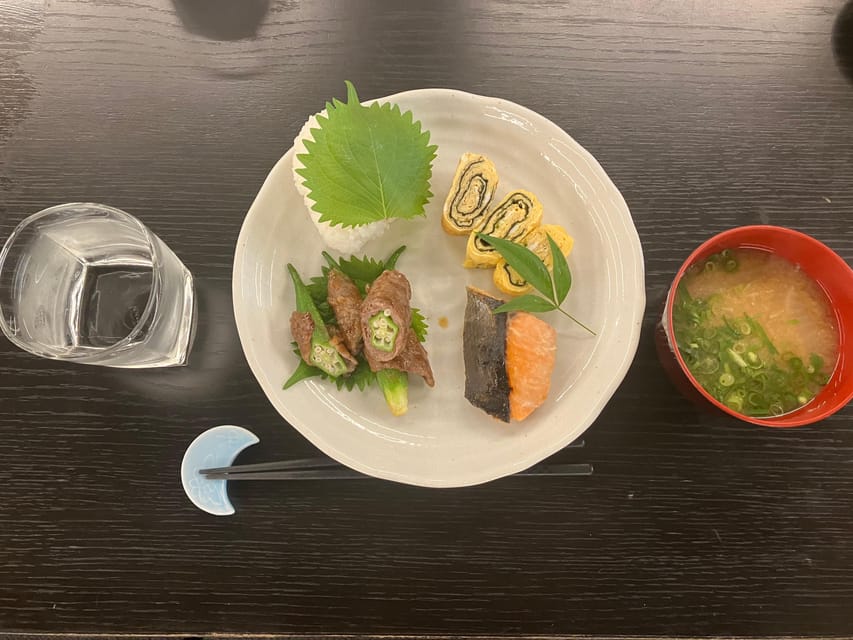
- What You’ll Actually Cook: Dashi, Saikyo-Yaki Fish, Tamago, Rice, Miso Soup
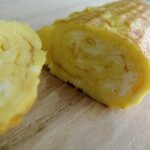
- Dashimaki Tamago: The Rolled-Omelet Skill That Looks Hard (But Isn’t)
- Saikyo-Yaki-Style Fish: Miso, Marination, and Grilling Real-World Flavor
- Dashi and Miso Soup: Learning the Flavor Foundation Instead of Memorizing Recipes
- Instructor Support in English: Nao and Erika, Patience, and How to Judge the Class
- Price and Value: What $90 Buys You in Tokyo
- Where the Studio Is: Shinjuku, Chiyoda, Minato, and the Map Trick
- Who Should Book This Cooking Class (and Who Should Skip It)
- Should You Book Patia’s Japanese Cooking Class?
- FAQ
- What recipes will I learn in this Tokyo cooking class?
- How long is the class?
- Is the cooking class taught in English?
- What’s included in the price?
- Is hotel pickup or drop-off included?
- Where do I meet for the class?
- Are there any restrictions on who can join?
- Is smoking allowed indoors?
- What’s the cancellation policy?
Key Highlights You’ll Actually Care About
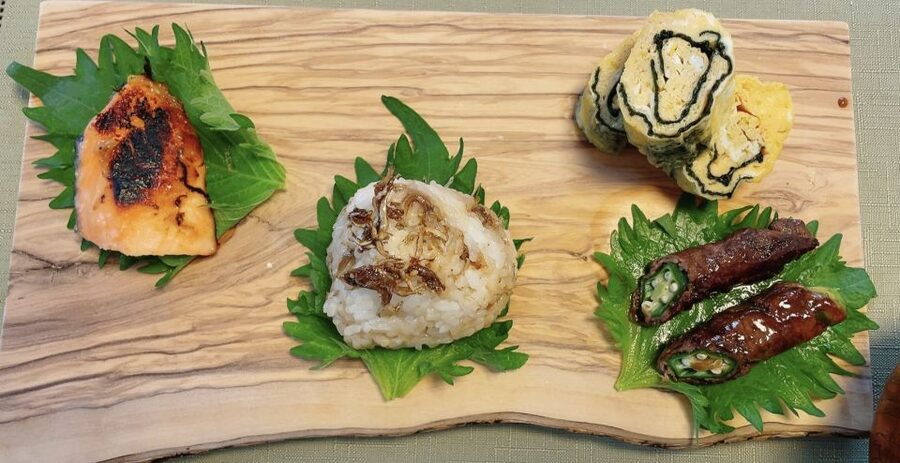
- Dashimaki tamago hands-on practice so you understand the rolled-omelet technique, not just the final look.
- Saikyo-yaki-style grilled fish to learn how miso-marinated flavor turns simple ingredients into something special.
- Dashi basics plus miso soup so you start to taste the difference between seasonings and finished dishes.
- Eat-right-after tasting time (about 30 minutes) so your food knowledge lands immediately.
- English support with instructors like Nao and Erika—many students call out patience and the ability to explain things well.
- Simple, repeatable recipes that are presented as achievable, not chef-only complicated.
Japanese Home Cooking in Tokyo: Why This Class Feels Practical
Tokyo is famous for food, but most cooking experiences feel either too touristy or too showy. This one is built around home-style dishes—food you’d recognize on a normal Japanese table. That matters, because you’re not just chasing fancy techniques. You’re learning how Japanese cooking balances flavor, looks good on a plate, and stays consistent dish after dish.
I also like the way the class connects technique to taste. You’re not waiting until the end of a long tour to understand what you did. The meals you cook are part of the experience right away, so when you adjust seasoning or notice how a roll sets, you can actually taste the result.
There’s another nice bonus: the menu isn’t random. You’ll work with a Japanese dashi stock concept, miso-based flavors, and comfort-food staples like rice. That combination teaches how Japanese home cooking builds depth without needing complicated ingredients.
You can also read our reviews of more tours and experiences in Tokyo.

The 150-Minute Flow: From Studio Work to Your Lunch Table
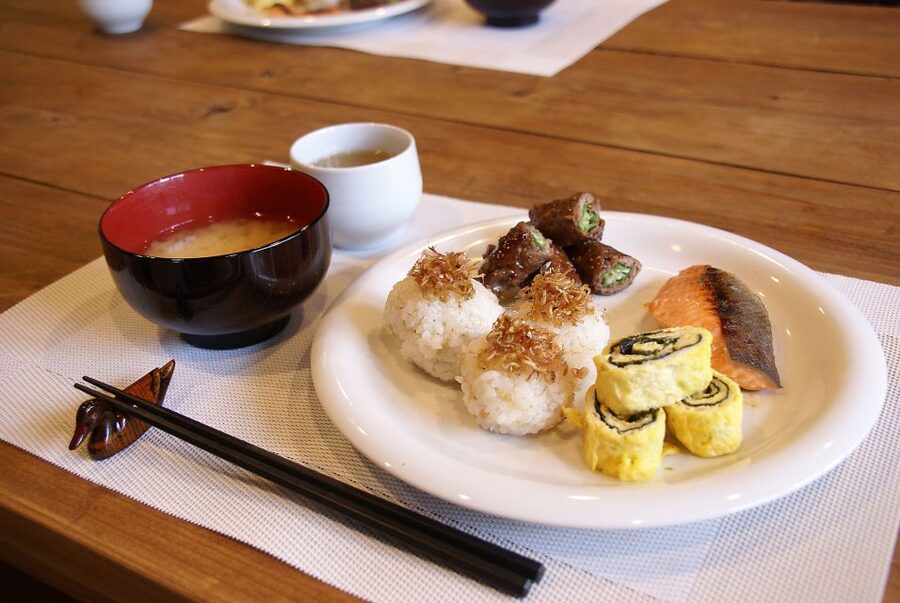
This is a tight, efficient schedule. You’ll spend about 1.5 hours cooking, then about 30 minutes tasting.
Cooking window (11:00–13:00):
- You’ll prepare and work through a small menu focused on core Japanese home flavors.
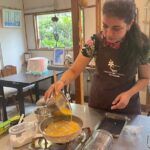
- Expect hands-on steps with guidance from an English-speaking instructor.
Tasting window (around 13:00–13:30):
- You sit down with the dishes you made.
- Drinks are included with the meal.
That pacing is good for two reasons. First, it keeps your attention on the cooking while your hands still remember what you just did. Second, it prevents that common “cooking class fatigue” where you’re tired before you even eat. If you’re planning a Tokyo day with other stops, this class slots in cleanly because it’s a single morning-to-early-afternoon block.
What You’ll Actually Cook: Dashi, Saikyo-Yaki Fish, Tamago, Rice, Miso Soup
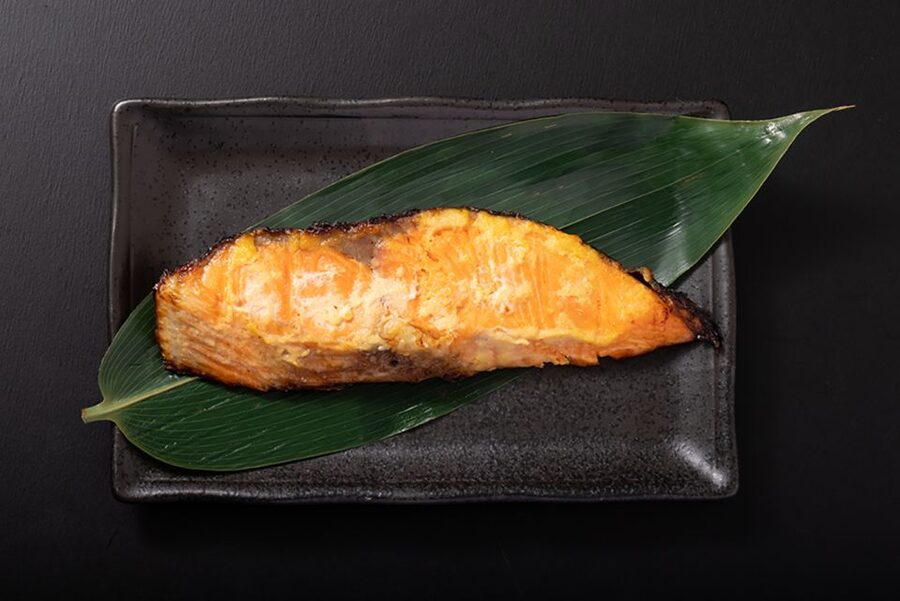
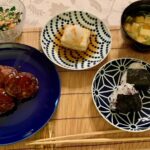
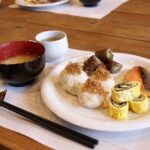
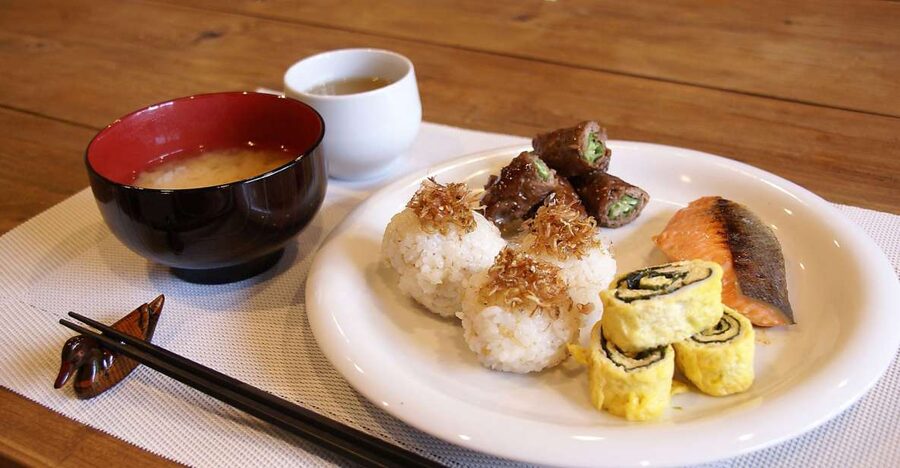
This class has a clear, learnable menu. You’ll cook:
- Japanese dashi stock
- Grilled fish with Saikyo-yaki style
- Rice ball
- Japanese miso soup
And you’ll also learn recipes such as:
- Saikyo-yaki (miso-marinated fish)
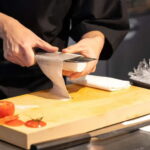
- Dashimaki tamago (rolled omelet)
Here’s why this set works. Dashi and miso soup teach you the Japanese flavor foundation: how you build umami and round out taste with seasonings. Then the fish and tamago teach two very different skills—marination and grilling on one side, precise rolling and texture on the other. Throw in the rice ball, and you get a full comfort-meal feeling.
Also, the class includes the ingredients and the meal itself. You’re not arriving to “watch and snack.” You’re doing the work, then sitting down to eat it.
Dashimaki Tamago: The Rolled-Omelet Skill That Looks Hard (But Isn’t)
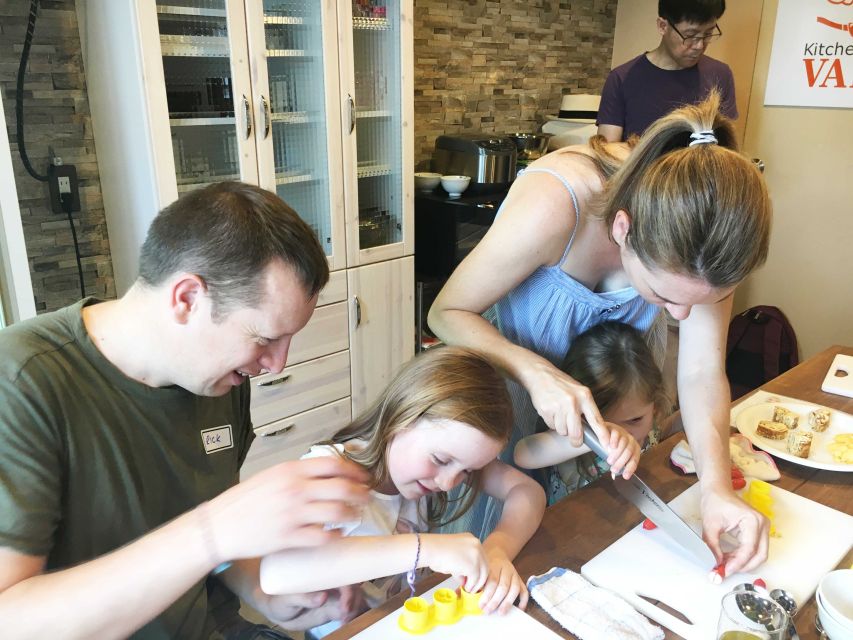
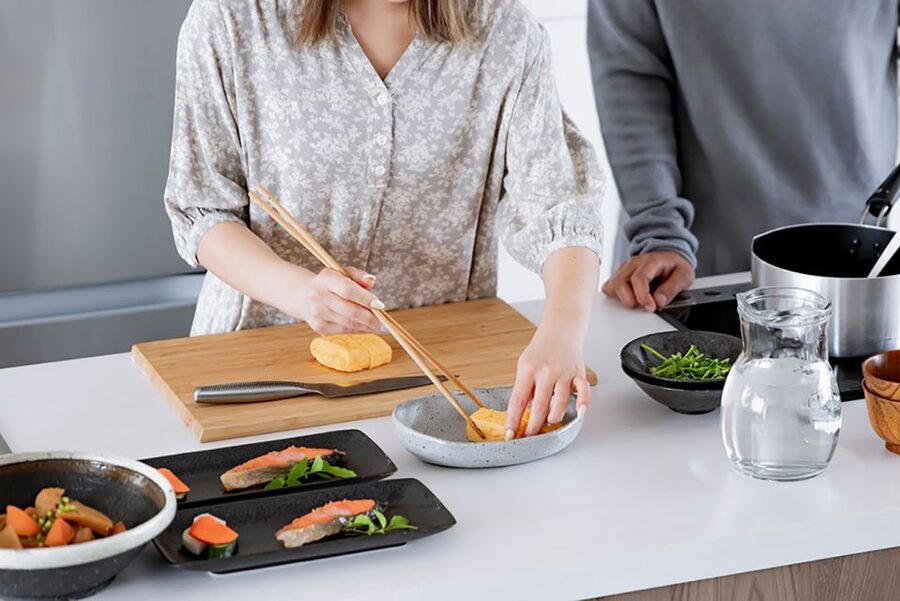
Rolled omelet is one of those dishes people assume is complicated. But in a good home-cooking lesson, it becomes a set of repeatable steps: control heat, manage texture, and roll carefully so the layers form cleanly.
I like that dashimaki tamago is part of the core focus here. It’s not just about taste. It’s also about understanding how eggs change as they cook. When you learn rolled omelet technique in a structured class, it’s easier to recreate later—especially for breakfast, lunch boxes, or quick sides.
If you care about presentation, this dish is a great teacher. Japanese meals often look simple, but the details matter. With tamago, the texture and shape are part of the flavor story.
And because the tasting happens right after cooking, you can connect what you did to how it turned out. That’s how the skill sticks.
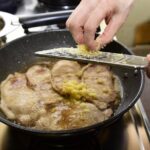
Saikyo-Yaki-Style Fish: Miso, Marination, and Grilling Real-World Flavor
Saikyo yaki is known for its sweet-savory miso notes and a softer, more delicate flavor than many other marinated fish styles. In this class, you’ll make grilled fish using Saikyo-yaki style and learn what makes that miso flavor work.
What I find useful for you here is the balance idea. Miso can be strong, but when it’s handled correctly, it supports the fish rather than covering it. You end up with a flavor profile that feels Japanese and homey, not heavy.
Even if you’re not a regular cook, fish is a great entry into technique because the results are easy to judge. Overcooked fish tastes obvious. Under-seasoned fish also shows fast. So the class menu helps you learn with feedback.

Dashi and Miso Soup: Learning the Flavor Foundation Instead of Memorizing Recipes
A lot of cooking classes stop at “make this dish.” This one gives you context around seasoning and the role of foundations like Japanese dashi stock. Dashi and miso soup are the backbone of many Japanese meals. When you understand the base, you start tasting differences more clearly—how richness, saltiness, and warmth work together.
For you, that’s the big takeaway. The goal isn’t just to remember an exact recipe. It’s to build a sense of how Japanese flavor is layered and balanced. That kind of knowledge helps when you’re cooking later with different ingredients or adjusting to your own kitchen.
When the class also talks about nutritional balance and presentation, it’s a reminder that Japanese home cooking isn’t only about taste. It’s also about making meals that feel satisfying and well-rounded.
Instructor Support in English: Nao and Erika, Patience, and How to Judge the Class
One of the most praised aspects from past sessions is the instructors—especially Nao and Erika—for being patient and helpful, and for presenting recipes in a way that students can actually recreate later. That matters because English instruction can vary from class to class. Here, the feedback points to explanations that match real learners.
That said, there’s one honest consideration: not every session has been described the same way. One earlier participant felt the session leaned a bit too amateurish, including comments about tools and whether the instructor needed to check steps during the process. That doesn’t mean the class is bad—but it does suggest you’re dealing with a hands-on group environment where experience and pacing can affect quality.
My practical advice: if you’re the type who learns by asking questions, arrive ready with curiosity. Early questions about seasoning goals, heat level, or rolling technique often get you more out of the class, even if the pacing isn’t perfect.
Price and Value: What $90 Buys You in Tokyo
At $90 per person for about 150 minutes, this class sits in the “serious experience” category, but it’s not just paying for time. You’re paying for:
- An experienced instructor (English guidance)
- Ingredients provided
- A cooked meal with multiple dishes
- Drinks included
- A structured set of teachable Japanese home recipes
The value is strongest if you want to bring skills home. Learning dashimaki tamago and saikyo-yaki style techniques isn’t the same as eating one great meal. You’re buying a repeatable outcome.
If you’re only looking for a one-time meal, you might ask yourself whether you’d rather spend on dining out. But if you want to cook later—bento sides, quick lunches, or simply impress friends with a rolled omelet—this is the kind of Tokyo class that earns its price.
Where the Studio Is: Shinjuku, Chiyoda, Minato, and the Map Trick
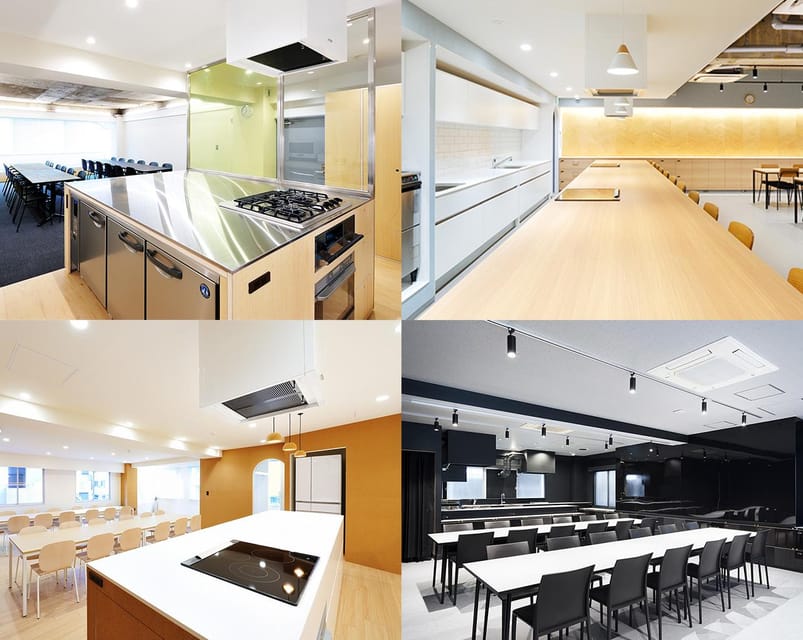
The studio areas are near Shinjuku, Chiyoda, and Minato wards, but there’s a catch: the Google Map link may show a different address. The correct meeting details are shared 3 days prior to your reservation.
So do yourself a favor:
- Plan to confirm the exact address once you receive it.
- Give yourself a little buffer time on arrival so you’re not rushing before class starts.
No hotel pickup is included, so you’ll want to use Tokyo transit and walk the final stretch. If you’re staying in central areas, this class is workable without a private transfer.
Who Should Book This Cooking Class (and Who Should Skip It)
This experience is best for people who:
- Want hands-on learning of Japanese home cooking, not just a food walk
- Enjoy practicing techniques like rolling and grilling
- Prefer English instruction
- Want to eat a meal you cooked, right after cooking
It’s specifically not suitable for:
- Children under 3
- People with back problems
- Vegans
If you eat fish and dairy/eggs are okay for you, you’ll likely have an easier time. If you’re strictly vegan, this class won’t fit, since the dishes include miso soup, fish preparation, and egg-based tamago.
Should You Book Patia’s Japanese Cooking Class?
If you want a Tokyo experience that teaches you something you can reuse at home, I think this class is a strong choice. The menu hits key Japanese home foundations—dashi, miso, and comfort staples like rice—while also teaching showable technique through dashimaki tamago and saikyo-yaki-style fish. Add in the meal you eat afterward, and the whole thing feels efficient and satisfying.
I would book it if:
- You like structured cooking lessons
- You want an English-friendly class with patient guidance (the Nao and Erika feedback is a good sign)
- You want skills, not only sightseeing photos
Skip it if:
- You’re vegan or you need specific dietary alternatives not listed here
- You have mobility or back limitations that could make standing or kitchen movement uncomfortable
- You hate last-minute address confirmations and prefer super-fixed meeting points
FAQ
What recipes will I learn in this Tokyo cooking class?
You’ll learn classic Japanese home-style dishes such as saikyo-yaki (miso-marinated fish) and dashimaki tamago (rolled omelet), along with Japanese dashi stock, a rice ball, and Japanese miso soup.
How long is the class?
The total duration is about 150 minutes, with cooking from 11:00 to 13:00 and tasting time from 13:00 to 13:30.
Is the cooking class taught in English?
Yes. The instructor provides guidance in English.
What’s included in the price?
The price includes the cooking class, ingredients, the meal (the dishes you cook), and drinks.
Is hotel pickup or drop-off included?
No. Hotel pickup and drop-off are not included.
Where do I meet for the class?
The studios are located near Shinjuku, Chiyoda, and Minato wards. The exact location details are provided 3 days prior to your reservation, and the Google Map may show a different spot.
Are there any restrictions on who can join?
The class is not suitable for children under 3, people with back problems, or vegans.
Is smoking allowed indoors?
No. Smoking indoors is not allowed.
What’s the cancellation policy?
You can cancel up to 24 hours in advance for a full refund.