REVIEW · TOKYO
Beauty Vegan Dessert Cooking Class + Sake Kasu Hand Mask Trial!
Book on Viator →Operated by Coji Life Cooking · Bookable on Viator
Fermentation meets beauty in Tokyo. This 2-hour vegan class is built around amazake and sake kasu, so you’re not just cooking sweets, you’re learning how fermented foods connect to Japanese culture and health. I especially like the focus on both inside-and-out wellness and the convenient central Tokyo location near Shibuya. One thing to consider: sake kasu contains alcohol, and it may not suit people with very sensitive skin or any hand cuts.
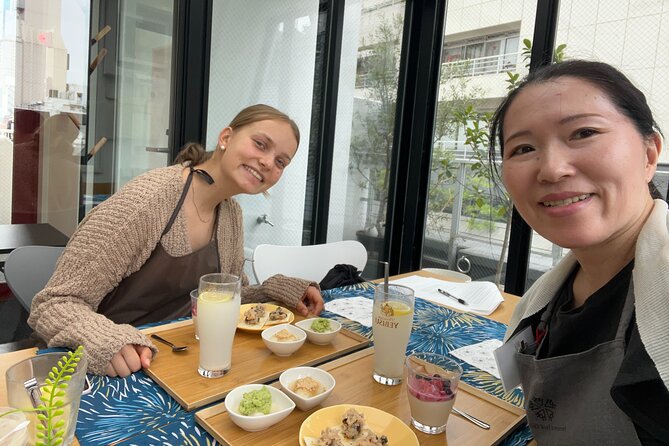
The class is small, capped at 6 people, and the venue is convenient enough that the weather matters less. You also get a lecture handout with recipes, which is great if you want to keep the momentum after your Tokyo day. If you want a same-day combo, there’s a second fermented-food lunch class at 11am, with a promotion gift if you do both.
You’ll leave with a better sense of how “fermented” fits into everyday Japanese eating, plus a beauty moment through the sake kasu hand mask trial. It’s a practical way to spend an afternoon, without turning it into a half-day production.
In This Review
- Key highlights
- Fermented Vegan Desserts and Beauty in 2 Hours
- Getting to Akasaka-Mitsuke: Shibuya-Proximity Without Weather Worries
- Amazake and Sake Kasu 101: Japan, Gut Health, and Food Wisdom
- Hands-On Cooking: Seasonal Vegan Sweets You Can Recreate
- Sake Kasu Hand Mask Trial and Sakura Tea Afternoon
- Price, Group Size, and Value: Is It Worth $64.09?
- Who Should Book and Who Should Skip
- Should You Book This Class?
- FAQ
- How long is the cooking class?
- Where do I meet for the class?
- Is the class vegan?
- What fermented ingredients are used?
- Does sake kasu contain alcohol?
- What’s included in the price?
- Is transportation included?
- Can I get a refund if my plans change?
Key highlights
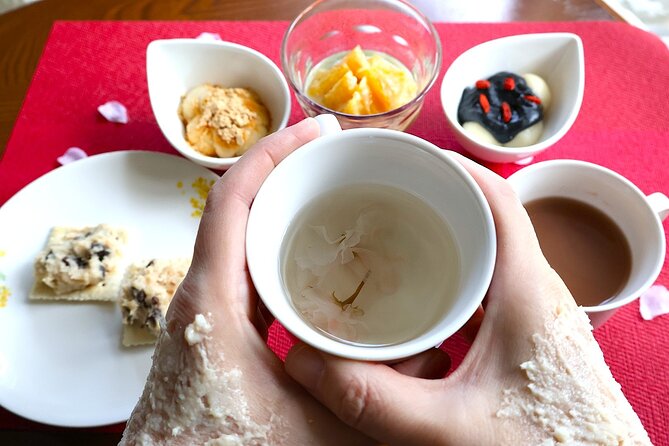
- Vegan sweets using Japanese fermented staples like amazake and sake kasu
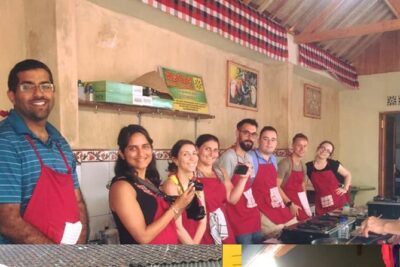
- Small group of max 6 so the teaching and demos feel personal
- Sake kasu hand mask trial for a beauty-focused add-on
- Japanese tea time with sakura tea alongside coffee or other tea
- Seasonal menu changes so the desserts can vary with timing
- Same-day promotion option: pair with the 11am fermented lunch class for a special gift
Fermented Vegan Desserts and Beauty in 2 Hours
This experience is built on a simple idea: fermented foods are a core part of Japanese food culture, not some niche hobby. In this class, you learn the basics through food and then test your understanding by making vegan fermented desserts. It’s one of the fewer cooking experiences that treats fermentation as the main character, not an afterthought.
I like that it connects fermentation to practical health and wellness themes, including gut health and beauty benefits. You’ll get that message through a lecture and a hands-on cooking format, rather than only sitting and listening. And because everything is vegan, it’s easier to fit into different diets without feeling like you’re getting a compromise version of Japanese food.
Here’s the trade-off. The class uses sake kasu, which is sake lees from alcohol production, and it contains around 8% alcohol. Even though the ingredient is used in a fermented-food context, you still need to plan around it if you avoid alcohol.
You can also read our reviews of more tours and experiences in Tokyo.

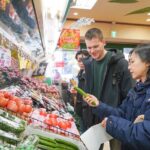
Getting to Akasaka-Mitsuke: Shibuya-Proximity Without Weather Worries
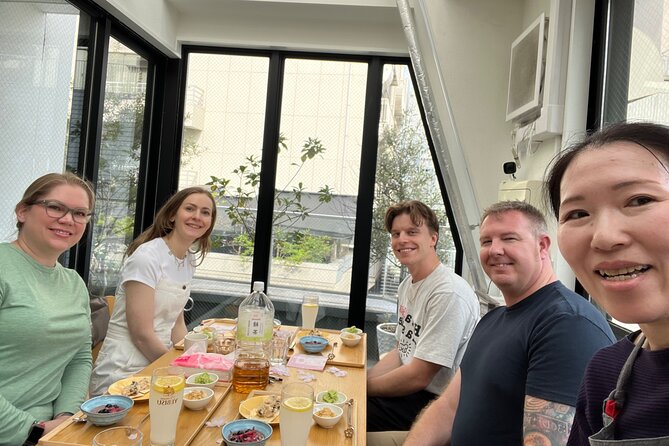
You meet at Akasaka-Mitsuke Station (3-chōme-1-6 Akasaka, Minato City). The start time is 2:00 pm and the experience ends back at the meeting point, so you’re not stuck figuring out a late-night return plan.
The venue is in the heart of Tokyo and only about 10 minutes from Shibuya Station, which is a huge advantage if you’re basing your day around Shibuya or nearby areas. It also means you’re not spending your energy on long commutes or weather-ruining walkways. The schedule is tight too: about 2 hours, so you can slot it between other plans without your day turning into a spreadsheet.
One more practical point: you get a mobile ticket. That’s small, but in Tokyo it adds up. Fewer paper confirmations to manage, fewer chances to scramble before a timed activity.
Amazake and Sake Kasu 101: Japan, Gut Health, and Food Wisdom
The heart of the class is fermented ingredients you can’t always find in regular home kitchens outside Japan. Amazake is a traditional fermented rice paste that’s sweet without added sugar, and you’ll use it as a key flavor and texture builder in the desserts. Then there’s sake kasu, sake lees, which are left behind after pressing sake and are used for their nutrient-rich angle.
The class doesn’t treat these ingredients like trivia. It explains why they matter, connecting them to Japanese culture and to health and beauty tips. Even if you’re not trying to become a fermentation expert, the way it’s taught helps you understand what you’re tasting and why it feels different from ordinary desserts.
A key consideration: sake kasu contains alcohol (about 8%). The class notes that you should not drive after the class. Also, for participants under 20 and for people who do not drink alcohol, there’s a banana option used instead of sake kasu. If that applies to you, you should flag it in advance so the instructor can plan the ingredient swap properly.
Hands-On Cooking: Seasonal Vegan Sweets You Can Recreate
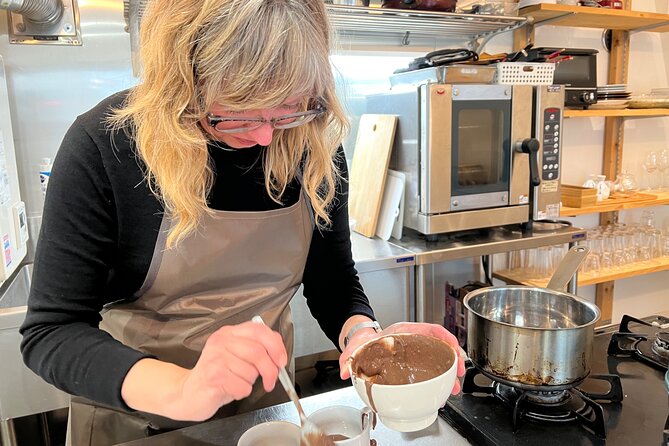
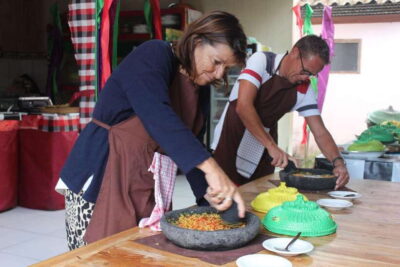
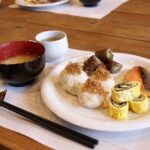
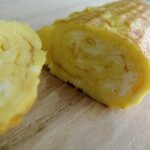
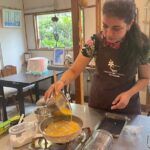
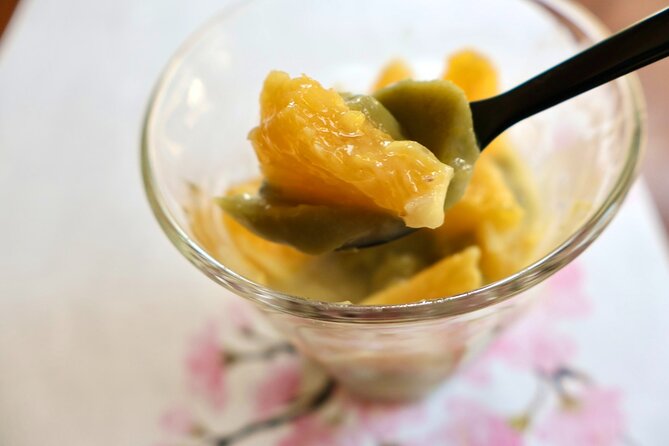
You’ll wear an apron (included), and you’ll make the snacks and desserts together during the 2-hour session. The exact menu changes depending on the season, so the experience is flexible rather than locked into one set of items year-round. That also means it’s not the kind of class where you learn the same steps no matter when you book.
What you can expect from the hands-on portion is more than assembling a dessert. The goal is to learn how amazake and sake kasu work in sweet applications—how they contribute sweetness, mouthfeel, and that fermented depth people associate with Japanese sweets. If you’ve ever wondered why some Japanese desserts taste softly complex instead of just sugary, this is the mechanism the class is aiming at.
You’ll also receive a lecture handout with recipe information. This is the kind of inclusion that helps after the class, because you can refer back when you’re shopping for ingredients or trying to recreate your version at home. A short memory helps no one; the handout gives you a real take-home reference.
If you’re the type who likes to leave cooking classes with ingredients you can actually locate again, this is a good match. Amazake and rice koji products are sometimes available outside Japan depending on where you live, and the class is built around those building blocks.
Sake Kasu Hand Mask Trial and Sakura Tea Afternoon
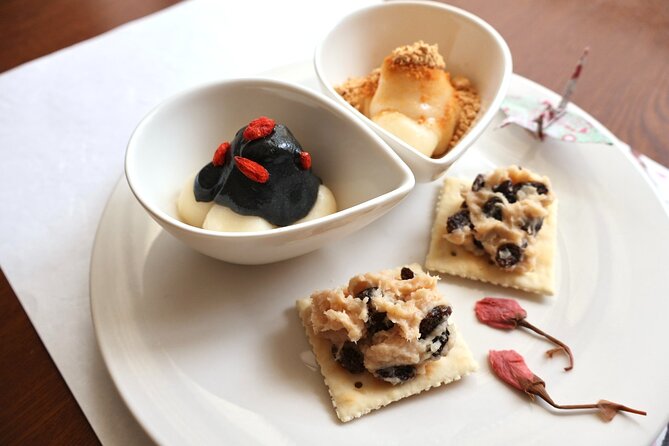
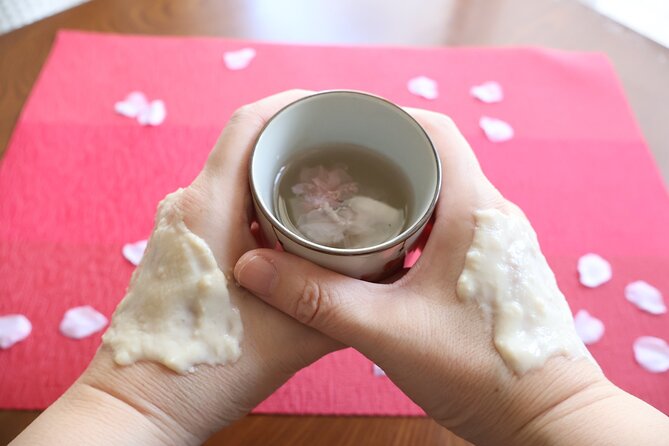
This class doesn’t stop at food. You also get a sake kasu hand mask trial, which is where the experience leans into the beauty theme. The idea is straightforward: you learn about how sake kasu is tied to glowing-skin claims in Japanese beauty culture, then you try the mask experience as part of the tour.
Because it involves cosmetics and a fermented ingredient, there are important boundaries. The class indicates sake kasu may not suit everyone’s skin and can cause irritation for those with sensitive skin. It’s also not available if you have any cuts or wounds on your hands. If you’re going into the class with already-irritated hands, a recent manicure problem, or any open nicks, take that seriously.
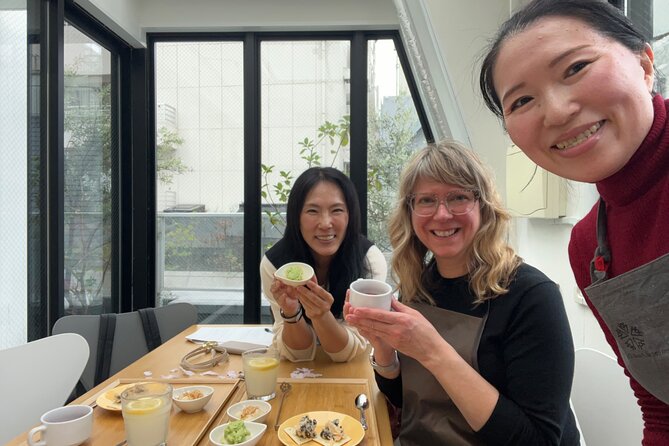
If you’re good with the skin side, the rest of the “afternoon tea” portion is a nice finishing touch. You’ll get sakura tea, and there’s also coffee and/or tea included. This part helps slow the pace after cooking, and it’s a good time to ask questions about what you made and how you might use the same fermented ingredients in other desserts.

Price, Group Size, and Value: Is It Worth $64.09?
At $64.09 per person for about 2 hours, the value comes from what’s included, not just the cooking. You get:
- apron
- snacks and desserts you make together
- coffee and/or tea
- a lecture handout with recipe material
- the sake kasu hand mask trial
You’re paying for ingredients, instruction, and the beauty add-on, all inside a central Tokyo location. In other words, you’re not just buying a bowl of dessert—you’re buying guided learning and a structured activity that feels complete.
The two “budget hits” to remember are that transportation is not included and you’ll likely need your own way to reach the meeting point. Also, the class runs in a small group (maximum 6 people). That small size supports better interaction, but it can also mean fewer dates fill quickly.
If you’re trying to maximize a Tokyo itinerary, this class is a smart use of time. You avoid full-day commitments, and the experience is compact enough that you can still enjoy other neighborhoods the same day.
Who Should Book and Who Should Skip
This is a great fit if you want a hands-on vegan Tokyo experience that teaches culture through food. It’s especially appealing if you like learning how Japanese fermented ingredients work in desserts. You’ll also enjoy it more if you’re open to the wellness-and-beauty angle rather than treating the mask trial as a throwaway add-on.
It’s not for everyone:
- Children age 6 and under aren’t suitable due to the difficulty of the lecture.
- If you have cuts or wounds on your hands, the hand mask trial isn’t available.
- If you have very sensitive skin, sake kasu may cause irritation, and you should weigh that carefully.
- If avoiding alcohol is essential, remember sake kasu contains around 8% alcohol, but the class offers a banana option for people under 20 and for those who don’t drink alcohol—just be sure to request it.
If you’re doing the class because you want the fermentation angle, you’ll get the most value by asking questions. If you’re doing it mainly for the dessert, you’ll still walk away with practical recipe notes and at least one new way of thinking about sweet flavors.
Should You Book This Class?
Book it if you want something in Tokyo that feels both practical and different: vegan fermented dessert cooking, a short culture-and-health lecture, and a beauty trial in the same 2-hour block. The small group size, the recipe handout, and the close-to-Shibuya location make it easy to recommend.
Skip it if you can’t handle the hand mask component or you know you react strongly to skincare ingredients. Also think twice if alcohol avoidance is strict for you and you don’t want to use the banana option.
If you’re flexible and want to spend an afternoon learning something you can actually carry home, this class is a strong choice.
FAQ
How long is the cooking class?
It lasts about 2 hours, starting at 2:00 pm.
Where do I meet for the class?
You meet at Akasaka-Mitsuke Station, located at 3-chōme-1-6 Akasaka, Minato City, Tokyo 107-0052, Japan, and the activity ends back at the meeting point.
Is the class vegan?
Yes. All dishes are vegan.
What fermented ingredients are used?
The class uses amazake (traditional fermented sweet rice drink/paste) and sake kasu (sake lees). The menu can change depending on the season.
Does sake kasu contain alcohol?
Yes, it contains around 8% alcohol. The class notes you should not drive after the class. For participants under 20 and for people who do not drink alcohol, a banana option is available if you request it in advance.
What’s included in the price?
Included are an apron, snacks and desserts you make together, coffee and/or tea, a lecture handout with recipe material, and a sake kasu hand mask trial.
Is transportation included?
No. Transportation to reach the venue is not included.
Can I get a refund if my plans change?
Yes, you can cancel for free up to 24 hours in advance for a full refund. If you cancel less than 24 hours before the start time, the amount paid is not refunded. If canceled due to poor weather, you’ll be offered a different date or a full refund.