Cooking ramen in Tokyo starts with real technique. Near Yanaka, this hands-on class at YUZU WASHOKU STUDIO turns home-style comfort food into a learnable process, especially with ramen broth made from scratch. You leave with a meal you cooked, plus skills you can actually repeat.
I also like the way Yuki teaches: friendly, practical, and tuned in to the group, including vegetarian-friendly adjustments when needed. The vibe stays relaxed, and you’re not just watching from the sidelines.
One thing to consider: this experience is not gluten-free, and you don’t make the egg noodles or gyoza wrappers from scratch.
In This Review
- Key highlights at a glance
- Tokyo Ramen and Gyoza Cooking Class Near Yanaka: What You’ll Really Do
- Getting There: Nishinippori Meet-Up and Mobile Ticket Reality Check
- The Class Schedule: A 10:00 Start with a Short Japan-Home Cooking Primer
- What Makes the Ramen Part Work: Dashi, Soup, and a Build You Can Repeat
- Chashu and Toppings: The Classic Ramen Move You’ll Understand
- Gyoza from Scratch: Filling, Folding, and the Pan-Fry Step That Matters
- Seasonal Veggie Side Dish, Green Tea, and Table Setting Basics
- Vegetarian Options and the Gluten-Free Catch
- Price and Value: Is $110.56 Worth It?
- Private Class Format: Small Group Time with Yuki-Style Teaching
- Who Should Book This Ramen and Gyoza Class?
- Should You Book? My Decision Checklist
- FAQ
- How long is the ramen, gyoza, and veggie side dish class?
- Where do I meet the instructor?
- What’s included in the price?
- Can the menu be adapted for dietary needs?
- Do they make the noodles and dumpling wrappers from scratch?
- What happens if the class is canceled due to weather?
Key highlights at a glance
- Dashi and ramen soup from scratch: you build flavor at the source, not just the toppings
- Gyoza that goes crispy-golden: you learn the pan-fry technique that matters
- Chashu topping guidance: a classic ramen element is covered as part of the ramen build
- Seasonal veggie side dish + green tea: your lunch comes with more than just ramen
- Small-group feel with a private setup: only your group participates
Tokyo Ramen and Gyoza Cooking Class Near Yanaka: What You’ll Really Do
This is the kind of Tokyo food class that feels useful the next day, not just fun for an afternoon. You’ll learn how ramen comes together in a way that makes sense: broth first, then soup-building, then the toppings and finish. Same idea with gyoza. You’re taught the workflow, the hands-on parts, and the specific cooking step that gives you that crispy bottom.
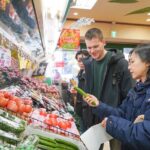
The class is based at YUZU WASHOKU STUDIO in Arakawa City, close to the JR Nishi Nippori Station area (they note it as about 10 minutes away). The meet-up point is 1-chōme-58-4 Nishinippori, Arakawa City, Tokyo 116-0013. It’s in a normal neighborhood setting, which is exactly what you want for a home-style lesson.
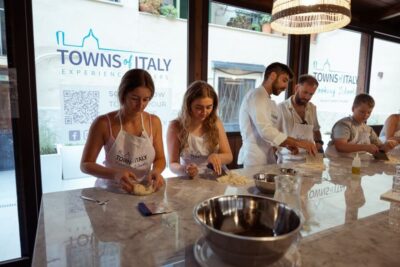
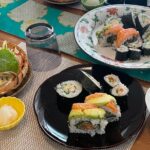
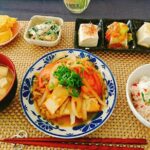
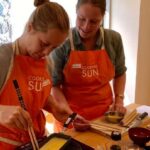
And yes, you sit down and eat what you make. That matters. Cooking classes can be hit-or-miss if you only snack. Here, you get a real lunch: ramen, gyoza, a seasonal veggie side dish, and green tea.
You can also read our reviews of more tours and experiences in Tokyo.

Getting There: Nishinippori Meet-Up and Mobile Ticket Reality Check
You’ll start at 10:00 am at the studio address listed in Nishinippori. The activity uses a mobile ticket, which is handy if you’re traveling light and don’t want to juggle paper vouchers.
The location is described as near public transportation and about 10 minutes from JR Nishi Nippori Station. That’s a sweet spot in Tokyo. You’re close enough to be practical without doing a long transit day just to take a cooking class.
If you’re coming from central Tokyo, give yourself a buffer for navigation. In Japan, station exits can be a little inconsistent street-to-street, and “near” can mean a short walk or a medium walk depending on which entrance you pick.
The Class Schedule: A 10:00 Start with a Short Japan-Home Cooking Primer
The timing is straightforward:
- 10:00 am meet at the studio
- 10:15–10:30 am a lecture on Japanese home cooking plus a Tokyo guide
- 10:30 am–12:30 pm cooking and tasting
That first lecture window is short, but it’s not filler. When you know a few basics about Japanese home cooking and table rhythm, it’s easier to understand what you’re doing later. You’re not just following steps; you’re learning how home cooks think about food.
Then the bulk of the time is hands-on cooking and eating. The total duration is about 2 hours 30 minutes, which fits neatly between sightseeing blocks without turning into a whole-day commitment.
What Makes the Ramen Part Work: Dashi, Soup, and a Build You Can Repeat
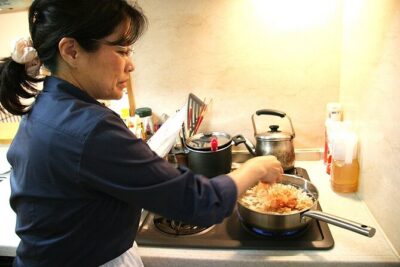
The ramen segment isn’t only about assembling toppings. You’ll learn dashi and the ramen soup from scratch. That’s the part most people can’t easily recreate at home, because it’s about layering flavor—not just using a sauce and calling it ramen.
From the learning outline, here’s what gets covered:
- how to make a rich ramen broth using simple ingredients and repeatable techniques
- chashu pork as a key topping element
- getting the ramen toppings right for a home-style bowl
Even better: the class positions this as home-style ramen. That matters because Tokyo ramen shops are amazing, but they can also be intimidating to copy. Home-style ramen is more approachable, and it’s usually easier to adapt when you’re cooking in your own kitchen with your own tools.
Also note a key limitation: this class is a home-style ramen and gyoza lesson, so they do not prepare egg noodles or gyoza wrappers from scratch. You’ll still build the parts they teach properly—broth, soup, and the ramen “logic”—but you won’t be making dough or wrappers entirely from zero.
Chashu and Toppings: The Classic Ramen Move You’ll Understand
Ramen tastes like ramen because of how toppings interact with the broth. That’s why chashu is part of the plan. The class includes guidance on preparing tender chashu pork as a perfect topping.
Even if you’re not chasing restaurant perfection, learning how to treat chashu as part of the flavor system is useful. You’ll understand how it changes the feel of the bowl—fat, salt, and tenderness all showing up when you eat.
If you’re vegetarian or need dietary adaptations, the menu can be adjusted for vegetarians, but the class isn’t described as fully converting every element into a fully meat-free version automatically. In practice, the teaching approach is flexible, so it’s smart to mention your needs at booking.

Gyoza from Scratch: Filling, Folding, and the Pan-Fry Step That Matters
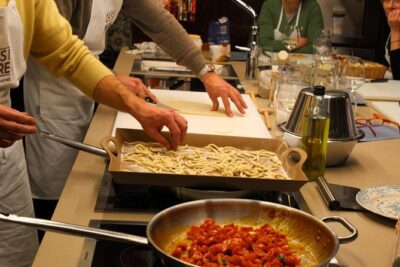
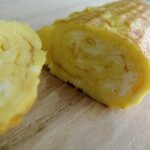
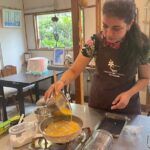
Gyoza is the hands-on highlight here. You’ll make the dumplings from scratch with a focus on:
- preparing the filling
- learning the folding technique
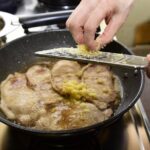
- pan-frying to get that signature crispy, golden bottom
This is not just a plating exercise. It’s a step-by-step dumpling lesson that teaches you how the shape and cooking method affect texture.
One important detail: you don’t make gyoza wrappers from scratch. The class is about making the dumpling through the filling and folding, and then cooking them correctly. That still gives you a skill you can use later even if you buy wrappers elsewhere.
If you’ve ever had gyoza that tasted good but lacked the crisp bottom, this class is designed to fix that. The pan-fry technique is where most of the magic lives.
Seasonal Veggie Side Dish, Green Tea, and Table Setting Basics
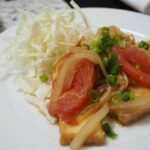
A good meal class gives you more than just one course. Here, you also get a seasonal vegetable side dish that complements ramen and gyoza. The vegetables will vary by season, so you should treat this as a “what’s good right now” side rather than a fixed recipe you can plan around.
The class also includes green tea with lunch, plus basics of Japanese table setting. That might sound like extra, but it helps you eat the food the way it’s meant to be eaten—without the awkwardness of wondering where to put what.
Vegetarian Options and the Gluten-Free Catch
This is a home cooking class that can adapt for vegetarians. That’s a real plus if your diet is meat-free, or if you’re trying to eat lighter while in Japan.
But there’s a clear limitation: it is not suitable for a gluten-free diet. If gluten-free is a must for you, this one is probably not the right match.
If you have allergies or special dietary needs, the class notes the menu can be adapted for vegetarians, but it’s always best to confirm specifics when you book. The more precise you are, the more likely they can steer the meal safely.
Price and Value: Is $110.56 Worth It?
At $110.56 per person for a 2.5-hour class, you’re paying for more than ingredients. You’re paying for:
- hands-on instruction from an experienced teacher, centered on technique
- a small-group setup (the format notes small class size for a personalized experience, and it’s private for your group)
- a full lunch meal you cook: ramen, gyoza, seasonal veg side dish, plus green tea
- a studio setting with aprons and towels provided
The value gets better if you’ll actually cook at home after the trip. This class aims to teach repeatable skills: dashi and soup from scratch, gyoza folding, and the pan-frying process. If you’re the type who likes recreating travel highlights, it’s a strong buy.
If you only want a quick snack and don’t care about technique, cooking classes can feel pricey. But if you’re motivated to learn, this one is more practical than many food activities.
Private Class Format: Small Group Time with Yuki-Style Teaching
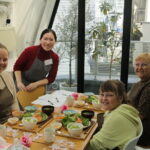
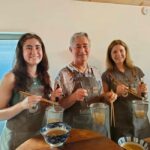
The class is described as private, meaning only your group participates. That matters in a cooking class. You get more attention, fewer delays, and a better chance to ask questions when you get stuck with folding or broth steps.
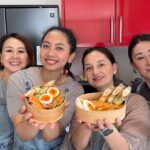
The teaching style also comes up clearly in the feedback tied to Yuki. People focus on her being engaging and warm, and on the class being hands-on rather than lecture-heavy. The atmosphere is described as inviting, and the tone is friendly enough that you don’t feel rushed.
That’s the sweet spot for a vacation activity: structured enough to learn, relaxed enough to enjoy.
Who Should Book This Ramen and Gyoza Class?
You’ll likely be happiest if you:
- want a hands-on Tokyo food class that teaches skills, not just souvenirs
- enjoy ramen and gyoza and want to understand what makes them work
- prefer a smaller, more personal group experience
- can eat gluten (since it’s not gluten-free)
It may be a mismatch if you:
- need gluten-free accommodations
- expect to make egg noodles and wrappers from scratch (this class doesn’t do that)
For couples, solo travelers, and families, the format is built to be approachable. It’s also a good fit if you want a meaningful meal day near where you’re staying rather than hunting down one more restaurant reservation.
Should You Book? My Decision Checklist
Book this class if you want to bring back technique, not just photos. The combination of ramen broth/soup from scratch plus gyoza folding and crisp pan-frying is the kind of skill set that actually transfers to your kitchen.
Skip it if gluten-free is required, or if you specifically want dough-making and wrapper-making from scratch. In that case, you’ll likely feel limited by the “home-style” focus.
If you’re flexible on timing, plan for weather sensitivity. The experience notes it requires good weather and can be rescheduled or refunded if canceled due to poor weather.
FAQ
How long is the ramen, gyoza, and veggie side dish class?
It runs for about 2 hours 30 minutes, starting with a 10:00 am meet-up and finishing around 12:30 pm.
Where do I meet the instructor?
Meet at 1-chōme-58-4 Nishinippori, Arakawa City, Tokyo 116-0013, Japan. The activity is near public transportation, and it’s noted as about 10 minutes from JR Nishi Nippori Station.
What’s included in the price?
You get homestyle ramen and gyoza (plus a seasonal veggie side dish), green tea, water, and you’ll be provided aprons and towels. It’s also described as a private activity for your group.
Can the menu be adapted for dietary needs?
The menu can be adapted for vegetarians, but it is not suitable for a gluten-free diet. If you have allergies or special dietary needs, it’s important to note them when booking.
Do they make the noodles and dumpling wrappers from scratch?
No. This is a home-style class, so they do not prepare egg noodles or gyoza wrappers from scratch. You will learn to make dashi broth and ramen soup entirely from scratch.
What happens if the class is canceled due to weather?
The experience requires good weather. If canceled due to poor weather, you’ll be offered a different date or a full refund.