REVIEW · AICHI PREFECTURE
Nagoya Super Market Tour & Home Cooking Class with a Local, Akiko
Book on Viator →Operated by Traveling Spoon · Bookable on Viator
A warm home-cooking class can beat any cookbook. This one pairs a real supermarket shop with a local host named Akiko and a hands-on class in her kitchen, where you’ll make classic Nagoya favorites. I love how practical the ingredient talk is, and I also love that you can leave with recipe copies you can actually use. One thing to consider: it’s not an outdoor market experience, so if you want street stalls and wandering, this is more everyday, grocery-store real life.
You’ll meet Akiko at the station pickup point in the Kasugai area, then get ferried to her home by public transit-friendly routing. The schedule runs about 3.5 hours, and you can go solo or bring up to six, which makes it feel personal instead of rushed. For $119 per person, you’re paying for more than cooking time: you’re paying for shopping guidance, local food context, and a full meal experience in a private home.
In This Review
- Key Points You’ll Care About
- Why This Nagoya Cooking Lesson Feels Different Than a Studio Class
- Meeting Akiko and Getting Oriented in Kasugai
- The Local Supermarket Stop: What You Learn Before You Cook
- Cooking in a Real Nagoya Home: Hands-On Steps You’ll Remember
- Nagoya Dishes You’ll Cook (and What Makes Them Feel Local)
- Dashi and Miso Soup Foundations
- Shrimp Tempura in Rice or Nagoya-Style Fried Chicken
- Miso Pork Cutlet Sandwich
- Seasonal Adjustments
- The Shared Meal: Where the Experience Actually Lands
- Price and Value: Is $119 Worth It?
- Logistics That Matter: Timing, No Hotel Pickup, and Group Size
- Who Should Book This, and Who Might Want a Different Style
- Should You Book Akiko’s Nagoya Supermarket and Home Cooking Class?
- FAQ
- What is included in the Nagoya supermarket tour and home cooking class?
- How long does the experience last?
- Where does the tour start, and how do you get there?
- Is this an outdoor market experience?
- Can you make purchases at the supermarket to take back home?
- Are vegetarian options available?
- Can the class accommodate allergies or dietary restrictions?
- What does the cooking class focus on?
- What is the cancellation policy?
Key Points You’ll Care About
- Supermarket shopping, not an outdoor market: you’ll learn what locals buy and why
- Akiko teaches and guides you hands-on in her kitchen
- You’ll learn dashi from scratch and use it in miso soup
- Seasonal menu swaps happen, so ask questions during shopping
- Recipe copies to take home help you repeat the dishes later
- Local alcohol is included, which keeps the meal more like a shared local get-together
Why This Nagoya Cooking Lesson Feels Different Than a Studio Class
There’s cooking, and then there’s learning how people actually eat at home. What I like about this experience is that it doesn’t start with a cutting board. It starts with the store. Akiko walks you through the ingredients and seasonings people reach for in Nagoya-area kitchens, then brings those choices directly into what you cook.
That shift matters because Japanese cooking isn’t only about the recipe name. It’s about the specific stocks, sauces, pastes, and dried goods you buy and how you use them. When you see what’s on the shelves and how it’s categorized, the dishes start to make sense fast.
I also like that this isn’t a big “watch me, then copy me” vibe. You’ll be in the action, making dishes together and sitting down to eat what you made. If you’ve ever taken a class where the meal is an afterthought, this one is designed around the idea that the cooking and the eating belong together.
The one possible drawback is the format: you’re in a local supermarket, not an outdoor market with vendors shouting specials. It’s still interesting, but it’s a different kind of fun.
Meeting Akiko and Getting Oriented in Kasugai
Your day starts around the Kasugai station area, where Akiko meets you for pickup. The experience is set up so you can reach the meeting point by public transit, which helps if you don’t want to build your day around a hotel shuttle.
From there, you head toward Akiko’s home—about 20 minutes from Nagoya by the route described. That timing is helpful because it keeps the day moving without feeling like you’re spending half your trip commuting.
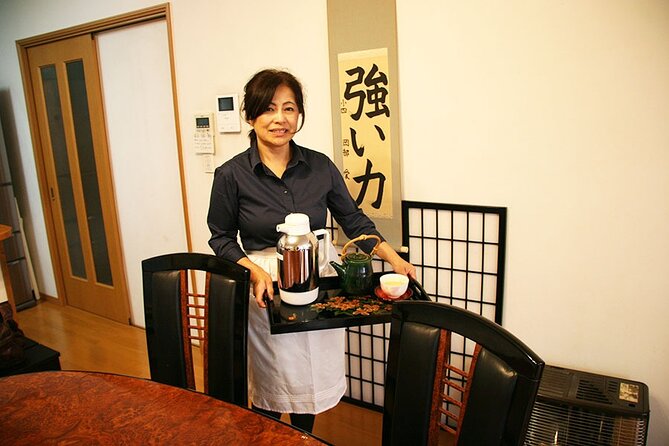
The host welcome is part of the value here. Akiko doesn’t just escort you. She settles you into the flow: a bit of conversation, then you’re off to the supermarket. It’s a small thing, but it makes it easier to relax and ask questions instead of feeling like you’re on a strict clock.
Because this is a private, personalized experience for your group (up to six), you’re also more likely to get answers that match your skill level. If you know some basics already, you can ask about brands and techniques. If you’re a total beginner, you can focus on how to handle each step without getting lost.
The Local Supermarket Stop: What You Learn Before You Cook
This is the most “why” part of the experience. You’ll tour a local supermarket where Akiko shows and describes ingredients used in Japanese cooking and seasoning. And yes, she can help you purchase local ingredients to take back home from Japan—so the trip doesn’t end when the class ends.
Here’s what makes this worth your time: you learn how Japanese grocery shopping works. Instead of memorizing a recipe and hoping you can recreate it later, you learn what the ingredient categories are and which products people actually buy. That matters a lot for items like stocks, pastes, and seasoning bases, where brand and type can change how a dish tastes.
You also get real-life guidance on what’s practical to bring home. Akiko can point out what to buy if you plan to cook again, and what might be harder to source elsewhere. The goal isn’t just to leave with a bag. It’s to leave with items you’ll use.
And you won’t be stuck staring at labels. Akiko guides you through the reasoning: what each ingredient contributes, when it’s used, and what substitutions might or might not work later.
Cooking in a Real Nagoya Home: Hands-On Steps You’ll Remember
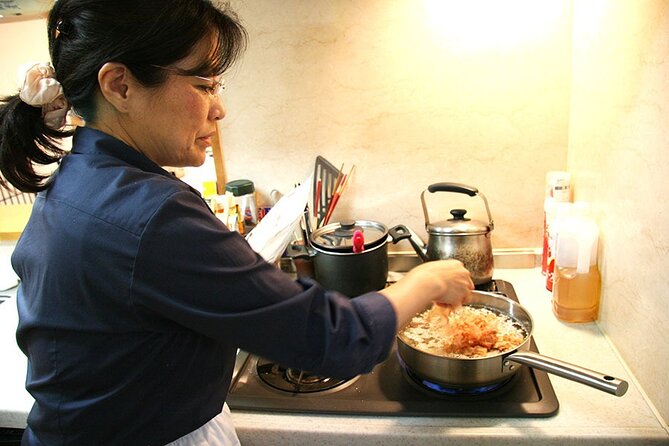
Once you’re in Akiko’s kitchen, the class turns hands-on. The cooking time is about an hour before you sit down together to share the meal. That structure works well because you get enough instruction to cook, but you’re not stuck in the kitchen for the entire afternoon.
You’ll make classic Nagoya dishes with methods that show off local tastes. The menu can vary by season, but the cooking core includes a few anchors: dashi stock from scratch and Nagoya-style comfort dishes.
Even if you’re not an experienced cook, this setup makes it approachable. You’ll work through the steps with Akiko’s guidance, which means you don’t have to guess how things should look or how thick things should be. You’re also learning techniques that scale. Once you understand the logic behind dashi and miso soup, you can apply it to other soups and stews beyond this menu.
One more detail I appreciate: because this is Akiko’s home, the pace feels more like cooking with a good friend than performing on camera. That relaxes the whole experience and helps you ask “why does it work this way?” questions.
Nagoya Dishes You’ll Cook (and What Makes Them Feel Local)
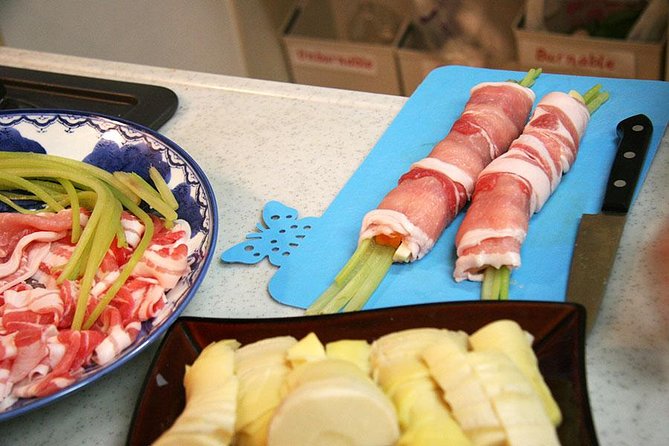
This class isn’t about generic Japanese food. It’s about Nagoya-style favorites. Based on what you’ll make, here are the main dishes you can expect, and why they matter.
Dashi and Miso Soup Foundations
You’ll learn how to make dashi stock from scratch. That’s one of the most useful skills you can bring home, because dashi is the base for so many Japanese flavors. After that, you’ll use it for miso soup, so you see the whole chain: broth-making leads to soup.
What to watch for: dashi isn’t just water with stuff in it. It’s about balancing. Akiko’s instruction helps you understand the role of the stock, so the miso soup tastes like it’s supposed to, not like a rushed version.
Shrimp Tempura in Rice or Nagoya-Style Fried Chicken
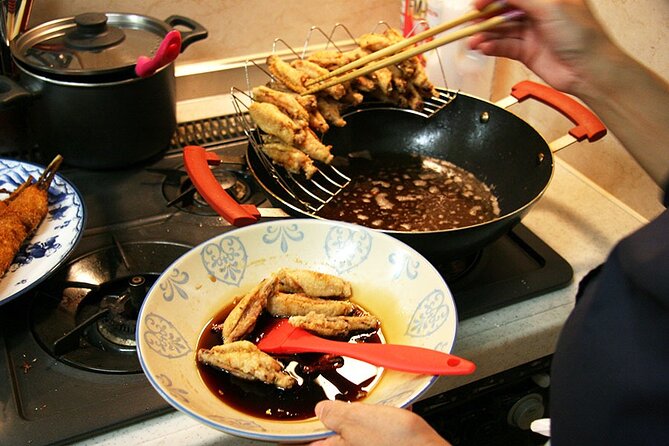
You’ll make shrimp tempura in a rice ball setup, or you’ll make Nagoya-style fried chicken (based on the options offered in the class). Either way, you’re working on texture and crispness—two things Japanese home cooks take seriously.
The rice ball format is especially practical for home cooks later. It’s portable, it holds shape, and it encourages you to think about seasoning in more than one element of the dish.
Miso Pork Cutlet Sandwich
You’ll also make a miso pork cutlet sandwich in the Nagoya style. This is a dish that shows off the region’s love of miso-forward flavor in a comfort-food package. It’s the kind of meal you can imagine at a casual lunch counter, and making it at home gives you a feel for how miso becomes part of the overall taste, not just a sauce on the side.
Seasonal Adjustments
The menu may vary depending on the season, so your shopping walk and questions matter. If you see an ingredient you don’t recognize, ask about it. You’re building context, and Akiko’s explanations help you understand the reasoning behind what ends up on your plate.
The Shared Meal: Where the Experience Actually Lands
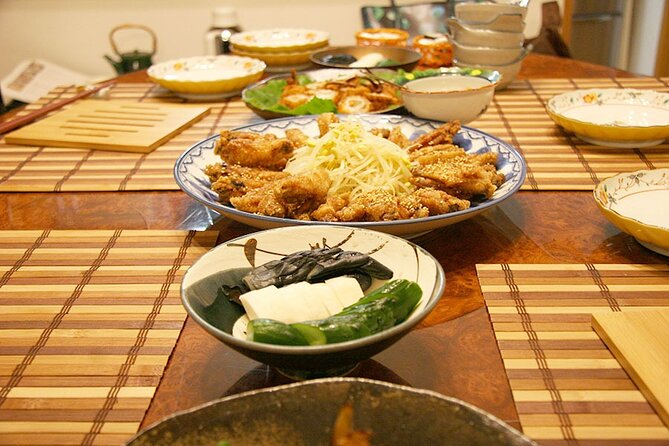
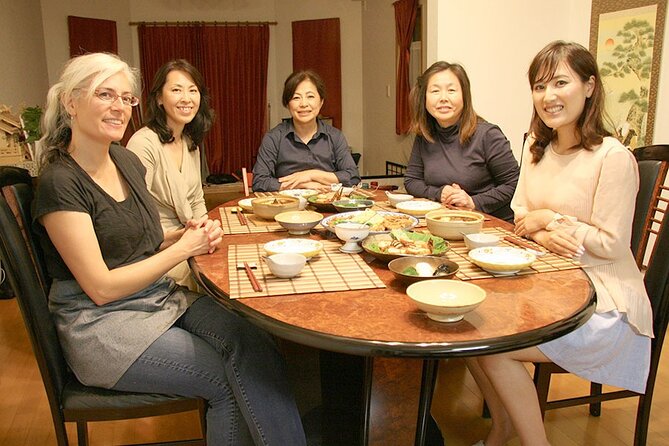
After cooking, you sit down to share the Nagoyan meal you helped prepare. This part is more important than it sounds. In a lot of classes, the meal is just a quick bite. Here, the structure is designed around eating as part of learning.
You’ll also have local alcohol included. That tends to make the meal feel more like a real home sit-down than a classroom ritual, and it fits well with the food styles you’re making—tempura, cutlet, miso soup, and the kinds of flavors that play nicely with chilled drinks.
Also, Akiko provides copies of the recipes (from what people say after the class). That’s huge for value. Without recipe copies, cooking classes fade fast. With them, you can actually repeat the dishes later and not rely on memory.
Price and Value: Is $119 Worth It?
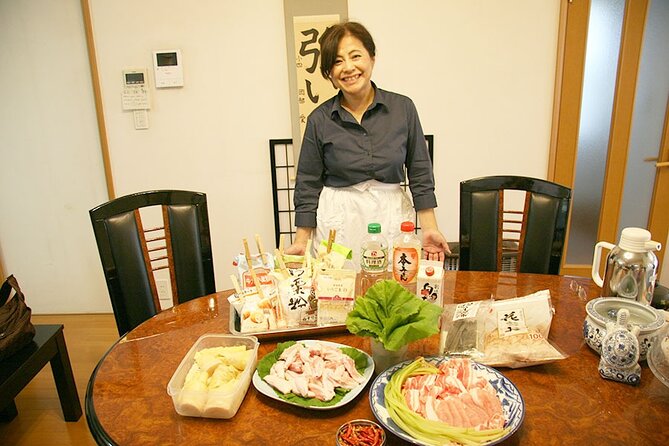
Let’s talk money with clear eyes. $119 per person for about 3.5 hours includes: the private supermarket tour with Akiko, a private cooking class plus meal, local alcohol, and pickup from the JR Kasugai station area.
For this price to feel worth it, the experience needs to deliver on two things:
1) You learn how to buy the ingredients and understand the flavor logic.
2) You cook enough to feel confident, then leave with recipes.
This one hits both, especially because the shopping stop isn’t just window dressing. It’s where you learn what Japanese cooking ingredients actually are, and it gives you a chance to buy items to take home with Akiko’s help.
It also benefits solo travelers. You’re not locked into a rigid schedule or stuck with a huge group. The private format makes it easier to ask questions, and you’ll likely get more personal pacing.
Logistics That Matter: Timing, No Hotel Pickup, and Group Size
A few practical points can make or break your day.
First: there’s no hotel pickup and drop-off. You’ll handle getting to the meeting point yourself, and Akiko picks you up from the station. If you’re staying near Nagoya or can reach the Kasugai area by transit, it’s straightforward.
Second: the experience runs about 3 hours 30 minutes. That’s a solid length for a morning or afternoon slot without turning your day into a blur.
Third: group size stays small. Options exist for solo travelers, and the group caps at up to six. That keeps the class from feeling like a factory line and helps Akiko tailor explanations.
Finally: there’s a mobile ticket, and confirmation comes within 48 hours of booking (subject to availability). If your schedule is tight, plan to lock it in with enough time.
Who Should Book This, and Who Might Want a Different Style
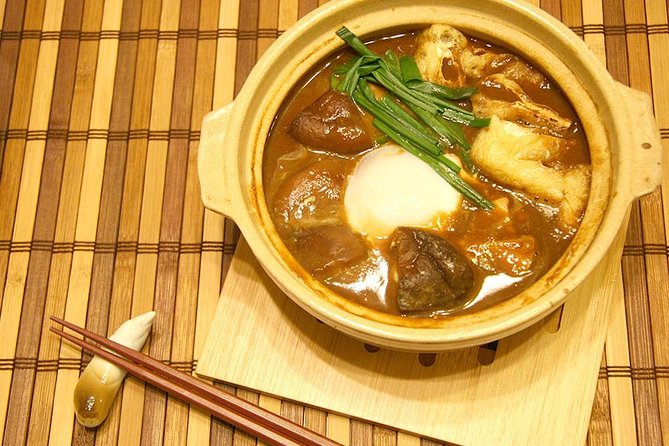
This is a great fit if you want food culture with real hands-on learning. I’d especially recommend it if you:
- Like the idea of learning through shopping, not just chopping
- Want to make Nagoya-style dishes like miso pork cutlet sandwich and shrimp tempura (in the rice ball setup or fried chicken style)
- Care about making dashi from scratch, then turning it into miso soup
- Want recipe copies so you can cook again later
It might be less ideal if you:
- Want an outdoor market “walk and wander” experience (this is inside a supermarket)
- Prefer large-group, show-style cooking classes over a private home setting
- Need a hotel-to-door service, since pickup is from the station only
Should You Book Akiko’s Nagoya Supermarket and Home Cooking Class?
If you’re serious about Japanese food and you like practical learning, I think this is a very smart booking. The combination of supermarket context, a hands-on kitchen session, and dashi instruction gives you skills that travel well beyond one meal. Add in the fact that you can take home ingredients and that you get recipe copies, and the value feels solid for $119.
Book it if you want a genuine Nagoya-flavored day: shop like locals, cook like a local, then eat what you made. Skip it if your priority is an outdoor market atmosphere or if you’d rather do a purely commercial, teach-and-go cooking class.
If your schedule allows, this is the kind of experience that makes your next bowl of miso soup taste like a memory you can recreate.
FAQ
What is included in the Nagoya supermarket tour and home cooking class?
The experience includes a private local supermarket tour with Akiko, a private cooking class plus meal, local alcohol, and pickup from JR Kasugai station.
How long does the experience last?
It lasts about 3 hours 30 minutes (approx.).
Where does the tour start, and how do you get there?
You meet at Kasugai Station. The experience ends back at the meeting point, and hotel pickup or drop-off is not included.
Is this an outdoor market experience?
No. The market part is a tour of a local supermarket, not an actual outdoor market.
Can you make purchases at the supermarket to take back home?
Yes. If you like, Akiko can help you purchase local ingredients to take back from Japan.
Are vegetarian options available?
Yes. A vegetarian option is available if you advise at the time of booking.
Can the class accommodate allergies or dietary restrictions?
You should advise Akiko at the time of booking if anyone in your party has allergies, dietary restrictions, or cooking preferences.
What does the cooking class focus on?
You’ll learn to make dashi stock from scratch and then cook classic Nagoya dishes. The menu may vary by season.
What is the cancellation policy?
Free cancellation is available. You can cancel up to 24 hours in advance for a full refund.