REVIEW · TOKYO
Tokyo Cute Bento Cooking Class – Make a Kawaii Character Lunchbox
Book on Viator →Operated by Tokyo Cute Bento (Cooking class) · Bookable on Viator
A panda is harder to eat than you think. This Tokyo Cute Bento class turns Japanese bento culture into a hands-on, photo-friendly cooking project. I like that you build a themed character lunchbox from scratch with a small group, and you also get the background that makes the style feel real, not just cute. One watch-out: the venue is below street level, so if you hate hunting for entrances, plan a little extra time.
What makes it especially fun is the combination of making and then actually eating. During the class you shape multiple cute components, then enjoy your meal at the end while you still have your setup pics in mind. I also appreciate the teaching approach, with instructors like Kenji and assistants such as Mami, Saori, and Yuzu showing clear steps and helping you fix small mistakes fast. A possible drawback is that this is a craft-style workshop, so you’ll want to have the patience for careful food art rather than expecting a hands-off meal prep.
Finally, the class works well for different diets. You can request vegetarian or vegan options, and they can accommodate allergies like no nuts and no milk—just tell them at booking. If your needs are complex, give clear details ahead of time so the kitchen has enough info to set up a safe menu.
In This Review
- Key highlights worth your time
- Entering the world of kawaii bento in Akasaka
- The 2-hour flow: intro, hands-on build, photos, and eating
- 1) Bento culture intro (about 15 minutes)
- 2) Hands-on character bento making (about 60 minutes)
- 3) Photography session (about 15 minutes)
- 4) Enjoy your meal (about 30 minutes)
- What you’ll actually make: character parts that come together
- English instruction and step-by-step teaching style
- Getting the location right: below street level in Akasaka
- Dietary needs and allergies: plan, then cook safely
- How big is the class, and why that changes everything
- Value check: $66.07 for a hands-on, take-home bento
- Best for who: kids, adults, and rain-day plans
- Should you book the Tokyo Cute Bento character lunchbox class?
- FAQ
- How long is the Tokyo Cute Bento cooking class?
- Is the class offered in English?
- Can the class accommodate vegetarian, vegan, or allergy needs?
- Where is the meeting point?
- What group size should I expect?
- Is there a cancellation window for a full refund?
Key highlights worth your time
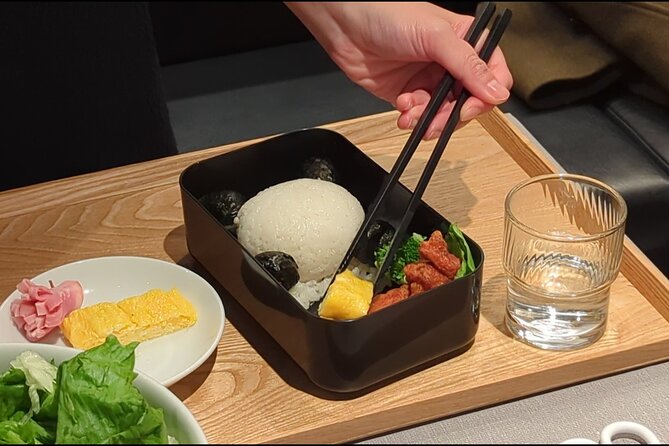
- Character bento craft: Build your own kawaii lunchbox with an actual, edible design.
- English-friendly instruction: The workshop can be conducted entirely in English.
- Photo moments built in: You get time specifically for taking pictures of your finished box.
- Dietary adjustments: Vegetarian, vegan, and allergy accommodations are available with advance notice.
- Small group feel: Maximum of 12 travelers means more hands-on help.
Entering the world of kawaii bento in Akasaka
This class is in Tokyo, right in Minato City’s Akasaka area, and it’s a very “do this with your hands” kind of experience. Your goal isn’t just to cook; it’s to make a lunchbox that looks like a character—think pandas, animals, and seasonal styles—and still tastes good enough to eat right after.
I love that the class treats bento as a Japanese skill, not a novelty. You learn how the food-art logic works: color balance, shape, and how small pieces make the whole lunchbox read as a character. That’s what turns it into more than a cute souvenir.
Your group stays small, capped at 12, so the space doesn’t feel like a factory line. That matters for beginners. Bento looks complicated in anime, but here you get a structured way to assemble it without having to guess.
You can also read our reviews of more tours and experiences in Tokyo.


The 2-hour flow: intro, hands-on build, photos, and eating
The timing is tight but not rushed. You’re looking at about two hours total, with a clear rhythm that keeps you moving without feeling lost.
1) Bento culture intro (about 15 minutes)
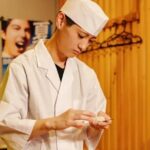
You start with a short explanation of Japanese bento culture. The point is to give you a framework: why bento matters in daily life, how people think about portioning, and why the design side matters. In the reviews I kept noticing the same surprise—people thought they’d only do art, but they also got helpful history and context.
If you like food culture, this intro is where it clicks. You stop seeing the lunchbox as just a craft and start seeing it as a Japanese habit: practical, portable, and visual.
2) Hands-on character bento making (about 60 minutes)
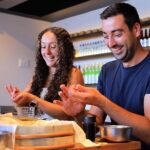
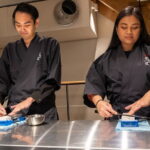
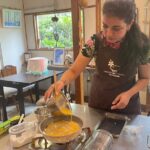
This is the core hour. You’re using prepped ingredients and then arranging, shaping, and assembling your character lunch. Many people mention that the instructions are step-by-step, with photos and clear guidance.
I like that you’re not expected to be a Japanese grand chef. The process is designed so you can succeed even if you’ve never made a Japanese omelet or never done food carving before. In fact, plenty of first-timers walk out saying they actually learned techniques they can repeat at home.
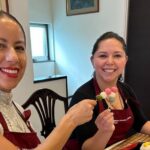
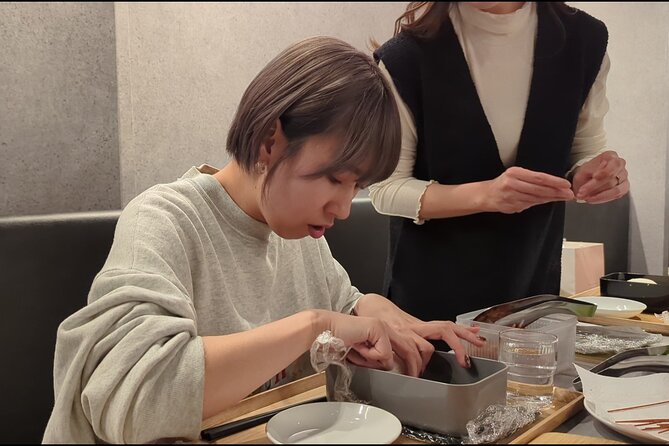
During this hour, you’ll also get a chance for direct help. Instructors like Kenji take time to guide you through tricky parts, and assistants such as Mami, Saori, and Yuzu show up to help with details.
3) Photography session (about 15 minutes)
You don’t just get time to eat; you get time to photograph your work. That’s a big deal for this kind of activity because bento is visual. The class sets up backgrounds for pictures, and in practice that means your photos look better than the usual kitchen-counter chaos.
If you care about capturing memories, this is one of the most practical parts. You’ll have a clean moment where the finished character is ready to show off.



4) Enjoy your meal (about 30 minutes)
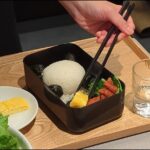
Finally, you sit down and enjoy what you made. This is where the class earns its keep. Plenty of craft workshops stop once the art is done. Here, you eat the bento—so you get both the creative win and the food win.
And yes, it can feel a little strange at first to take bites of something you just decorated. That’s normal. Then the flavor kicks in, and you’re back to enjoying a real meal.
What you’ll actually make: character parts that come together
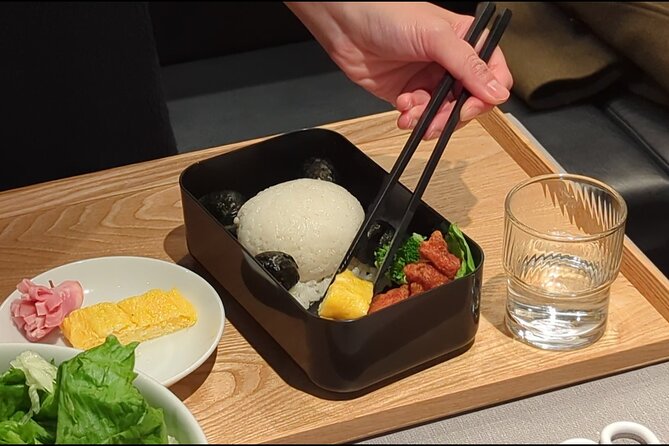
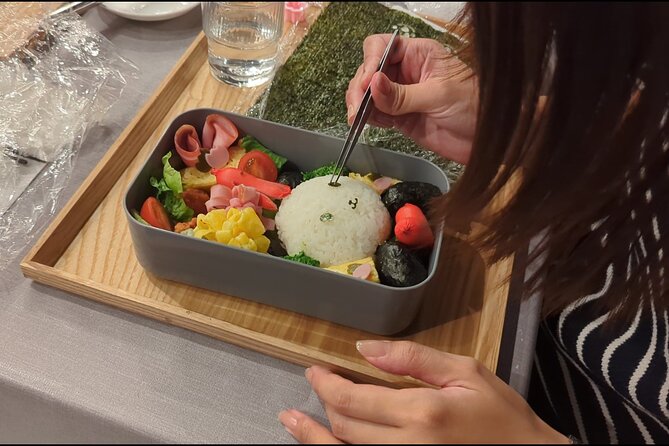
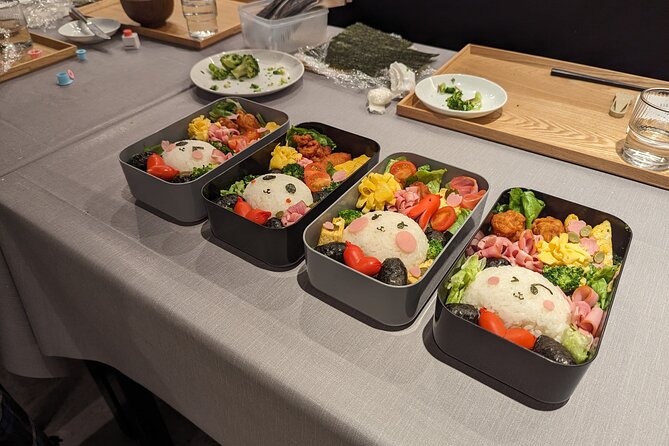
The “character lunchbox” theme is the heart of the class. You create a design that reads instantly, like a panda face or cute animal combinations. The practical part is that the food art uses components you can manage: small shapes, arranged patterns, and color-coded elements.
In reviews, people consistently mention panda and dog-style bentos, plus designs like frog, bear, and hearts. That tells you what kind of projects to expect: cute, recognizable forms built with manageable steps.
A smart way to think about this: you’re learning how to translate a concept into food shapes. It’s the same idea as assembling a craft model, except edible. That’s why many adults still enjoy it, not just kids.
English instruction and step-by-step teaching style
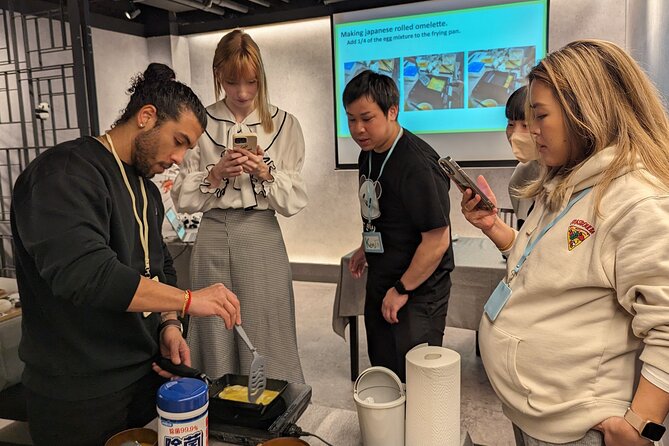
This workshop can be conducted entirely in English, and it shows in how the class is organized. You’re given clear instructions and tools, and you’re supported while you work.
What I really like about their teaching style is patience plus structure. Kenji is repeatedly mentioned as warm and attentive, and he photographs your progress as you build. That means you get help at the exact moment you need it, and you also end up with a nice record of how your lunch came together.
If you’re traveling solo, you still get that personal attention. One-person bookings have been a hit because the setup is ready for you when you arrive.
Also, the class doesn’t feel like a strict script. There’s room for conversation, and that’s part of why people remember it as a highlight. You’re learning food art, but you’re also making a human connection in the middle of a busy Tokyo trip.
Getting the location right: below street level in Akasaka

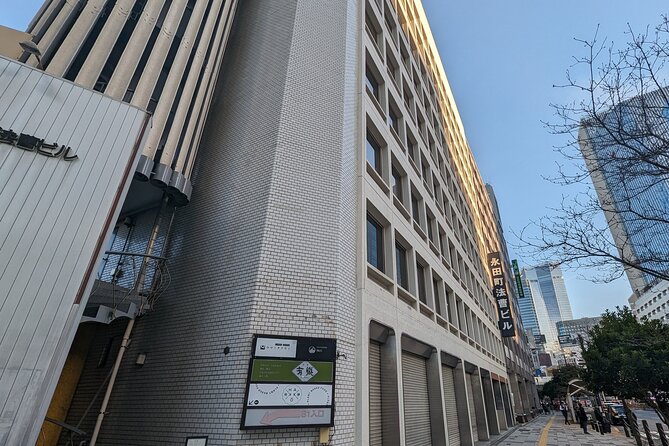
The meeting point is Tokyo Cute Bento Japan in Akasaka, Minato City (107-0052). The address starts at Akasaka 2-chōme, with the venue on the ground-level complex, but the actual workshop space is 地下1階—down one floor.
Multiple people note that you may need to look carefully to find it. The venue is located under a ramen shop, with a stair or access area that can be easy to miss if you assume it’s right at street level.
My practical advice: arrive a few minutes early, use the exact meeting address, and be ready to follow “downstairs” directions. Once you find it, the facilities are described as modern and comfortable, which helps if you’re coming in from rain or cold weather.
Dietary needs and allergies: plan, then cook safely
This class can be adjusted for dietary preferences. They offer vegetarian and vegan options, and they accommodate allergies such as no nuts and no milk, as long as you inform them when you book.
That matters because bentos are built from multiple ingredients. If you’re relying on a food-art workshop to be safe, you need the kitchen to know your restrictions early. The good news here is that they explicitly say you can request these changes at booking.
If you have allergies, I’d treat this like any serious meal planning: be specific. Mention the allergy and any avoidance beyond what’s listed (for example, if you need to avoid cross-contact). The more accurate you are up front, the smoother your experience will be.
How big is the class, and why that changes everything
The workshop caps at 12 travelers. That size is one of the reason people rate it so highly. You’re not lost in a group of 30 where an instructor can only hover.
In a small class, you get:
- faster help when your shapes don’t match the reference
- more time for the instructor to check your assembly
- a calmer pace for beginners
So if you’re someone who wants a hands-on activity but doesn’t want to feel rushed or overwhelmed, this group size helps a lot.
Value check: $66.07 for a hands-on, take-home bento
At about $66.07 per person for roughly 2 hours, this isn’t an ultra-cheap snack workshop. But it also isn’t just a demonstration. You get:
- ingredients and tools provided
- guided instruction (including English support)
- a dedicated photography moment
- and, importantly, a bento you can take home and eat
The take-home part is key. You’re not leaving with photos only. You’re leaving with your finished lunchbox as a memory, plus food you can eat later if you don’t finish it in the session.
For value, I think it’s closest to paying for a guided private-feeling craft session in a city like Tokyo, where good activities cost real money. If you’re trying to buy one fun, different Tokyo experience that mixes cooking skill and cultural context, this is a solid pick.
Best for who: kids, adults, and rain-day plans
This class fits a lot of travel styles.
It’s especially good for:
- families (the activity is structured and playful)
- adults who enjoy art and food crafts
- beginners who want clear steps instead of guessing
- rainy days or low-key afternoons when you want something warm and seated
In reviews, people also mention the experience being relaxing. That makes sense: once ingredients are laid out and steps are explained, you can focus on the shaping and assembly instead of the chaos of sightseeing.
If you love anime-style food and manga aesthetics, you’ll probably enjoy the design side the most. And if you just want a tasty meal with a story behind it, you’ll still leave happy because you eat what you make.
Should you book the Tokyo Cute Bento character lunchbox class?
If you want a fun Tokyo activity that’s hands-on, structured, and genuinely food-focused, I’d book it. This is the rare workshop where the art and the eating both land. The small group size, clear step-by-step guidance, and built-in photo time make it feel special without being complicated.
Book it if:
- you want kawaii food art you can actually recreate
- you need English instruction
- you’re excited to build a character-themed bento and take it home
Skip it (or at least think twice) if:
- you dislike careful assembly or craft-style cooking
- you strongly prefer watching over doing
- you hate locations that require a bit of searching for a downstairs entrance
FAQ
How long is the Tokyo Cute Bento cooking class?
It lasts about 2 hours.
Is the class offered in English?
Yes. The workshop can be conducted entirely in English.
Can the class accommodate vegetarian, vegan, or allergy needs?
Yes. Vegetarian and vegan options are available, and allergies can be accommodated (for example, no nuts and no milk). You need to inform them at the time of booking.
Where is the meeting point?
The start is at Tokyo Cute Bento Japan, 107-0052 Tokyo, Minato City, Akasaka, 2-chōme 21 地下1階.
What group size should I expect?
The class has a maximum of 12 travelers.
Is there a cancellation window for a full refund?
Yes. You can cancel up to 24 hours in advance for a full refund, and cancellations less than 24 hours before the start time are not refunded.
If you want, tell me your travel dates and whether you’re bringing kids (and any dietary needs). I can help you decide whether this class fits well into your Tokyo plan.