REVIEW · TOKYO
Tokyo Haneda: Bento & Ramen Gyoza Cooking Class in a Local home
Book on Viator →Operated by COOKING TRIP · Bookable on Viator
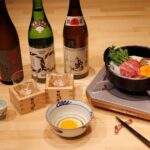
Cooking bento at a real neighborhood kitchen changes everything. You’ll build a hands-on bento from scratch, then learn ramen and gyoza step-by-step with patient English support from hosts like Nao and Machiko. You also get a relaxed home kitchen feel with drinks you can keep pouring, including sake, beer, Japanese tea, coffee, and soft drinks. One consideration: the drinks are “free flow,” so if you don’t want alcohol, say so up front and pace yourself.
This class sits in Ota-ku, Nishirokugō, a more local part of Tokyo that’s still convenient from Haneda. It’s private, so your group cooks together instead of getting tucked into a large, noisy tour group. If you’re craving Shibuya and Shinjuku energy all day, this is the contrast: quieter streets, a homey table, and food that actually teaches you something.
You meet at 11:00 am at 4-chōme-10-9 Grace Mansion Harada in Nishirokugō. You’ll use a mobile ticket, and you’re asked to tell them about any food allergies in advance.
In This Review
- Key highlights you should care about
- Why this Ota-ku class feels more like Tokyo living than a show
- Bento first: the skill that makes everything else click
- Ramen and gyoza: where the class turns from food to technique
- The local home kitchen experience you’ll actually remember
- All-you-can-drink: fun perk, but manage it
- What you eat: more than a meal ticket
- Souvenirs that don’t feel like clutter
- Price and value: $60 for three hours in a real home
- Where you meet and how to plan your half-day
- Who this cooking class suits best
- Should you book? My honest take
- FAQ
- How much does the Tokyo Haneda Bento & Ramen Gyoza Cooking Class cost?
- How long is the class?
- What time does it start?
- Is it a private experience?
- What’s included in the price?
- Do they offer drinks other than alcohol?
- What should I do if I have food allergies?
Key highlights you should care about
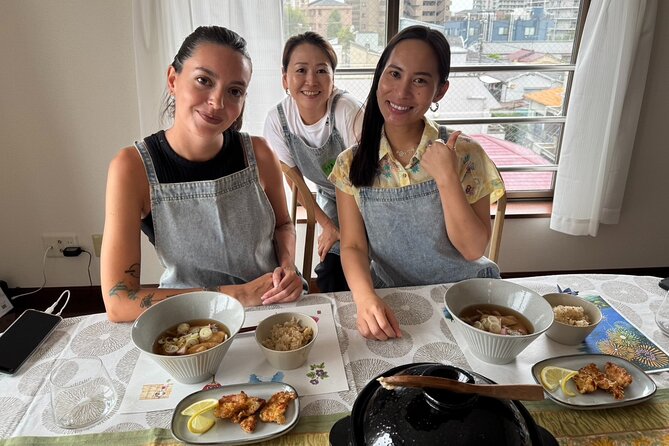
- True hands-on bento making, not a watching-only demo
- Ramen and gyoza instruction with clear, step-by-step guidance
- All-you-can-drink range: sake, beer, coffee, tea, and soft drinks
- Private group format, so questions don’t get lost in the shuffle
- Take-home chopsticks and a chopstick rest, plus a handwritten-style letter
- A local-home setting in Ota-ku, close enough to Haneda for a half-day plan
Why this Ota-ku class feels more like Tokyo living than a show
Tokyo has cooking classes everywhere. What you’re paying for here is the setting: a residential neighborhood in Ota Ward, Nishirokugō, close to Haneda Airport and not far from the kind of everyday life you don’t see from a hotel window.
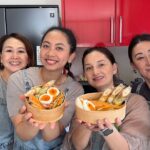
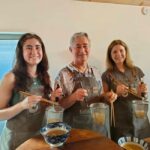
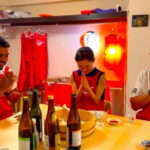
A big reason this works is the vibe. The goal isn’t to rush you through “tourist food.” It’s to help you cook Japanese home-style meals in a friendly, relaxed atmosphere, like you’re invited to a friend’s place. Multiple instructors are referenced by name in the experience stories, including Nao, Machiko, and Yoko, and the common thread is patience and helpful English support.
There’s also a practical win: you don’t have to spend the day on train transfers just to reach the activity. Near public transportation plus easy access from Haneda means you can realistically fit this into the middle of a short Tokyo trip.
You can also read our reviews of more tours and experiences in Tokyo.
Bento first: the skill that makes everything else click
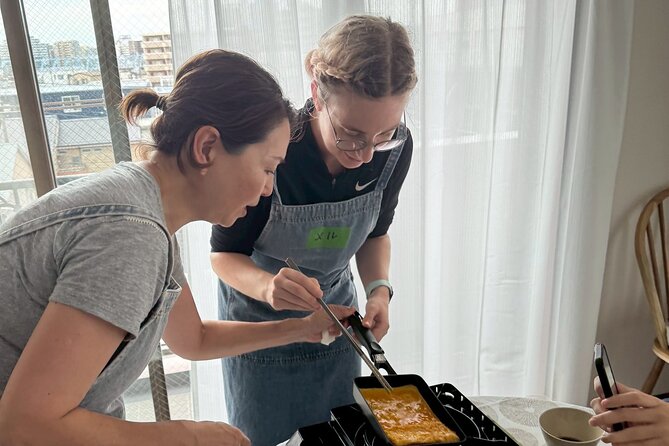
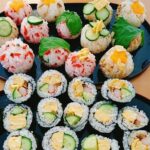
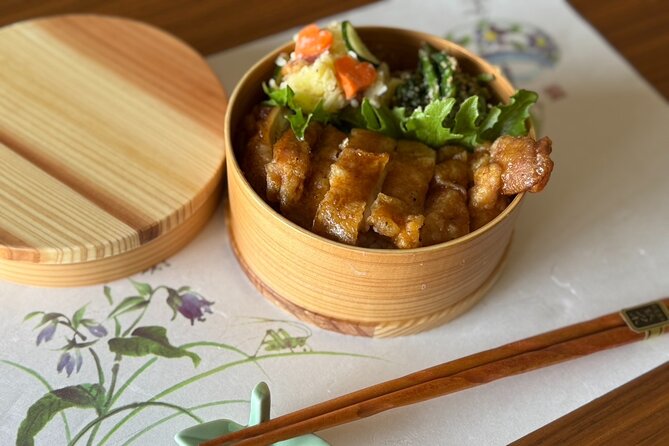
The bento part is the anchor of the experience. You’re not just assembling a store-bought lunch box. You’re making a bento box from start to finish, which teaches you the logic Japanese households use: portion control, timing, and how flavors balance when food sits together.
What I like about learning bento in a real home is that it forces you to think beyond “taste in the moment.” Bento is built for the reality of eating later, so you learn how to prep components so they still feel right as a set. That translates well even if you go home and make your own lunches.
A quick note for your expectations: the exact dishes and side items can vary by what you end up making in your class session. The experience description focuses on bento plus ramen and gyoza. Some past sessions have also included other homestyle items like udon broth, tempura, and mochi, and at least one learner reported gluten-free udon noodles being made during class. If you have dietary needs, that “tell them in advance” instruction matters.
Ramen and gyoza: where the class turns from food to technique
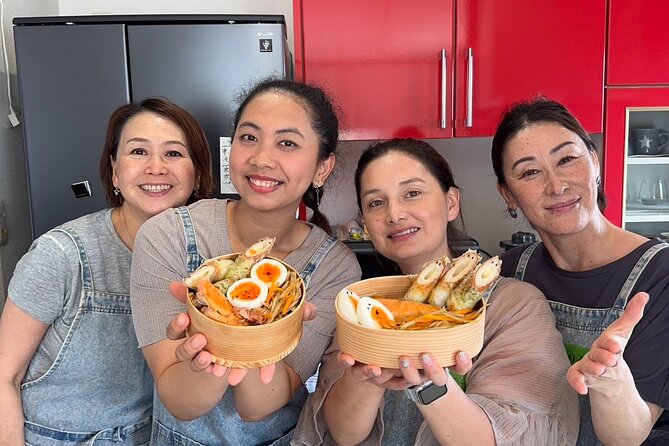
Ramen and gyoza are a smart pairing for a workshop like this, because they each teach you something different.
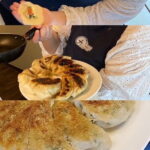
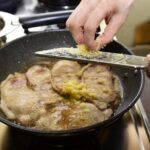
Gyoza tends to be about method and texture: wrapping, filling, and cooking in a way that gets that contrast between crispy bottoms and tender insides. It’s also the kind of food where mistakes are obvious, which means you get faster feedback. That’s great for learning.
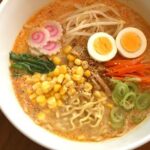
Ramen is about building flavor step-by-step, not just eating a bowl. Even if you’re not making a full “restaurant” broth from scratch, you’re learning the habits behind the taste: seasoning decisions and how ingredients work together. The class framing is homestyle, so you’re not expected to act like a chef on day one.
If you’ve ever tried to make gyoza or ramen at home and ended up with something that tastes fine but doesn’t feel right, this is where the difference often happens: you learn the process, not just the recipe.
The local home kitchen experience you’ll actually remember
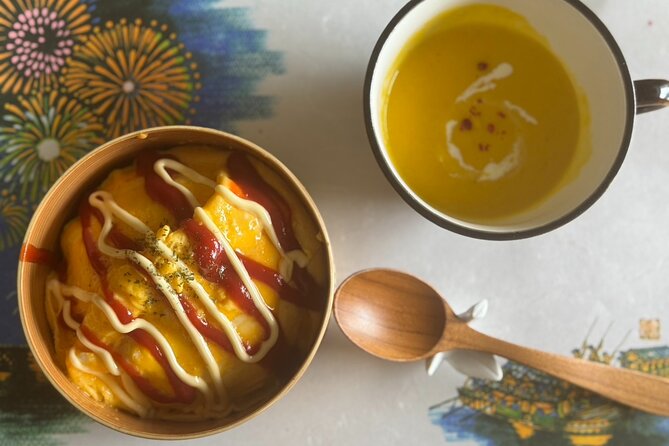
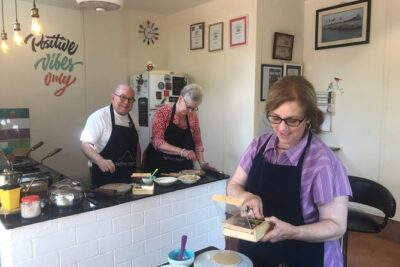
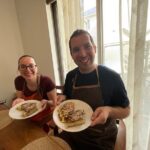
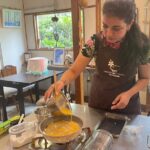
The setting is the quiet superpower here. You’re in a homey kitchen in Nishirokugō, and the instructors are described as kind, fun, and patient. That matters because cooking classes can fall into two camps: either you’re watching a show, or you’re thrown into the deep end.
This one aims for the middle: you’re hands-on, but you get support as you go. That’s why it works well for families and for first-timers. One family experience described joining with kids during a short trip and having it feel like time together in a private space. Another highlighted how easily the steps were followed, including udon broth from scratch in a related session.
Also, because it’s private, you’re not stuck sharing your attention with a dozen strangers. You can ask questions and move at your group’s pace. For a cooking class, that’s a big deal.
All-you-can-drink: fun perk, but manage it
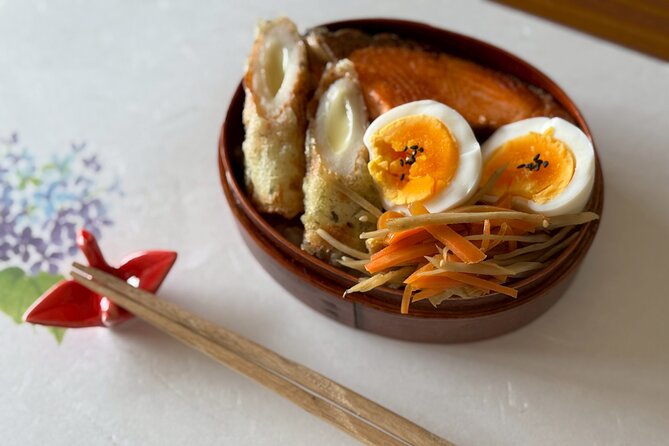
A standout inclusion is the all-you-can-drink setup. You can have sake, beer, coffee, tea (including Japanese tea), and soft drinks. It’s included with the class price, and it turns the meal into a more social hang than a strict “eat your portion and go.”
Here’s the practical side: free-flow drinks change the rhythm. If you want to learn calmly, keep your first drink light, then focus on cooking and tasting. If you don’t drink alcohol, you still have non-alcohol options like coffee and tea, so you’re not boxed in.
If you do plan to drink sake or beer, it’s worth remembering you’ll still be cooking. You’ll enjoy it more if you stay in control of your pace.

What you eat: more than a meal ticket
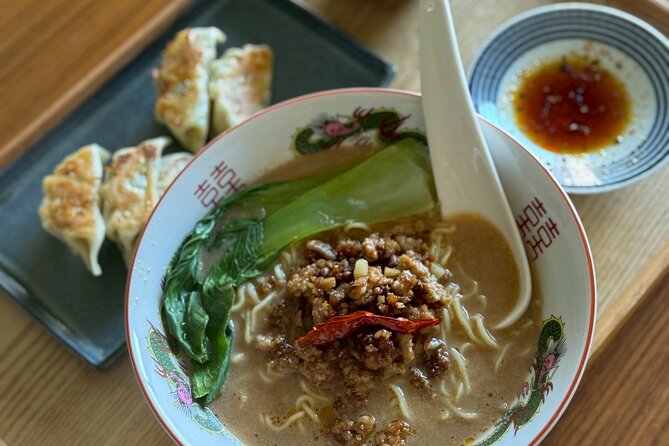
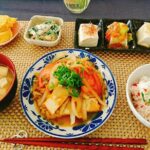
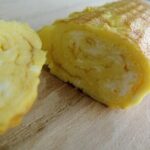
The class includes the meals you make, meaning you’re eating the food you cooked. That sounds obvious, but it’s the difference between “crafting ingredients” and actually learning how the finished dishes should taste.
In descriptions from past sessions, people have made combinations such as ramen, gyoza, and mochi, and some sessions include udon or tempura. So you should expect a satisfying spread. Even if your final menu differs from someone else’s, the underlying promise stays the same: you’ll sit down and eat what you built.
This is also one of those value points that’s easy to miss when comparing cooking classes by price only. Paying for food and drinks on top of instruction changes the math. Here, the $60 per person covers both your cooking lesson and the meal experience.
Souvenirs that don’t feel like clutter
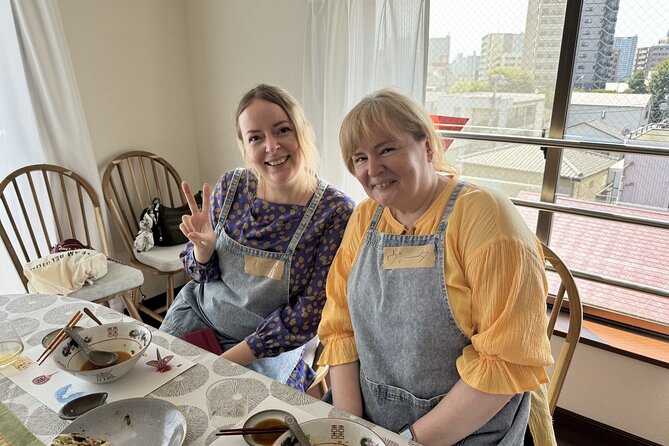
You take something home: chopsticks and a chopstick rest, plus a letter as a keepsake. It’s not just a generic “here’s a postcard” finish. Chopsticks and a rest are useful daily items, so the souvenir keeps paying you back every time you eat.
It’s a small thing, but it’s exactly the kind of practical token I like. You’ll remember the taste, but you’ll also have the object that reminds you of the day you learned how to make it.
Price and value: $60 for three hours in a real home
At $60 per person for about three hours, this sits in the affordable end for hands-on instruction in Tokyo—especially because the price includes:
- Meals (what you cook and eat)
- Drinks all-you-can-drink, including alcohol and Japanese tea
- A souvenir set (chopsticks, chopstick rest, and a letter)
What’s not included is private transportation. That means you’ll cover your own getting there, using public transit.
How I’d judge value: this price makes sense if you want the learning plus the meal plus the social atmosphere. If your only goal is to taste Japanese food, you could probably spend less just eating out. But if you want skills you can repeat at home, the home cooking format and hands-on time justify the cost.
Where you meet and how to plan your half-day
Start time is 11:00 am, and the class ends back at the meeting point. The address is in Nishirokugō, Ota City: 4-chōme10-9 Grace Mansion Harada.
You’ll be near public transportation, and the meeting area has been described as only a few minutes’ walk from a train station near Haneda. So you don’t need an itinerary that requires careful, minute-by-minute coordination.
If you have a little extra time before you go, you might consider a short neighborhood walk. The area is connected to the Tama River for relaxing strolls, and Ota-ku has more of a traditional, everyday Tokyo feel than the postcard districts.
Who this cooking class suits best
This is a good fit if you want:
- A hands-on cooking experience in a real home kitchen
- Clear instruction in a small, private setting
- A fun meal with drinks included
- A break from the usual sightseeing grind
It’s also a solid choice if you’re traveling with kids, since one family experience specifically called out that the private home setting worked well for children and made it feel special, not hectic.
If you’re the type who wants nonstop walking, major landmarks, and Instagram-heavy stops, this won’t feel like your typical “Tokyo day.” This is focused: cook, eat, learn, go.
Should you book? My honest take
Book it if you want a real cooking day, not a cooking performance. The combination of start-to-finish bento making, ramen and gyoza instruction, free-flow drinks, and the homey private setting gives you a lot of experience per hour.
Skip it only if you strongly prefer a totally alcohol-free environment or you’re worried about cooking in a home kitchen setting. In that case, contact the operator ahead of time. You can also plan to stick with tea, coffee, and soft drinks and keep the “drinks perk” as a comfort option instead of a party plan.
If you’re coming through Haneda and want a meaningful Tokyo experience without crossing half the city, this class is one of the more practical ways to do it.
FAQ
How much does the Tokyo Haneda Bento & Ramen Gyoza Cooking Class cost?
It’s $60.00 per person.
How long is the class?
The duration is about 3 hours.
What time does it start?
It starts at 11:00 am.
Is it a private experience?
Yes. It’s a private tour/activity, and only your group will participate.
What’s included in the price?
You’ll eat the meals you make, enjoy alcoholic beverages and other drinks (all-you-can-drink), and receive a souvenir set with chopsticks and a chopstick rest.
Do they offer drinks other than alcohol?
Yes. The drinks listed include sake, beer, coffee, tea (including Japanese tea), and soft drinks.
What should I do if I have food allergies?
Please inform the provider of any food allergies in advance.