REVIEW · RABAT
Rabat: Cooking Class in a Family Home
Book on GetYourGuide →Operated by MoroccanFoodTour · Bookable on GetYourGuide
Cooking in a family kitchen beats restaurants. In Rabat, you start with a market tour where you pick ingredients, then head to a family home for a 3-course menu cooked with a local chef, ending with Moroccan tea.
I love how the market walk turns shopping into a lesson: you learn what to buy and why, and you can share preferences so the menu fits you. I also love the hands-on pace in the kitchen, where you work right alongside the chef and get the practical know-how that makes the dishes taste like they should.
One thing to consider: this is a full 4 hours of active cooking and eating, and there is no transportation included, so you’ll want an easy plan to reach the tram stop at Hopital Moulay Youssef.
Key things I’d bet on
- You choose ingredients during a guided neighborhood market stop, not after the fact
- A family kitchen, not a studio: you cook in a real Moroccan home setting
- Small group size (up to 8), so you can actually ask questions and keep moving
- A true 3-course meal made by your own hands, from starter to dessert
- Moroccan tea at the end gives the whole experience a proper finish
- Menu flex based on your preferences, not a one-size-fits-all script
In This Review
- Market first: getting started at Hopital Moulay Youssef
- Choosing ingredients in a Rabat neighborhood market
- Inside the family home kitchen: the chef-led workshop
- What you’ll cook: a flexible 3-course Moroccan menu
- Starter ideas: spiced vegetables and bread
- Main course: couscous or chicken tajine
- Dessert: seasonal fruit, orange juice, or millefeuille
- Eating what you made: Moroccan hospitality at the table
- Price and value: is $72 a good deal in Rabat?
- Who this class suits best (and who should rethink it)
- Practical tips so you enjoy the full 4 hours
- Should you book this Rabat family-home cooking class?
- FAQ
- How long is the Rabat cooking class?
- What is the meeting point?
- How big is the group?
- What languages are spoken during the tour?
- What’s included in the price?
- Is transportation included?
- What do you eat during the class?
- Can friends join after the cooking class?
- Can I get a refund if I change my plans?
- Can I reserve now and pay later?
Market first: getting started at Hopital Moulay Youssef
This tour begins in Rabat-Salé-Kénitra at the Tramway station Hopital Moulay Youssef. That matters, because you’re not just being dropped at a kitchen. You’re starting in the city the way locals do: by heading out, walking a bit, and picking ingredients as the day goes.
Once you arrive, the host or greeter connects with you in French or English. Expect a friendly, organized flow rather than a chaotic marketplace scramble. The goal is simple: by the time you start cooking, you should feel confident about what you’re buying and how it will show up in your meal.
The group is kept small (limited to 8), so you don’t spend the whole time waiting. That also helps with one of the most useful parts of the experience: learning how Moroccan cooks think about food. It’s not just, Buy this spice. It’s, Here’s what this ingredient does, and how it behaves once it hits heat.
Quick practical note: since transportation isn’t included, make sure you know how you’ll get there. The tour itself is tight and designed as one continuous experience—market, then cooking, then eating.
Choosing ingredients in a Rabat neighborhood market
After meeting up, you’ll head to a fresh produce market in a local neighborhood. You’ll stroll, browse, and learn what ingredients are worth grabbing—and what to look for in quality.
This is one of the best parts of the experience because it changes your cooking mindset. When you pick vegetables, herbs, or pastry ingredients with your own hands, the kitchen stops feeling random. You start to connect ingredients to flavor and texture.
You’ll also get a cultural layer here. The market stop isn’t just shopping; it’s a lesson in customs and ingredient traditions. You’ll likely notice how locals talk about food through what they choose, how they price items, and what they treat as everyday essentials.
Then you move from watching to deciding. Your host asks about your preferences and recommends a menu. In other words, you’re not passive. You help shape what you’ll cook, and the shopping supports that choice. That’s a big deal for value: you’re paying for instruction and a meal you can actually influence, not just a fixed script.
If you’re the type who usually buys ingredients without knowing what matters, this market step will make you smarter immediately. You’ll come away knowing what to look for next time you cook Moroccan food on your own.
You can also read our reviews of more tours and experiences in Rabat.

Inside the family home kitchen: the chef-led workshop
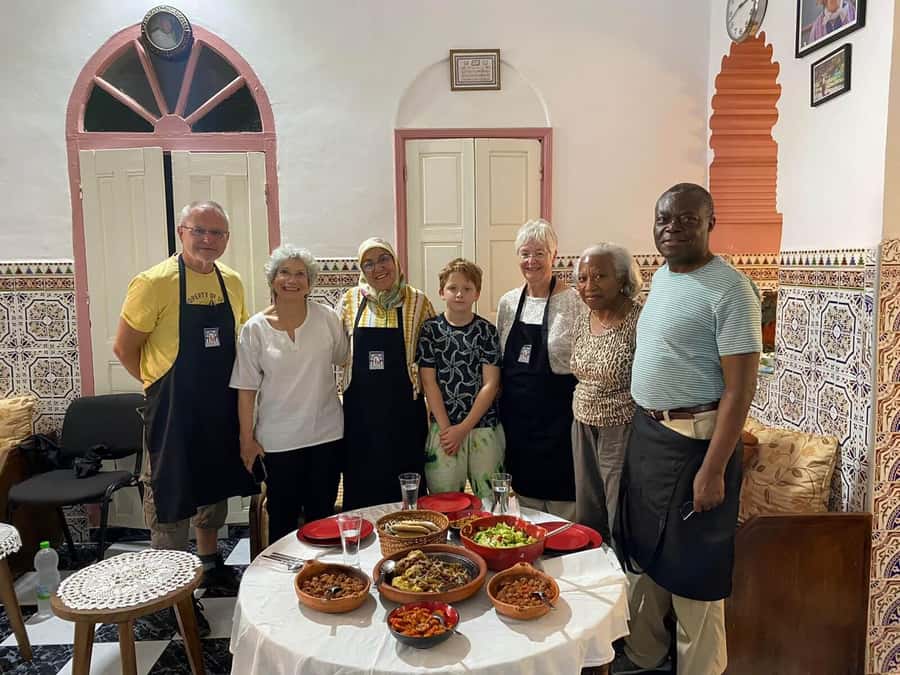
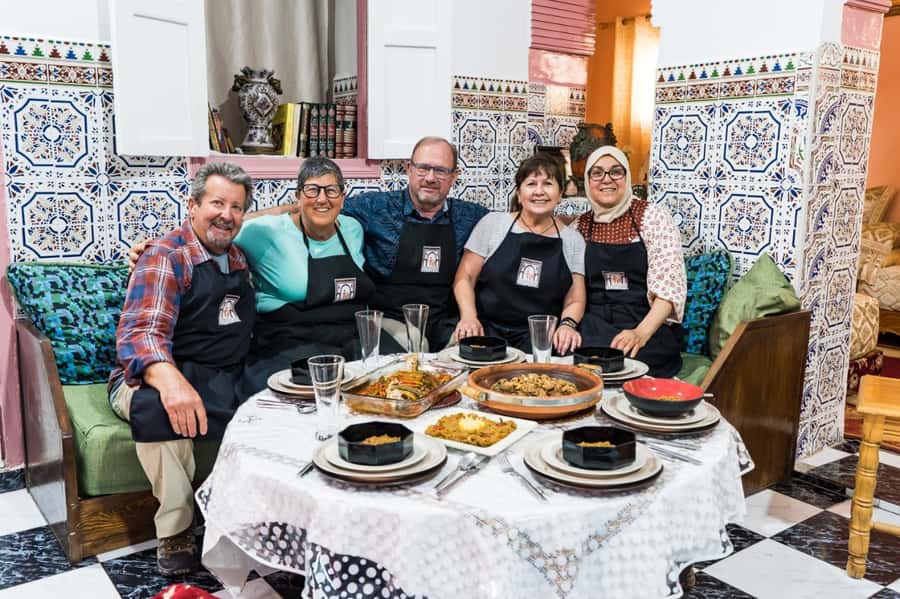
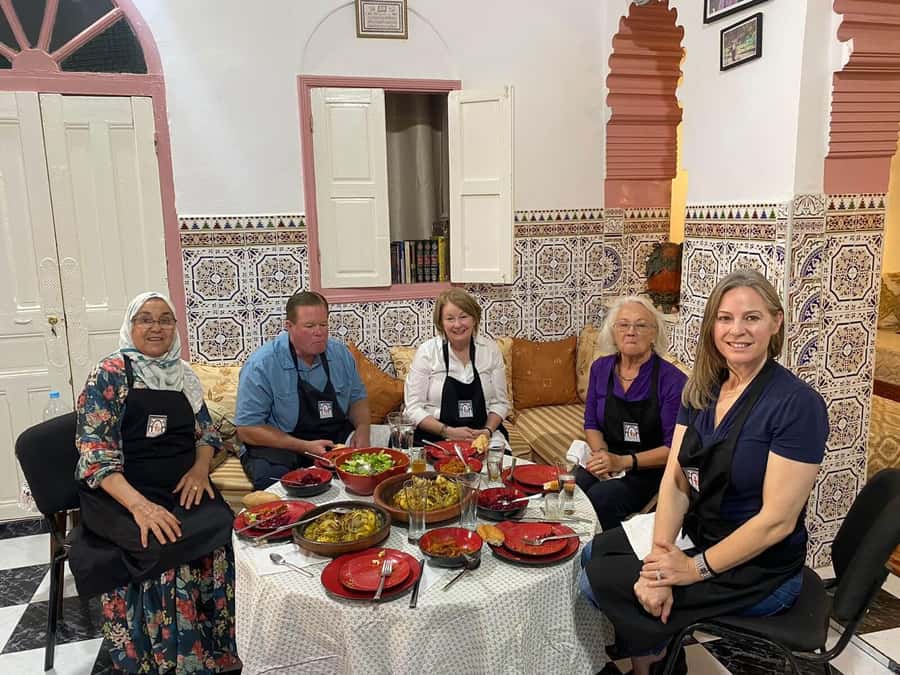
Once the shopping is done, you’re welcomed into a historic family-owned Moroccan home. This is where the experience really feels different from most cooking classes: it’s in a family space, not a commercial kitchen with everything sanitized and identical.
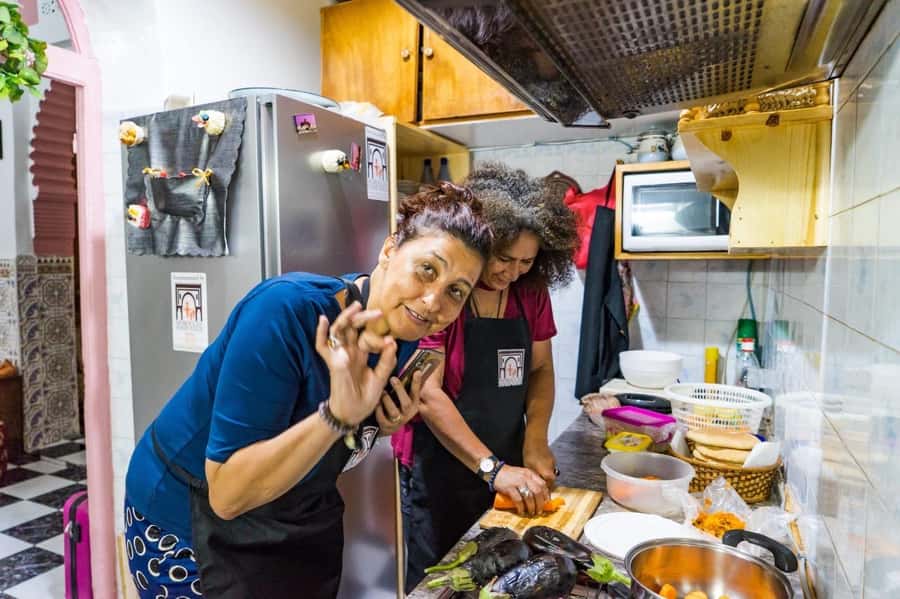
The cooking session is led by a skilled chef, and in at least one recent experience the setup included Imane and her family (including a mother-in-law who was described as having been a chef for ambassadors). That kind of household expertise shows up in the details: how things are chopped, how spices are handled, and how the timing is managed so the whole 3-course meal lands correctly.
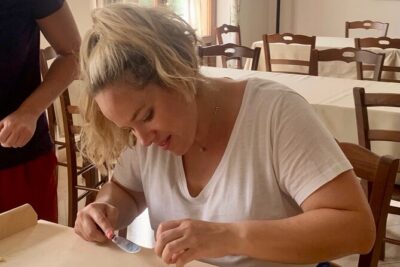
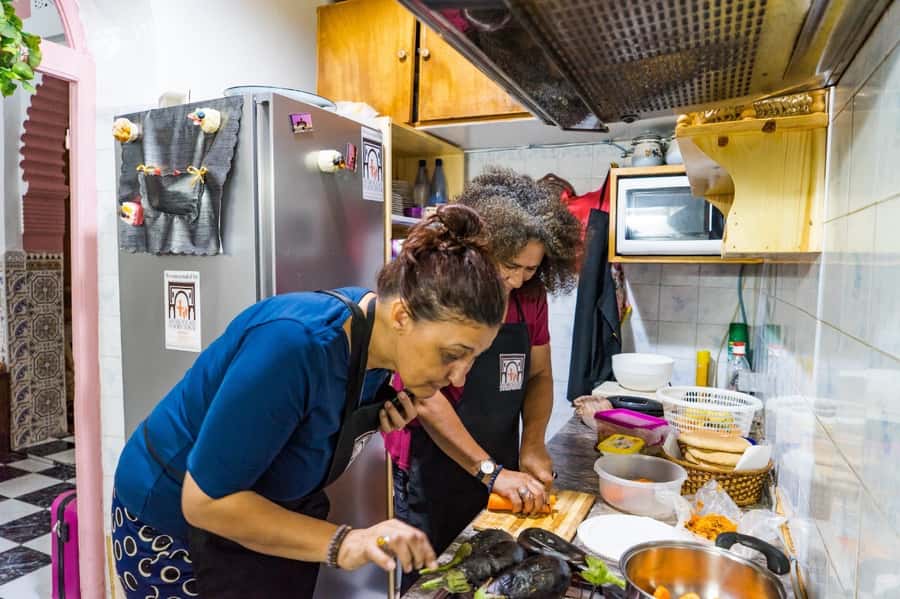
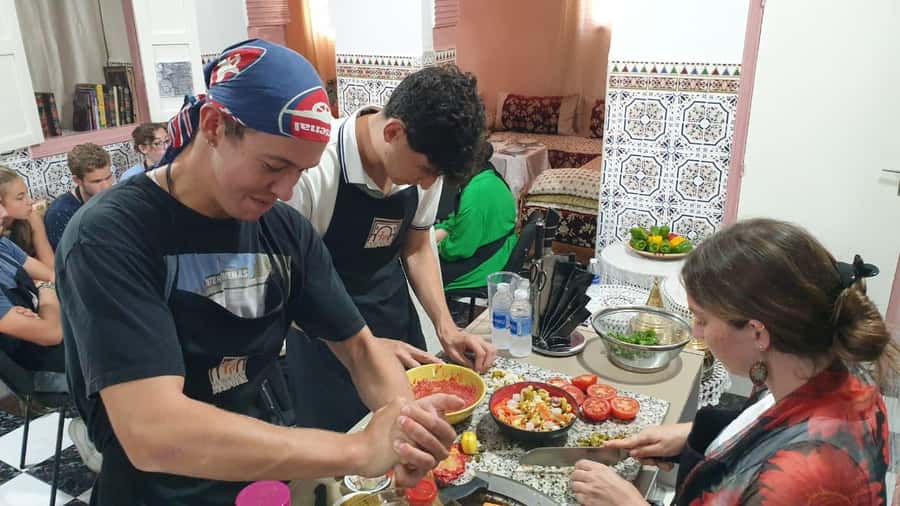
Because the group is small, you join the chef’s brigade instead of watching from across the room. You’ll likely be doing real tasks—prepping vegetables, mixing elements, and assembling dishes—rather than only tasting and taking notes.
You can also expect an interactive rhythm. The hosts encourage conversation and customs talk, and you’ll have time to ask questions along the way. That makes the workshop feel more like learning in a home than performing a demo for a class.
One useful thing: Moroccan cooking techniques often depend on the order you do steps in. You learn that here—how flavors build, what needs more time, and how to adjust while you’re cooking. The best takeaway is confidence: after this, you shouldn’t feel lost if you try making one of the dishes again later.
What you’ll cook: a flexible 3-course Moroccan menu
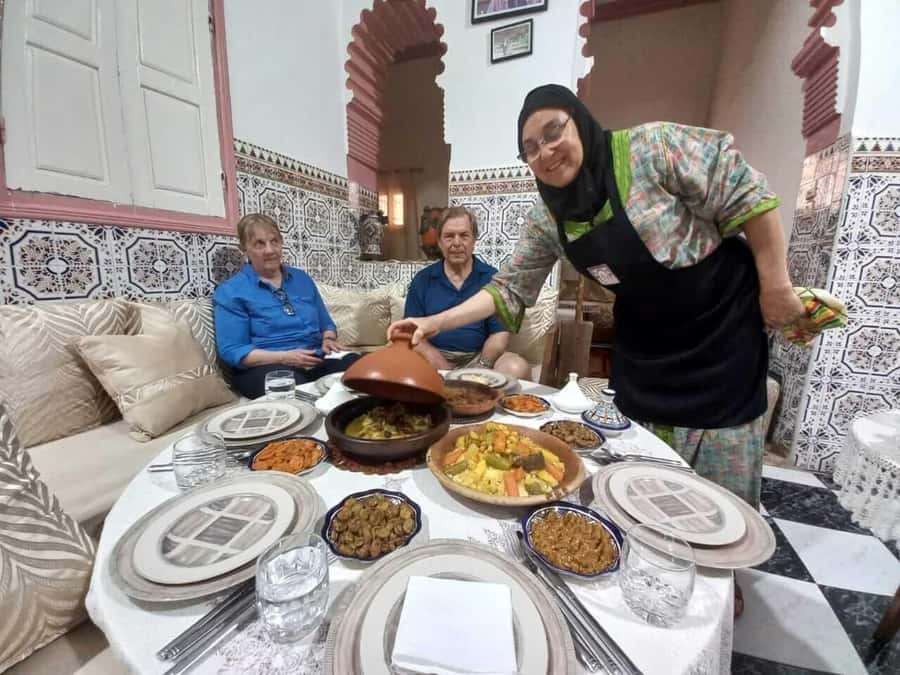
The tour is designed around a 3-course menu you craft during the class. Your host recommends options based on your preferences, and you choose what you’ll actually cook. That’s key, because Moroccan food has a lot of variety—tajines, couscous, vegetable starters, and desserts that can be lighter or more pastry-focused.
From recent examples, here are dishes that may show up depending on the menu your chef chooses:
Starter ideas: spiced vegetables and bread
A common starter style is vegetable prep with strong Moroccan seasoning. One example included aubergines and peppers cooked without skin, cut small, seasoned well, and served with bread. This kind of starter teaches you technique: how to prep vegetables so they cook evenly, and how to avoid watery results when flavors are meant to concentrate.
Main course: couscous or chicken tajine
You may make a classic couscous dish (one example described couscous made like Moroccans traditionally eat on Fridays), or a chicken tajine. Both are great learning targets because they teach different lessons: couscous is about timing and texture, while tajine is about slow cooking and building depth.
The main course is where you’ll see Moroccan cooking show its structure—spices, sauces, and layering. Even if you’ve had Moroccan food before, you’ll likely be surprised by how much the process matters compared to just the final taste.
Dessert: seasonal fruit, orange juice, or millefeuille
Desserts can range. One example included fruit salad with fresh-squeezed orange juice. Another example included a Moroccan millefeuille with homemade pastry work plus a cream flavored with orange blossom and saffron.
That millefeuille detail is especially educational. One description explained how a special thin pastry dough is prepared, cut into rounds, fried, and then layered into millefeuilles. You don’t just eat dessert—you understand why it stays crisp and why the flavors come through.
What to watch for: because menus can change, don’t expect exactly the same lineup every day. But do expect the 3-course structure and the real cooking process behind it.
Eating what you made: Moroccan hospitality at the table
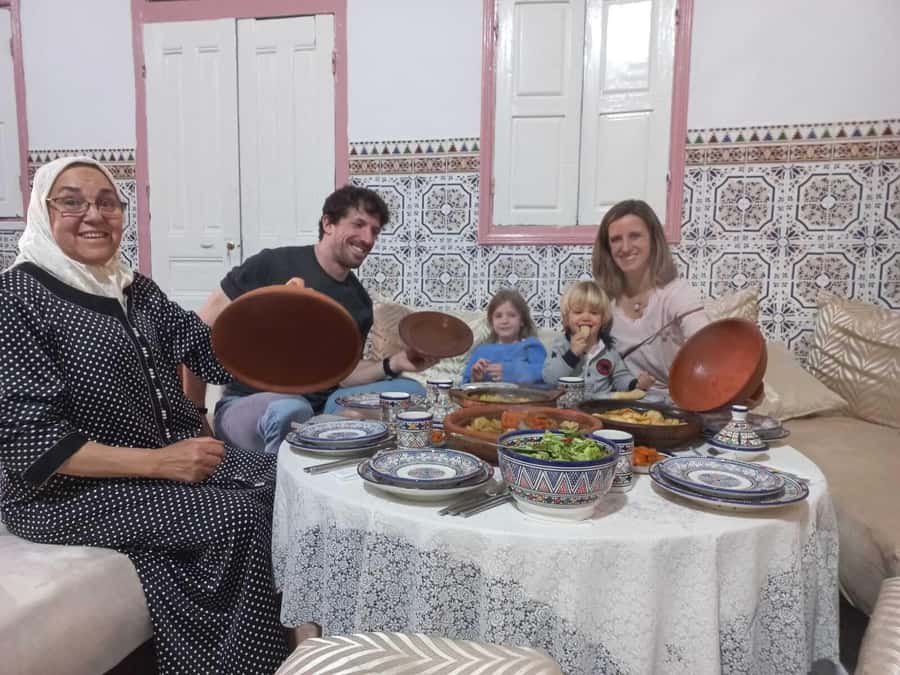
After the workshop, you sit down for the meal you helped create: appetizers, main, and dessert, served with Moroccan hospitality. This is more than a reward. It’s also part of the learning loop.
When you taste what you cooked, you can connect the steps you did earlier to the flavors you’re now experiencing. That helps you remember technique, not just recipes.
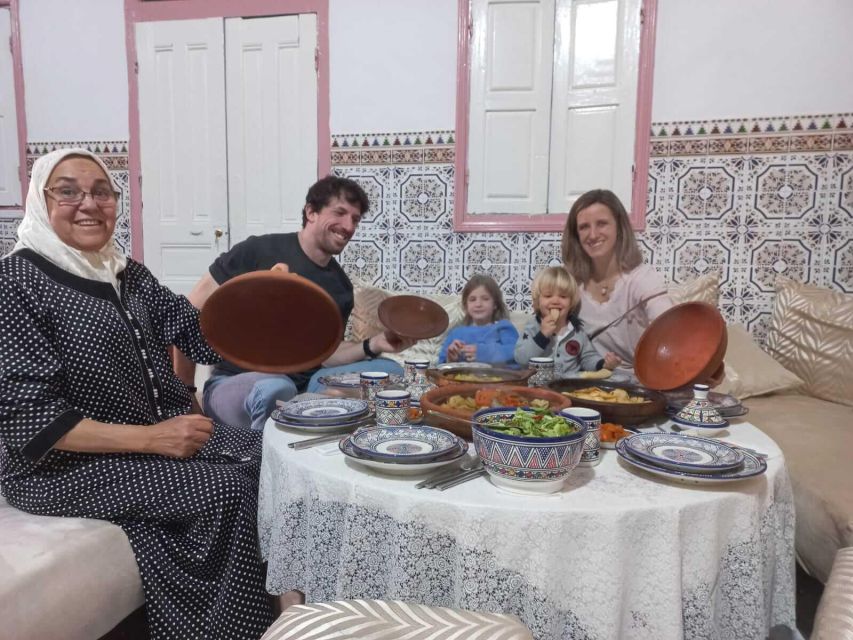
And the table time isn’t rushed. One experience included eating together as a small group and even sharing the meal with family members after the cooking portion. That’s the kind of atmosphere that turns a class into a real cultural exchange.
To finish, you’ll have Moroccan tea—an end ritual that’s simple but satisfying. It gives the day a clean close: you cook, you eat, you sip, you talk. It feels complete.
Price and value: is $72 a good deal in Rabat?
At $72 per person for a 4-hour experience, you’re paying for three things at once: instruction, market shopping, and a full 3-course meal (plus drinks like tea or coffee and bottled water).
Here’s why that can feel like good value:
- Market + cooking + meal are bundled together. You’re not just paying to cook; you’re paying to learn from ingredients first.
- The group stays small (up to 8), which matters for quality and hands-on time.
- You get drinks during the experience, so you’re not scrambling for refreshments mid-class.
What can make it less “cheap” for some budgets is what’s not included: transportation. If you already know your way around Rabat and can reach Hopital Moulay Youssef easily, that’s easy to handle. If not, the cost of getting there can make the trip feel pricier than the base rate.
Also, note the optional add-on: friends can join the meal after the cooking class for a supplement of €15. If you’re traveling with someone, ask early if that option fits your day.
Overall, if your goal is real Moroccan home-style cooking (not just a quick tasting), this price usually lines up well.
Who this class suits best (and who should rethink it)
This Rabat cooking class fits best if you want:
- A hands-on experience where you cook, not just watch
- A market-to-kitchen day that teaches ingredient thinking
- A small group atmosphere where conversation is easy
- Classic Moroccan dishes like tajine, couscous, and Moroccan desserts
You might want to rethink it if:
- You dislike structured activities with a clear timeline (this is a full-flow 4 hours)
- You’re looking for a pure restaurant meal without kitchen work (you’ll be cooking)
- Your day is too tight for a market stop plus prep plus plating
If you have dietary preferences, the host asks about preferences and recommends the menu accordingly. That means you’re not locked into one random set of dishes—you should have a chance to steer what you cook.
Practical tips so you enjoy the full 4 hours
A cooking class can be comfortable or stressful depending on how you prepare. Here’s what helps with this specific market-to-home rhythm:
Wear shoes you can walk in. Even if the market portion is manageable, you’ll still be moving. Bring a camera if you like, since you’ll want to capture the cooking process and the final plate.
Arrive with a calm mindset. The best part of this class is how it flows: shopping first, then cooking, then eating. If you treat it like separate errands, it won’t feel as meaningful.
Also, go ready to taste and adjust in your head. Moroccan cooking often builds flavor in stages. You’ll likely learn why a spice blend works, and how the same ingredients behave differently across starter, main, and dessert.
If you’re traveling solo, this is a good setup because the small group size makes it social without feeling forced. If you’re a couple or small friend group, it can also be great because you can cook together and then share the meal.
Should you book this Rabat family-home cooking class?
Book it if you want a Rabat food experience that feels local, hands-on, and practical. The market step plus the small group workshop is a strong combination, and the 3-course meal means you actually get to sit down and enjoy what you made—not just sample a few bites.
Skip it if you mainly want entertainment or a quick meal with minimal effort. This is a real cooking day, and you’ll get the best value when you lean into the process.
My take: if you like Moroccan food and you’re curious about how it’s built from the ingredients upward, this class is an easy yes. It’s one of those rare tours where the learning stays with you because you can taste it immediately afterward—and then recreate pieces of it later.
FAQ
How long is the Rabat cooking class?
The experience lasts 4 hours.
What is the meeting point?
It meets at the Tramway station Hopital Moulay Youssef.
How big is the group?
It’s a small group limited to 8 participants.
What languages are spoken during the tour?
The host or greeter speaks French and English.
What’s included in the price?
Included are the market visit, the cooking session, a 3-course menu, and drinks (tea or coffee, plus bottled water).
Is transportation included?
No. Transportation is not included.
What do you eat during the class?
You enjoy a full 3-course Moroccan menu that you help prepare, then finish with Moroccan tea.
Can friends join after the cooking class?
Yes. Friends can join the meal after the cooking class for a supplement of €15.
Can I get a refund if I change my plans?
Free cancellation is available up to 24 hours in advance for a full refund.
Can I reserve now and pay later?
Yes. You can reserve now and pay later.