REVIEW · RABAT
Rabat Family Cooking Class
Book on Viator →Operated by Moroccan Food Tour · Bookable on Viator
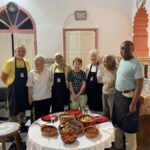
Food lessons in a real Rabat living room. You get a guided market ingredient walk and then a warm family welcome that turns cooking into a story, not a script. It’s a small setup (up to 8 people) and the 3-course lunch is built around what you choose, so you’re not stuck eating the same thing as everyone else.
The main idea is simple: you shop with a guide, cook together at a home, and sit down for lunch. One thing to plan for is transport. This experience doesn’t include getting you there, and it ends where it starts, so you’ll want a clear plan for how you’ll reach the meeting point.
In This Review
- Rabat Family Cooking Class: What You’ll Actually Do
- Quick Take: My Favorite Parts (and the Trade-Off)
- Key Details That Matter Before You Go
- Finding the Group: Tram Stop to Family Home
- Market Time in Rabat: Ingredients, Customs, and Questions
- Picking Your Three Courses Like a Local
- Cooking in the Home: Hands-On Steps and Real Hospitality
- The Meal: Eating What You Made, Plus Coffee or Tea
- Price and Time: Is $75.60 Worth It?
- Who This Rabat Cooking Class Fits Best
- Should You Book This Rabat Cooking Class?
- FAQ
- How long is the Rabat family cooking class?
- Where does the experience start and end?
- How much does it cost?
- What’s included in the price?
- Is alcohol included?
- Do we visit the market before cooking?
- Can I choose what I cook?
- What group size should I expect?
- Is transportation included?
- How far in advance should I book?
Rabat Family Cooking Class: What You’ll Actually Do
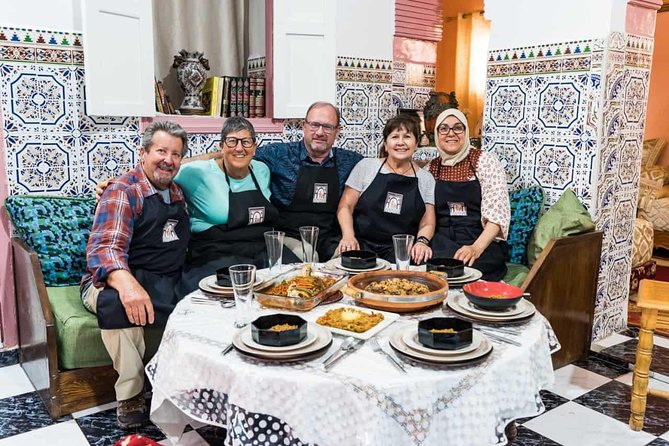
This is one of those experiences where you’re not just watching. You’re buying ingredients, cooking as a team, and then eating your own work in a family setting. The time is about 3 hours, which is long enough to learn real technique and short enough that you’re not spending your whole day off in a kitchen.
You start with a brief overview at the meeting point. During that intro, you’ll learn what the 3-course menu options are and select what fits your preferences. Then the group heads to the market with your guide, where you’ll get explanations of ingredients and local customs. After the market, you walk to the family home and begin the cooking session.
The day ends with lunch together. Coffee and/or tea is included, plus snacks and bottled water. Alcoholic drinks aren’t included, so if that matters for your meal plans, you’ll want to handle it elsewhere.
Quick Take: My Favorite Parts (and the Trade-Off)
The two best parts are the ingredient-to-plate connection and the human welcome. When you shop for what you’re actually going to cook, everything makes more sense. When you cook in someone’s home and share the meal afterward, it feels like a visit, not a performance.
The other big win is the format: interactive lessons with time for questions. The guide doesn’t just toss out facts. You should expect real dialogue as you handle ingredients and watch techniques that Moroccan families use day after day.
The trade-off is practical. Transportation isn’t included, so you’ll need to get to the start point yourself. Also, while lunch and drinks are covered, you shouldn’t assume there’s a post-class recipe package on autopilot. If having recipes afterward is important to you, it’s worth asking during the class so you don’t leave expecting an email that never shows up.
You can also read our reviews of more tours and experiences in Rabat.

Key Details That Matter Before You Go
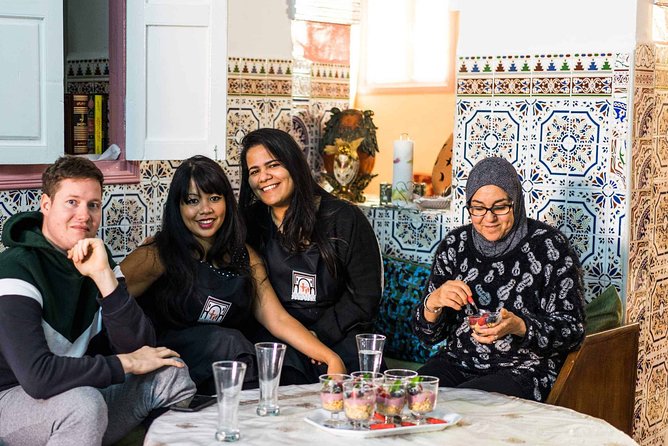
- Small group (max 8) keeps it interactive and makes questions actually happen.
- Market tour with ingredient explanations helps you understand what you’re buying, not just where.
- Three-course menu lets you choose based on what you like.
- Hands-on cooking in a home means you learn steps you can repeat later.
- Lunch plus coffee/tea and snacks keeps you fueled from shopping to eating.
Finding the Group: Tram Stop to Family Home
The meeting point is at Terminus Tramway Hôpital Moulay Youssef, on Av. Sidi Mohamed Ben Abdellah, Rabat. The activity ends back at the same meeting point, so treat it as a loop: start there, end there.
Because transportation isn’t included, give yourself extra time to arrive early. With a meeting point tied to a tram terminus, it’s usually straightforward to reach, but you still want a buffer in case you’re navigating Rabat for the first time.
You’ll begin with a short introduction where the menu is explained and you make your choices. That step matters because it affects what you’ll cook later. Once you pick, the market visit becomes purposeful, not random wandering.
Market Time in Rabat: Ingredients, Customs, and Questions
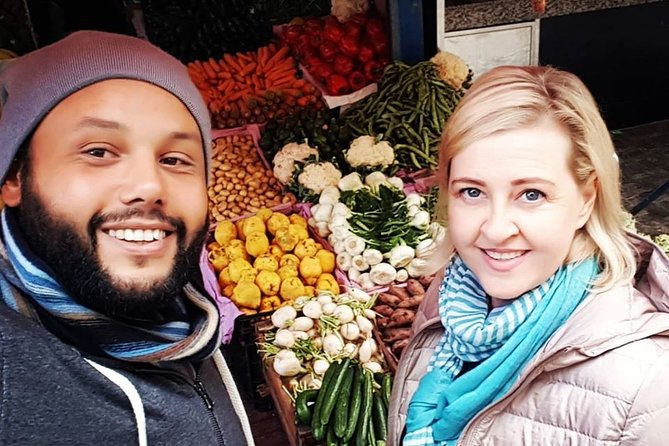
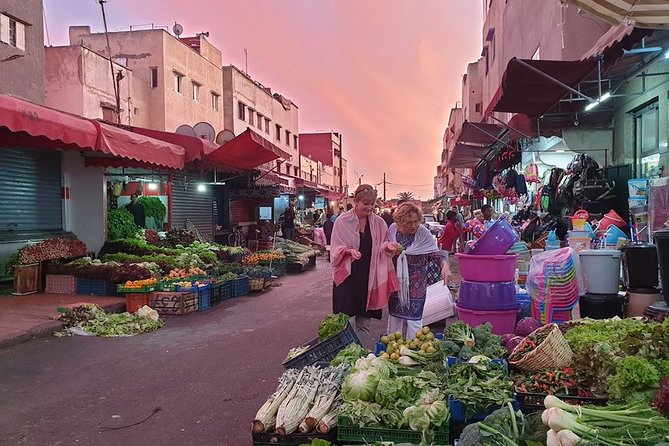
The market segment is where this class earns its keep. You’re not just getting a shopping list. Your guide talks through ingredients and shares culinary customs that explain why certain flavors show up again and again in Moroccan cooking.
Expect to see ingredients that might feel unfamiliar at first. That’s fine. The benefit here is context. When someone explains what an ingredient does and how it’s used, you start building a mental map you can reuse later, whether you’re cooking at home or trying to identify dishes on a menu.
This is also where you’ll likely get the chance to ask the questions you actually care about. People often want to know what substitutions work, how spices are balanced, and what makes one version different from another. The interactive setup is designed for that.
Then you’ll walk from the market to the family home. That change of setting is part of the magic. One moment you’re among vendors and everyday shoppers; the next you’re in a kitchen where meals are made with family routines and real hospitality.
Picking Your Three Courses Like a Local
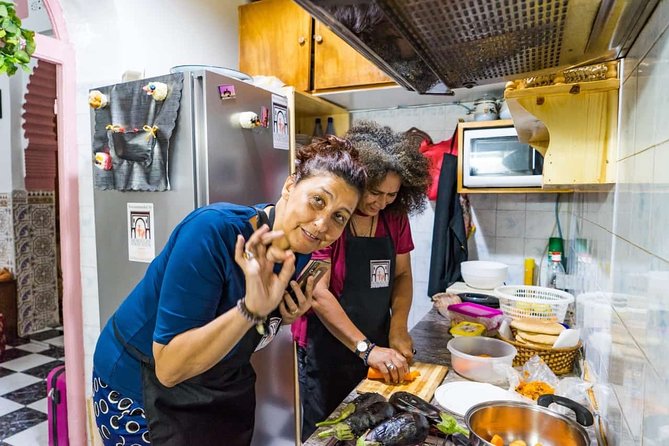
Before you shop, you’ll select your preferences for the 3-course menu. That means the cooking plan is personalized within the overall structure of the class.
In past sessions, dishes have included things like lamb tagine, which is a great example of the kind of Moroccan comfort food you can understand once you see the process. Even if your exact dishes differ, the learning goal is the same: you’ll practice core techniques and seasoning logic, then apply them to a full lunch.
I like this menu-choice approach because it respects your food comfort zone. If you know you’re not into certain flavors, you have a say early. If you’re excited to try Moroccan classics, you can lean into that.
Cooking in the Home: Hands-On Steps and Real Hospitality
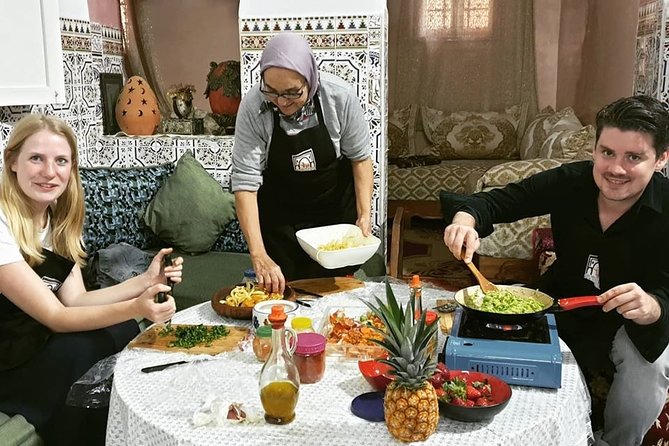
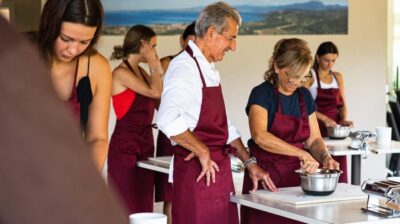
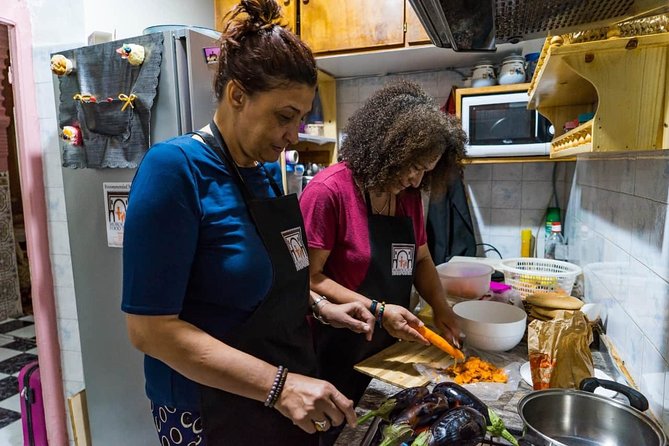
Cooking happens at the family home. That sounds simple, but it’s the heart of the experience. You’re not in a demonstration kitchen where everything moves fast and you touch nothing. Instead, you’re part of the process: chopping, mixing, assembling, and cooking alongside your hosts.
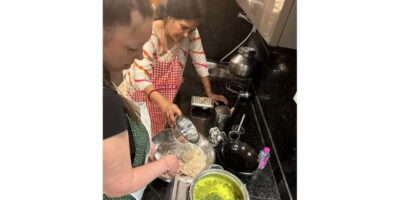
You may be cooking with or alongside hosts who help guide the flow. In one session, the class experience included working together with hosts named Muhammad and Iman while preparing lamb tagine. That kind of name-to-face detail matters because it reinforces the feeling that this is family-run hospitality, not a staged setting.
What you’ll probably notice right away is the pace. Home cooking isn’t rushed. There’s room for questions. There’s also room for laughter when something goes slightly wrong, which is normal when you’re learning new methods.
And since the hosts share personal stories about food and family life, cooking stops being only technical. You’re picking up cultural context, like why certain meals matter, how ingredients connect to seasons, and how food traditions get passed down.
The Meal: Eating What You Made, Plus Coffee or Tea
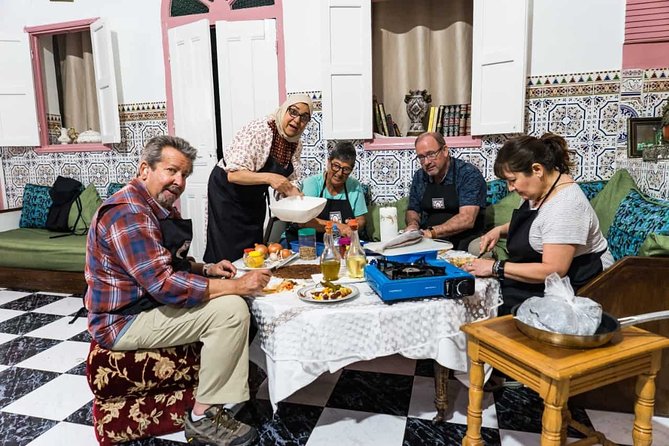
After cooking, you sit down for lunch together. This matters more than it sounds. When you eat what you cooked, you instantly learn the difference between tasting and understanding. You’ll notice how spices come through, how textures develop, and how dishes balance salt, sour, and warmth.
The included meal package is also a smart value. You get lunch, plus coffee and/or tea, plus snacks and beverages. That covers the full “from start to sit down” portion of your day, so you don’t have to budget extra for food while you’re in transition between market and home.
If you’re the kind of person who wants to take home a skill, you’ll likely leave remembering the order of steps and the reasons behind them. If you’re just hungry, you’ll leave with that too. Either way, the meal turns the class into a full experience rather than a quick cooking demo.
Price and Time: Is $75.60 Worth It?
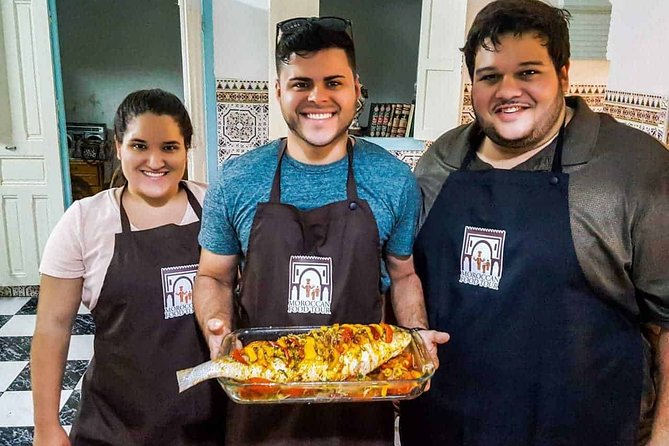
At $75.60 per person, you’re paying for a small-group, guided market visit and a hands-on home cooking lunch that lasts about 3 hours. That price can sound steep if you compare it to a standard restaurant meal. But the value here isn’t the food you eat. It’s the access: market learning, personalized menu choice, and cooking instruction inside a family home.
You also get a full included food and drink set: lunch, coffee/tea, snacks, bottled water, and beverages. Alcohol is not included, but you’re not paying for it either.
The practical trade-offs are what you decide ahead of time:
- You’ll handle your own transport to the meeting point.
- You should treat the experience as a learning meal, not a grab-and-go ticket.
- If you care about getting written recipes afterward, ask.
For many people, that combination makes it a standout value in Rabat because it replaces a generic tour with a real skill and a real home meal.
Who This Rabat Cooking Class Fits Best
This is a strong match if you:
- Want Moroccan food through hands-on cooking, not a slideshow
- Enjoy market experiences where someone explains ingredients
- Like small groups where you can ask questions
- Prefer authentic hospitality over a scripted, impersonal setup
It may not be for you if you need transportation included, or if you’re not comfortable coordinating your own way to a specific tram meeting point. Also, if you’re expecting a large luxury setting, this is a home experience. Think warmth and learning, not polished and formal.
If you love dishes like tagine and want to understand how they come together, this class is a very logical choice in Rabat.
Should You Book This Rabat Cooking Class?
I think it’s an easy yes for the right traveler. If you want a Moroccan cooking experience that includes an ingredient-focused market walk and a true family-lunch setting, this one hits the sweet spot. The small group size (max 8) and interactive format make it feel personal and practical.
Book it if you enjoy learning by doing and you like the idea of going from market ingredients to a three-course lunch you cooked yourself. You’re also getting coffee/tea and snacks, so the timing feels efficient for a half-day plan.
Skip it only if the idea of self-arranging transport is a dealbreaker for you, or if you’re only interested in food tasting without the hands-on part.
FAQ
How long is the Rabat family cooking class?
It’s about 3 hours.
Where does the experience start and end?
It starts at Terminus Tramway Hôpital Moulay Youssef (Av. Sidi Mohamed Ben Abdellah, Rabat) and ends back at the same meeting point.
How much does it cost?
The price is $75.60 per person.
What’s included in the price?
You’ll get beverages, lunch, coffee and/or tea, snacks, and bottled water.
Is alcohol included?
No, alcoholic drinks are not included.
Do we visit the market before cooking?
Yes. The guide accompanies you to the local market to explain ingredients and local customs before you cook.
Can I choose what I cook?
Yes. At the start, you’ll be presented with menu options and you select according to your preferences.
What group size should I expect?
The experience has a maximum of 8 travelers.
Is transportation included?
No. Transportation is not included.
How far in advance should I book?
On average, it’s booked about 30 days in advance, so planning ahead helps.