REVIEW · HANOI
Hanoi: Vegan Vietnamese Cooking Class in a Local Villa
Book on GetYourGuide →Operated by Rose Kitchen Hanoi · Bookable on GetYourGuide
Hanoi flavors go fully plant-based here. This class mixes a hands-on cooking lesson with a guided market stop, then turns everything into a shared meal in a big local villa. I especially like the market ingredient picking part and the small-group villa kitchen vibe, so you get real attention while you cook.
One note before you go: the market walk may have areas where you pass butchers, so if that’s a deal-breaker for you, plan accordingly. The upside is that you’re going straight from ingredients to cooking, not stuck waiting around.
In about 4.5 hours, you’ll learn how to build Vietnamese vegan seasonings and marinades, then make four seasonal vegan recipes together. You also get free pickup and drop-off in Hanoi Old Quarter, plus unlimited mineral water and a welcome drink with herbal tea and local wine.
In This Review
- Key things to know about this vegan Hanoi class
- The Old Quarter pickup, then straight to a local market
- The villa kitchen: a cultural hub, not a factory classroom
- How you build Vietnamese vegan flavor: seasonings and marinades
- Market-to-plate itinerary: what happens during the 4.5 hours
- What you actually get to eat (and why the included drinks matter)
- Price and value: $57 for a guided market-to-meal experience
- Who should book this vegan cooking class
- Practical tips to make the day smoother
- Should you book this vegan Hanoi cooking class?
- FAQ
- What is the duration of the vegan cooking class?
- Where is the class located?
- What is the price per person?
- Does the class include pickup and drop-off?
- How many people are in the group?
- What days are the vegan classes offered?
- What food and drinks are included?
- Is the class taught in English?
- Is it wheelchair accessible and are there age limits?
Key things to know about this vegan Hanoi class
- Small group (up to 10): easier hands-on teaching and more time for questions.
- Free Old Quarter pickup/drop-off: saves time and stress before a class that runs tight.
- Market tour first: you choose your ingredients, then cook with what you bought.
- Four seasonal vegan dishes: you’ll leave with a playbook for Vietnamese vegan flavors.
- Villa meal setting: lunch or dinner is served in a large garden villa space.
- Vegan Days run on set mornings: Tue, Thu, Sat, Sun mornings; private options for other dates.
The Old Quarter pickup, then straight to a local market
The experience starts with a convenient pick up in the Hanoi Old Quarter area. You’ll be asked to wait in your hotel lobby about 10 minutes before your scheduled pickup time, and from there you’re whisked to the day’s first stop.
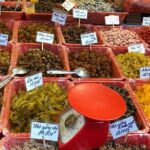
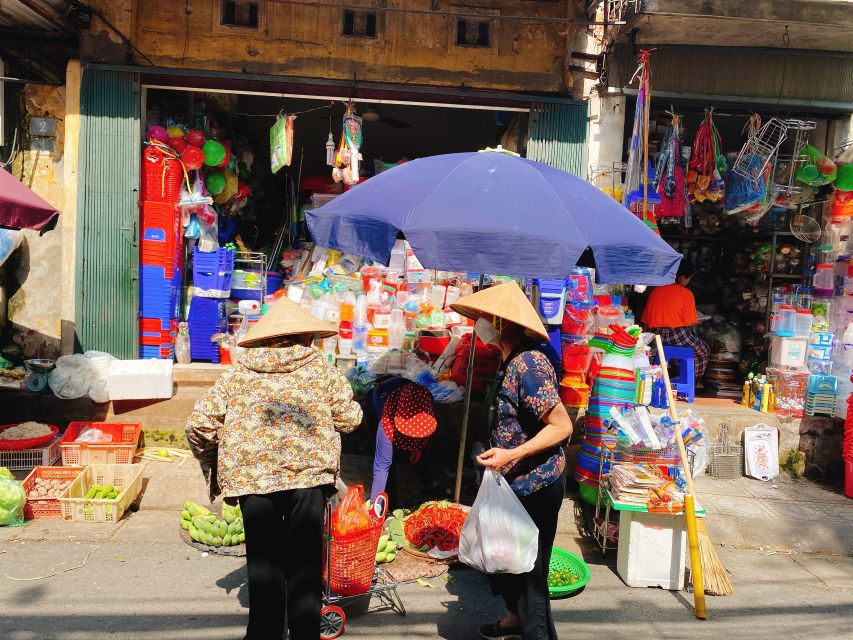
The market visit is not just a quick look. It’s there so you can see what’s fresh and practice choosing ingredients the Vietnamese way. You’ll be guided through the kinds of vegetables and fruits you’ll use, and you’ll get help picking what fits the recipes you’re going to cook.
This is also where you’ll learn the practical reality of cooking in Vietnam: markets aren’t separated by dietary style. Even on a vegan-themed class, you might pass butchers during the walk. If you’d rather avoid that, consider going on a day when you can take the market portion in stride, or ask the organizer about how the route is handled.
In a class that’s only 4.5 hours long, the market stop matters. It gives you context for why certain herbs, roots, and produce show up in Vietnamese vegan cooking, and it helps you understand what you’ll be tasting later when the meal comes out.
You can also read our reviews of more tours and experiences in Hanoi.
The villa kitchen: a cultural hub, not a factory classroom
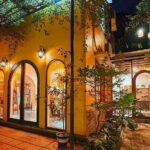
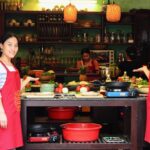
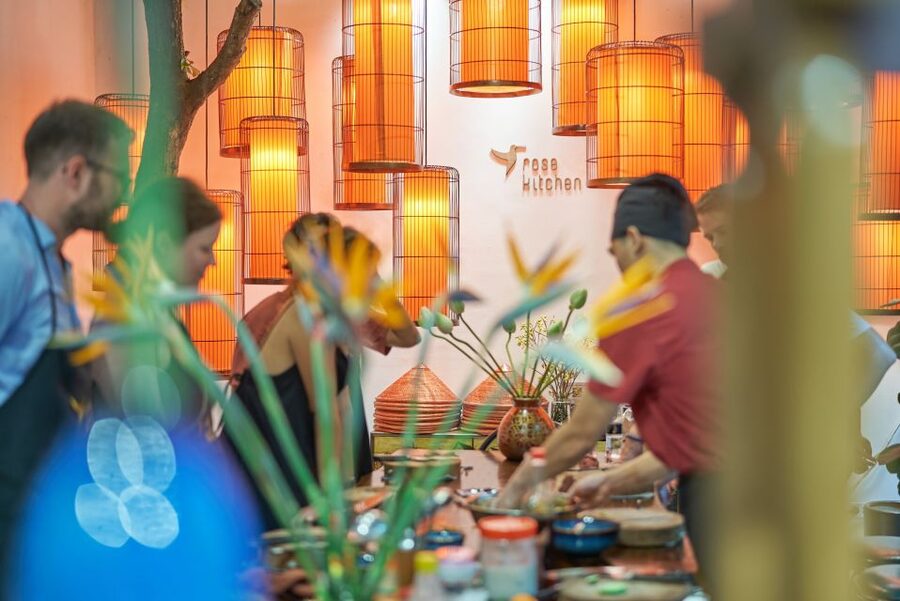
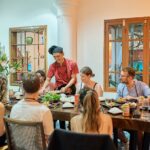
The cooking happens in a local villa with a garden, sized around 500–600 m² depending on how it’s described. Even though the venue is large, the group experience stays small, capped at 10 participants. That balance is important: it feels like a local home setting, but you’re not lost in a crowd.
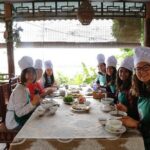
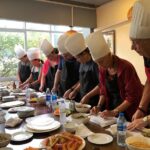
Once you arrive, you’re not treated like a guest who just needs a show. The instructors aim for a hands-on, family-style rhythm where you cook together, guided through steps and ingredients. Expect the kitchen to double as a cultural hub, with stories woven into the cooking so you understand the food, not just the technique.
English-speaking instruction is included, which makes the experience smoother if your Vietnamese is limited. And the teaching style seems to land with people who care about authenticity. In past classes, guides and chefs such as Mango, Aroma, and Vanessa have been praised for going beyond the basics and turning the session into something memorable rather than rushed.
The villa format also helps with comfort. You’re not doing this in a cramped cooking studio. You can usually settle in, taste along the way, and then move into the shared meal without the usual end-of-class scramble.
How you build Vietnamese vegan flavor: seasonings and marinades
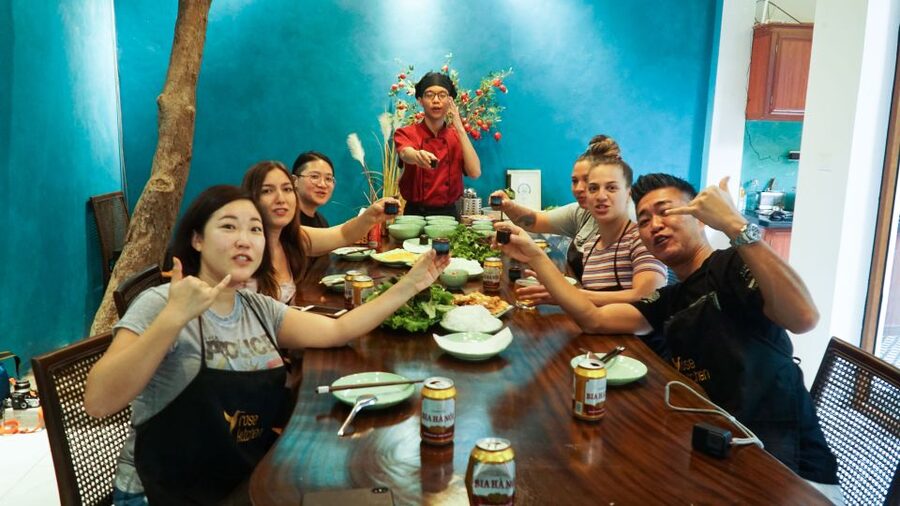
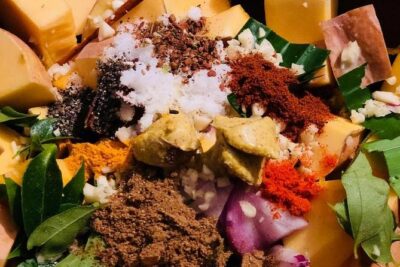
The star of this class is learning the Vietnamese approach to vegan flavor. You’ll make four seasonal vegan recipes, but the bigger value is the method: how to create Vietnamese-style seasonings and marinades without using meat or fish sauces.
Because you’re cooking with an instructor, you get direction on what to look for—textures, balances, and how Vietnamese recipes often rely on layering flavors. Even if you’ve cooked Vietnamese-inspired food before, you’ll likely pick up new ways to season vegetables, tofu-style ingredients, and plant-based “bases” so they taste like they belong in Vietnamese cooking rather than just being vegetables on a plate.
One thing I think you’ll appreciate is that the class is organized around seasonal recipes. That means the dishes should feel tied to what’s available now, not generic “any-vegetable” cooking. It also helps you leave with habits you can repeat at home: buy what’s seasonal, then use the seasoning logic to recreate the flavor profile.
You’ll also do cooking in a guided flow, which matters for a vegan class. Vegan substitutions can be tricky when you’re doing it from memory. Here, the instructor stays with the process so you can see what a good result looks like and adjust while you cook.
If you’re the kind of traveler who likes taking home more than photos—this is the kind of class that teaches you how to think, not just what to cook.
Market-to-plate itinerary: what happens during the 4.5 hours
For a 4.5-hour session, everything is paced to keep you moving: pickup, short market tour, then cooking blocks that end with lunch or dinner. Here’s the flow you can expect.
First, you’re picked up in the Old Quarter area and taken to the local market. You’ll tour with a guide and then choose ingredients with help. You might pass butchers on the way, but the focus stays on fresh produce and the items that match your recipes.
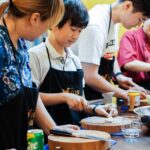
Next you head to the kitchen cum cultural hub in the villa. This is where you’ll start prepping and cooking. You’ll follow instructions, work through steps together, and learn how the vegan seasoning and marinade approach fits the recipe.
During the cooking time, expect lots of short steps: chopping, mixing, tasting, and adjusting. The class includes food tasting as part of the experience, which is great because you can correct flavor while you still have time to fix it.
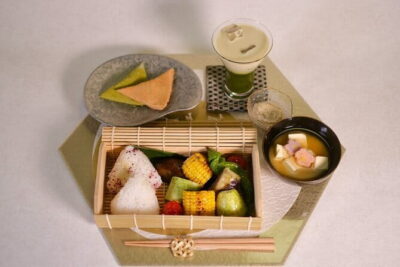
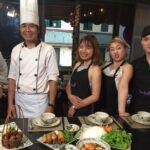
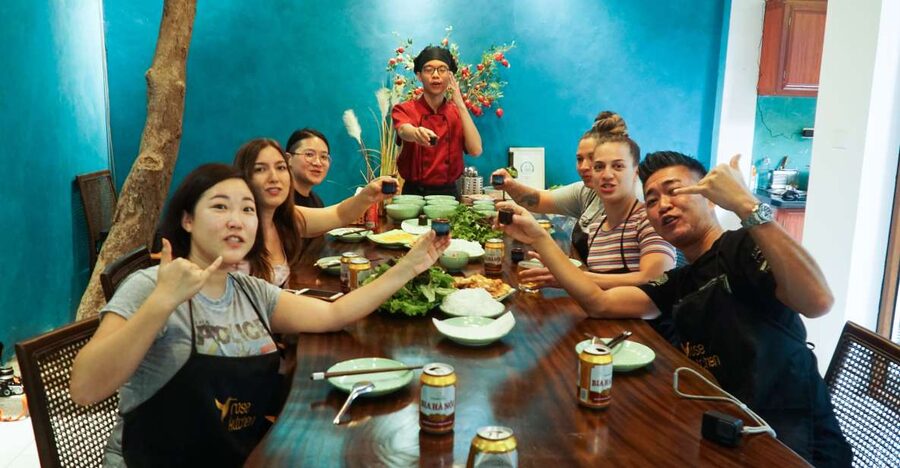
Finally, you eat. Lunch or dinner is included, and it’s served in the villa setting. You’ll also get seasonal fruits, a welcome drink, herbal tea, and unlimited mineral water. Local wine is also included, though you can treat it as optional depending on your preferences.
If you’re wondering whether you’ll feel rushed: the class is short, but the small group size and shared cooking style should keep it from feeling like an assembly line.
What you actually get to eat (and why the included drinks matter)
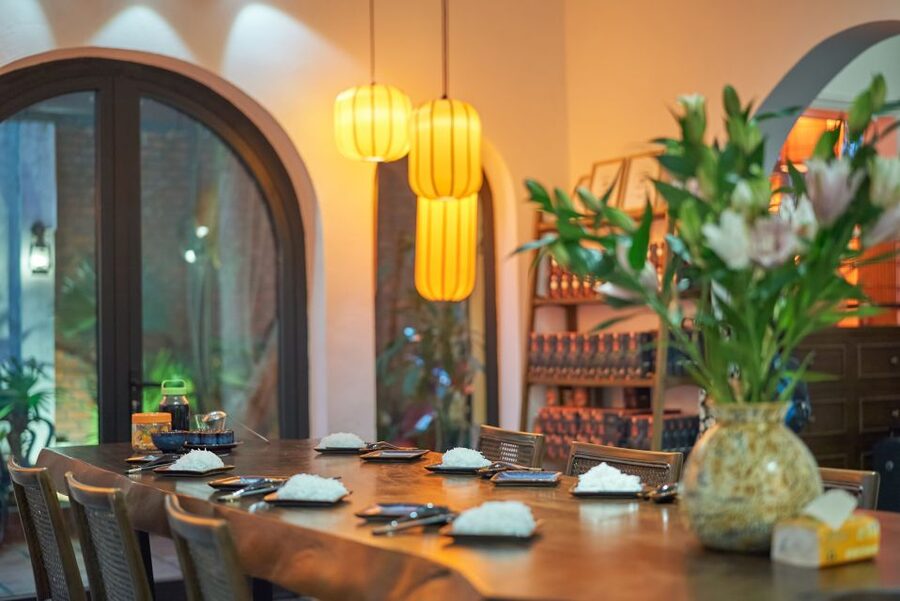
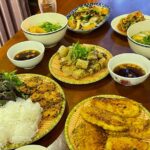
This is not one of those cooking classes where you mostly watch and then get handed a plate. You’ll cook four recipes, taste along the way, and then enjoy lunch or dinner together.
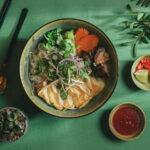
Included with the meal are seasonal fruits and multiple drinks: a welcome drink, herbal tea, unlimited mineral water, and local wine. That combination makes the meal feel like a proper sit-down, not just a tasting session.
The drink setup can also help you enjoy the food at different paces. If you’re sensitive to alcohol, treat the local wine as an optional add-on. If you enjoy it, it makes the meal feel more like a Vietnamese evening, which is part of why this class doesn’t feel overly “touristic.”
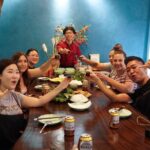
What I like most about the meal component is the setting. Eating in a large villa with a garden is more comfortable than eating in a busy kitchen corridor. You can slow down, talk with your group, and actually taste what you made instead of trying to rush through it to get to the next activity.
And because the recipes are seasonal, the flavors should feel current. That matters in Vietnam, where produce changes and Vietnamese cooking leans hard on what’s fresh.
Price and value: $57 for a guided market-to-meal experience
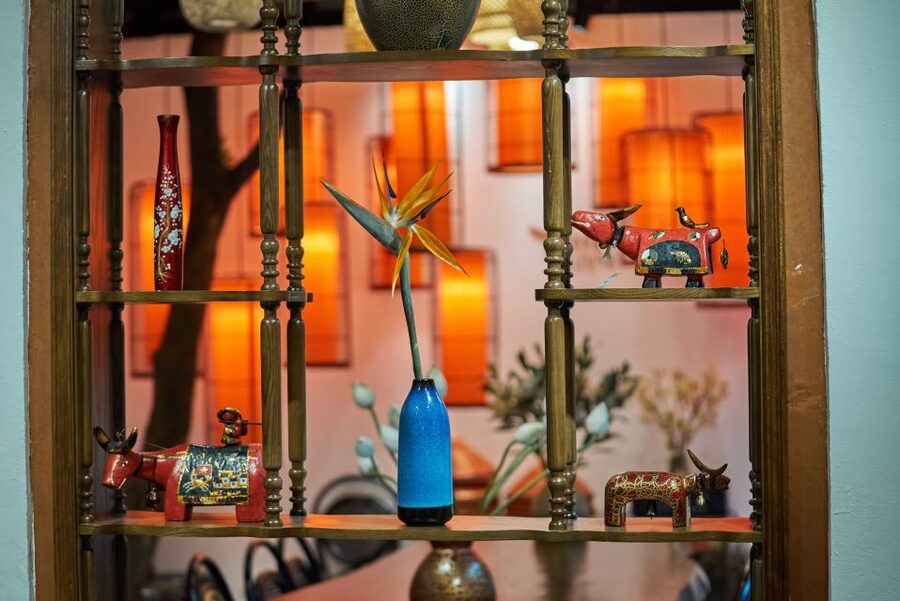
At $57 per person, this class sits in a middle-price range for Hanoi food experiences. What makes it feel reasonable is the mix of what’s included and what you do in return.
You’re getting:
- free hotel pickup/drop-off in the Old Quarter
- a guided market tour where you select ingredients
- an English-speaking instructor
- cooking instruction for four vegan recipes
- lunch or dinner, plus food tasting
- unlimited mineral water, welcome drink, herbal tea, seasonal fruits
- local wine
The best value signal is the “market to plate” structure. Many cooking classes skip the ingredient sourcing step and just tell you what to buy. Here, you see what’s available and you connect the shopping to the cooking. That’s not only fun. It’s practical if you want to cook vegan Vietnamese food later.
Also, the class is small (up to 10). For a short 4.5-hour experience, small-group attention makes a noticeable difference. If you’ve ever taken a cooking class where you’re stuck waiting for someone to notice you, you’ll likely appreciate this setup.
The main trade-off is time. You can’t expect an all-day course with full recipe booklets and long plating lessons. But for most travelers, 4.5 hours is exactly the sweet spot to learn technique, taste what you made, and still keep your Hanoi schedule flexible.
Who should book this vegan cooking class
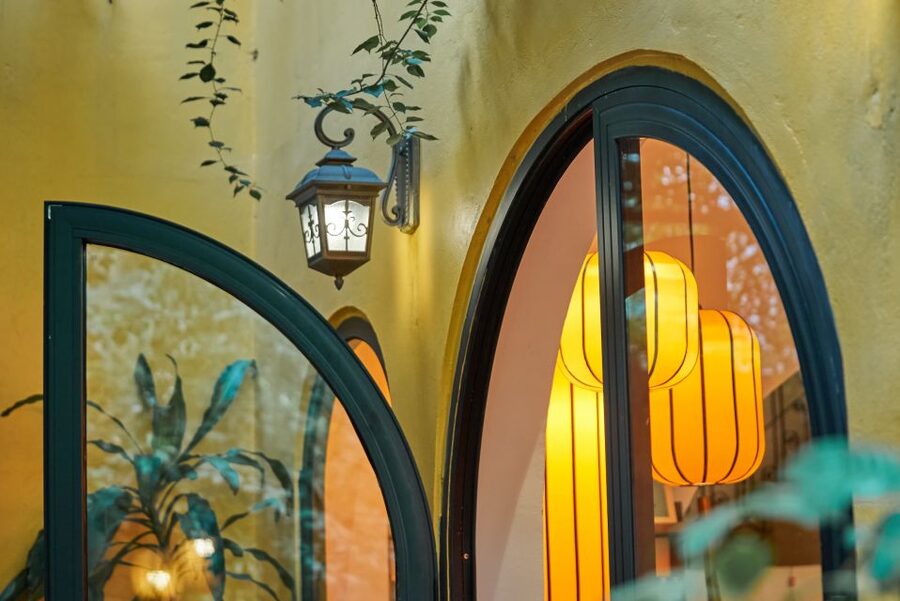
This works best if you want authentic Vietnamese technique with a vegan lens and you enjoy learning through doing.
You’ll probably love it if:
- you’re vegan (or cooking vegan at home) and want Vietnamese flavors, not generic substitutions
- you like markets as part of your travel story
- you want a small group experience with real instruction
- you care about culture and not just recipes, since the class includes cultural stories alongside cooking
You might want to skip or rethink it if:
- you’re uncomfortable passing butcher areas during the market stop
- you want a long, multi-course deep technical class instead of a 4.5-hour format
- you prefer zero alcohol and don’t want local wine included anywhere in the meal flow (though you can typically just choose not to drink)
It also suits travelers who want a calmer, more homey Hanoi moment. The villa setting feels more relaxed than many street-food-only plans.
Practical tips to make the day smoother
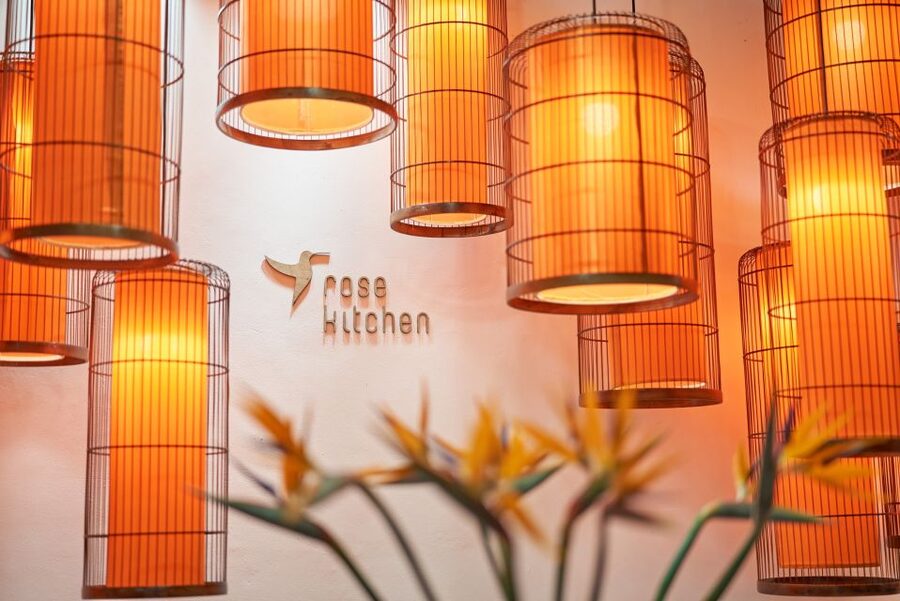
Here’s how to set yourself up for a smooth 4.5 hours.
Wear comfortable shoes for the market walk. Even if it’s a short visit, markets have uneven spots and lots of standing.
Have a quick mindset reset about vegan cooking in Vietnam. The class focuses on vegan seasonings and marinades, so you might encounter flavor combinations that don’t match what you expect from vegan cooking in other countries. Stay open during tasting; you’ll learn faster.
If you have any strong food sensitivities beyond vegan (for example, soy issues), you should communicate with the organizer or instructor ahead of time. The class is designed for vegans, but the exact ingredients can include common vegan staples.
And if you’re booking for one of the Vegan Days, keep an eye on the schedule: Tuesday, Thursday, Saturday, and Sunday mornings are the regular openings. Other dates typically mean a private option, which you’d need to request.
Should you book this vegan Hanoi cooking class?
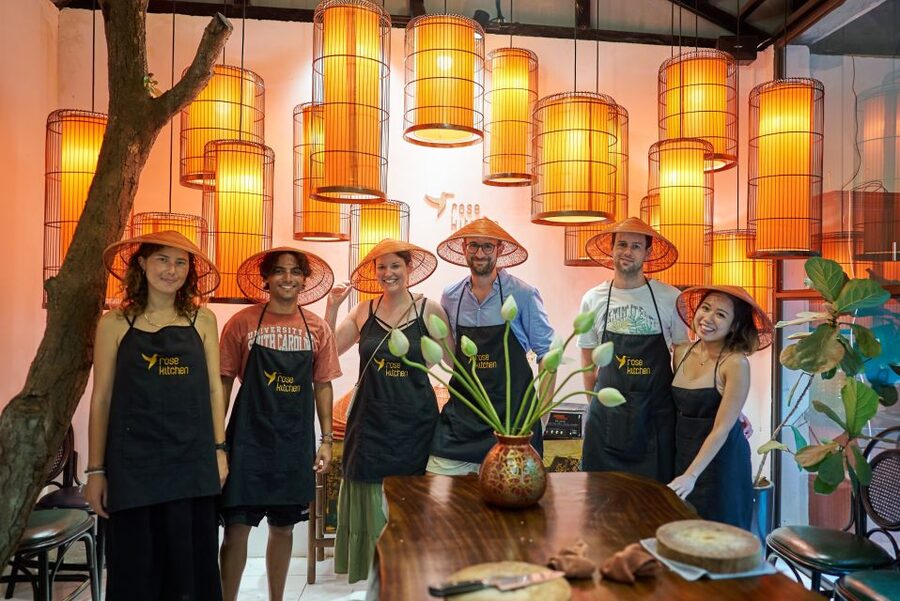
Yes, if you want a hands-on Vietnamese cooking experience that actually teaches vegan flavor building. The market stop plus four seasonal recipes plus a shared villa meal is a strong package for the price, especially with free pickup in the Old Quarter.
I’d book it when:
- you like food learning through doing
- you want a small-group vibe (up to 10)
- you’re looking for something more grounded than just eating out
I’d hesitate if passing butchers in the market route will bother you, or if you want a longer class with more detailed plating and zero alcohol involved in any way.
If your goal is to leave Hanoi with both recipes and real understanding of vegan Vietnamese seasonings and marinades, this is a smart pick.
FAQ
What is the duration of the vegan cooking class?
The class lasts 4.5 hours.
Where is the class located?
The experience takes place in Dong Bac, Vietnam, in a local villa setting.
What is the price per person?
The price is $57 per person.
Does the class include pickup and drop-off?
Yes. There is free hotel pickup and drop-off in the Hanoi Old Quarter area.
How many people are in the group?
This is a small group experience limited to a maximum of 10 participants.
What days are the vegan classes offered?
Vegan Days are offered every Tuesday, Thursday, Saturday, and Sunday morning.
What food and drinks are included?
You get lunch or dinner, welcome drink, herbal tea, local wine, unlimited mineral water, water, food tasting, and seasonal fruits.
Is the class taught in English?
Yes, the cooking instructor speaks English.
Is it wheelchair accessible and are there age limits?
It is wheelchair accessible. It is not suitable for babies under 1 year.