REVIEW · SARDINIA
Cooking Class in a Secret Courtyard – Culurgiones (Sardinian Pasta)
Book on Viator →Operated by Sardaigne en Liberté · Bookable on Viator
Culurgiones taste better when you shape them. This cooking class at La Corte del Carrubo turns a traditional Sardinian pasta lesson into an evening in a family-style courtyard house, where you work the dough, learn the folding technique, and then sit down to taste what you made. I love the hands-on culurgiones part, and I also love that the dinner is part of the experience, not an afterthought. One thing to consider: even though English is offered, you may hear plenty of Italian during the hands-on cooking, so come ready with patience (and a translation app).
With a maximum group size of 10 people, the night stays social and you actually get time at the table. The class runs about 4 hours, starting at 6:30 pm, so it’s a great fit for evenings in Lanusei when you don’t want to rush around. At $72.41 per person, you’re paying for instruction plus dinner, not just a snack and a demo.
This is also a real cooking workout. You’ll knead and form the pasta with the cook and the home owner, and you’ll eat together around the table with an aperitif and typical local products, with a vegetarian menu option. Drinks are available (non-alcoholic for all; alcoholic for 18+), but it is not set up like a full restaurant bar service.
In This Review
- Quick hits on this culurgiones class
- La Corte del Carrubo in Lanusei: the “secret courtyard” feeling
- Your 6:30 pm start: pacing, group size, and what to do with the waiting
- Hands-on culurgiones: kneading, shaping, and learning from a “love and strictness” approach
- Quick practical tips to help you during shaping
- The dinner table: starter platter, tasting, and what drinks are really like
- Drinks: plan like it’s not a full restaurant bar
- English in the kitchen: what to expect and how to handle it smoothly
- Who this class fits best (and who might want a different option)
- Price and value: what $72.41 really covers
- Timing, comfort, and the small logistics that make or break the evening
- Should you book this culurgiones class in Lanusei?
Quick hits on this culurgiones class
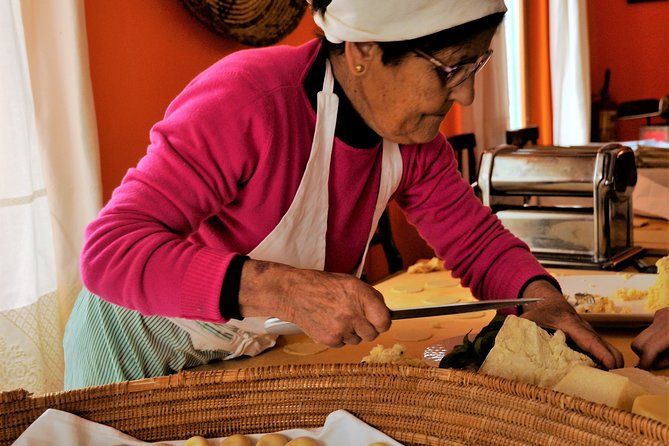
- Secret courtyard setting at La Corte del Carrubo: A traditional house visit is part of the program, not just a cooking room.
- Small group, max 10: Easier to ask questions and get hands-on help.
- Aprons on, dough in hand: You knead and shape, not just watch.
- Dinner included: Starter platter + your freshly prepared culurgiones at the table.
- Vegetarian option available: Plan ahead if you prefer vegetarian.
- Language may be mostly Italian in practice: English is listed, but you should prepare for limited English during cooking.
La Corte del Carrubo in Lanusei: the “secret courtyard” feeling
The magic here starts before any pasta touches your hands. You meet at La Corte del Carrubo in Lanusei, and the evening begins with a welcome and a tour of the traditional Sardinian house. Even if you only care about the food, this part matters because it sets the tone: you’re stepping into someone’s home rhythms, not lining up for a show.
The courtyard setting is what makes it feel special. It’s the kind of space where the evening naturally slows down, and the group starts to talk while you settle in. You’re also told what to expect with Sardinian cuisine before you start working, so you’re not just learning a recipe—you understand why culurgiones matter locally.
One practical note: the start time is early evening, about 6:30 pm (h18.30). Because this is a house experience, you’ll want to arrive a little early so you can find the meeting spot smoothly and avoid standing around wondering where everyone is.
You can also read our reviews of more tours and experiences in Sardinia.
Your 6:30 pm start: pacing, group size, and what to do with the waiting
The schedule is built for a relaxed evening. You arrive, get welcomed, and get a quick introduction to Sardinian cuisine. Then you put on aprons, start kneading, and begin learning culurgiones with the cook friend and the home owner—plus time later for an aperitif and tasting.
The group limit is 10 travelers, which is a sweet spot for a class like this. It makes it easier to get feedback while shaping pasta, and it also helps the dinner feel like you’re part of one shared table instead of separate groups.
If you’re the type who likes a clear plan, here’s the key reality: this isn’t a short demo where someone else does the work. You’ll be actively creating pasta pieces, so your pace and timing depend on how quickly you pick up the technique. Wear comfortable shoes and clothes you don’t mind getting a little flour on, because the class is hands-on from the start.
Hands-on culurgiones: kneading, shaping, and learning from a “love and strictness” approach
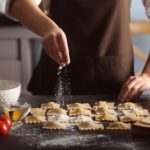
Culurgiones are not one of those pasta shapes you can fake after a 10-minute lesson. The class is built around learning how to handle the dough and how to form the pasta correctly, with guidance from the cook and the home owner. In the best moments, you’ll feel yourself improving step by step, until the shape starts looking right.
From past participants, the teaching style has a “firm but friendly” vibe—think a Nonna-type approach where you’re guided with care and corrected when needed. That might sound intimidating, but it’s usually a good thing. When the teacher insists on doing it properly, you leave with a method you can repeat at home, not just a vague memory of what was supposed to happen.
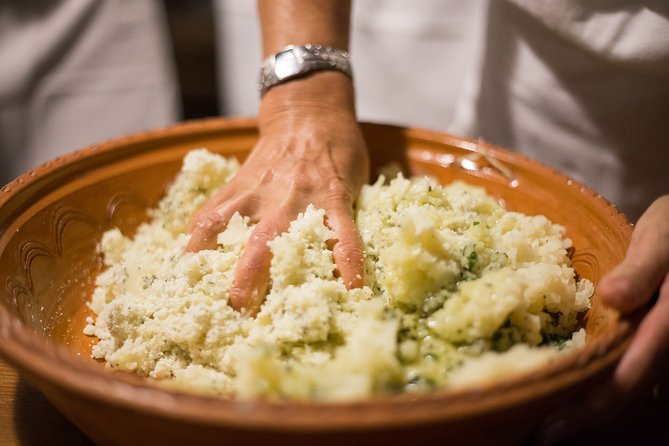
Also, expect that you’ll work with a decent amount of dough. The goal is not to give you a token piece of pasta. Instead, the class is designed so you genuinely contribute to the final meal, which is why the dinner tastes so satisfying afterward—you’ve actually made it.
Quick practical tips to help you during shaping
- Move slowly at first. Speed comes later once your hands understand the dough.
- Ask for clarification early rather than waiting until you’re stuck mid-step.
- If language is a challenge, show your hands. Teachers can often correct shape instantly, even without full English conversation.
The dinner table: starter platter, tasting, and what drinks are really like
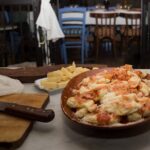
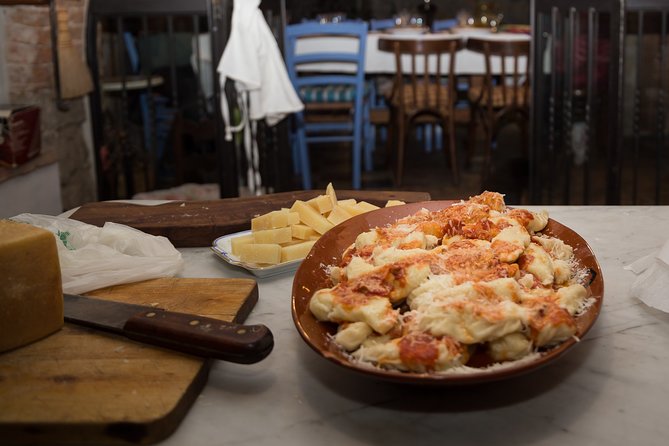
After the cooking, the evening shifts into eating mode. You’ll have an aperitif and then you’ll go around the table to taste the freshly prepared dishes. The sample menu is simple and focused: a mixed platter of cold cuts and cheeses as a starter, followed by culurgiones as the main course.
This “eat what you made” setup is the big payoff. You spend the first part of the evening learning the pasta, then you get to compare what you made with what’s served at the table. That makes the lesson stick in a practical way, because you can connect technique to taste.
Vegetarian diners have an option. A vegetarian menu is available, which is a relief if your group includes someone who doesn’t eat meat. You’ll still get the full rhythm of the night—apron time, aperitif, and table tasting—just with a vegetarian-friendly approach.
Drinks: plan like it’s not a full restaurant bar
Non-alcoholic drinks are available, and alcoholic drinks are available for those 18 years and over. One important consideration: this is not described as full-service restaurant dining. If you want lots of cocktails or fancy pours, you may be disappointed by the reality of a home-style setup.
The good news is that the dinner is still part of the value: you’re not paying for an instruction-only night. You’re paying for a meal and a shared evening that ends with something real on your plate.
English in the kitchen: what to expect and how to handle it smoothly
This is the one area where you should be realistic before you go. The experience is offered in English, but there’s enough evidence of Italian-only moments that you should plan for a language gap during the hands-on portion.
In a class like this, a lot of communication is physical: showing how to pinch, fold, and seal. Still, it helps to be prepared. Bring a phone with an offline translation app and use it for simple questions like ingredients, timing, or common terms you want to remember.
If you need to know every detail to feel comfortable, then treat the recipe learning as a partnership with the teacher. You might hear limited English explanations, but you can still learn by watching and repeating. The best outcomes tend to come from people who enjoy the process more than they need a perfect classroom lecture.
Who this class fits best (and who might want a different option)
This experience is ideal if you want a hands-on Sardinian food night. You’ll be kneading, shaping, and contributing to the final meal, and you’ll get to eat together afterward. It’s also a good fit for people who like smaller groups and more conversation, since the class caps at 10.
It can also work well for families. The minimum age is 6 years, so if you’re traveling with kids who can sit through a 4-hour evening and handle a flour-covered environment, this is a fun way to get them involved in a local food tradition.
Here’s the mismatch risk. If you want a full English-led class with lots of explanation and minimal participation requirements, you might feel frustrated. The night is designed for involvement. Expect to work, not just observe.
Price and value: what $72.41 really covers
Let’s talk value in plain terms. At $72.41 per person, you’re paying for about 4 hours of guided instruction plus dinner. The menu includes a starter platter of cold cuts and cheeses, then culurgiones as the main dish, served after an aperitif.
In many cooking classes, you either pay a lot for the meal, or the lesson is light and the food is limited. Here, the structure supports both: you learn the pasta and then you eat it. That makes the cost easier to justify, because you’re getting something to take home mentally (technique) and something to enjoy immediately (a full shared dinner).
Also, the group size helps the value. When the class is limited to 10 people, you’re not fighting for attention. That matters when you’re learning a hand-formed pasta like culurgiones.
Finally, tips are not included. That doesn’t change the value much, but it’s smart to remember if you like to tip at the end of a personal, home-style experience.
Timing, comfort, and the small logistics that make or break the evening
The class begins at 6:30 pm and runs about 4 hours. That timing is handy: you can spend daylight exploring Lanusei and then do a focused evening activity without late-night stress.
Dress for comfort and food work. You’ll knead dough and handle pasta pieces, so choose clothing you don’t mind getting flour on. If you’re someone who runs hot, plan for warm conditions. A previous experience described working in high temperatures, so light layers and breathable clothing are a smart move.
Bring your best attitude for teamwork. This is a home-style class where the goal is to make dinner together. If you’re expecting a polished restaurant service flow, you may feel a little “hands-on worker” energy. If you lean into it, that feeling often turns into a good memory.
Should you book this culurgiones class in Lanusei?
I’d book it if you want a true Sardinian cooking night, not a quick tourist cooking demo. The combination of a traditional house welcome, a small group, hands-on culurgiones shaping, and then an included dinner makes this a strong value. If your group likes learning by doing, you’ll probably love it.
You should think twice if you’re very sensitive about language. Even with English offered, the kitchen can be a mostly Italian zone. You’ll still learn through your hands, but if you need detailed English explanations the whole time, plan for that mismatch.
If you book, do yourself a favor: arrive early, wear practical clothes, and come with a translation app ready. One small mindset shift helps a lot—treat the evening like joining a family dinner project, and you’ll get the best of it.