REVIEW · SARDINIA
Cagliari Cooking Class: Sardinian Ravioli, Wine & Local Flavors
Book on Viator →Operated by Curioseety SRLS · Bookable on Viator
Fold pasta like Sardinia is your kitchen. This Cagliari-area cooking class turns you from eater into maker, starting with hands-on culurgiones and ending with a full Sardinian meal plus homemade Mirto. I love that you get true one-on-one help as you work dough, and I also love that you leave with digital recipes you can actually use later.
The vibe is friendly and practical. Based in a real home setting near Sestu (with easy parking mentioned by previous guests), it feels less like a factory tour and more like learning from a Sardinian chef, like Giulia, who takes her time and keeps the pace manageable.
One thing to consider: this is a small class (max 6), so if you have tight scheduling conflicts or specific allergy needs, plan ahead and communicate early—because the menu includes cheeses, cured meats, and other local ingredients you’ll want handled carefully.
In This Review
- Key Highlights to Know Before You Go
- A Sestu Kitchen Where Culurgiones Feel Like a Local Skill
- What You’ll Cook: Culurgiones and Fresh Tagliatelle
- Why two pastas is more than a bonus
- The Meal Break: Antipasto, Wine, Pasta Sauces, Dessert, Mirto
- How One-on-One Guidance Works in a Class of Six
- Price in Plain Terms: What $94.82 Actually Includes
- Where It Runs and What That Means for Your Day
- Who This Pasta Class Suits Best (And Who Might Skip It)
- Practical Tips So You Enjoy the Class More
- Should You Book This Cagliari Cooking Class?
- FAQ
- Is the cooking class offered in English?
- How long is the Cagliari cooking class?
- How many people are in the group?
- What will I cook during the class?
- What’s included with the price?
- Do I need to bring anything?
- What if I have a food allergy?
- Where do I meet, and where does it end?
- What’s the cancellation policy?
Key Highlights to Know Before You Go
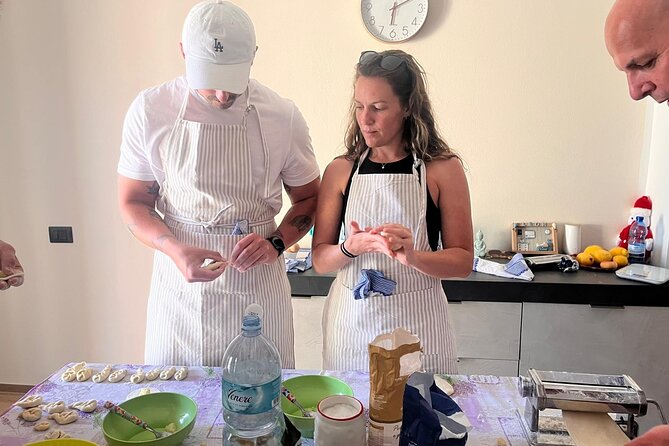
- Two fresh pasta types: culurgiones plus tagliatelle, not just one quick demo
- Fresh dough, not shortcuts: you’ll make the dough and shape the pasta yourself
- Family-style Sardinian meal included: antipasto, pasta served with sauces, dessert, and drinks
- Home-cooked feel in a small venue: quiet street, easy parking, and group size capped at six
- Giulia’s patient teaching style: step-by-step guidance so you can get it right
- You take the know-how home: digital recipes plus the techniques you learned
A Sestu Kitchen Where Culurgiones Feel Like a Local Skill
This class is set in the Cagliari area, specifically in Sestu (start point: Via G. Matteotti, 34, 09028 Sestu CA). The setting matters. A real home kitchen changes how you learn: you’re not watching from behind glass, and you’re not just collecting tips—you’re getting your hands involved right away.
What I like most is the focus on Sardinian identity. The culurgiones aren’t presented as a random pasta dish. They’re taught as an iconic form from the island: fresh dough wrapped around a traditional potato and mint filling. That’s the difference between a cooking class that teaches technique and one that teaches culture.
The class runs about 3 hours, which is a great length for learning without feeling rushed. Also, it’s offered in English, so you won’t be decoding gestures while trying to fold dough.
You can also read our reviews of more tours and experiences in Sardinia.
What You’ll Cook: Culurgiones and Fresh Tagliatelle
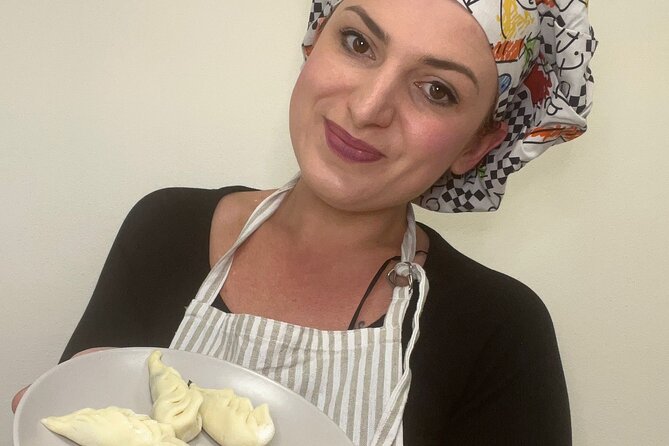
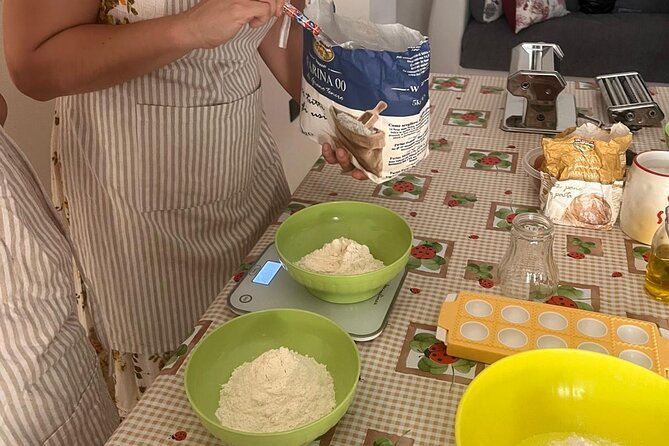
You’ll learn two kinds of fresh pasta, which is honestly the best value in a short class. First up is culurgiones—those signature Sardinian ravioli shaped and sealed around a filling of potato and mint. You’ll work with fresh dough, then handle the shaping process yourself, with guidance so you understand what “right” looks like.
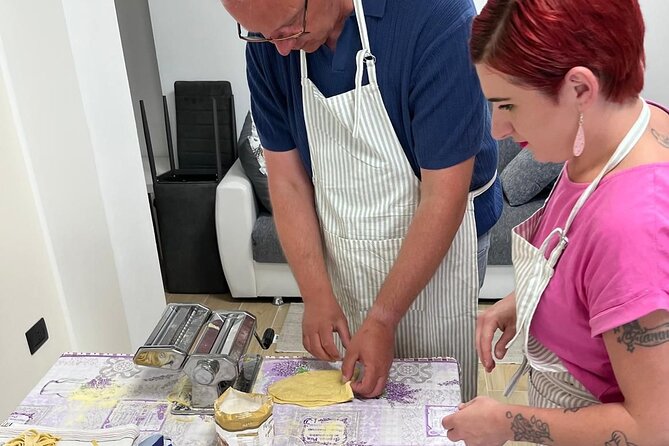
Next you’ll make fresh tagliatelle. The class uses local flours and simple techniques passed down through generations. You’ll get the hands-on method for making the dough and cutting/handling it into tagliatelle form, so you can walk away knowing how to repeat it later, not just how it tastes right then.
A nice detail: you’re not left to wonder what to do after mixing. The teaching is designed so everyone can participate. In reviews, people specifically praised the step-by-step approach and the way Giulia keeps the process clear—no gatekeeping, no complicated steps dropped all at once.
Why two pastas is more than a bonus
In a lot of classes, the second pasta is a “spare plate.” Here, making two pastas supports better learning. Culurgiones teach dough handling and sealing. Tagliatelle teaches working with flour and shaping strips. You end up with two separate skill sets, which is why this kind of class can be a better purchase than a one-dish workshop—especially when it includes a full meal.
The Meal Break: Antipasto, Wine, Pasta Sauces, Dessert, Mirto
Once the cooking is done, you sit down and actually eat what you made (and more). The meal is built like a proper Sardinian flow, not just a plate tossed together for tourists.
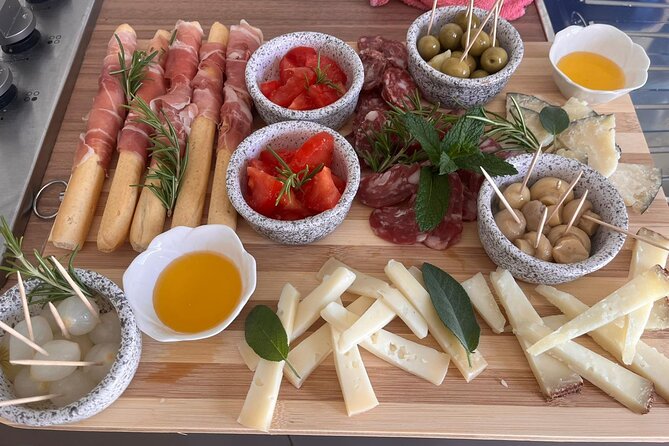
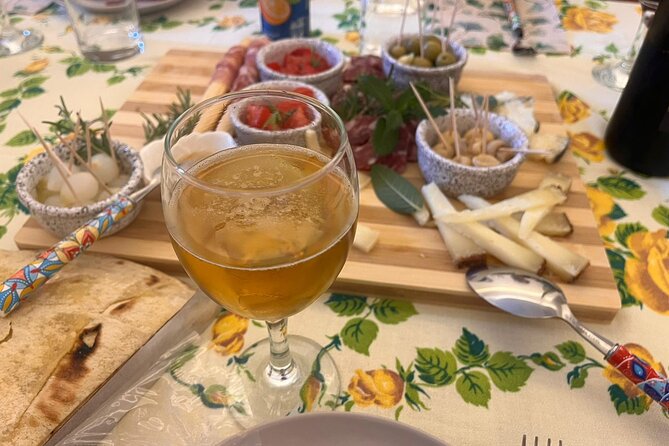
You start with a traditional antipasto platter: cheeses, cured meats, and local honey. That mix gives you a quick map of what Sardinia tastes like—salt and fat from cheese and cured meat, then sweetness and contrast from honey. You’ll pair it with regional wine during the meal, which makes the meal feel complete rather than like a snack break.
Then comes the pasta you prepared: your culurgiones and tagliatelle, served with traditional sauces. The class doesn’t specify every sauce detail, but the key point is that your work doesn’t vanish into an empty plate. You eat the fruits of your labor, as a shared meal with the group.
Finally, dessert and a glass of homemade Mirto liqueur. Mirto is Sardinia’s famed myrtle liqueur, and it’s a fun way to end the experience because it’s strongly local. It’s also a practical souvenir: you get a taste of the island’s flavors in a way that’s hard to replicate from a menu back home.
How One-on-One Guidance Works in a Class of Six
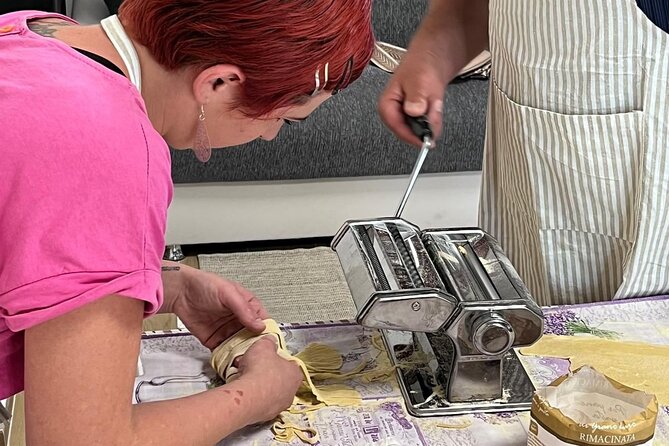
The group size is capped at 6 travelers, which changes everything. In a small class, the instructor can correct your technique while you’re still in the process. You’re less likely to feel lost mid-dough, and you’re more likely to learn the “why” behind a step, not just copy a motion.
Multiple reviews highlighted Giulia as patient and skilled, with a teaching style that stays fun—even when the dough gets tricky. That matters because pasta making has a few moments where you might think, am I doing this wrong? In a good class, someone helps you reset fast. With one-on-one guidance built in, you’re not stuck figuring it out alone.
Also, because it’s a home-kitchen setup, you can expect a relaxed rhythm. You’re making food, eating food, and talking along the way—this isn’t silent cooking.
Price in Plain Terms: What $94.82 Actually Includes
At $94.82 per person for about 3 hours, this class looks like a “foodie splurge” until you break down what’s included.
You’re paying for:
- Hands-on pasta making of two types (culurgiones and tagliatelle)
- A full meal with 3 courses: antipasto, pasta meal, dessert
- Regional wine during the meal
- Homemade Mirto at the end
- Digital recipes to take home
- One-on-one teaching, with a small group size (max 6)
In other words, you’re not just buying cooking instruction. You’re buying instruction plus ingredients plus dinner-quality output, with drinks included. If you value small-group attention and want to leave with more than photos, that’s where the value shows.
If you only want a light snack and a quick pasta demo, there are cheaper options in Italy. But if you want to learn technique and also eat like it’s a real meal, this price is easier to justify.
Where It Runs and What That Means for Your Day
The start point is Via G. Matteotti, 34, 09028 Sestu CA, Italy, and the activity ends back at the meeting point.
Two practical notes:
- It’s near public transportation, so you’re not locked into hiring a taxi.
- Previous guests specifically mentioned easy parking, which is a real plus if you’re driving around the Cagliari area.
Plan for a hands-on session. That means you’ll want comfortable clothes you don’t mind getting a little flour on, and you’ll likely leave feeling very full. If you’re scheduling the rest of your day, treat it like lunch or early dinner, not a quick cultural stop.
Who This Pasta Class Suits Best (And Who Might Skip It)
This works especially well if you:
- Love Italian food and want to learn a Sardinian specialty, not just “Italian pasta”
- Want a small-group experience where you can ask questions
- Prefer hands-on learning with one-on-one guidance
- Like the idea of ending with local drinks, including homemade Mirto
You might skip it if:
- You’re looking for a long, sightseeing-heavy tour. This is about cooking and eating, not touring monuments.
- You have allergies and need certainty about substitutions. The class asks you to let them know about allergies, but the menu includes cheeses and cured meats, so you’ll want to communicate clearly before you go.
- You dislike structured group activities. Even with a relaxed home vibe, this is still a guided class.
Practical Tips So You Enjoy the Class More
Here’s how to set yourself up for an easy win:
- Tell them about allergies before the day. The experience specifically asks you to let them know if you have any food allergy, and the meal includes multiple local ingredients.
- Bring a good attitude about timing. Pasta making can be slower than you expect at first. The small class size and teaching style help, but you’ll still want to stay present.
- Eat light beforehand if you can. The class includes antipasto, two pasta dishes, dessert, and drinks. You’ll likely leave stuffed.
- If you want to recreate it later, pay attention to what you’re doing with dough—especially shaping and sealing for culurgiones. Your end goal is not just taste, it’s technique.
Should You Book This Cagliari Cooking Class?
Book it if you want a real Sardinian cooking lesson with hands-on pasta making, a full meal, and a local finish with homemade Mirto—all taught in English and kept small (max 6). It’s the kind of experience that gives you both a memorable lunch and a skill you can repeat.
I’d only hesitate if your schedule is tight, you’re dealing with complex dietary needs, or you’re expecting something more like a sightseeing tour. For most food lovers, though, this hits a sweet spot: learn the tradition, eat the tradition, and take the recipes home.
FAQ
Is the cooking class offered in English?
Yes. The experience is offered in English.
How long is the Cagliari cooking class?
It lasts about 3 hours (approx.).
How many people are in the group?
The class has a maximum of 6 travelers.
What will I cook during the class?
You’ll make culurgiones (Sardinian ravioli with a potato and mint filling) and also make fresh tagliatelle using local flours and simple techniques.
What’s included with the price?
The class includes hands-on pasta making, an antipasto platter (cheeses, cured meats, honey), regional wine during the meal, a 3-course meal, traditional Sardinian dessert, homemade Mirto liqueur, and digital recipes to take home.
Do I need to bring anything?
The experience listing doesn’t mention what you must bring. You should plan to be ready to cook and eat as part of a hands-on class.
What if I have a food allergy?
You should let the operator know about any food allergy. The experience also states service animals are allowed.
Where do I meet, and where does it end?
You start at Via G. Matteotti, 34, 09028 Sestu CA, Italy, and the activity ends back at the meeting point.
What’s the cancellation policy?
Cancellation is free. You can cancel up to 24 hours in advance for a full refund, and cancellation less than 24 hours before the start is not refundable.