REVIEW · HOI AN
Vietnamese Cooking Class with Local Family in Hoi An
Book on GetYourGuide →Operated by GJ Travel Viet Nam · Bookable on GetYourGuide
Cooking in a coconut village feels like real life. I like that you’re in a local family home setting with real people, and you learn practical steps from an English-speaking chef who keeps the mood relaxed and funny. One thing to consider: this is an active, hands-on cooking experience, so if you dislike chopping or strong aromas (like fish), it might feel like more work than you expect.
You’ll be guided through Hoi An favorites you can realistically repeat later, not just watched and fed. The menu can also shift depending on your needs, and that’s great for flexibility, but it means your dish list may not match someone else’s plate exactly.
In This Review
- Key highlights to look for
- Cam Thanh Coconut Village pickup and the welcome break
- Inside a local kitchen: cooking with the family feel
- The 4 dishes you learn (and what you’ll actually be doing)
- Hoi An rice pancake
- Hoi An spring rolls
- Papaya salad (with a clear ingredient focus)
- Fish in clay pot with steam rice (or Cao Lau)
- If you’re vegan or have allergies: how flexibility works here
- Cooking time, group energy, and that shared meal at the end
- Price and value: what $24 really covers
- Who should book this class in Hoi An
- Should you book this Vietnamese Cooking Class with a Local Family?
- FAQ
- What dishes will I cook in this class?
- Is there a vegan or vegetarian option?
- Can the menu be adjusted for allergies or dietary needs?
- Does the price include pickup and the meal?
- Are drinks included?
- Do children under 3 years old join the cooking?
Key highlights to look for
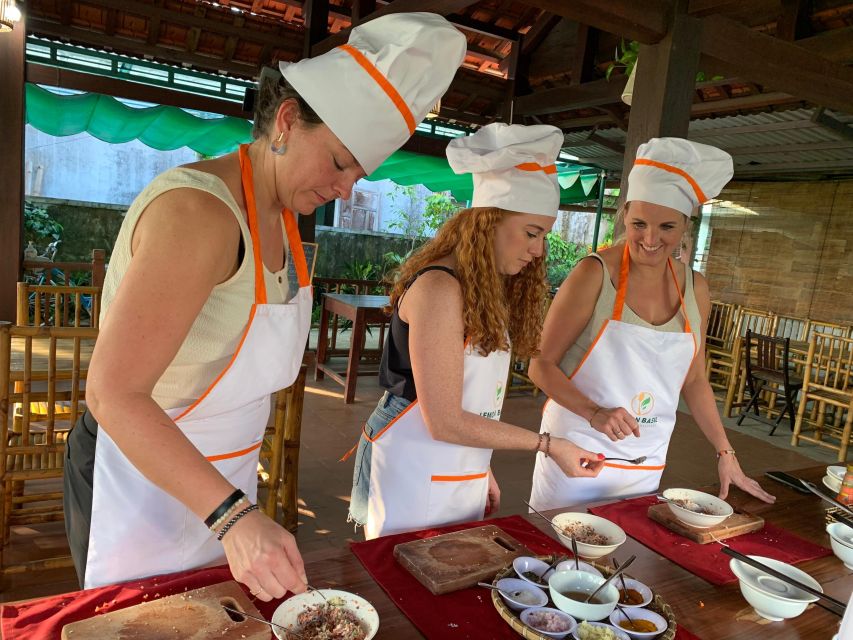
- Cam Thanh Coconut Village setting: cooking happens away from the main strip, in a more rural-feeling corner of Hoi An
- English-speaking chef guidance: step-by-step instruction with a clear focus on technique, not just recipes
- 4 signature dishes: Hoi An rice pancake, Hoi An spring rolls, papaya salad, plus fish in clay pot with steam rice or Cao Lau
- Real home-meal moment: you cook, then sit down to eat what you made and sample others’ food
- Dietary adaptations: vegan/vegetarian option available, and ingredients can be adapted for allergies or gluten-free preferences
Cam Thanh Coconut Village pickup and the welcome break
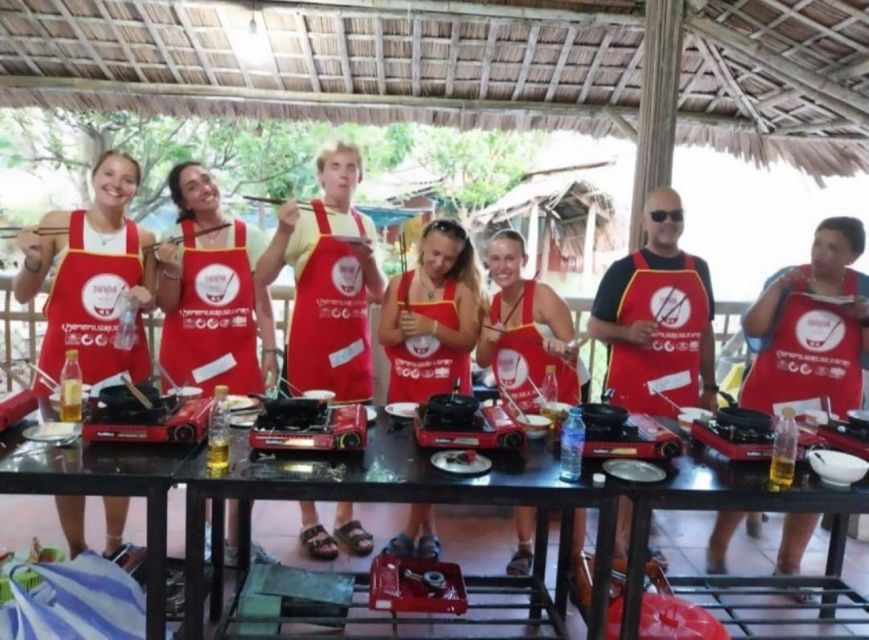
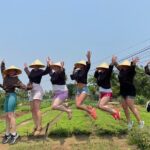
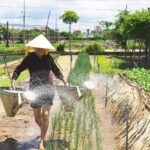
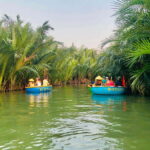
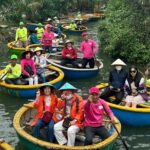
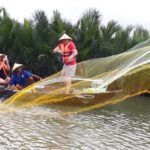
Your experience starts with hotel pickup in Hoi An city center. After that, you’re transferred toward the Cam Thanh Coconut Village area, so the day quickly switches from town sounds to something slower and more “local life” shaped.
Once you arrive, there’s a welcome drink and time to rest at a restaurant. This matters more than you’d think. Cooking classes can feel rushed, especially after a long day of sightseeing, and this little reset helps you show up ready to work, not already tired.
You can also read our reviews of more tours and experiences in Hoi An.
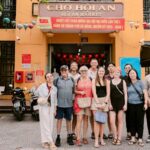
Inside a local kitchen: cooking with the family feel
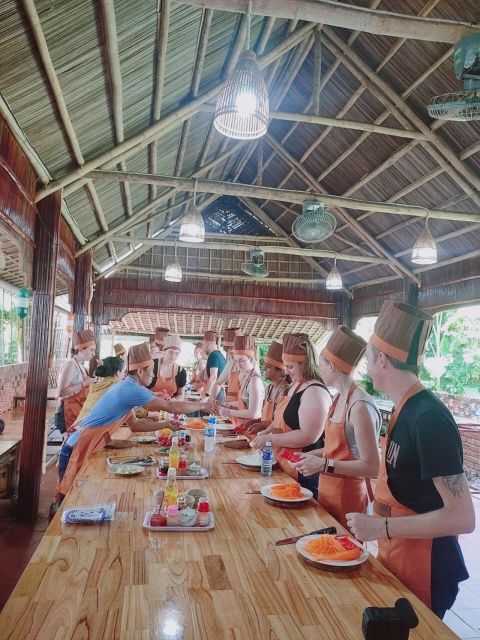
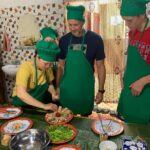
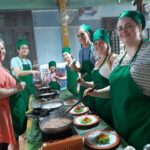
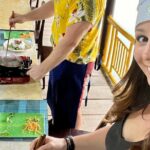
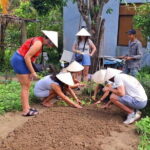
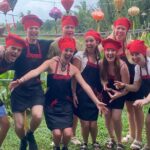
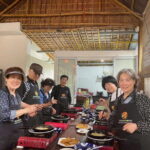
The heart of the class is simple: you’re cooking Vietnamese food in a local’s home setting, with local people around you. That changes the whole vibe. Instead of learning in a sterile demo setup, you’re part of the kitchen rhythm—asking questions, sharing space, and getting a better feel for how meals actually get made.
The chef instruction is in English, which makes the step-by-step process much easier to follow. In recent classes, the chefs have been described as helpful and hilarious (names like Giang, Ha, and Thuong come up often), and that kind of humor is not just for fun—it makes mistakes less stressful. When you’re laughing, you keep moving, and your food usually comes out better.
The 4 dishes you learn (and what you’ll actually be doing)
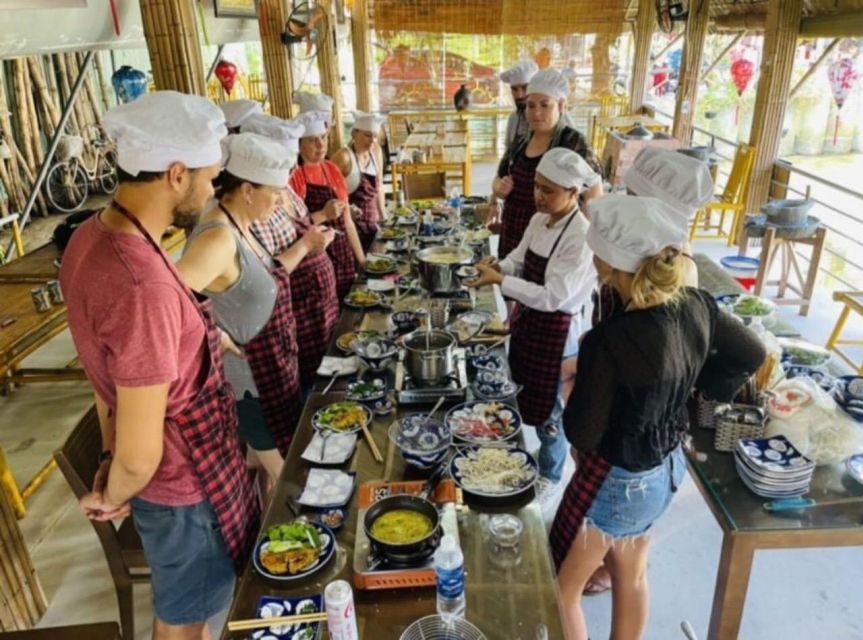
The class teaches you four local dishes. You’ll cook together, guided step by step, then eat what you make.
Hoi An rice pancake
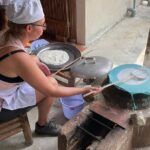
Hoi An rice pancake is one of those dishes that looks simple once it’s done, but takes real attention while you’re cooking. You’ll learn the basic prep and the timing so your pancake has the right texture. It’s a great recipe for beginners because you can see progress quickly.
Hoi An spring rolls
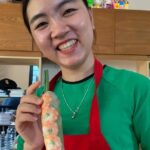
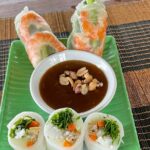
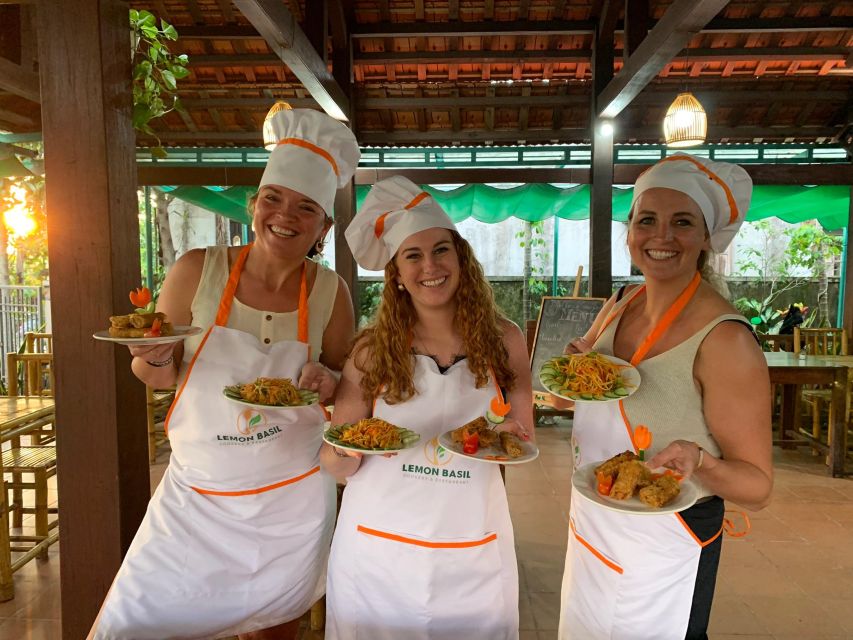
Spring rolls are all about consistency—filling balance, wrapping technique, and cooking control. The chef walks you through each stage so you’re not guessing. You’ll leave knowing how to roll neatly enough that it holds together, not just how to fill a wrapper and hope for the best.
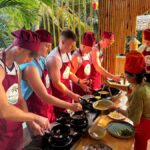
Papaya salad (with a clear ingredient focus)
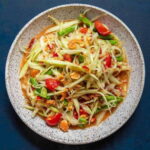
You’ll make papaya salad with papaya, carrots, and basil. This is one of those flavors that explains why Vietnamese cuisine works: sweet, tangy, and fresh elements in one bowl. Even if you’ve had papaya salad in restaurants, learning how the ingredients come together is where the real value is.
Fish in clay pot with steam rice (or Cao Lau)
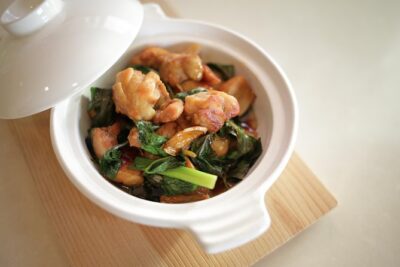
For the non-vegan menu, you’ll cook fish in clay pot with steam rice, or you may get Cao Lau as the alternative option depending on the slot and what’s arranged. Clay pot cooking is a traditional style that tends to keep flavors concentrated, and the steam rice pairing makes the whole meal feel complete and comforting.
If fish isn’t your preference, ask ahead. The provider notes that ingredients can be adapted for vegan/vegetarian preferences and for allergies or gluten-free needs, so you’re not stuck with one version.
If you’re vegan or have allergies: how flexibility works here
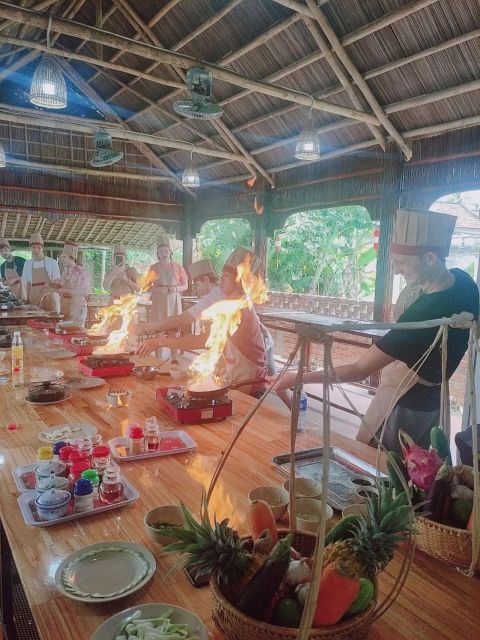
There is a vegan/vegetarian option. The vegan-style menu includes tofu in clay pot with steam rice, papaya salad (papaya, carrots, basil), Hoi An spring rolls, and Hoi An rice pancake.
What I like about this is that the dishes still feel like Vietnamese food, not a substitute meal that disappears into the “health food” category. You still learn the same techniques—rolling, mixing, cooking—and you’re still eating a full plate afterward.
The provider also states that ingredients can be adapted depending on vegan/vegetarian preference, gluten-free needs, or allergies. If you have restrictions, tell them before you go. That’s the difference between getting a thoughtful adjustment and getting something improvised on the spot.
Cooking time, group energy, and that shared meal at the end
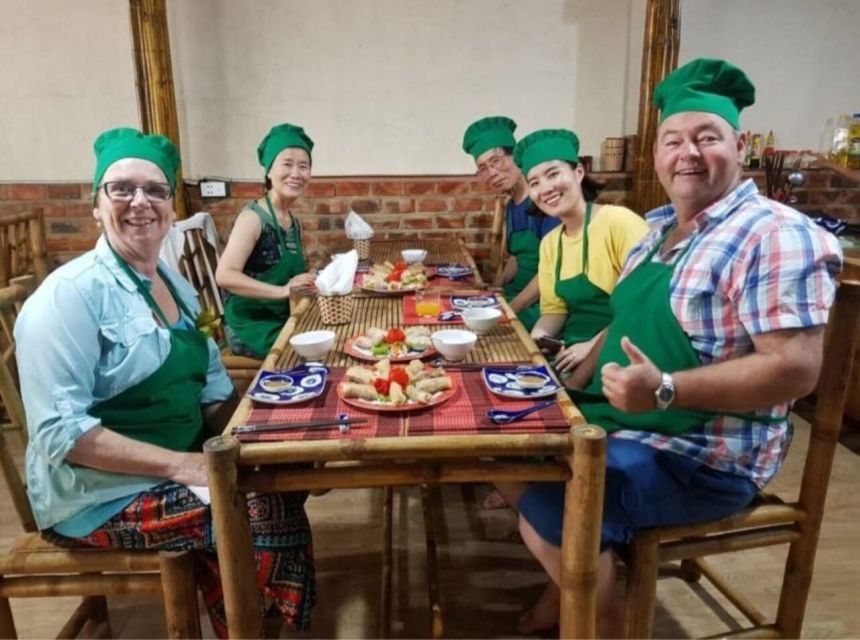
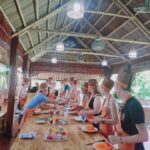
The total experience runs about 3 hours. You’ll spend the bulk of that time cooking, then you eat what you made. That last part is key: it turns the class into a real meal, not just a lesson you leave hungry from.
You’ll also chat with other participants as you share and sample each other’s cooking. It’s a small detail, but it helps you understand what different techniques produce—crispy spring rolls from one approach, slightly different flavor balance on the papaya salad from another. You’ll also get a feel for what the chef wants you to focus on next time at home.
Price and value: what $24 really covers
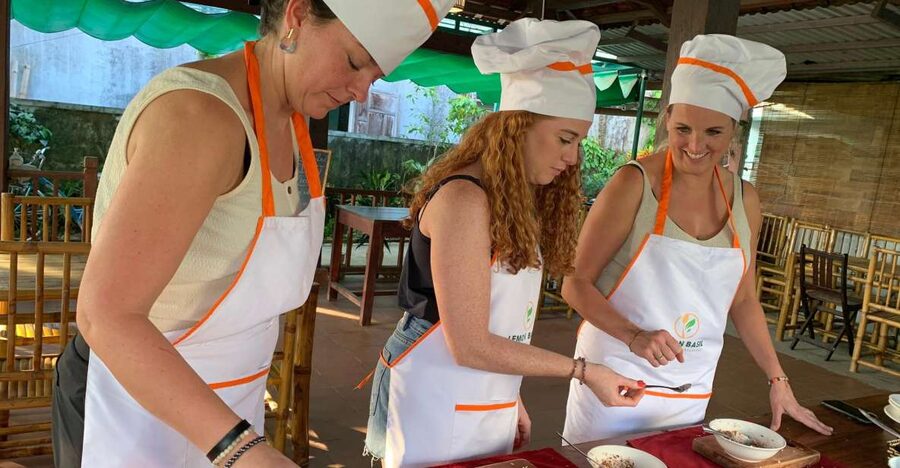
At $24 per person for roughly three hours, this class is a solid value for Hoi An, mainly because a lot is included.
You get:
- hotel pickup and drop-off
- an English-speaking chef
- all ingredients for the dishes
- lunch for the morning slot or dinner for the afternoon slot
That last point matters. Food experiences in Vietnam can be cheap on their own, but paying separately for a meal after a cooking class is what many people end up doing elsewhere. Here, you’re already building the meal and then eating it, so your budget stays cleaner.
Drinks are not included, so plan on bringing water money or buying a drink on-site if you want something beyond what comes with the welcome break.
Who should book this class in Hoi An
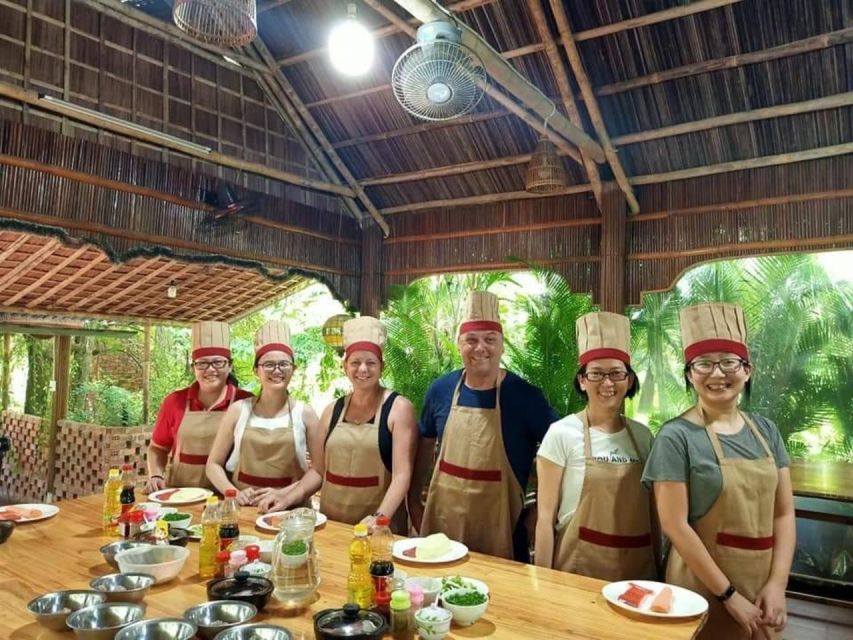
You’ll likely love this if you want a hands-on cooking experience that feels tied to everyday Vietnamese life. It’s especially good if you’re:
- new to cooking and want step-by-step guidance without pressure
- the type of person who learns better by doing, not watching
- hungry for an activity that’s social but still focused on skills
It’s also a nice fit for couples. Several classes run in a way that feels relaxed rather than stiff, so you can enjoy the kitchen time together and then compare your finished dishes over the meal.
If you hate cooking, this probably won’t be your favorite. Even though the chef makes it friendly, it is still a working kitchen experience for the full session.
Should you book this Vietnamese Cooking Class with a Local Family?
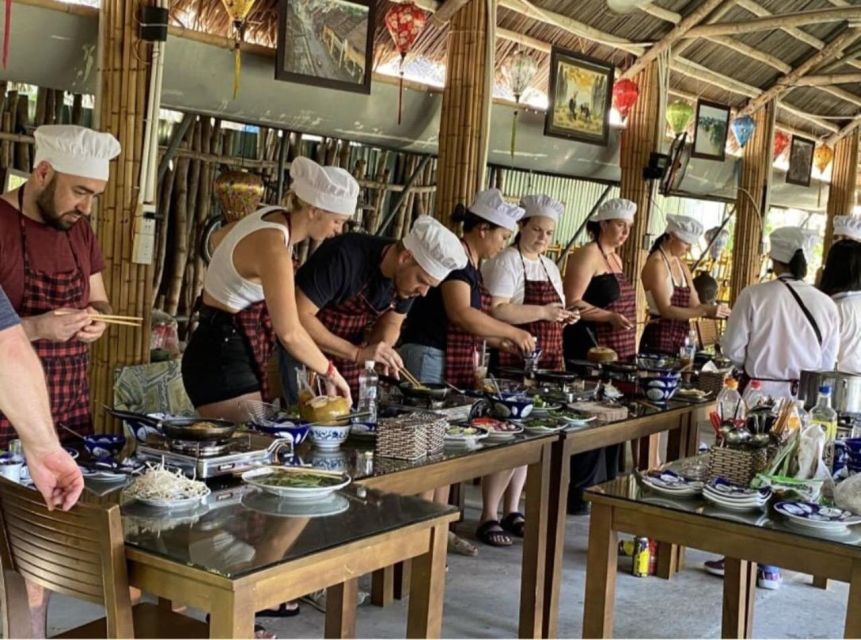
I’d book it if you want more than restaurant tasting. The best part is the mix of practical instruction, a real home-style setting, and a chef-led atmosphere that keeps things fun and manageable. You also get a strong “take-home” outcome: four dishes you can practice later, plus techniques you can reuse even when you can’t find the exact same ingredients.
If your main goal is sightseeing, you might feel like three hours is too much time in one place. But if you want a memorable Hoi An activity that teaches you something useful—and feeds you right after—this is one of the more straightforward wins.
FAQ
What dishes will I cook in this class?
You’ll cook four local dishes: Hoi An rice pancake, Hoi An spring rolls, papaya salad, and fish in clay pot with steam rice or Cao Lau (depending on the arrangement).
Is there a vegan or vegetarian option?
Yes. A vegan/vegetarian option is available, including tofu in clay pot with steam rice, papaya salad (papaya, carrots, basil), Hoi An spring rolls, and Hoi An rice pancake.
Can the menu be adjusted for allergies or dietary needs?
Yes. The provider states ingredients can be adapted depending on vegan or vegetarian preference, gluten-free preference, and allergies. Let them know about your needs in advance.
Does the price include pickup and the meal?
Yes. The price includes hotel pickup and drop-off, and it also includes lunch for the morning slot or dinner for the afternoon slot.
Are drinks included?
No. Drinks are not included.
Do children under 3 years old join the cooking?
Children under 3 years old are free of charge. They will not join in the cooking, but they share all service with their parents.