REVIEW · CAPE VERDE
Sal Island: Catxupa Cooking Class with a local family
Book on GetYourGuide →Operated by Bu Country Tours · Bookable on GetYourGuide
Cooking Catxupa at home changes your whole trip. On Sal, this 2-hour class with a local family is a real, hands-on way to make Cape Verde’s most famous comfort food, with a live guide in English, French, or Portuguese. I love the hotel pickup and drop-off, which makes the evening feel easy, and I love that you leave with a recipe you can actually cook again at home. One possible drawback: it’s a working kitchen experience, so if you prefer to watch instead of cook, you might feel busy.
What makes it worth your time is the mix of food and family time. You’ll go from your accommodation to the heart of a local home, learn how Catxupa is built, and then sit down to eat what you made. You may also get extra cultural moments, like a short dance-style lesson, depending on the group and the family that day.
In This Review
- Quick hits before you go
- From your hotel to the family kitchen on Sal
- Catxupa 101: corn, beans, and the meat-or-fish choice
- Hands-on cooking in a small group (up to 10)
- What the guide adds: stories, culture, and food together
- Eating what you made: the meal part is the payoff
- Why the $41 price can be a good deal on Sal
- Tips to get the most from your Catxupa class
- Should you book this Catxupa Cooking Class on Sal?
- FAQ
- Where is the Catxupa cooking class located?
- How long is the cooking class?
- What does the class cost?
- What dish will I learn to make?
- Is hotel pickup and drop-off included?
- What’s included in the price?
- How big is the group?
- What languages are offered by the guide?
- Does it include a meal?
- Is the booking flexible if plans change?
Quick hits before you go
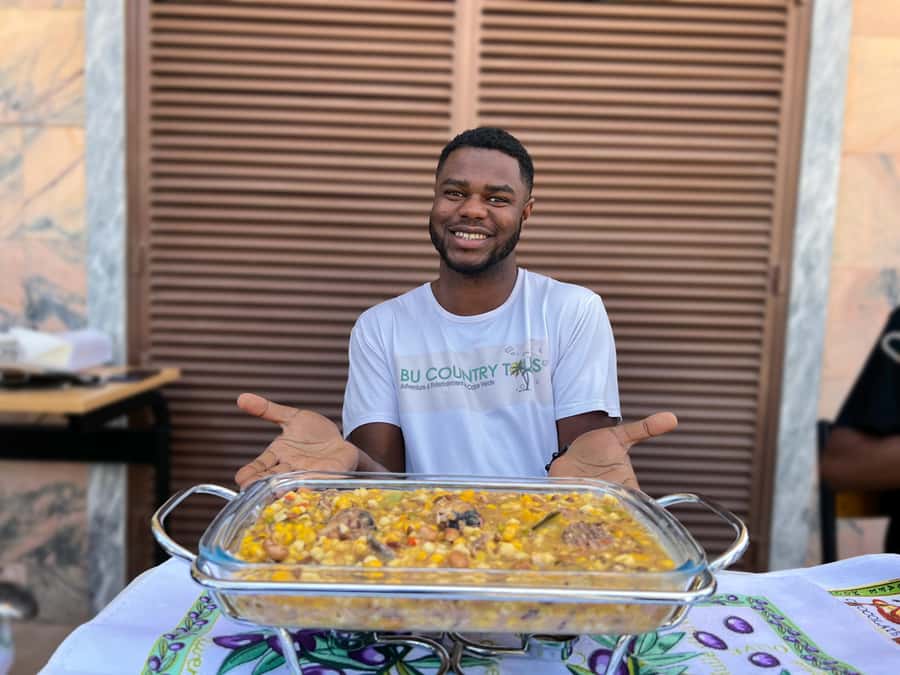
- Small group up to 10: more conversation, less waiting, and better chance to ask questions while you cook
- A real family kitchen: you’re not just following a recipe, you’re learning local rhythm
- Catxupa basics you can repeat: corn, beans, and your choice of meat or fish
- Pickup plus separate entrance: less fiddling around and easier timing from your hotel
- Guides such as Melissa or Alejandro: in prior sessions, people praised them for being welcoming and professional
From your hotel to the family kitchen on Sal
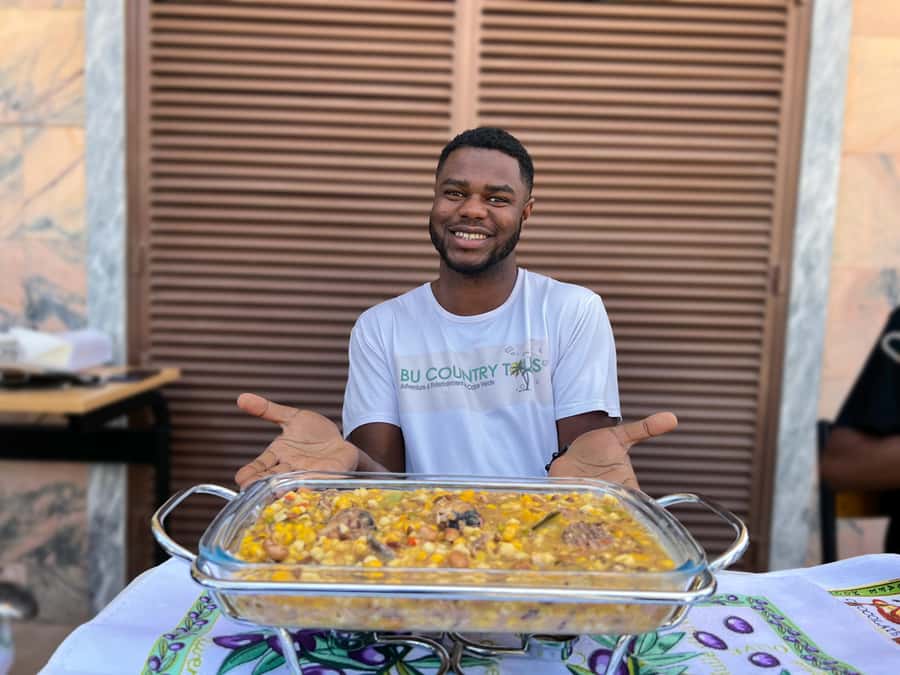
The experience starts with something you’ll appreciate right away on a vacation: pickup. You’re asked to wait in the hotel lobby about 10 minutes before your scheduled time, and then you head out together. That small detail matters. On Sal, with sun and travel time, it’s nice when the plan doesn’t depend on you figuring out transport and exact timing.
You also get a separate entrance to help you skip the usual lineup stress. For a short 2-hour activity, that’s not a trivial perk. You want your time in the kitchen, not standing around.
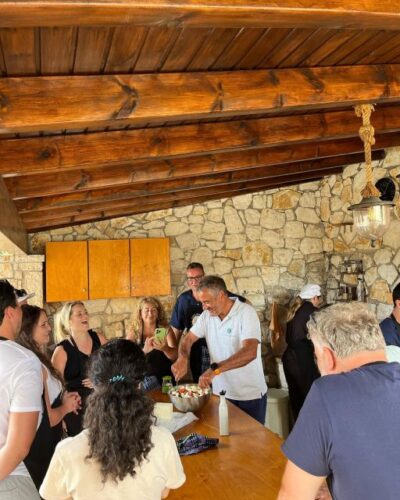
Once you arrive, the tone shifts from “tour mode” to “family mode.” You’re not dropped into a big demo space where everyone watches quietly. You’re joining a local cook and family setting where the meal is part of daily life, not a performance. That also explains why the group stays small: it’s simply easier to make everyone comfortable when the setting is compact.
If you’re the type who likes getting to know people through what they feed each other, this format fits you well. If you’re hoping for lots of sightseeing stops, you’ll likely find this more about the home experience than about passing landmarks.
Catxupa 101: corn, beans, and the meat-or-fish choice
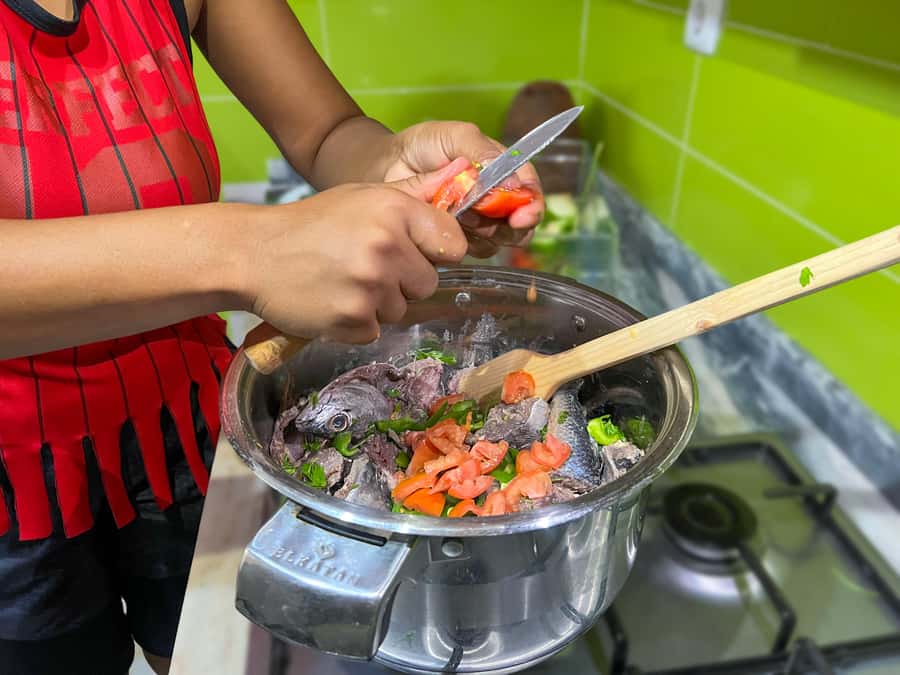
Catxupa is the star of the show, and the class is built around the parts that make it unmistakably Cape Verdean. At its core, it’s a mix of corn and beans, then built into something hearty by adding your choice of meat or fish.
Why that matters to you: Catxupa isn’t just a plate of food. It’s a way locals talk about comfort, family, and everyday eating. Learning the dish means learning the logic behind it. You’ll hear context while you work, and that makes the cooking steps easier to remember later.
You can think of it like this: you’re learning both a recipe and a template. The base is consistent, and the protein choice lets the dish fit different preferences and ingredients. That flexibility is one reason Catxupa shows up across Cape Verdean tables.
In the class, you’ll handle the key ingredients and learn how they come together for the final pot and meal. You’re not just tasting at the end. You’re part of the process, so when you repeat it at home, you’re not guessing how it should look, smell, and feel as it cooks.
Hands-on cooking in a small group (up to 10)
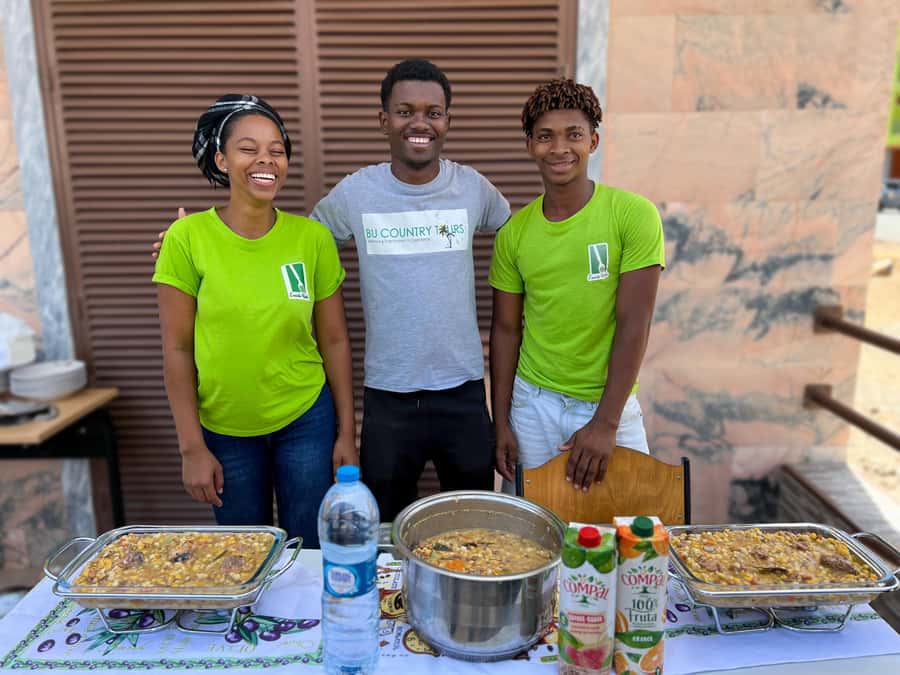
This is designed for interaction. The group is limited to 10 participants, which is a huge difference from the “herd of tourists” feeling that can happen on bigger tours. In a small setup, you’re more likely to get real-time help when questions pop up: about ingredient handling, timing, seasoning style, or even what to watch for as the dish comes together.
There’s also a practical benefit. With 2 hours total, the class has to move efficiently. Small groups help keep things on track without rushing you through chaos. You’ll likely go from ingredient prep to the cooking stages, then to the meal you create.
The vibe tends to be friendly and welcoming, and guides have been praised for that exact mix of professionalism and warmth. People have mentioned guides like Melissa for being especially welcoming, and Alejandro for doing a great job, so you can expect someone who keeps the experience organized without making it stiff.
One thing to consider before you go: since it’s hands-on, you’ll want to dress for active work. Even if your clothes aren’t getting messy, kitchens are unpredictable. Wear something comfortable, and treat it like a practical cooking class, not a formal dinner outfit.
What the guide adds: stories, culture, and food together
A good Catxupa class isn’t only about the dish. The best part is the connection: you’re with a local family, and the guide shares context while you cook. That’s where the experience becomes more than food entertainment.
In past sessions, people have talked about the group getting more cultural sharing than they expected, including history-style conversation and even a short dance lesson. The point isn’t that you’ll become a dancer in two hours. The point is that the family and guide are willing to show you how celebrations and daily life overlap.
Food is the common language here. When someone explains where Catxupa fits in Cape Verdean tradition while you’re actively stirring or assembling the dish, it sticks. You’re not reading a card and moving on. You’re building the meal while the story is attached to it.
You’ll also feel the difference between eating somewhere that is prepared for tourists versus being served what a local family shares. The class includes a local cook and meal, so you’ll sit down and eat the outcome, not just take a sample photo and leave.
Eating what you made: the meal part is the payoff
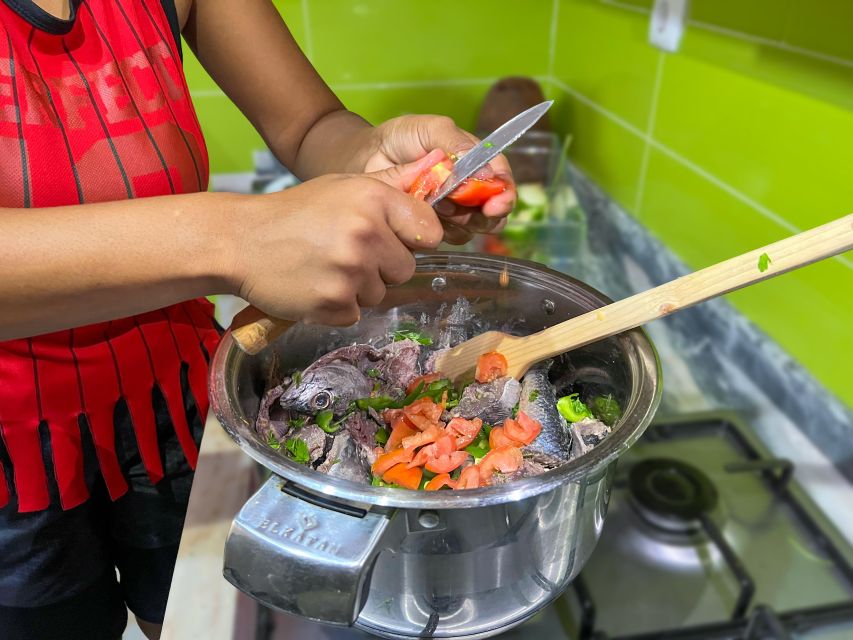
The last stretch is the moment most people remember: you eat. You’ll be served the Catxupa you prepared during the session, so the meal feels earned in a way that’s hard to recreate with a tasting-only tour.
This is where the “why” becomes obvious. When you cook corn, beans, and your chosen protein into one dish, you notice how the flavors blend and how filling it is. Catxupa tends to be the kind of food that feels like it could anchor a whole meal, not just a snack.
And because it’s a family meal, the atmosphere is usually relaxed. You’re there to connect, not to hurry through. That helps you slow down and taste more carefully, especially if you’re used to fast resort meals after a beach day.
One practical note: since the class is short, you’ll want to have some room in your schedule. If you book right before another big dinner plan, you may find you’re still satisfied and don’t want to repeat a heavy meal right away.
Why the $41 price can be a good deal on Sal
At about $41 per person for a 2-hour class, the value comes from what’s bundled in. You’re not just paying for a recipe. You’re paying for:
- All ingredients of Catxupa
- A local cook and meal
- Hotel pickup and drop-off
- A live guide (English, French, or Portuguese)
- A small-group setting (up to 10)
If you tried to replicate this on your own, you’d still need ingredients, cooking know-how, and, honestly, time. Local food classes like this sell the experience of learning from the people who actually make it. That kind of access is hard to recreate by shopping and cooking solo.
So the question isn’t only whether $41 sounds cheap. It’s whether the class gives you enough personal attention and enough cultural connection to justify the price. With pickup handled, ingredients provided, and meal included, you’re getting a complete package rather than a half-hour activity.
Also, the time length matters. Two hours is long enough to feel like you learned something, but short enough that it fits easily into a Sal trip without hijacking your day.
Tips to get the most from your Catxupa class
You’ll enjoy this more if you treat it like a cooking session with a cultural conversation attached.
A few practical things I’d do in your place:
- Ask questions while you cook. The guide is there for the whole 2 hours, not just for a speech at the start.
- Take notes on the recipe basics. You’ll leave with a recipe you can try at home, so jot down anything that seems like a key step or texture point.
- Come ready to work a bit. You’ll be actively making the dish, not hovering around a table like a spectator.
- Plan your timing. Pickup happens from your hotel lobby and you’ll be dropped back afterward, so build a little buffer around the experience.
- Be open to culture extras. If a short dance-style moment appears, lean into it. It’s part of how people share joy, not a random add-on.
Who tends to love this most? Food-first travelers, couples, and solo visitors who want more local life than another quick photo stop. If you’re the kind of person who likes to learn one dish well and bring it home, you’ll get exactly that.
Who might not love it? People who want a big sightseeing itinerary, or anyone who would be unhappy with a hands-on cooking format.
Should you book this Catxupa Cooking Class on Sal?
If you want a meaningful Cape Verdean food experience that fits neatly into your vacation day, I’d say yes. Catxupa is iconic for a reason, and the format gives you both the hands-on cooking skills and the family table experience.
Book it if you:
- like small groups and personal interaction
- want a recipe you can repeat at home
- enjoy learning through food rather than through museums
Skip it if you:
- only want passive watching
- are looking for major sightseeing highlights
For $41, the biggest selling point is simple: you’re getting the full package, from pickup to ingredients to the meal, in a small group that lets you actually connect.
FAQ
Where is the Catxupa cooking class located?
It takes place on Sal, Cape Verde.
How long is the cooking class?
The experience lasts 2 hours.
What does the class cost?
The price is $41 per person.
What dish will I learn to make?
You’ll learn how to make Catxupa, Cape Verde’s most famous dish.
Is hotel pickup and drop-off included?
Yes. You get hotel pickup and drop-off, and you should wait about 10 minutes before pickup time in the hotel lobby.
What’s included in the price?
All ingredients of Catxupa are included, along with a local cook and meal, plus the learning experience with a local family.
How big is the group?
It’s a small group limited to 10 participants.
What languages are offered by the guide?
The live tour guide is available in English, French, and Portuguese.
Does it include a meal?
Yes. You’ll have a meal that matches the Catxupa you prepare during the class.
Is the booking flexible if plans change?
Yes. There is free cancellation up to 24 hours in advance for a full refund, and you can reserve now and pay later.