REVIEW · HO CHI MINH CITY
Vietnamese Cooking Class and Cu Chi Tunnels Tour from Ho Chi Minh City
Book on Viator →Operated by Western Asian Travel Service · Bookable on Viator
Two worlds, one long day in Saigon. This tour bundles a hands-on Vietnamese cooking class (including picking ingredients and cooking four dishes) with a guided look at the Cu Chi Tunnels, all with hotel pickup and drop-off. I like that you cook at your own station and get to eat what you make, and I like how the tunnel visit turns the Vietnam War into something you can actually see.
The only real drawback is the pacing: it’s a full schedule running about 9.5 hours, starting at 7:30am, so you’ll want comfy shoes and a clear head for both cooking and underground history.
In This Review
- Key points to know before you go
- A one-day blend of Vietnamese cooking and Cu Chi Tunnels
- Morning pickup and the pace you should plan for
- Cu Chi Tunnels: what the war story looks like in person
- Rubber tree plantation and organic farm stops: agriculture you can taste
- The Vietnamese cooking class: your station, your four dishes
- Lunch is part of the lesson, not just a reward
- What you learn about ingredients and nutrition
- Cu Chi underground: traps, survival tactics, and the reality check
- Price and value: why $81 can make sense
- Small-group comfort and guide quality matters
- Who should book this tour (and who might skip it)
- Should you book the Vietnamese Cooking Class and Cu Chi Tunnels tour?
- FAQ
- What time does the tour start?
- How long is the Vietnam cooking class and Cu Chi tunnels experience?
- Is hotel pickup and drop-off included?
- What’s included in the price, and is lunch part of it?
- Can I choose a vegetarian option?
- How many people are in the group?
- What do I get from the cooking class besides the meal?
Key points to know before you go
- Small group size (up to 8): you get more attention during the cooking part.
- Real hands-on cooking: you pick ingredients, cook your own dishes, and eat lunch you made.
- Four courses included: the meal is built into the class, not tacked on later.
- Cu Chi Tunnels guided visit: you’ll learn how the tunnel system worked and why it mattered.
- Farm + rubber tree plantation stop: you get a quick look at local agriculture, not just the food.
- Vegetarian option available: tell the organizer at booking if you need it.
A one-day blend of Vietnamese cooking and Cu Chi Tunnels
If you’re in Ho Chi Minh City for only a couple days, this type of day tour is a practical fix: you get both food and history without spending extra time piecing things together. The format is simple. First comes the Cu Chi Tunnels portion, then the cooking class (with the farm/rubber tree stops folded into the day), and lunch happens as part of the cooking lesson.
What makes it compelling is the pairing. Food is personal and sensory. Tunnels are concrete and historical. Together they give you a fuller picture of daily life and survival in southern Vietnam, not just souvenirs and photos. It’s also good value for the price, because transport, guide time, lunch, and cooking instruction are all bundled into one ticket.
This is best if you like structured days with clear stops, and you don’t mind that the itinerary is busy. If you prefer slow travel where meals are the only agenda, you might find the day feels packed.
You can also read our reviews of more tours and experiences in Ho Chi Minh City.

Morning pickup and the pace you should plan for
The tour starts at 7:30am and runs about 9 hours 30 minutes. That means early wake-up energy. The upside is that you’re off the clock sooner than later-day excursions, and you’re not stuck making decisions all morning.
Pickup is included, and the ride is in an air-conditioned vehicle. The group size tops out at 8, which matters during the cooking class because it reduces the “wait your turn” feeling. You’ll also get a mobile ticket, and confirmation is typically sent within 48 hours (so you can book with some confidence).
Packing advice is straightforward: wear closed-toe shoes for the tunnels and bring a light layer for comfort in the vehicle. Plan for water and small snacks if you’re the type who easily gets hungry between stops—lunch is included, but the day is long.
Quick planning note: alcoholic drinks are not included (they’re available to purchase). If you want alcohol, budget extra. If you don’t, just keep it simple and focus on the food and the history.
Cu Chi Tunnels: what the war story looks like in person
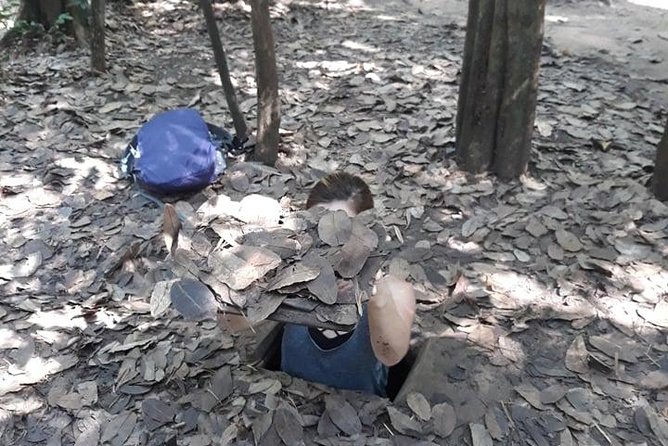
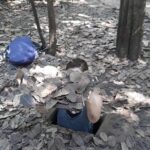
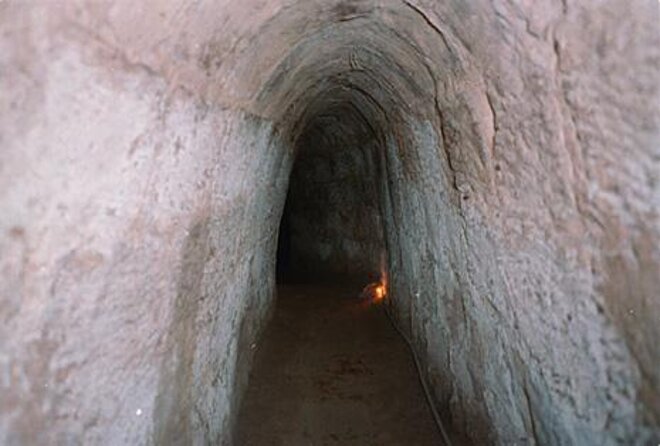
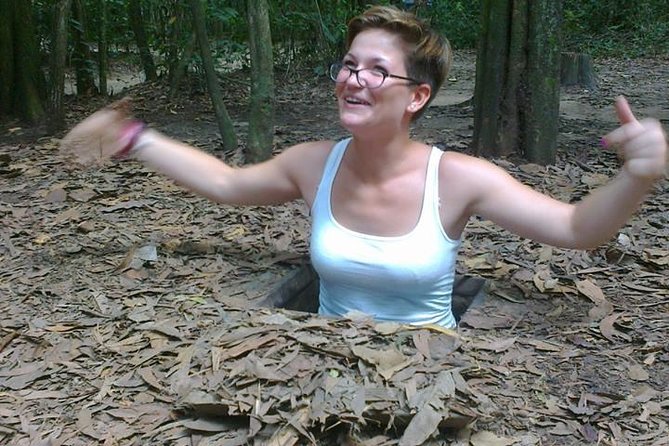
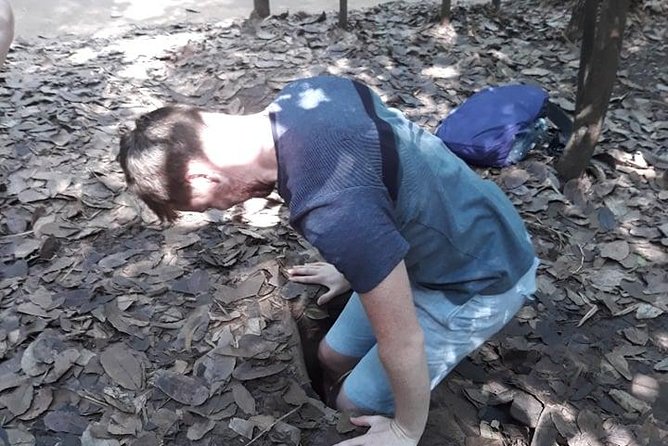
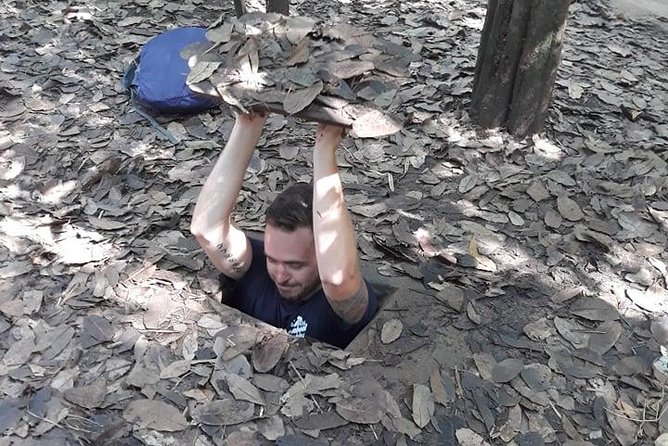
The day’s first big stop is the Cu Chi Tunnels. On paper, it’s just an underground network. In real life, it’s the kind of place that makes you understand scale. You get a guided walk through how the tunnels were constructed and how they helped people survive for long periods during the Vietnam War.
Expect a mix of visuals and explanations, including how the Viet Cong used clever tactics. The tour describes seeing hands-on-style information about the tunnels and learning about traps and hidden devices. Even if you’ve read about the war before, the tunnel visit tends to hit differently because you’re seeing the cramped reality.
A practical consideration: the tunnels are physical. If you’re not comfortable with tight spaces or uneven ground, take it slowly and follow your guide’s pace. Also remember it’s early in the day, so if it’s humid (it usually is in southern Vietnam), you may feel it more in shaded areas and outside walking segments.
Guides can make or break this part of the day, and the experiences here often highlight strong local interpretation. You’ll want to listen closely when they explain what you’re looking at and why it was designed that way, because it’s not random engineering. It’s built for survival, movement, and staying out of sight.
Rubber tree plantation and organic farm stops: agriculture you can taste
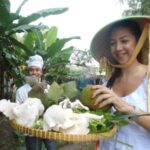
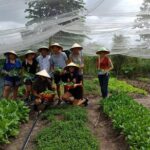
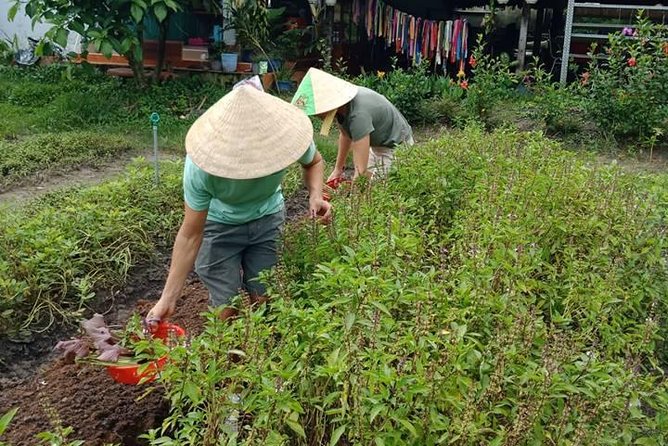
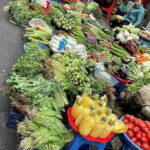
Between the war stop and the cooking lesson, you’ll spend time at a plantation/farm setting. You’re not just passing by rural Vietnam in a window view. You get guided time to explore, including learning about agriculture and picking ingredients for your class.
One highlight is the rubber tree plantation element. Even when you aren’t a plant person, it’s interesting because rubber connects to the broader story of land use and local livelihoods. The tour also sets you up for the cooking part by grounding the ingredient story in what grows locally.
Then there’s the organic farm piece. You’ll learn about nutrition from different plants and how you can use that knowledge when cooking. You may get fresh fruit on the farm as part of the experience. It’s a nice way to shift gears from tunnels to something alive and immediate.
This farm segment is especially valuable if you want more than a cooking demonstration. It’s the ingredient “why,” not only the “how.” You learn how to pick what matters for taste and balance, which makes the class feel connected to real Vietnamese cooking rather than a generic recipe workshop.
The Vietnamese cooking class: your station, your four dishes
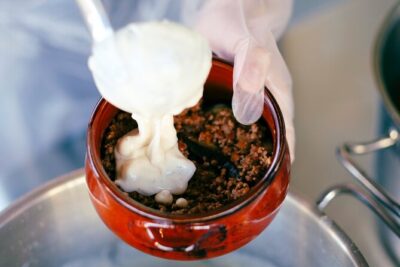
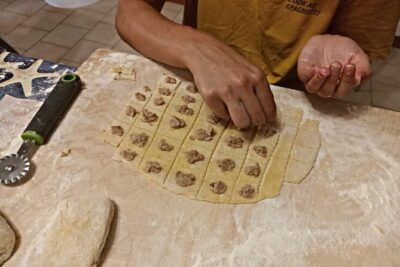
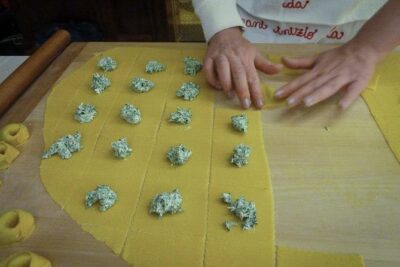
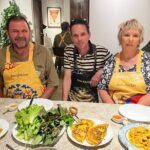
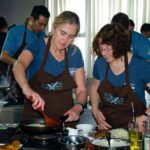
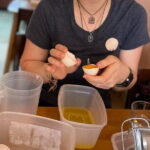
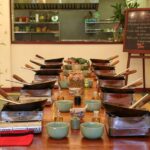
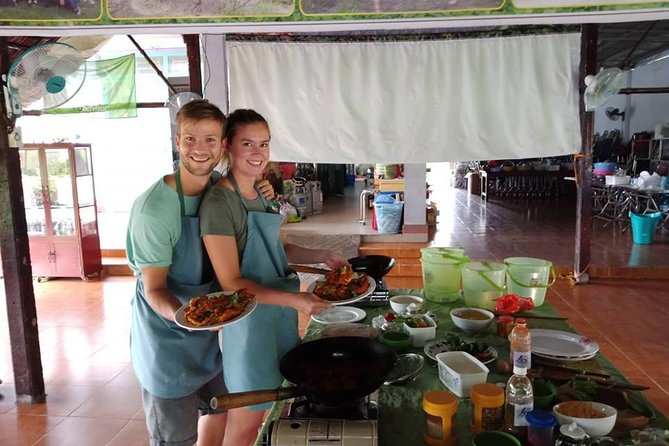
After the early history and farm time, you’ll move into the cooking school portion. This class is very hands-on. You get a cooking station to yourself, and you’re not just watching from across the room.
The class emphasizes healthy cooking and learning from a professional chef. You’ll pick up ingredients, then cook four Vietnamese dishes as part of the meal. The important detail here is that the structure builds confidence: you cook one dish, eat that dish, then move on. That reduces the fear of cooking “blind” and lets you adjust as you go.
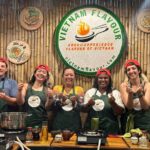
In the cooking school portion, guides/chefs like Alice and Chef Ten show up in the experiences people talk about most. The common theme is that they keep things lively and practical, and they also answer questions about ingredients and technique. If you enjoy learning through interaction, this is the right style.
What to watch for: a couple notes indicate the class can feel rushed for some people, and equipment may vary by station. If you’re sensitive to timing or slower cutting speed, be ready to go with the flow and let the chef/guides help as needed.
Even with that, the overall vibe seems strong because you’re always doing something. It’s not a “stand and clap” class. You touch the ingredients, you cook, and you get feedback and guidance.
Lunch is part of the lesson, not just a reward
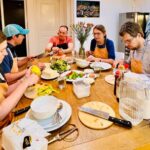
Lunch is included, and it’s built into the cooking experience. You eat the dishes you made, and you typically won’t leave the table hungry. Because there are four courses, expect a proper meal, not a quick snack.
The class focuses on balance in Vietnamese-style cooking, including ideas described as ying and yan—an approach to harmonizing flavors, textures, and ingredients. Translation: the class isn’t only about copying recipes. It pushes you to understand why certain ingredients pair well.
You’ll also get a chance to work with flavors and methods that feel specific to Vietnamese cuisine rather than generic Asian food. People mention learning ways to make Vietnamese dishes and Asian dishes feel balanced, which is exactly what you want if you plan to eat Vietnamese food after the tour.
Take-home value matters here. You’ll receive a certificate and a copy of the recipes. That’s useful because Vietnamese cooking is all about the details you can’t see from a menu. Having the recipes and reminders helps you recreate the flavors at home instead of forgetting everything after the last bite.
What you learn about ingredients and nutrition
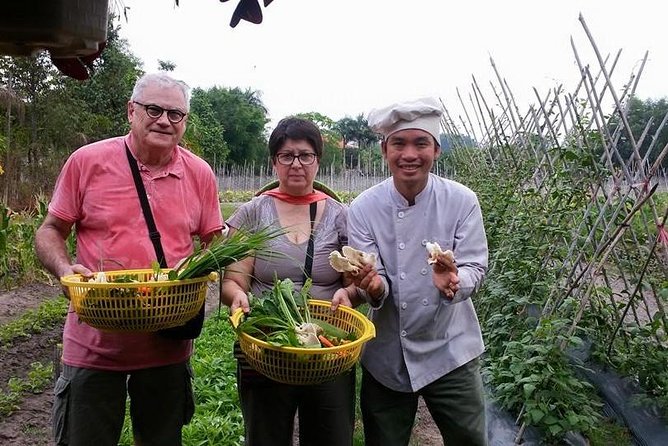
This tour quietly teaches ingredient literacy. On the farm, you’re not only picking what looks good—you’re learning how to connect plants to nutrition and how those choices show up in the final dish.
On the cooking side, you’re taught how to select ingredients that match the dish you’re making. People often remember the ingredient-picking moment because it sets you up for cooking with intention. It’s one thing to follow a recipe. It’s another to understand why that ingredient belongs there.
If you’re the kind of traveler who wants to order smarter later, this is a strong benefit. When you know what each ingredient does—freshness, bitterness, sweetness, crunch—you start reading Vietnamese menus like a map. You’ll recognize what dishes are aiming for and what balance they’re trying to build.
Also, the class is described as 100% hands-on. That’s important. You learn better with your hands than with a lecture. You’ll likely leave with practical technique memories: how to cut, how to prep, and how to adjust seasoning as the dish develops.
Cu Chi underground: traps, survival tactics, and the reality check
After the cooking portion, the tour still frames Cu Chi with a lot of practical explanations. You’ll see or learn about how the tunnels were constructed and how people lived underground for long periods. That part of the experience matters because it turns historical facts into something tangible.
Expect details about underground survival and the use of traps and devices, including what’s described as bombs and “crazy traps” made by the Viet Cong. The goal isn’t shock value. The goal is understanding how a hidden infrastructure allowed movement, stealth, and protection in hostile conditions.
One reason this stop tends to be memorable is how it forces you to think about constraints. There are limits on space, on visibility, on time. When you understand that, you understand why the tunnels were designed the way they were.
If you’re sensitive to intense war information, you can still handle it, but keep your mindset steady. This is not a light comedy museum. It’s historical interpretation with real-world human stakes. Your guide should give context, and it’s your job to listen for the “why” behind the tactics, not just the “what.”
Price and value: why $81 can make sense
At $81 per person, this is not the cheapest thing you can book in Ho Chi Minh City, but it also isn’t overpriced for what’s included. You’re paying for a full day: hotel pickup/drop-off, air-conditioned transport, a local guide, lunch, farm and plantation activities, and a hands-on cooking class with multiple dishes.
The value hinges on two things. First, the cooking class is not a short demo. It’s a structured lesson where you cook and eat four dishes, plus you receive certificate and recipe copies. Second, the Cu Chi portion is guided and includes the historic explanation component, not just a quick self-guided walk.
If you were to price out these parts separately—cooking class + lunch + Cu Chi transfer + guided tunnel time—you’d likely find the total climbs fast. Bundling is the whole point, and here it actually works because both halves of the day run with clear logistics.
Two more value notes: the group is small (max 8), and vegetarian options are available if you ask at booking. That helps the day feel smoother and more personalized, which you can’t always count on with bigger tours.
Small-group comfort and guide quality matters
A trip like this lives or dies by guidance. You’re switching between a physical site (Cu Chi) and an active kitchen (cooking class). You want people who can explain clearly, adjust for the group, and keep the lesson moving.
Names like Alice and Chef Ten come up in the best-rated experiences, often connected to entertaining instruction and strong help during the cooking process. Even when the kitchen equipment isn’t perfect at every station, a good chef can keep you on track.
The small-group limit helps here. With up to 8 participants, it’s easier to ask questions and get help when something isn’t going right. It also reduces the “no one sees me” problem that sometimes happens in larger tour groups.
That said, the schedule is still tight. You should be ready for a day that feels efficient rather than relaxed. If you want slow, take-your-time cooking, you might prefer a shorter class without tunnels. But if you want one ticket that covers food, farm agriculture, and Cu Chi history, this setup is built for it.
Who should book this tour (and who might skip it)
This is a great fit for:
- You want a full day plan without hunting down separate tickets.
- You like cooking lessons where you actually cook, not just watch.
- You want both Vietnamese culture through food and Vietnam War context through Cu Chi.
- You’re comfortable with early mornings and a packed itinerary.
You might want to skip or adjust your expectations if:
- You dislike rushed schedules. Some people have felt the class moves quickly.
- You strongly prefer one activity only. Mixing cooking and tunnels is intense.
- You have trouble with tight or physical underground spaces.
If you’re traveling with dietary needs, a vegetarian option is available if you request it at booking. That’s a big plus, since Vietnamese cooking can be adjusted, but not every cooking class handles it smoothly.
Should you book the Vietnamese Cooking Class and Cu Chi Tunnels tour?
Book it if you want one efficient day that combines practical cooking skills with a guided understanding of Cu Chi Tunnels. The best part is the hands-on structure: you pick ingredients, cook four courses, and eat what you made, then you move to a historical site where the explanations turn into something real.
Skip it if you want a calm, slow day or if you’re easily put off by underground war history. In that case, look for separate options so you can control pacing.
My advice: if this tour matches your travel style, don’t overthink it. Bring comfortable shoes, plan for heat and time, and use the cooking class as a “future meal” generator. You’ll likely leave with both better Vietnamese cooking instincts and better context for what you’re seeing in the region.
FAQ
What time does the tour start?
The start time is listed as 7:30am.
How long is the Vietnam cooking class and Cu Chi tunnels experience?
It runs about 9 hours 30 minutes (approx.).
Is hotel pickup and drop-off included?
Yes. Hotel pick-up and drop-off are included, and transport is done in an air-conditioned vehicle.
What’s included in the price, and is lunch part of it?
Lunch is included, along with all activities, a local guide, and the transportation described above. Alcoholic drinks are not included (they’re available to purchase).
Can I choose a vegetarian option?
Yes. A vegetarian option is available if you advise at the time of booking.
How many people are in the group?
The tour has a maximum of 8 travelers.
What do I get from the cooking class besides the meal?
You receive a certificate and a copy of the recipes, and the class is hands-on with four Vietnamese dishes for lunch.