REVIEW · NHA TRANG
Nha Trang Cooking Class (visiting local market & countryside)
Book on Viator →Operated by Vietnam Real Travel · Bookable on Viator
If you’ve only eaten Vietnamese food, this is the chance to see how it’s made. You’ll start in town with hotel pickup, then head into Nha Trang’s countryside for coconut processing, a noodle factory, a local market, and herb gardens—before ending at Chef Dat’s place (Viet Garden) to cook and eat three classic dishes.
In This Review
- Two things I really liked
- One trade-off to think about
- Key highlights at a glance
- Getting going: pickup, meeting point, and an efficient route out of town
- The coconut stop: not just juice, but the coconut story
- Noodle factory time: learning pho noodles before you cook
- The local market: where you learn to shop like a cook
- Vegetable and herb garden: building flavor from the ground up
- Coffee tasting: a small stop that makes the day feel complete
- Chef Dat’s Viet Garden kitchen: cook 3 authentic dishes and eat them right there
- Lunch included: why the meal is part of the lesson
- Price and value: is $66.67 worth it for 6 hours?
- Who this tour suits best (and who should look elsewhere)
- A few practical tips so you get more from the day
- Should you book the Nha Trang Cooking Class with Chef Dat?
- FAQ
- How long is the cooking class experience?
- Is hotel pickup and drop-off included?
- Where does the tour start?
- What dishes will I cook?
- Is lunch included?
- Does the tour include coffee tasting?
- What is the cancellation policy timeframe?
Two things I really liked
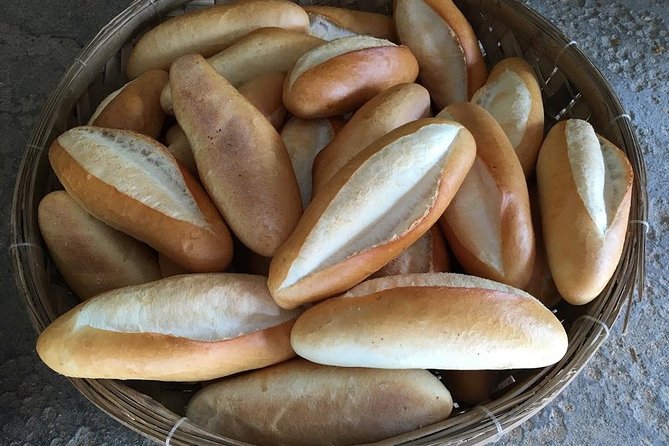
First, I love how much of the day is about ingredients, not just recipes—coconut products, rice noodles for pho, and the produce you’ll actually be cooking with. Second, the experience is built around Chef Dat’s teaching, so you get real attention while you work (and you’re not stuck watching someone else do everything).
One trade-off to think about
This is a packed 6-hour program, so if you prefer a slower hands-on cooking session with lots of time at the stove, the countryside stops can make the cooking feel a bit rushed.
Key highlights at a glance
- Coconut processing stop where you learn the story behind what locals make from coconuts
- Pho noodle / rice noodle factory visit to see how noodles are produced
- Local market ingredient shopping so you understand what goes into each dish
- Vegetable and herb garden time focused on Vietnamese flavors and fresh greens
- Coffee tasting that rounds out the food day
- Chef Dat’s Viet Garden cooking class to make 3 authentic Vietnamese dishes together
Getting going: pickup, meeting point, and an efficient route out of town
The day begins around 6 hours total, starting from the Same Same But Different area (107 Hùng Vương). You’ll either use the meeting point or get pickup from your hotel or a nearby spot, depending on what you selected when booking. Then you’re off into the “heartland” area around Nha Trang—exactly what I like about this style of food tour. You’re not just eating; you’re seeing where the ingredients come from.
Logistics matter here because the schedule is full. The tour runs through the day’s open windows (morning into afternoon, plus a later slot), and the program is structured to fit multiple stops in one go. That means you’ll want to show up on time and keep your questions ready, because you won’t have long gaps to linger.
Also, this is capped at a maximum of 20 travelers, which keeps things from turning into a school field trip parade. It still won’t feel like a two-person private bubble the entire time, but it’s set up to stay manageable.
The coconut stop: not just juice, but the coconut story
One of the first stops is a coconut place. You’ll get coconut juice and learn the coconut story—how locals process coconuts into products used in everyday life. This is one of those visits that pays off later, because Vietnamese cooking leans hard on coconut-derived flavor (directly or indirectly), and seeing the process makes the ingredient feel real instead of mysterious.
What to watch for: the difference between “getting a drink” and actually learning how it’s made. This stop is designed to teach you the behind-the-scenes side. If you like food facts, you’ll get those here. And if you don’t, you’ll still enjoy the simple pleasure of fresh coconut juice before the day gets busy.
Noodle factory time: learning pho noodles before you cook
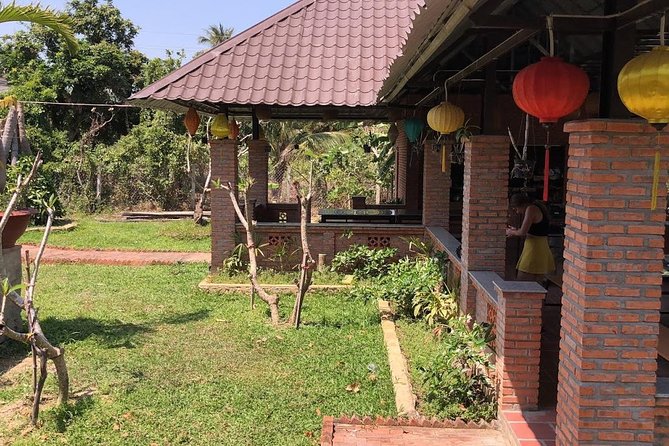
Next up is a noodle factory, where you can see how rice noodles are made—specifically with a focus on pho noodles. For many people, pho is a comfort meal that seems effortless. Seeing the noodle production process gives you a new level of appreciation for the texture you’re chasing in Vietnamese cooking.
This part is also practical. Once you’ve seen noodles made, you start noticing why different noodle types behave differently in broth, stir-fry, and dishes that use herbs and fresh toppings. Even if you don’t memorize every step (and you won’t have time to), you’ll leave with a better mental map of what you’re eating.
The local market: where you learn to shop like a cook
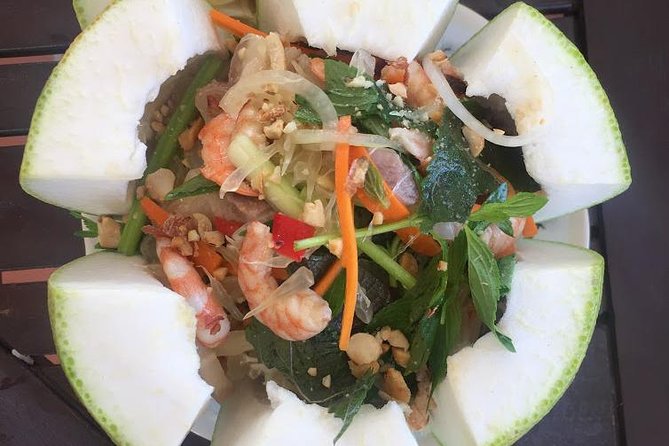
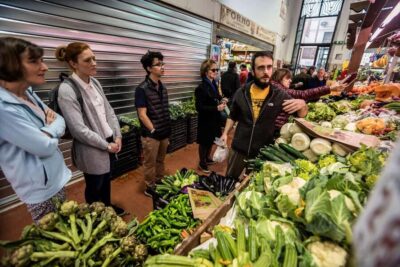
The local market is the heart of the “why Vietnamese food works” lesson. Here you shop for ingredients used in the dishes you’ll cook later. You’ll also see the fresh produce and herbs that make Vietnamese cuisine feel lighter and more aromatic than many other cuisines.
Why I think this stop is worth your time: it turns recipes into reality. Instead of following a list, you understand what fresh herbs look like, how vendors present ingredients, and what’s available right then in Nha Trang.
A practical tip: if you have dietary preferences, this is the moment to flag them. The class has been adapted on request in past cases, including changes to the menu for vegetarian diners. By the time you reach Chef Dat’s kitchen, those conversations matter.
Vegetable and herb garden: building flavor from the ground up
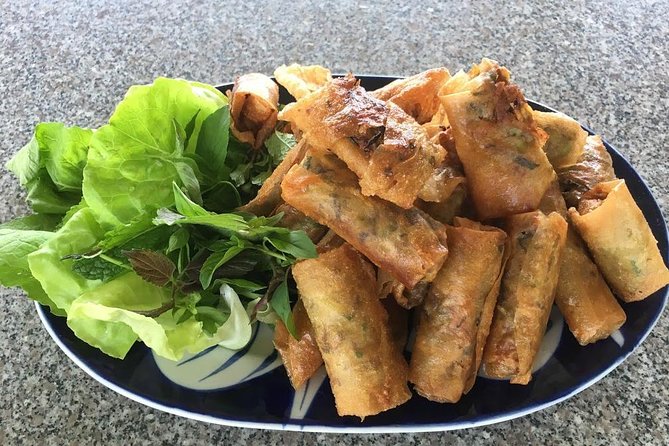
After the market, you’ll visit a vegetable and herbs garden. This is where Vietnamese cooking starts to feel like a system. You don’t just get ingredients—you learn the role of herbs and fresh greens.
This garden time is especially useful if you struggle with Vietnamese cooking at home because you don’t know what herbs to prioritize. You’ll see what looks “standard” in Vietnamese cooking and what you’d want to look for later at an Asian grocery store.
Coffee tasting: a small stop that makes the day feel complete
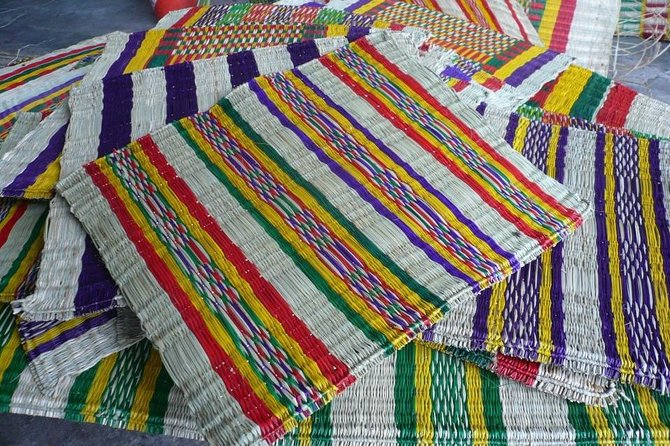
In between the countryside and the cooking, you’ll also do coffee tasting. It’s not the main event, but it adds variety and gives you a taste of Vietnam beyond just lunch.
It also breaks up the mental rhythm. By the time you reach the kitchen, you’ve already had market sights, garden greens, and noodle facts. Coffee tasting helps you reset before you start working hands-on.
Chef Dat’s Viet Garden kitchen: cook 3 authentic dishes and eat them right there
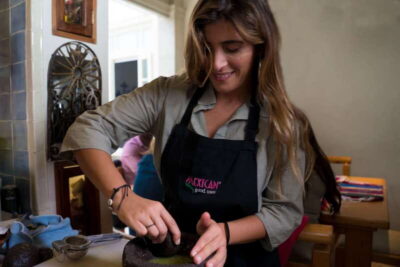
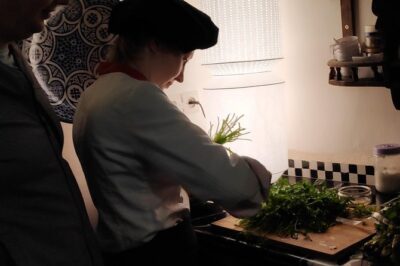
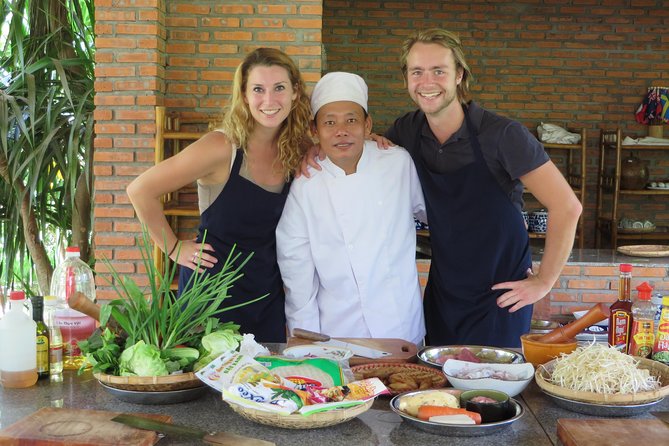
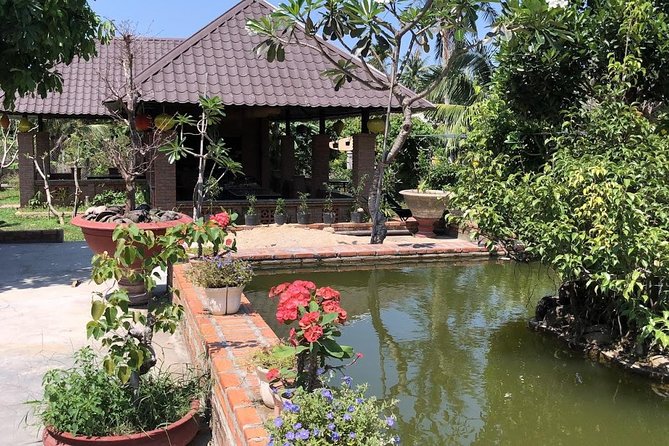
The day ends at Chef Dat’s cooking place, Viet Garden. This is where the tour becomes a true cooking class. You’ll learn how to cook 03 authentic Vietnamese dishes, using the ingredients you’ve gathered along the way.
Here’s what I like about this setup: you’re not arriving at a kitchen empty-handed. You’ve seen where ingredients come from, so the recipes make more sense while you cook. You’ll also be able to ask better questions because you’ve already seen the raw materials earlier.
You might find the kitchen experience to be interactive in a realistic way. Some people want to do everything; others just want to cook a portion. The format is designed so you can participate at the level that suits your comfort. And because it’s tied to Chef Dat’s teaching, you’re not left floating—there’s support as you work.
Then you eat what you cook. Lunch is part of the experience, and you’ll also get local beer or water as included items.
Lunch included: why the meal is part of the lesson
Lunch isn’t tacked on. It’s your payoff. When you eat the dishes you cooked, you can immediately connect technique to taste. You can ask yourself things like, Was the herb choice right? Did I get the balance of flavors you’d expect? Was the texture what I saw during the noodle stop?
That’s the hidden value of eating your own cooking: you learn by comparison. Vietnamese cuisine is built on balancing herbs, acidity, savory notes, and aromatic ingredients. If you only watch and then leave, the lesson doesn’t land as hard.
Price and value: is $66.67 worth it for 6 hours?
At $66.67 per person for about 6 hours, you’re paying for far more than a recipe transfer. You’re getting:
- transfers / pickup and drop-off support
- ingredients included
- lunch included
- coffee tasting
- visits to coconut processing, a noodle factory, a market, and a vegetable/herb garden
- instruction from Chef Dat and a hands-on cooking experience (3 dishes)
If you’re comparing this to “just a cooking class,” the extra value is the ingredient learning. It’s not only about cooking skills. It’s about understanding Vietnamese food culture at the source: coconuts, rice noodles, herbs, and market buying habits.
And because the group cap is relatively small (max 20 travelers), you’re more likely to get meaningful interaction during the day than on very large tours.
Who this tour suits best (and who should look elsewhere)
This works best if you:
- want a food-focused day that includes culture and sourcing ingredients
- like market walks and practical learning, not just a quick cooking demonstration
- want hotel pickup and a straightforward plan without needing to organize transport yourself
It’s also a strong pick for families, since the format blends sightseeing with a meal you can point to and say, we made that. If you’re traveling with kids, the variety helps. There’s always something to see between kitchen steps.
If you’re someone who wants only cooking time—like, lots of stove time, minimal touring—then you may feel the program is too structured. One caution worth noting: the day is packed, and some guests have found the countryside portion can make cooking feel rushed.
A few practical tips so you get more from the day
- Wear comfortable shoes. You’ll do a fair amount of walking through market and production stops.
- Bring questions. The coconut and noodle sections are the kind of places where your curiosity pays off.
- If you’re vegetarian, tell the operator in advance if possible. The menu has been adjusted on request before, but the best results come from early communication.
- Plan for a full day. This isn’t a quick lunch class. It’s a 6-hour culture-and-cooking day.
Should you book the Nha Trang Cooking Class with Chef Dat?
I’d book it if your goal is to leave with more than recipes. The combination of market shopping, coconut and noodle production visits, herb garden time, and then cooking three dishes in Chef Dat’s Viet Garden is a smart way to understand Vietnamese food end-to-end.
Skip it (or at least lower your expectations for maximum stove time) if you strongly prefer slower, cooking-heavy sessions and dislike tight schedules. Otherwise, this is the kind of Nha Trang experience that turns food into a story you can actually repeat at home.
FAQ
How long is the cooking class experience?
It’s approximately 6 hours.
Is hotel pickup and drop-off included?
Yes. Pickup is offered, and transfers are included in the tour.
Where does the tour start?
The tour starts at Same Same But Different, 107 Hùng Vương, Lộc Thọ, Nha Trang, Khánh Hòa, Vietnam.
What dishes will I cook?
The class teaches you to cook 03 authentic Vietnamese dishes.
Is lunch included?
Yes. Lunch is included, along with local beer or water.
Does the tour include coffee tasting?
Yes, coffee tasting is part of the experience.
What is the cancellation policy timeframe?
You can cancel for a full refund up to 24 hours in advance. If you cancel less than 24 hours before the start time, the amount paid is not refunded. The experience also requires good weather, and if it’s canceled for poor weather you’ll be offered another date or a full refund.