REVIEW · NHA TRANG
Viet Garden Cooking Class (Countryside and Market tour)
Book on GetYourGuide →Operated by Vietnam Real Travel · Bookable on GetYourGuide
Food lessons don’t get more practical than this. This Viet Garden countryside and market day takes you beyond Nha Trang to learn how real Vietnamese meals get made, then you cook them yourself. I loved the hands-on cooking plus the way you shop at a local market first, so your lunch feels like your choices, not a scripted meal.
I also liked the smart mix of food and local crafts: you’ll see noodle-making for pho, watch how baguettes are made at a bakery, and learn about coffee culture straight from the countryside road stops. The one thing to consider is pacing: it’s a full 9 AM to about 3 PM day, and you’ll be moving between several activities before you sit down to cook and eat.
In This Review
- Key Highlights Worth Marking
- From Nha Trang Pickup to the Provincial Vietnam Feel
- The Market Stop That Makes Your Cooking Taste Personal
- Mat Weavers, Rush Mats, and Why Craft Stops Matter
- Noodle Factory for Pho: The Process You Can Actually Taste
- Bakery Stop and French Baguettes, Vietnamese-Style
- Coffee and Coconut Juice Along the Country Road
- The Vegetable and Herb Garden: Where Freshness Starts
- Chef Dat’s Family House Cooking Lesson (With Organic Garden and Bonsai)
- What you’ll cook
- How the Full Day Adds Up (Not Just a Meal)
- Price and Value: Is $75 Actually Fair?
- Who Should Book This Tour (And Who Might Not)
- Quick Practical Tips Before You Go
- Should You Book Viet Garden Cooking Class?
- FAQ
- Where are you picked up for the Viet Garden cooking class?
- What time does the tour start and end?
- How long is the tour?
- What is included in the price?
- How many dishes will I cook?
- Can I choose what dishes to cook?
- Is the tour in English?
- Is it wheelchair accessible?
- FAQ
- Is there free cancellation?
- Can I reserve and pay later?
Key Highlights Worth Marking
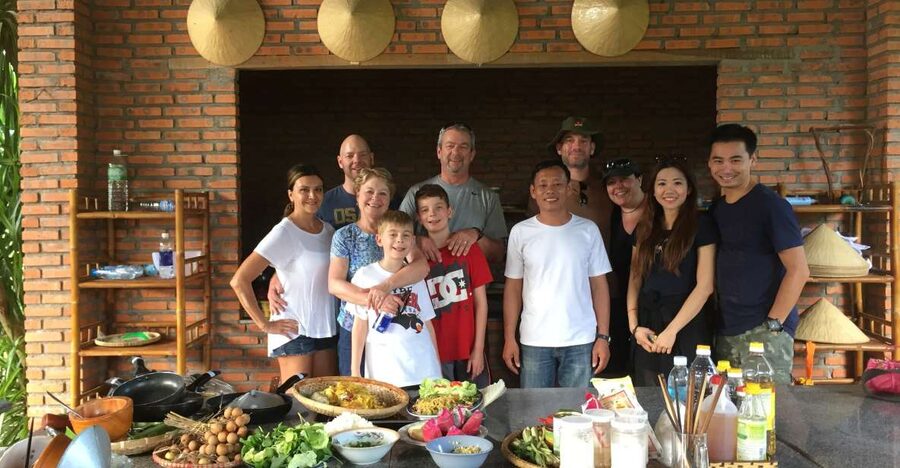
- Market-first shopping so your ingredients match what you’ll actually cook
- Craft stops tied to food (noodle factory, bakery baguettes, mat weavers)
- Coffee stories you can taste, including weasel coffee and condensed milk
- Chef Dat’s family home meal in the countryside, with an organic garden and bonsai trees
- Three-dish cooking lesson where Chef Dat suggests options if you’re unsure
From Nha Trang Pickup to the Provincial Vietnam Feel
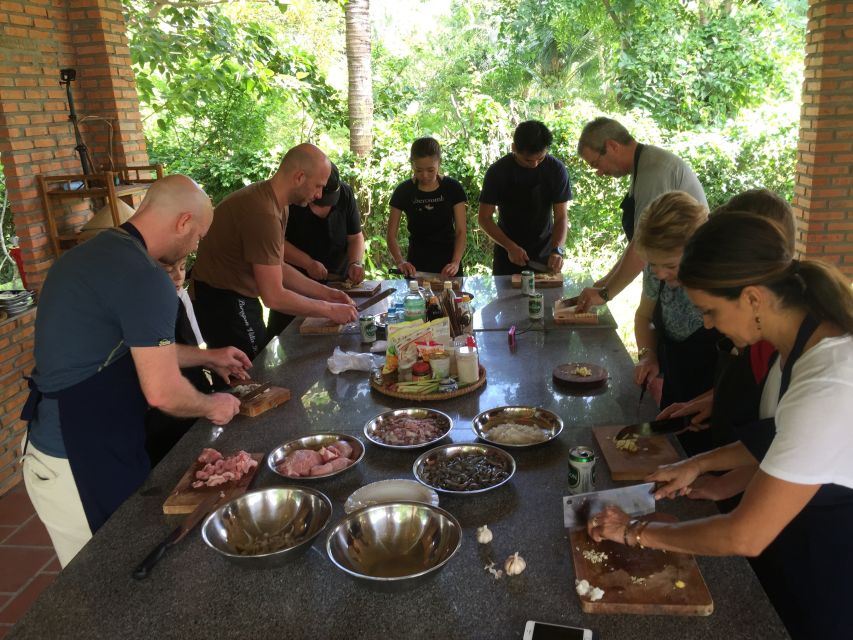
The day starts with hotel pickup from central Nha Trang, and the tour runs about 6 hours. You’ll usually get moving around 9 AM and get dropped back around 3 PM, though starting times can vary—check availability so you don’t plan anything tight after.
What makes this tour feel different is the order of things. You don’t just arrive, cook, eat, and leave. You go into the working rhythm of central Vietnam first, with stops that explain where key ingredients and flavors come from—then you turn those ideas into three dishes at Chef Dat’s family house.
If you like food travel that’s hands-on and grounded, this format works fast. You’re learning by doing, and you’re also watching how people live and make a living along the way.
You can also read our reviews of more tours and experiences in Nha Trang.
The Market Stop That Makes Your Cooking Taste Personal
One of the best parts is picking ingredients together at a local market. This is the step that makes the cooking lesson feel real instead of like a cooking demo.
I like that you can select what you want to cook, because the menu depends on your interests. If you’re not sure, Chef Dat guides you with suggestions. The practical upside: you’ll likely learn what ingredients matter most for each dish, not just how to follow steps.
This also helps if you want to cook Vietnamese food back home later. The tour is set up so you can find ingredients in your hometown to recreate the dishes—Chef Dat makes sure your choices are feasible, not fantasy-level.
Mat Weavers, Rush Mats, and Why Craft Stops Matter
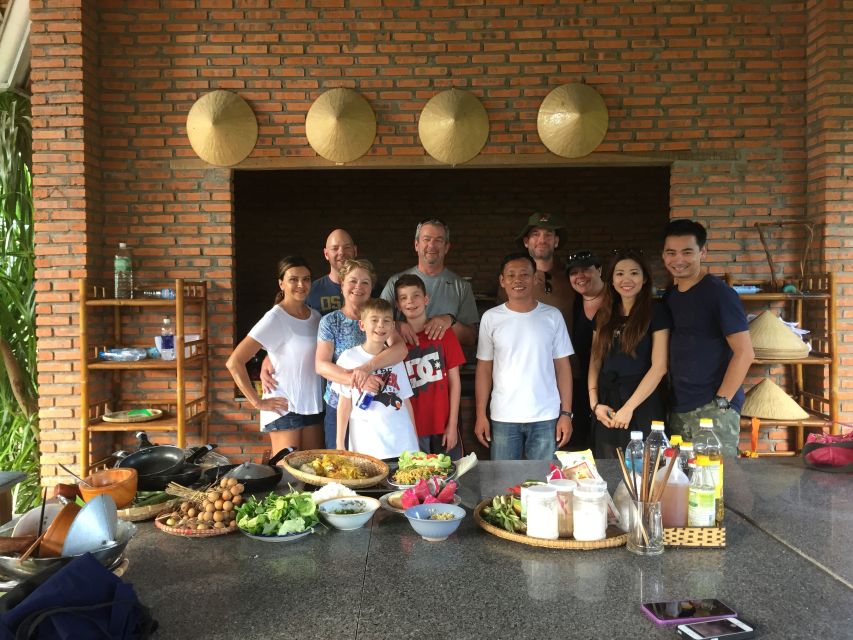
You’ll stop at a family business connected to mat weaving—specifically rush mats—and you’ll also see mat weavers along the way. It’s not a random detour. It’s a reminder that food and daily life are part of the same local economy.
Even if you’re not shopping for crafts, this kind of stop adds context. In rural areas, families often mix work: growing, processing, selling, and making useful items. When you later cook with local ingredients, it’s easier to understand why these foods show up in everyday meals the way they do.
Bonus: these stops tend to be calm and personal. The vibe here is more “chat and watch” than “tour-bus performance.”
Noodle Factory for Pho: The Process You Can Actually Taste
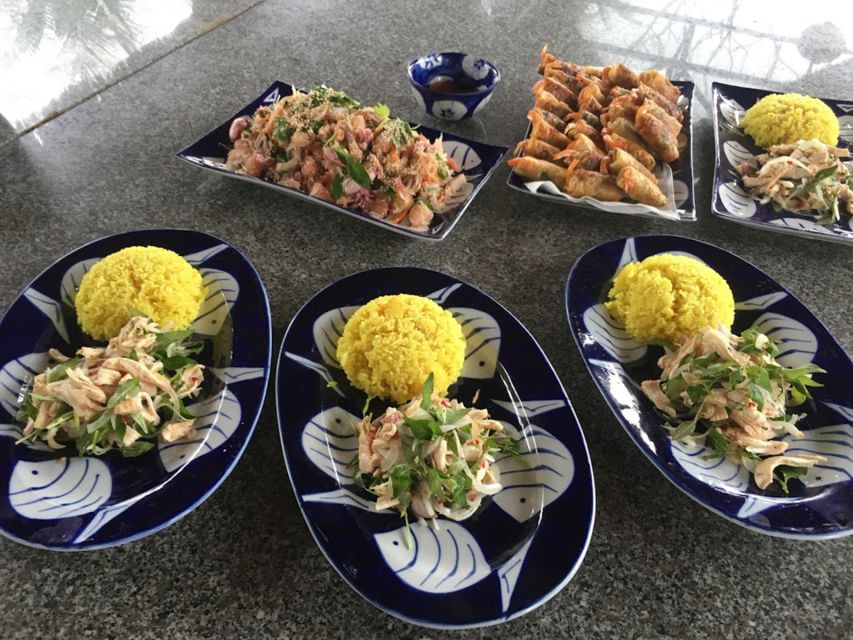
If you eat pho, this stop is for you. You’ll visit a noodle factory to learn the local process of making noodles used in pho.
You’re not just seeing noodles on a shelf—you’re learning how they get made. That matters, because it explains why certain noodles work better for certain soups and toppings. It also makes you pay attention when you cook later, since noodle texture isn’t a detail you can ignore.
A potential consideration: this stop is more learning and observation than hands-on participation. If you’re the type who wants to do everything with your hands, you may still enjoy it, but it won’t replace the main hands-on part of the day.
Bakery Stop and French Baguettes, Vietnamese-Style
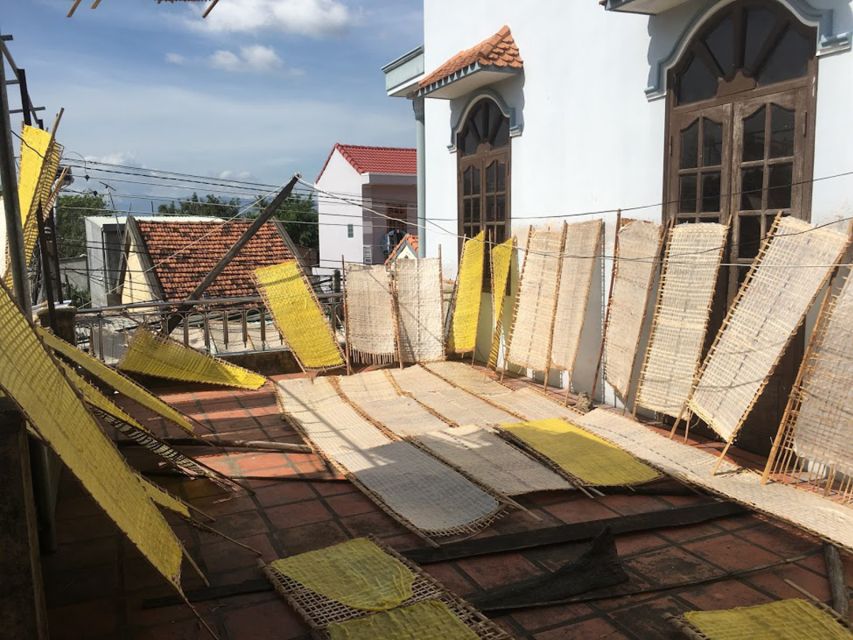
Another standout is the bakery visit. You’ll learn how locals make French baguettes, which is a great example of Vietnam’s food mix—old influences, adapted to local tastes and routines.
This is a useful stop even if baguettes aren’t your food obsession. Why? Because it trains your palate for how ingredients and technique travel. You’ll likely connect the dots later when you cook dishes and think about flavor balance.
Also, this is one of the stops that makes the itinerary feel varied without feeling random. You’re moving through different food systems: milling and noodles, baking, and then fresh produce and herbs.
Coffee and Coconut Juice Along the Country Road
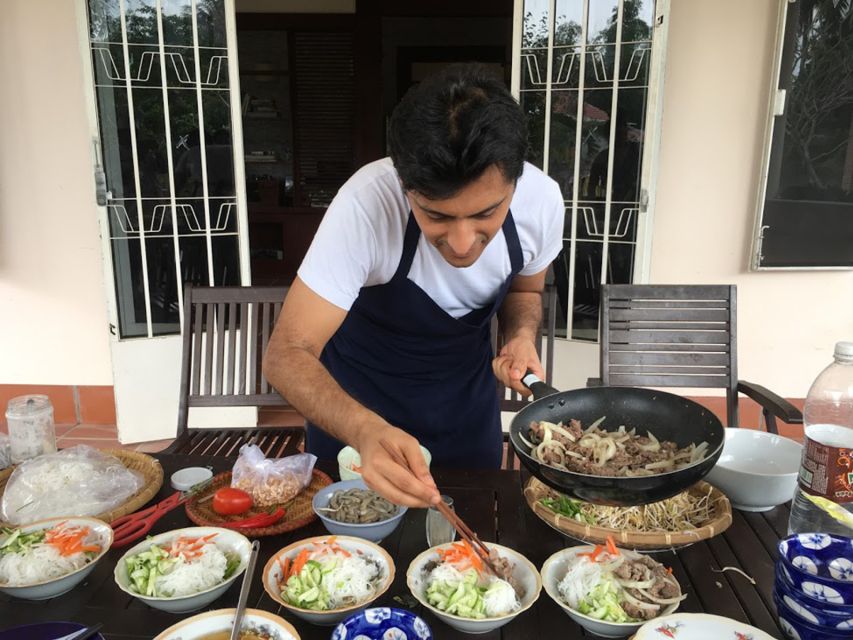
Between the craft and food-making stops, you’ll enjoy local coffee and coconut juice along a country road. It’s a nice reset, and it also keeps the day tied to flavors rather than turning into pure sightseeing.
You’ll hear stories about weasel coffee and why locals drink their coffee with condensed milk. Even if you’ve heard of it before, the way this gets explained in a local setting tends to make it more understandable and less like a food-trivia stunt.
This is where you get a real sense of Vietnamese coffee culture: sweet, strong, and built for everyday life—not just for Instagram shots.
The Vegetable and Herb Garden: Where Freshness Starts
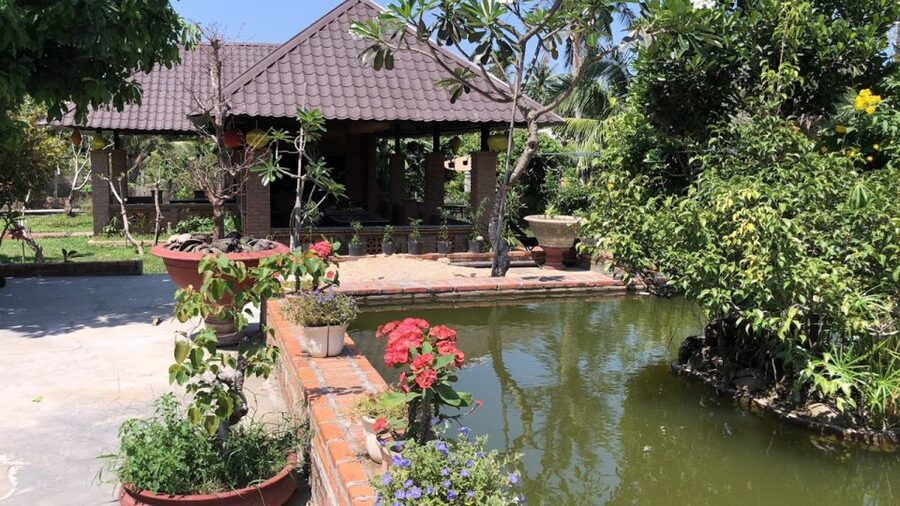
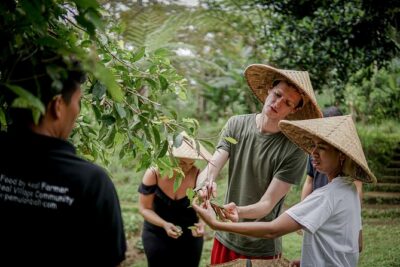
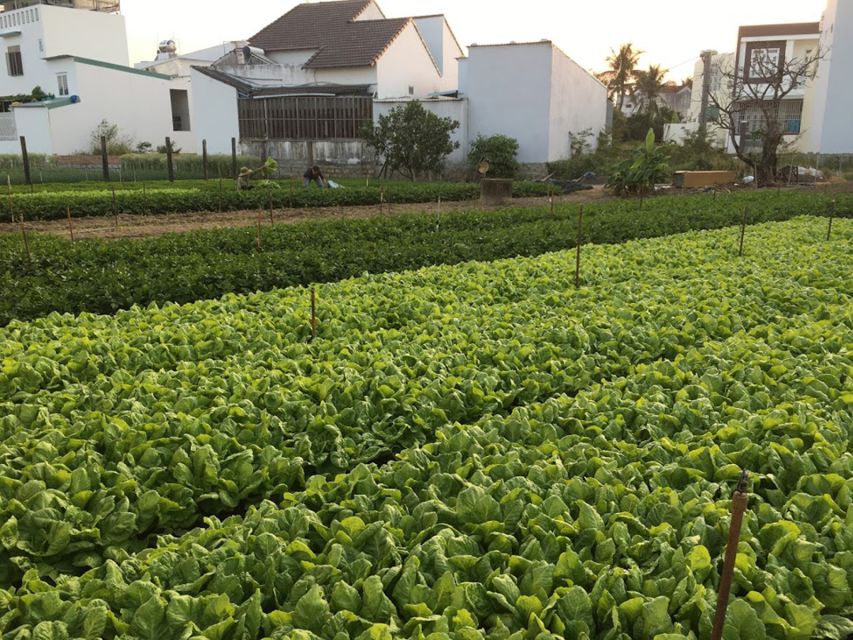
You’ll visit a vegetable and herb garden, so you can see the produce side of the story. For a cooking class, this matters more than you might think.
When you understand what herbs and vegetables are fresh and common in the area, it becomes easier to cook Vietnamese dishes with confidence. You’re less likely to rely on packaged substitutes later, because you learned what the key flavors are supposed to taste like.
This part of the day also slows things down a bit. After earlier stops, it’s a good moment to catch your breath and look at how families grow food.
Chef Dat’s Family House Cooking Lesson (With Organic Garden and Bonsai)
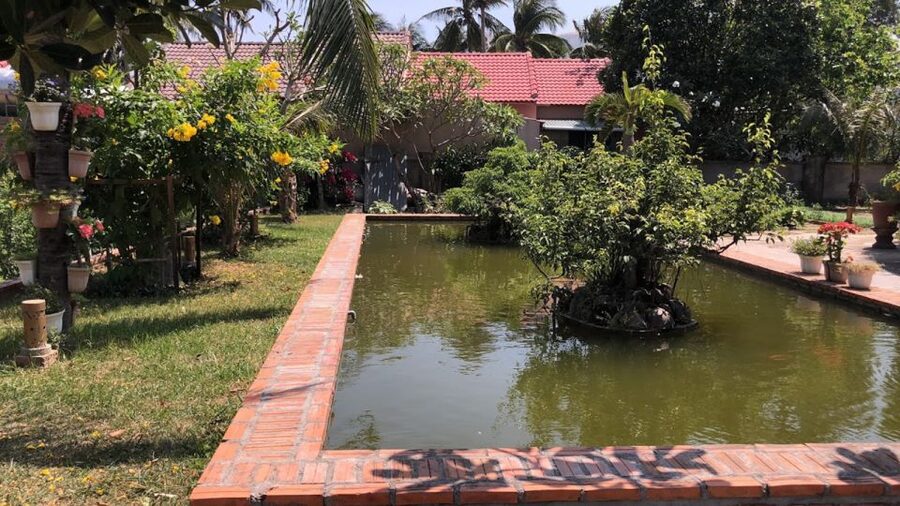
The second half of the day is the real heart of the experience: cooking, eating, and relaxing at Chef Dat’s family house in the countryside.
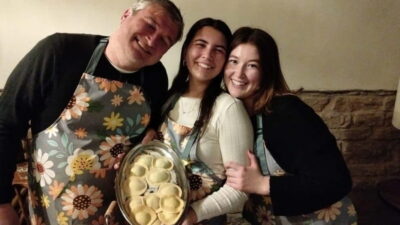
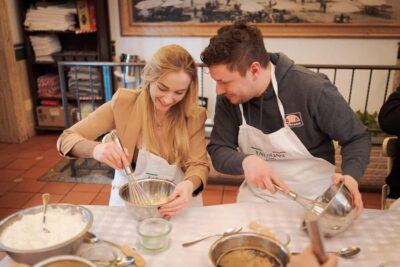
This setting isn’t just pretty. It’s practical. Cooking at a family home means you’re learning in a lived-in kitchen environment, not a classroom with bland cookware and zero context. Chef Dat guides you through your dishes from start to finish, and you eat your own creations afterward.
The house also has an organic garden and bonsai trees, which adds a quiet, grounding feel to the meal. If you love slow travel touches—real yards, real daily life, and a place where people actually live—this is the part that sticks with you.
What you’ll cook
You’ll cook three Vietnamese dishes. The menu depends on which dishes you’re interested in, and Chef Dat will help you figure out what to choose. If you’re undecided, you’ll still leave with a menu that fits your interests and ingredient availability back home.
Since the exact dishes aren’t listed here, the best advice is simple: tell Chef Dat what flavors you like. If you’re into noodles, mention it. If you prefer something lighter, say so. Chef Dat can steer you toward choices that match both taste and practicality.
How the Full Day Adds Up (Not Just a Meal)
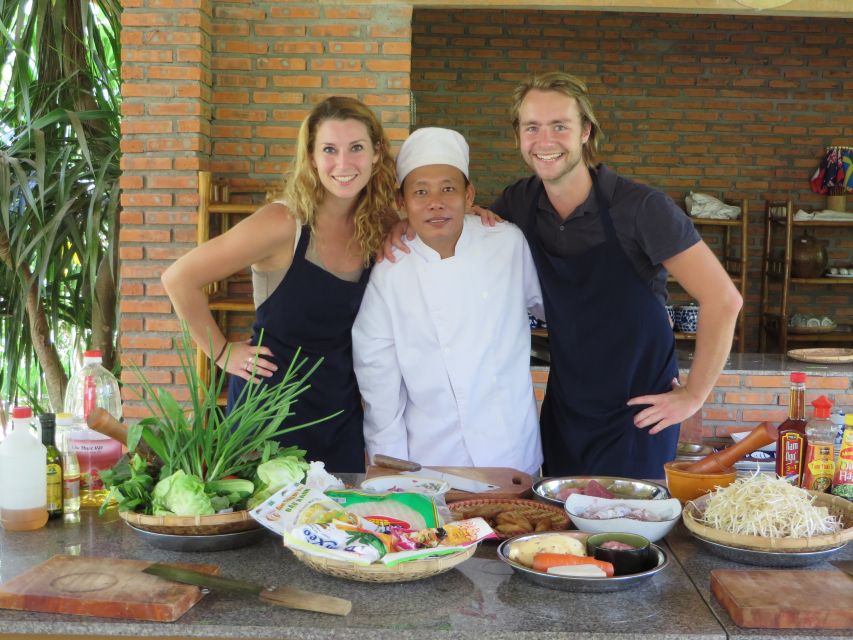
It’s tempting to judge a cooking class only by the food. But this one is worth it because it connects ingredients to the real world that produces them.
You get:
- Market shopping for your ingredient list
- Craft and food-production stops that explain process (like noodles and baguettes)
- Coffee culture stories paired with actual drinks
- A proper cooking session where you make and eat three dishes
That connection is the value. You’re not just learning recipes; you’re learning why those recipes exist in daily Vietnamese life.
Price and Value: Is $75 Actually Fair?
At $75 per person for a 6-hour experience, this is priced like a serious food day rather than a casual half-hour workshop. The value comes from what’s included: transportation, a live English guide, and food for your cooking class.
You’re paying for more than cooking instruction. You’re also paying for coordinated visits (market, factory, bakery, garden, craft stops) plus the meal you make and eat. Many standalone cooking classes skip the market and the production context—so you end up with a recipe book vibe instead of a lived-food vibe.
If you enjoy food travel that combines learning with eating, $75 makes sense. If you only want the cooking portion and don’t care about market or craft stops, you might feel like you’re spending some of the budget on “supporting scenes.” Still, the structure is what makes the cooking lesson click.
Who Should Book This Tour (And Who Might Not)
This tour is a strong fit if you:
- Want a hands-on cooking day in Vietnamese food, not just watching
- Like food travel that includes ingredient shopping
- Enjoy learning how processes work, like noodle making for pho
- Prefer small, personal-feeling local experiences around real families
It might not be ideal if you:
- Have very limited time and need a shorter tour
- Only want cooking with zero additional stops
- Get impatient with a schedule that moves from place to place before the meal
Quick Practical Tips Before You Go
- Bring your appetite. You’ll shop, cook, and then eat what you made.
- If you have dietary needs or strong preferences, tell Chef Dat clearly at the start when choosing dishes.
- Wear shoes that work for a full day of moving between stops. You’ll feel better than if you show up in something delicate.
- If you want to cook again later, pay attention to what Chef Dat recommends for ingredient choices and substitutions.
Should You Book Viet Garden Cooking Class?
If you want one memorable food experience in central Vietnam that actually teaches you something you can use again, I’d book it. The combo of market shopping, production stops (noodle factory and bakery), and Chef Dat’s hands-on cooking at his family house makes this feel like more than a class—it’s a day of learning how Vietnamese meals are built.
Book it if you like practical travel: see the sources, pick the ingredients, and then cook with guidance. Skip it only if you’re tightly time-budgeted or you’re strictly here for the kitchen portion.
FAQ
Where are you picked up for the Viet Garden cooking class?
Pickup is included from Nha Trang central hotels.
What time does the tour start and end?
The tour starts from your hotel at 9 AM and returns to your hotel at around 3 PM. Duration is about 6 hours, and starting times can vary, so check availability.
How long is the tour?
The duration is 6 hours.
What is included in the price?
Transportation, a guide, and food for your cooking class are included.
How many dishes will I cook?
You’ll cook and enjoy three Vietnamese dishes.
Can I choose what dishes to cook?
Yes. The menu depends on which dishes you are interested in cooking. Chef Dat will also give suggestions if you’re not sure.
Is the tour in English?
Yes. There is a live tour guide speaking English.
Is it wheelchair accessible?
Yes, the tour is listed as wheelchair accessible.
FAQ
Is there free cancellation?
Yes. You can cancel up to 24 hours in advance for a full refund.
Can I reserve and pay later?
Yes. You can reserve now and pay later, with nothing due today.