REVIEW · HOI AN
Traditional Vietnamese Cooking Class in Leina Cookery
Book on GetYourGuide →Operated by LEINA COOKERY · Bookable on GetYourGuide
Cooking in Hoi An beats eating out.
What makes Traditional Vietnamese Cooking Class in Leina Cookery especially fun is how hands-on it feels from minute one, plus the welcome juice that kicks things off. Leina (and sometimes Nga, depending on who’s hosting) keeps the pace friendly and step-by-step, while still giving you space to actually cook your own dishes instead of just watching. One thing to plan for: this is a set meeting spot in the city, so if you’re hoping for a pickup, you’ll want to double-check before you go.
You’ll cook, taste, and move on—usually after each dish is finished—so the session stays lively and practical. The class is limited to 10 participants and runs 150 minutes with an English host/greeter, which makes it easier to ask questions and get guidance while you’re working.
In This Review
- Key things I’d watch for before you go
- Hoi An First Stop: The Leina Cookery Meeting Corner
- A 150-Minute Class Built Around You Cooking, Not Watching
- What “self-paced” really feels like
- Choosing Your Dishes: Make It Match Your Taste
- From Welcome Juice to Tasting: The Pace You’ll Notice
- Why tasting immediately is actually useful
- The Teacher’s Role: Step-by-Step, With Room to Cook
- Expect an English-friendly experience
- Hoi An in Miniature: The Photo Stop Moment
- Recipes by Email: Keep Cooking After You Leave
- Price and Logistics: Why $22 Can Feel Like a Fair Deal
- One practical note on planning
- Who This Cooking Class Fits Best (and Who Might Hesitate)
- If you might hesitate
- Should You Book Leina Cookery’s Vietnamese Cooking Class?
- FAQ
- FAQ
- How long is the cooking class?
- Where is the meeting point?
- Is the class taught in English?
- How big is the group?
- Can I choose which dishes I cook?
- Do I eat the dishes during the class?
- Are recipes provided after the class?
- Is there free juice?
Key things I’d watch for before you go
- Small group limit (10 people) means more help when you hit a tricky step
- Pick from multiple menu options so the cooking matches your taste
- Cook-and-eat right away after each dish keeps motivation high
- English support with a host/greeter who can explain as you go
- Email recipe articles afterward so you can recreate what you made
Hoi An First Stop: The Leina Cookery Meeting Corner
You start at 23 Huỳnh Thúc Kháng in Hoi An. The meeting point is at the corner of Huỳnh Thúc Kháng and Huỳnh Lý, across from a park, so it’s easy to orient yourself once you’re in the neighborhood. This matters more than it sounds. In busy old-town areas, the difference between finding a place quickly and wandering for 20 minutes can ruin the start of your evening.
When you arrive, you’re welcomed and offered a glass of juice before you begin cooking. It’s a small detail, but it helps you settle in—especially if you’ve been walking around Hoi An all day.
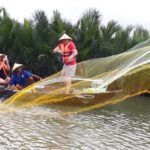
You also get a quick Hoi An photo stop during the experience. It’s not a long sightseeing detour, so treat it like a chance to grab a few photos and confirm you’re in the right part of town, not a full tour of the city.
You can also read our reviews of more tours and experiences in Hoi An.
A 150-Minute Class Built Around You Cooking, Not Watching
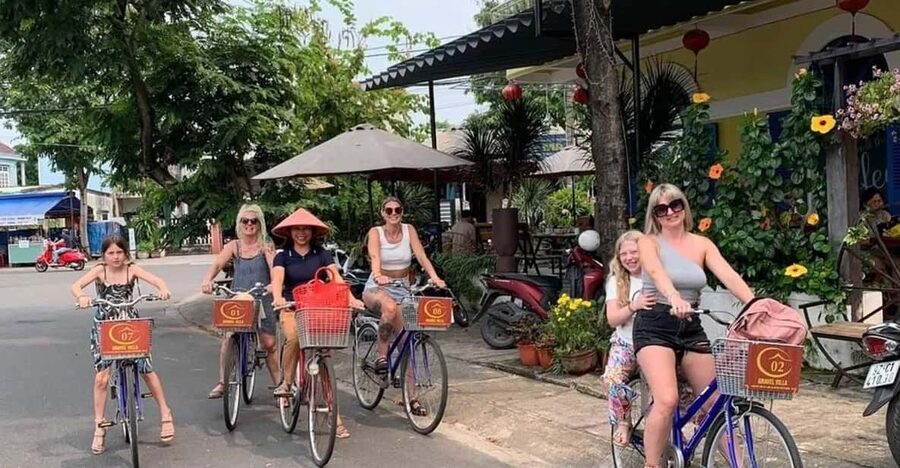
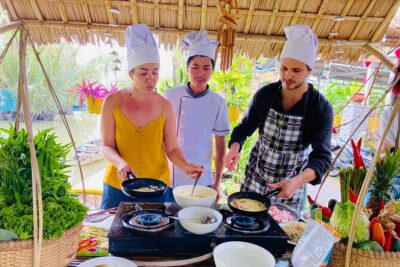
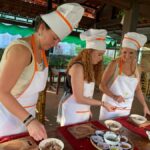
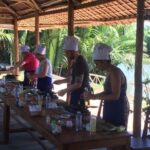
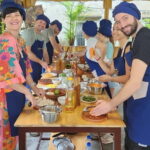
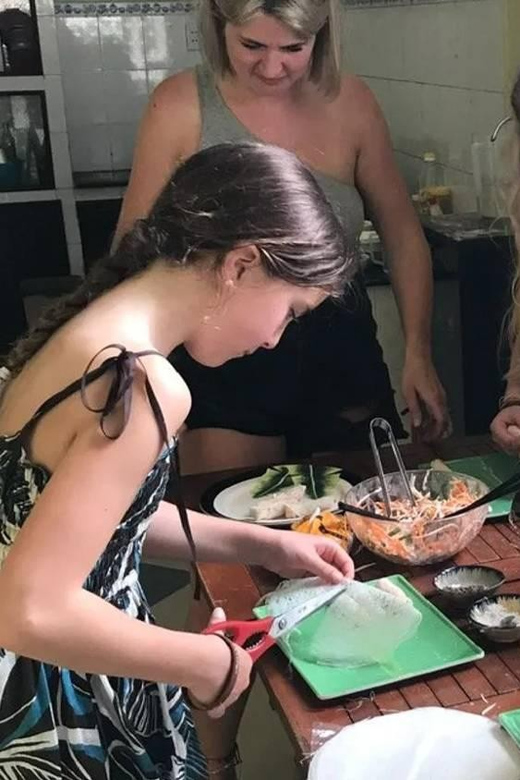
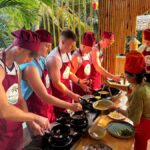
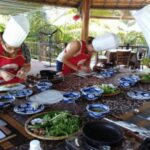
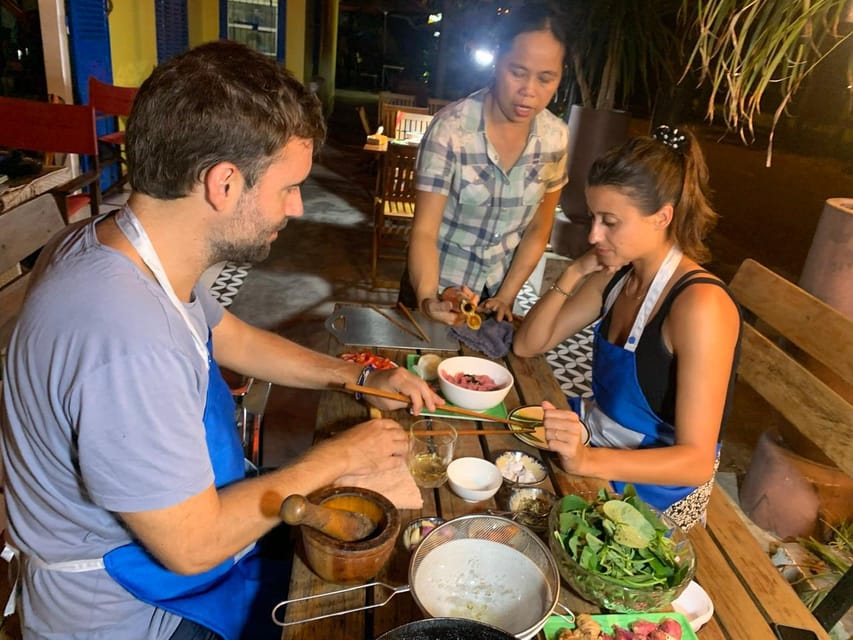
The main event is the cooking itself, and the format is designed so you’re actively doing the work. You follow the teacher’s instructions step by step, but you’re not just a passive participant. In a lot of cooking classes, the instructor does most of the heavy lifting. Here, the goal is for you to cook your chosen dishes while the teacher keeps things on track.
The full session runs 150 minutes, which is a sweet spot. Long enough to learn real technique and finish multiple dishes, but short enough that you don’t end up exhausted or stuck waiting for the next step. If you’re the type who learns best by doing, this schedule makes a difference.
What “self-paced” really feels like
Even though there’s a teacher guiding you, you still control the rhythm of your cooking. That means you can take a beat, ask questions, and adjust as needed—without feeling rushed out of your comfort zone. And since you eat the results while you’re still there, you get immediate feedback on what worked and what to tweak for next time.
Choosing Your Dishes: Make It Match Your Taste
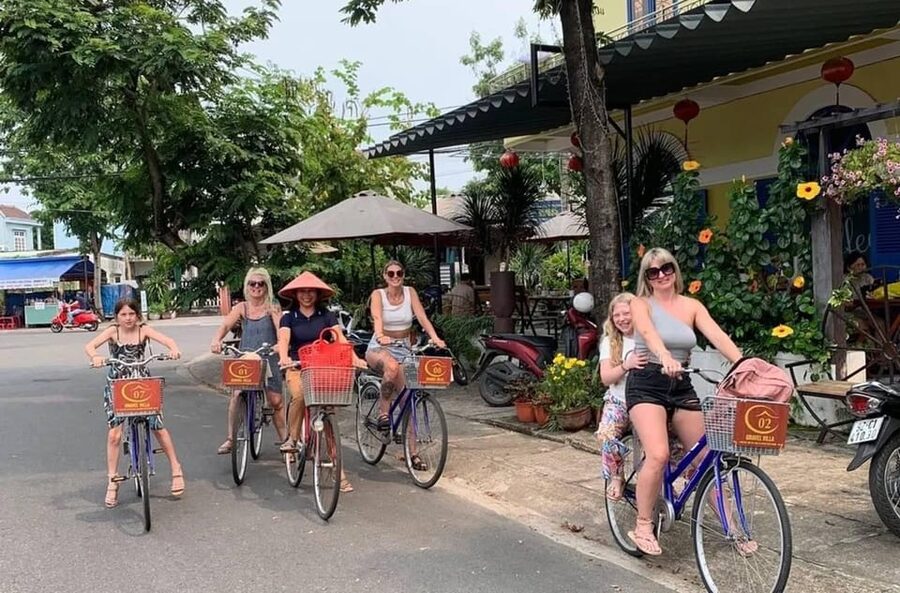
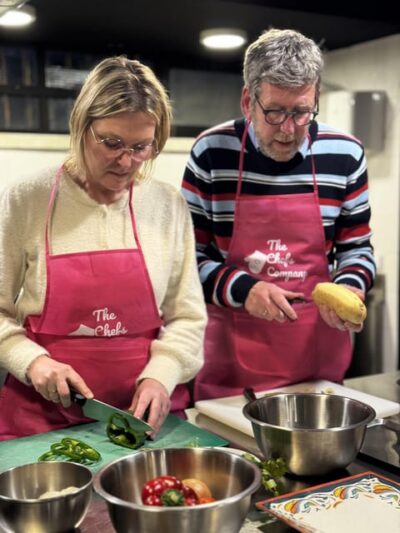
A smart part of this class is that you freely choose dishes to cook from different menu options. That gives you control over the experience. Instead of being stuck with whatever the group is assigned, you can select dishes you actually want to learn how to make.
For many people, that choice does two things:
- It lowers the chance you’ll end up with a dish you don’t like.
- It makes the cooking lessons feel more personal, because you’re invested in the food in front of you.
The teacher will explain each dish as you go, including the ingredients and what you’re aiming for in terms of flavor and texture. You’re also tasting what you make on the spot, so you can connect the instructions to the final result.
From Welcome Juice to Tasting: The Pace You’ll Notice
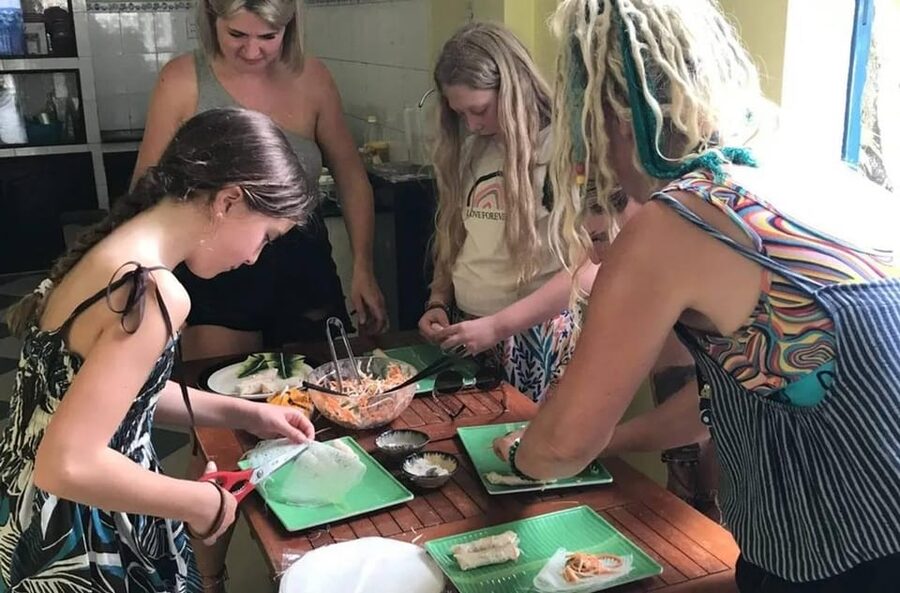
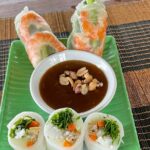
After the welcome drink, you move into cooking right away. The experience is structured so that after each dish you make, you eat it before moving to the next one. That matters because it keeps the class from turning into one long stretch of chopping and stirring with no reward.
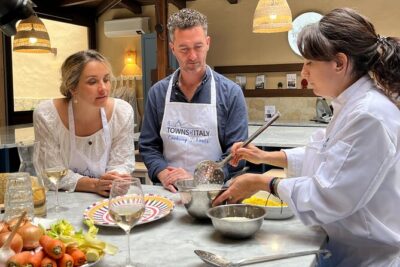
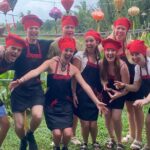
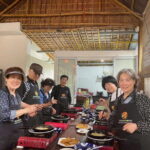
This is also where the small-group size shows up. With only up to 10 participants, the teacher can keep an eye on each station and help you stay on track. In reviews, people specifically highlight that Leina and the host make the process feel supportive rather than chaotic.
Why tasting immediately is actually useful
You don’t just eat at the end—you eat during the learning. That means:
- You can notice whether something needs more seasoning while the steps are still fresh in your mind.
- You get to compare what you made with what the teacher described.
- You learn faster because you’re linking flavor to technique.
If you’re worried about getting bored or losing focus, this “finish one dish, eat it, then go again” approach is a big plus.
The Teacher’s Role: Step-by-Step, With Room to Cook
Leina Cookery’s teaching style (as described in guest feedback) centers on clarity and guidance. The chef explains every dish and walks you through the process, but you’re not treated like a kid in a demo class—you’re treated like someone learning a real skill.
People mention that the teacher takes you through every step while still leaving room for you to cook your own dish. That balance is the sweet spot. You get enough instruction to avoid common mistakes, but you still do the work that turns knowledge into muscle memory.
Expect an English-friendly experience
The host/greeter is English-speaking, and that affects how smooth the lesson feels. Cooking involves timing, texture, and sensory cues—so having those explained in a way you can understand quickly is a real advantage.
Hoi An in Miniature: The Photo Stop Moment
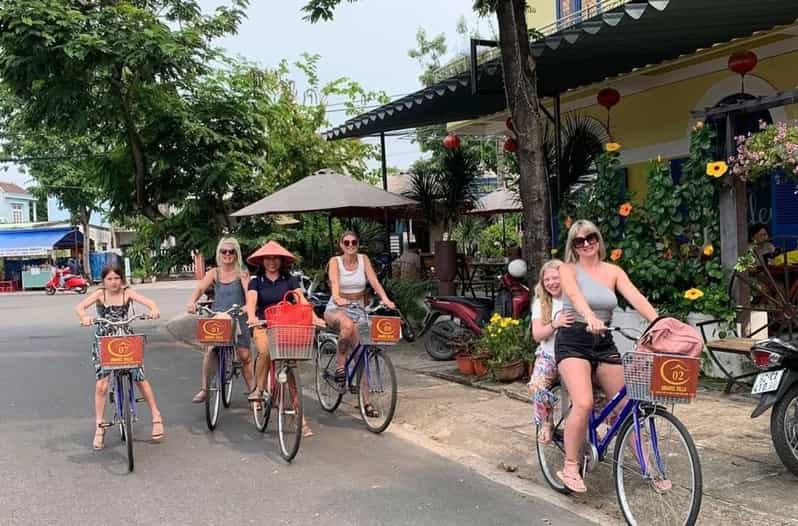
You’ll get a photo stop in Hoi An during the experience, then you return to 23 Huỳnh Thúc Kháng at the end. Since the class is focused on cooking, this isn’t a sightseeing-heavy format. Still, that short break is helpful if you’re arriving with fresh eyes on the city and want a quick memory of where you are.
The practical takeaway: plan to wear comfortable shoes. You’re in and out of small indoor and outdoor moments, and you’ll want to move easily without thinking about blisters.
Recipes by Email: Keep Cooking After You Leave
One of the best aftereffects here is that you’ll receive articles about recipes for the dishes you learned via email after the course. That makes the class more than a one-night activity.
Even if you remember what you cooked, writing is what turns a fun evening into something you can repeat. Email recipe notes help you reconnect with the steps later, especially for dishes where the details matter—like balancing seasoning or handling ingredients in the right order.
If you like to cook at home and you’re tired of classes where you forget everything the next day, this email follow-up is a strong value booster.
Price and Logistics: Why $22 Can Feel Like a Fair Deal
At $22 per person for 150 minutes, the value comes from what’s included and how the class is run. You get:
- A hands-on cooking lesson where you cook and eat what you make
- Free juice
- English support
- A small group setting (up to 10)
- Recipe materials emailed afterward
For a cooking experience in Central Vietnam, $22 feels reasonable because it’s not only a meal—you’re paying for instruction, time, and the chance to learn technique. And the small-group format helps justify the price. If it were a huge class, you might not get the same level of attention while cooking.
One practical note on planning
Your experience is tied to the meeting point in Hoi An. That’s simple once you’re there, but it means you should budget a little time to reach 23 Huỳnh Thúc Kháng comfortably. If your hotel is far, you’ll want to allow extra walking or local transport time so you don’t arrive flustered.
Who This Cooking Class Fits Best (and Who Might Hesitate)
This class is a great match if you want:
- A practical cooking lesson, not a food presentation
- A chance to choose dishes ahead of time
- A class format where you get to cook and taste immediately
- English explanations that make the steps easier to follow
It’s also a good fit for solo travelers or couples because the group stays small, and you’re working at a station where the teacher can guide you while you cook.
If you might hesitate
If you strongly prefer a cooking experience where everything is decided for you (no menu choice), or you hate meeting at a specific street address, you may want to think twice. Also, because the session is self-directed in the sense that you actively cook each dish, you should be comfortable with the idea that it’s hands-on work, not just a casual tasting.
Should You Book Leina Cookery’s Vietnamese Cooking Class?
I’d recommend booking if you want a real cooking lesson in Hoi An that stays friendly, structured, and practical. The best reasons are the ones that show up repeatedly in how people describe the experience: you cook your dishes, the teacher gives step-by-step guidance, the group stays small, and you leave with recipe articles by email so it doesn’t vanish the next day.
If you’re on the fence, here’s how to decide fast:
- If you like learning by doing and want multiple dishes you actually chose: book.
- If you dislike meeting at a street corner or you want a heavily sightseeing-based tour: look for something else.
FAQ
FAQ
How long is the cooking class?
The class lasts 150 minutes.
Where is the meeting point?
The meeting point is at 23 Huỳnh Thúc Kháng in Hoi An, at the corner of Huỳnh Thúc Kháng and Huỳnh Lý, across from a park.
Is the class taught in English?
Yes. The host or greeter speaks English.
How big is the group?
It’s a small group limited to 10 participants.
Can I choose which dishes I cook?
Yes. You can freely choose dishes to cook from the available menus.
Do I eat the dishes during the class?
Yes. After you make each dish, you enjoy it on the spot before learning the next one.
Are recipes provided after the class?
Yes. You receive articles about the recipes for the dishes you learned via email after the course.
Is there free juice?
Yes. You’re offered free juice when you arrive.