REVIEW · HOI AN
Vegetarian Cooking Class with Local Family in Hoi An
Book on GetYourGuide →Operated by GJ Travel Viet Nam · Bookable on GetYourGuide
Cooking vegetarian food in a family kitchen helps it stick. In Hoi An, you spend about 3 hours in the Cam Thanh Coconut Village area with an English-speaking chef, learning Vietnamese classics in a relaxed, local-style setting.
What I like most is how practical the class feels: you follow clear, step-by-step guidance and then sit down to eat what you made. I also like that the menu focuses on well-known Hoi An flavors, so you leave with recipes you can actually copy later. A small consideration: drinks aren’t included, so plan to buy bottled water or other drinks if you want them during the meal.
In This Review
- Key Highlights Worth Booking
- Hoi An Vegetarian Cooking in Cam Thanh: Why This Class Feels Like Real Food
- From Hotel Pickup to Cam Thanh Coconut Village: Getting There Without Stress
- The Cooking Class Itself: How a Step-by-Step Chef Makes It Click
- Your Menu in Plain Terms: Tofu Clay Pot, Papaya Salad, Spring Rolls, Rice Pancake
- Tofu in Clay Pot with Steam Rice
- Papaya Salad (Papaya, Carrots, Basil)
- Hoi An Spring Rolls
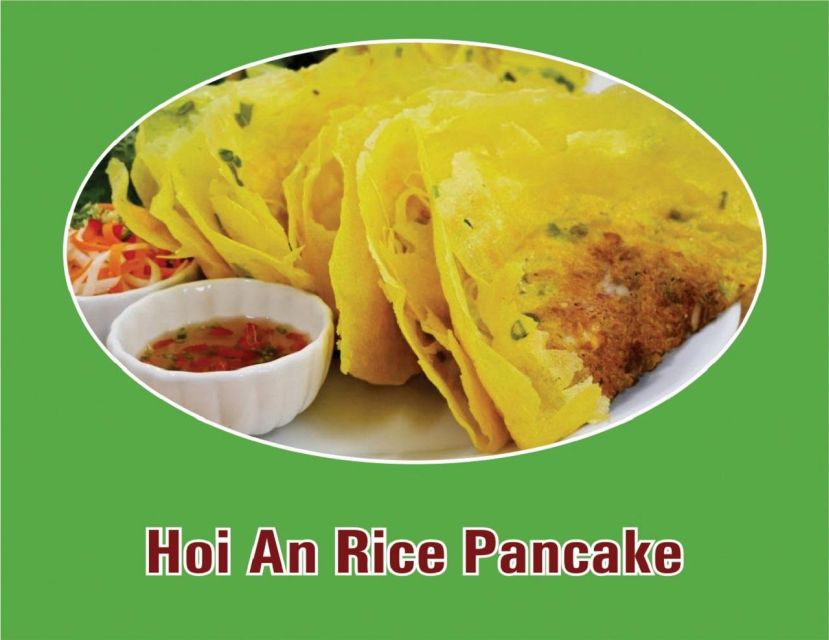
- Hoi An Rice Pancake
- The Meal and the Chat After Cooking: The Part You’ll Feel Good About
- What’s Included (and What You’ll Pay for) for a Smooth Budget
- When You’ll Get the Most Out of It (And Who Might Skip)
- A Few Smart Ways to Make the Recipes Last After Hoi An
- Should You Book This Vegetarian Cooking Class in Hoi An?
- FAQ
- What dishes will I cook in this vegetarian class?
- How long is the cooking class?
- Does the tour include hotel pickup and drop-off?
- Is the chef English-speaking?
- Are drinks included?
- What about kids under 3 years old?
Key Highlights Worth Booking
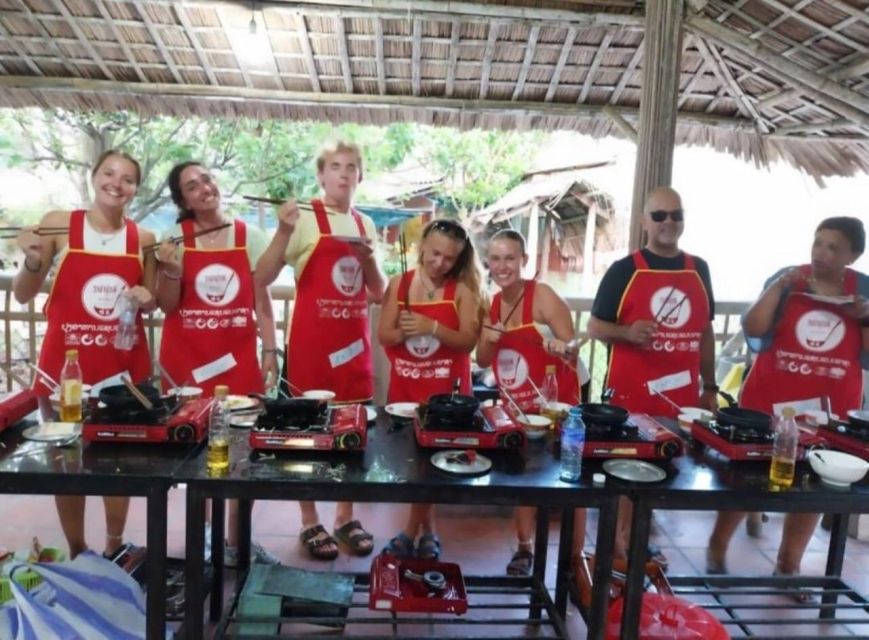
- Cam Thanh Coconut Village setting: You cook in a place tied to local life, not just a restaurant kitchen.
- English-speaking chef: Step-by-step instruction means you’re not guessing.
- Four vegetarian dishes: To rinse your idea of Vietnamese food? This menu does it.
- Welcome drink + break time: You get a breather before you start cooking.
- Eat-and-chat finish: You don’t just cook—you share the meal and swap notes.
Hoi An Vegetarian Cooking in Cam Thanh: Why This Class Feels Like Real Food
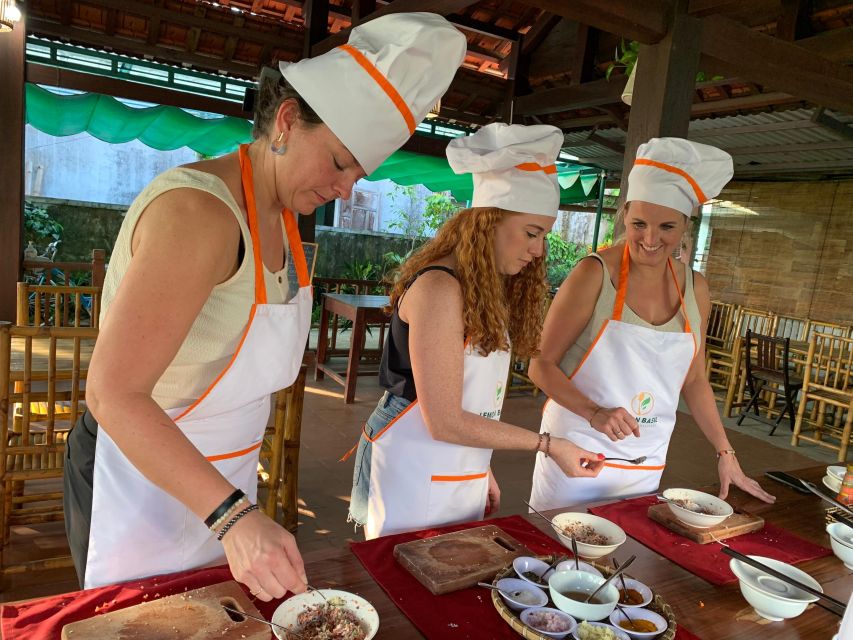
Hoi An has plenty of places to eat. But a cooking class gives you something different: the how. You’re not only tasting Vietnamese flavors—you’re building them with your hands, with an English-speaking chef guiding you through what to do next.
This vegetarian format also matters. Vietnamese cuisine can look simple from the outside, but there’s real technique behind the textures: tofu that holds up in a clay pot, fresh crunch in a papaya salad, and the delicate stack-and-fill rhythm behind Hoi An spring rolls and rice pancake. When you cook these yourself, the food stops being a mystery you order and hope is good.
At $24 per person for 270 minutes, the value is in the full package: hotel pickup and drop-off, the chef and English support, all cooking ingredients, and a meal you eat afterward. It’s not a budget add-on where you pay extra for everything. You show up, cook, and eat.
One more bonus: the experience is designed around a local, family-style approach—cooking with local people, then sharing the meal together. That “do it together” feeling is usually what turns a cooking class from fine to memorable.
You can also read our reviews of more tours and experiences in Hoi An.
From Hotel Pickup to Cam Thanh Coconut Village: Getting There Without Stress
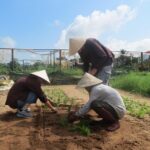
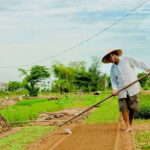
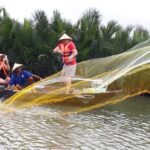
The day starts with a local guide picking you up from your hotel in Hoi An city center. Then you transfer toward the Cam Thanh Coconut Village area, which sets the tone for the experience. Even before you cook, the move out of the center helps you feel like you’re stepping into a different side of Hoi An—slower, more connected to local routines.
Once you arrive, the flow is simple:
- you move to the cooking-class area in/near the coconut village
- you get a welcome drink
- you rest at a restaurant before class begins
That break isn’t just comfort; it’s practical. You’re about to stand, chop, mix, and cook for several dishes. A short pause means you start with energy, not exhaustion.
If you’re the type who likes plans that run on time (and not chaos), this itinerary does that. Hotel pickup, transfer, welcome drink, then straight into cooking.
The Cooking Class Itself: How a Step-by-Step Chef Makes It Click
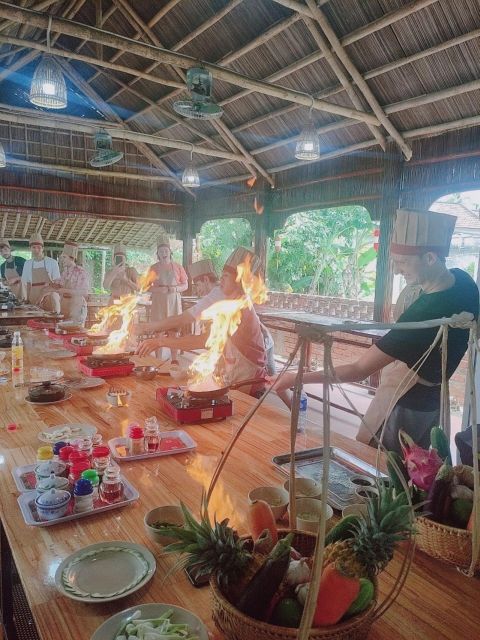
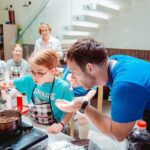
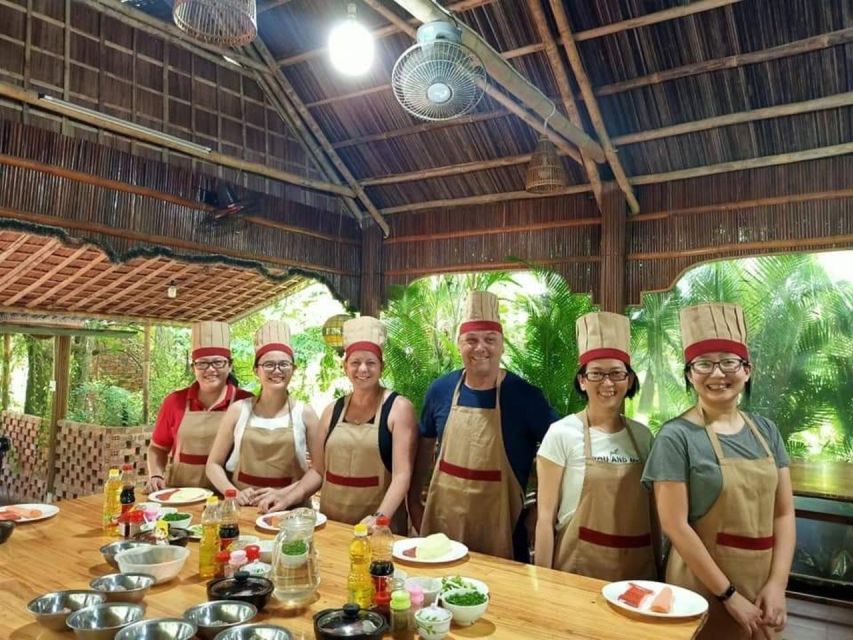
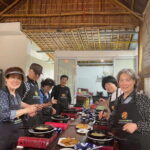
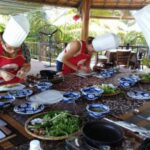
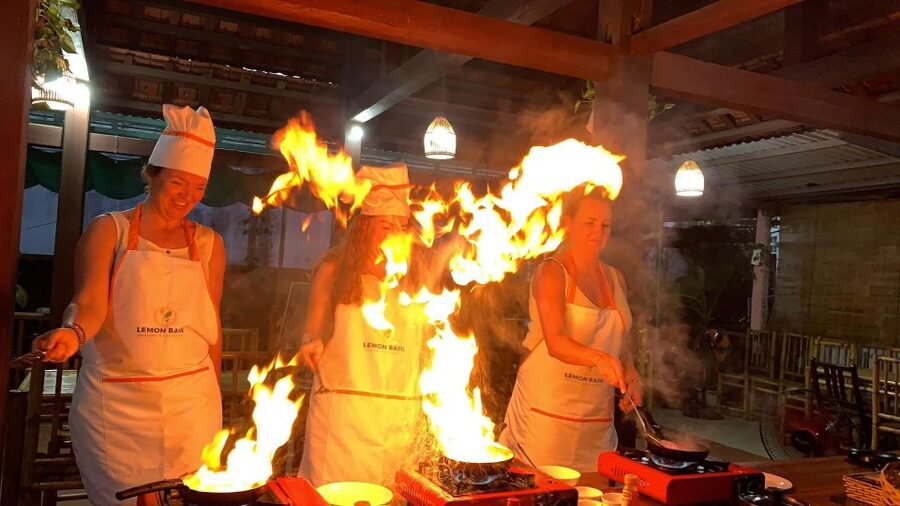
The heart of this experience is the cooking lesson with an English-speaking chef. You’ll be taught how to cook four local vegetarian dishes, one part at a time. The key is that you’re not thrown into a sink-or-swim kitchen. You follow instructions, and you can follow along.
This is especially helpful for vegetarians (and also for non-vegetarians who just want to understand the food better). Vietnamese vegetarian dishes aren’t about bland substitutes. The recipes use tofu and fresh ingredients in ways that feel like part of Vietnamese everyday cooking, not a special-case menu.
Here’s what you can expect during the class:
- you learn each dish with detailed guidance
- you work with high-quality ingredients
- you cook enough to feel ownership, not just witness a demonstration
- after the lesson, you eat what you made
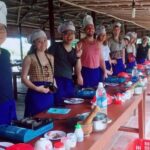
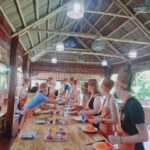
The class ends with tasting and time to talk with each other while sharing the meal. That part matters. Cooking classes can become a one-way performance. This one builds in conversation, which helps the food taste better and your notes make more sense later.
Your Menu in Plain Terms: Tofu Clay Pot, Papaya Salad, Spring Rolls, Rice Pancake
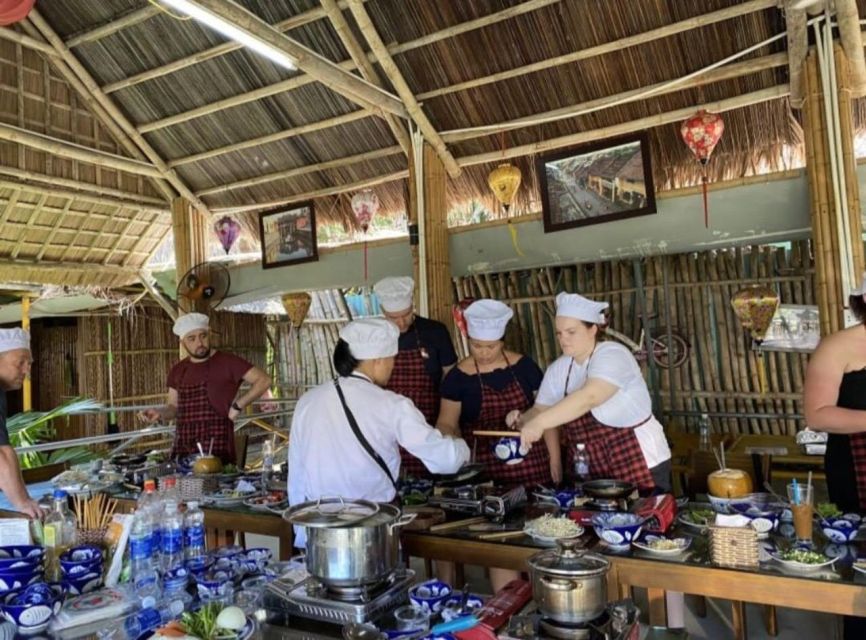
You cook a set menu that’s both recognizable and varied. That’s a smart way to learn, because it covers multiple Vietnamese flavor “modes”: savory, fresh-and-crisp, snacky and crunchy, and soft/starchy comfort.
Tofu in Clay Pot with Steam Rice
This is your warm, savory anchor dish. You’ll cook tofu in a clay pot and pair it with steam rice. Clay pot cooking is all about gentle heat and steady texture, so it tends to produce tofu that’s satisfying rather than watery. If you’ve only had tofu stir-fries, this dish shows another Vietnamese approach—cozy, hearty, and very doable at home if you keep the steps organized.
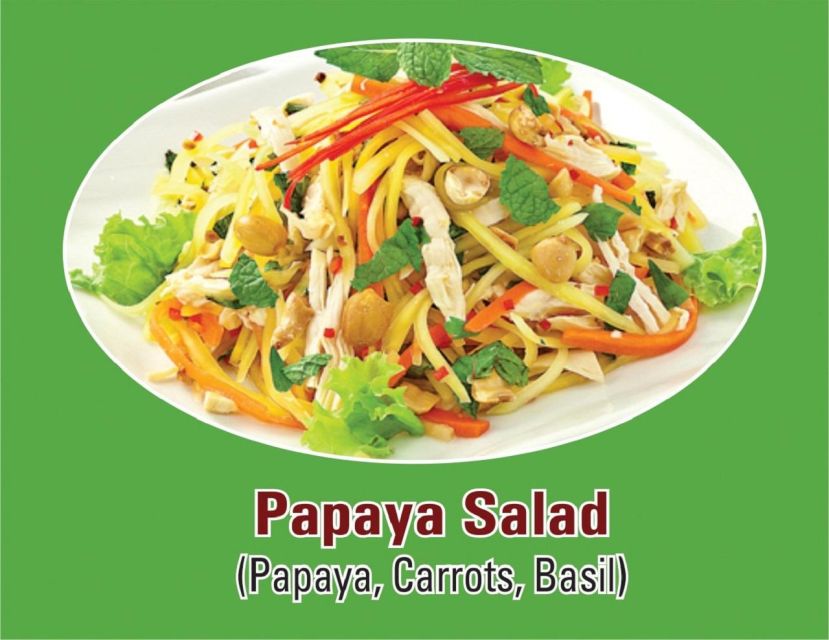
Papaya Salad (Papaya, Carrots, Basil)
Next comes something bright and fresh: papaya salad with carrots and basil. Expect a lively mix of crunch and herbs. This kind of salad is one reason Vietnamese food feels so balanced—something cool and crisp next to warm cooked items.
If you want to recreate this later, focus on two things as you cook: how the ingredients are cut (size affects texture) and how you build flavor in stages. That’s usually where people’s homemade versions go sideways.
Hoi An Spring Rolls
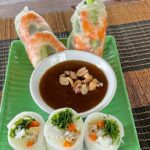
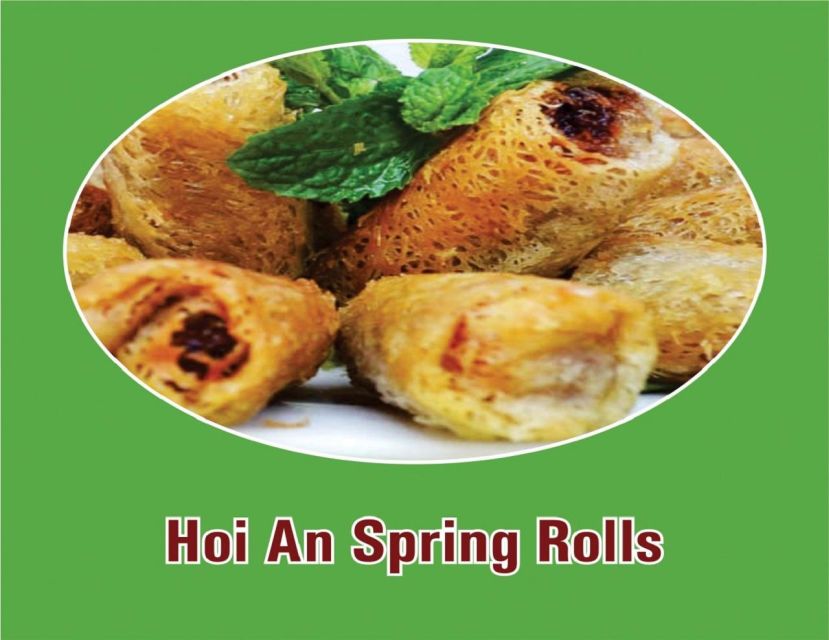
Then you move to Hoi An spring rolls. Spring rolls are a great learning dish because there’s technique in the wrapping and structure. You’ll learn how to make them as part of the class, and you’ll get to taste the result immediately, which is the fastest way to understand what works.
A practical tip: when you’re rolling, pay attention to the thickness and how you manage the filling. If you nail that part, your spring rolls at home will feel closer to the real thing.
Hoi An Rice Pancake
Finally, you make Hoi An rice pancake. This dish brings a different texture experience—soft, starchy, and comforting. It’s also the kind of food that helps you learn Vietnamese technique beyond just chopping and mixing. If you cook rice pancake well, you understand how heat and batter/body work together.
When you finish the last dish, you’re not just learning recipes. You’re learning how Vietnamese kitchens think: mix, adjust, cook, then taste.
The Meal and the Chat After Cooking: The Part You’ll Feel Good About
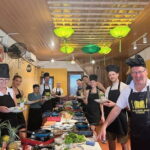
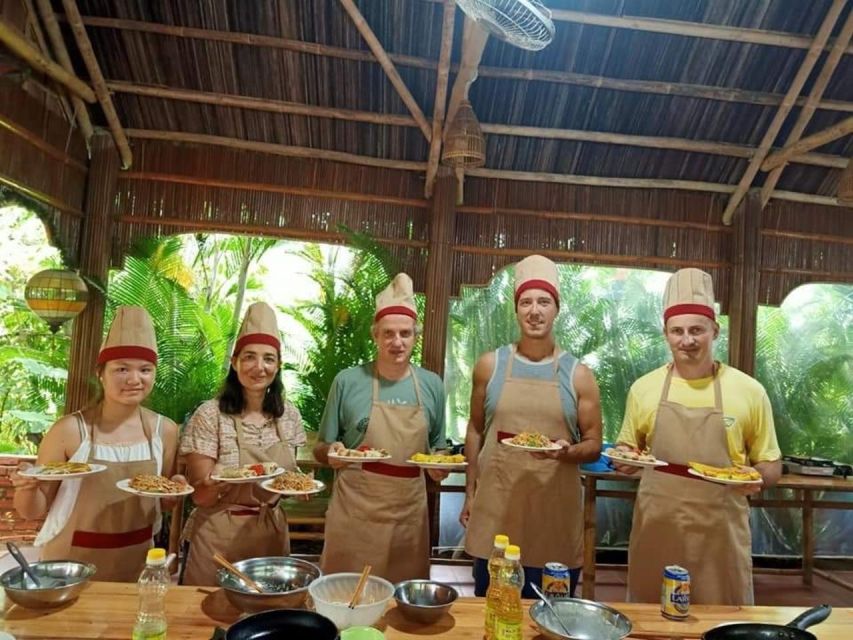
After you cook, you sit down and eat. That sounds obvious, but it’s where cooking classes often win or lose. Here, you enjoy what you have cooked, then share a meal with others. You also get time to chat with each other as you sample each other’s cooking.
This matters for two reasons:
- You confirm what you did right while it’s fresh in your memory.
- You get a quick reality check. If one dish comes out differently, you learn without judgment.
The atmosphere is designed to be relaxed and friendly. That’s exactly what you want when you’re learning something new—enough structure to guide you, but not so stiff that it feels like an exam.
What’s Included (and What You’ll Pay for) for a Smooth Budget
This class is set up to be easy on your wallet and planning.
Included:
- hotel pickup and drop-off in Hoi An city center
- an English-speaking chef
- all ingredients for the cooking class
- lunch for the morning slot or dinner for the afternoon slot
Not included:
- drinks
- personal expenses
That drinks line is the most important “hidden” cost to keep in mind. If you’re used to ordering beverages with meals, budget for it. Everything else—transport, chef, ingredients, and the food you eat—is already covered in the $24 price.
Duration is listed as 3 hours (270 minutes), so you’re looking at a half-day commitment without it taking over your whole schedule.
When You’ll Get the Most Out of It (And Who Might Skip)
This experience is best for you if:
- you want hands-on learning, not just watching cooking
- you prefer vegetarian Vietnamese dishes and want to understand them beyond takeout
- you like social experiences where you cook, eat, and chat together
- you want recipes you can replicate when you’re back home
It may not be ideal if:
- you only want a light, passive activity and don’t want to cook with your hands
- you dislike meal-based classes where part of the fun is tasting what you made
- you expect drinks to be included automatically with the meal
For most people—especially food lovers in Hoi An—this hits a sweet spot: structured enough to learn, flexible enough to feel fun.
A Few Smart Ways to Make the Recipes Last After Hoi An
You’ll leave the class wanting to replicate the dishes. To make that happen, don’t rely on memory.
Here are practical ways to keep your results consistent:
- Take note of the order you cook things. Vietnamese dishes often depend on timing.
- Focus on texture cues. For example, tofu dishes tend to change when simmering time changes.
- When you get home, shop for similar ingredients—especially for fresh components like salad items.
- Plan to re-check salt/freshness right before serving. Many Vietnamese flavors are about balance, not just one ingredient.
The best part is that you’re not starting from zero. Even if you forget exact measurements, you’ll remember the method and the feel.
Should You Book This Vegetarian Cooking Class in Hoi An?
Yes—if you want a calm, friendly way to learn Vietnamese food rather than only eat it. The combination of an English-speaking chef, a four-dish vegetarian menu, hotel pickup, and a meal you sit down to enjoy afterward makes it a straightforward value play.
I’d book it especially if you’re the kind of person who learns best by doing. When the class ends, you won’t just have photos. You’ll have recipes you can rebuild at home, plus a tasty meal and a story that starts with Cam Thanh Coconut Village.
FAQ
What dishes will I cook in this vegetarian class?
You’ll cook four dishes: Tofu in clay pot with steam rice, Papaya Salad (papaya, carrots, basil), Hoi An Spring Rolls, and Hoi An Rice Pancake.
How long is the cooking class?
The duration is listed as 3 hours (270 minutes).
Does the tour include hotel pickup and drop-off?
Yes. Hotel pickup and drop-off are included, with pickup available in Hoi An city center.
Is the chef English-speaking?
Yes. The class includes an English-speaking chef.
Are drinks included?
No. Drinks are not included.
What about kids under 3 years old?
Children under 3 years old are free of charge, but they will not join in the cooking and will share all service with their parents.