REVIEW · LAGOS PORTUGAL
Lagos: Market Tour and Cataplana Cooking Class
Book on GetYourGuide →Operated by The Kitchen - Cooking Classes & Private Events · Bookable on GetYourGuide
Your dinner starts at the fish counter. In Lagos, this Market Tour and Cataplana Cooking Class turns the Algarve’s seafood culture into a hands-on lesson, starting at the Municipal Market and ending with a completed cataplana meal you made yourself.
I especially like the way it combines two parts that often feel separate on vacation: shopping for real ingredients and then learning the traditional cooking flow that makes the dish work. Also, the class is built around a small group size (max 8), so you’re not shouting over everyone while you learn the pan.
Two things I’d put at the top of my list are the fresh ingredient picking with the chef right there in the market, and the fact that you leave with a PDF recipe to recreate what you cooked at home. The instructors also keep the mood friendly and social, including for families, so the experience feels like a shared event instead of a lecture.
One possible consideration: cataplana relies on flavor balance, and if you prefer strong seasoning, you may want to ask ahead how adjustable the seasoning is during the cooking stage. One comment noted the soup could be a bit spicier, so think of this as learning the base method first, then tweaking to taste.
In This Review
- Key highlights worth your time
- Starting in the Municipal Market of Lagos (and why that matters)
- The chef-led cataplana lesson: what you’re really learning
- Building the seafood flavors: choosing, preparing, and handling
- Assembling the traditional cataplana pan (the satisfying part)
- Eating what you cooked: meal, dessert, and wine included
- Small group energy: why max 8 changes the experience
- Who this class is perfect for (and who should think twice)
- Practical value: is $117 per person worth it?
- The language factor: English, French, and Portuguese
- Tips to get the best result (so your cataplana tastes like it should)
- FAQ
- How long is the Lagos market tour and cataplana cooking class?
- How much does it cost?
- Where does the experience start?
- What dish will you cook?
- What’s included in the meal?
- Do you receive a recipe to take home?
- What languages are offered?
- Is the group small?
- Should you book this cataplana class in Lagos?
Key highlights worth your time
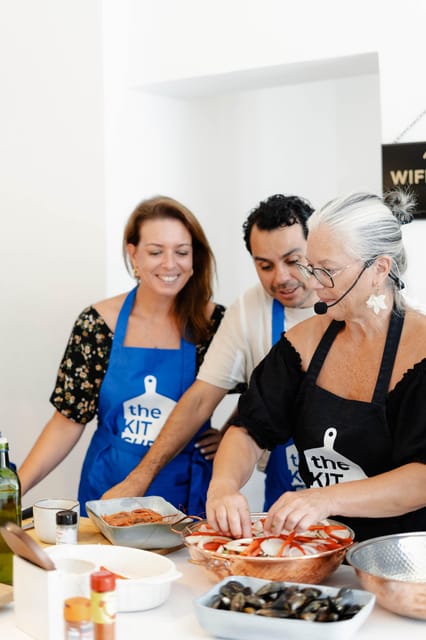
- Municipal Market of Lagos guided ingredient shopping, not just a quick walk-by
- Cataplana technique step-by-step, including assembling the dish in the pan
- Small group (max 8) so you actually get hands-on time
- Full meal included (appetizer, dessert, water, and two glasses of wine)
- Take-home PDF recipe so your version doesn’t vanish after vacation
Starting in the Municipal Market of Lagos (and why that matters)
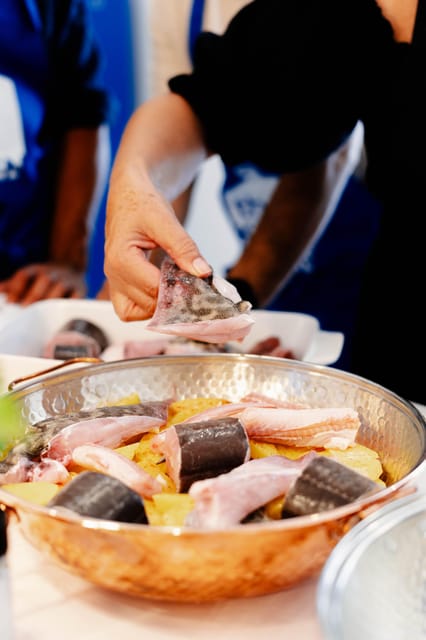
The experience begins where cataplana begins in real life: at the Municipal Market of Lagos. Instead of arriving hungry and hoping for good ingredients, you start by selecting what will go into the pan with your chef guiding the process. That’s the difference. You’re learning what to look for, not just following instructions later.
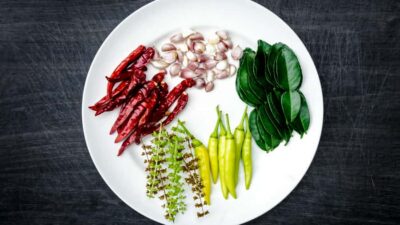
In a market setting, you also get practical context. You see the local seafood culture up close, and you understand why the Algarve cooks the way it does—often simple, often seasonal, and built around freshness. Even if you’ve cooked seafood before, this part helps you calibrate: what “fresh” actually looks like, how to think about quantities for a group meal, and how to pair seafood with the right supporting ingredients.
A small-group approach helps here. When the group is limited to 8, it’s easier to ask questions while choosing items, and you’re more likely to get chef attention instead of waiting for your turn. If you’re traveling with kids or you want a calmer pace than large tours, this structure tends to feel more natural.
The chef-led cataplana lesson: what you’re really learning
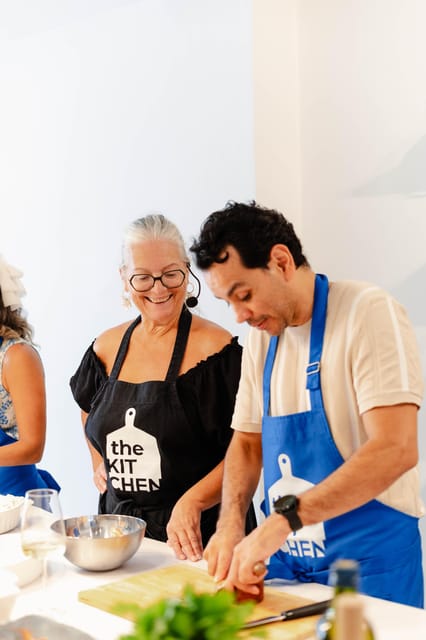
Once you’re in cooking mode, the goal isn’t just to produce a pretty plate. You’re learning a traditional cataplana approach—how to handle seafood, how to build the dish, and how to cook it so everything comes together.
Cataplana is all about the method: sealing flavors inside the pan and using heat so the seafood and aromatics share the same cooking time. In this class, you learn the process from ingredient prep through assembly, then cooking. You also get context on why the dish matters culturally in southern Portugal, which turns the recipe from “a dish I ate” into “a dish I understand.”
Here’s what makes this class especially valuable for your kitchen back home: it teaches the logic behind the steps. If you change ingredients later, you’ll have a framework to keep the results on track. That’s also why the included cookware matters. You’re not guessing how a specific pan or setup affects cooking—you’re learning with the traditional tools used for the dish.
Building the seafood flavors: choosing, preparing, and handling
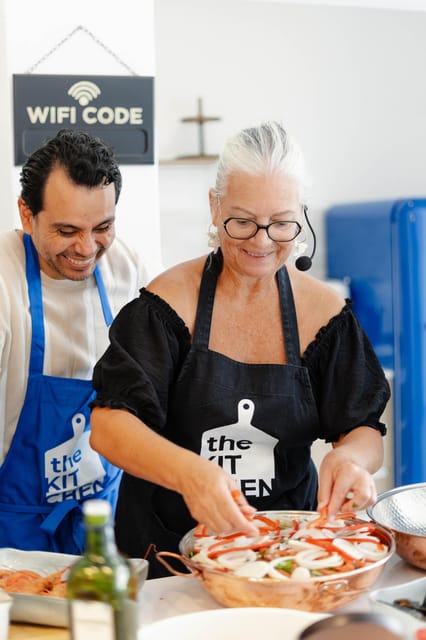
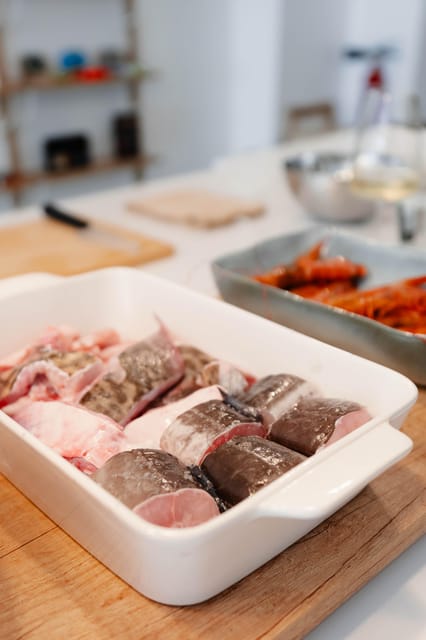
A lot of cooking classes leave out the parts that make seafood dishes succeed. This one doesn’t. You’re guided on choosing and preparing the seafood and other essential ingredients, and you get direction on what to do before anything goes into the pan.
This is also where patience pays off. Seafood can be forgiving, but cataplana requires timing and gentle handling so the texture stays right. The chef’s step-by-step instruction helps you avoid common mistakes like overcooking or under-seasoning the foundational elements.
And because you’re selecting ingredients at the market, you’re more likely to end up with the right “match” between seafood and supporting items. That’s important: cataplana flavor comes from balance. Once you taste what you made, you’ll understand why the chef nudges you toward certain choices.
Assembling the traditional cataplana pan (the satisfying part)
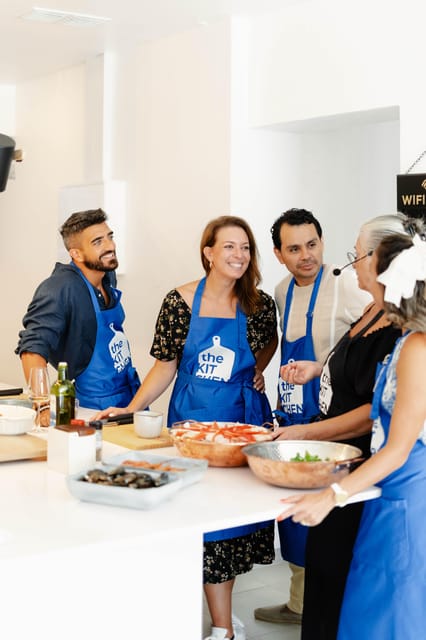
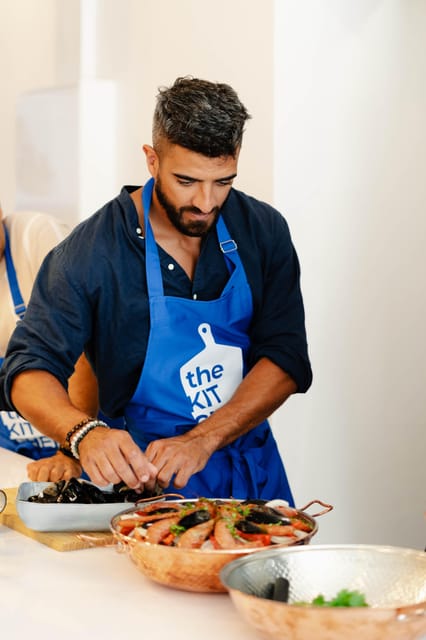
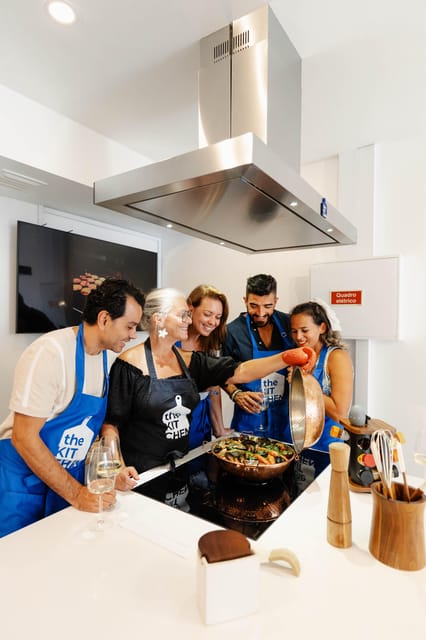
Assembling the cataplana is the moment where things start to feel real. You’re not just mixing components in a bowl—you’re putting the dish together in the traditional way, following the method taught in class.
This step is a big deal because it connects the “what” and the “how.” The pan isn’t just a container; it shapes how the ingredients mingle as they cook. Watching the pan come together also creates a little excitement, even for people who don’t usually cook. One of the most common takeaways from this style of class is that it makes you feel confident about the dish, not intimidated by it.
If you enjoy cooking with structure—recipes that have a clear build—this format fits your style. If you’re more of a free-form cook, you’ll still benefit, because you can learn the baseline method first and then personalize seasoning and sides later.
Eating what you cooked: meal, dessert, and wine included
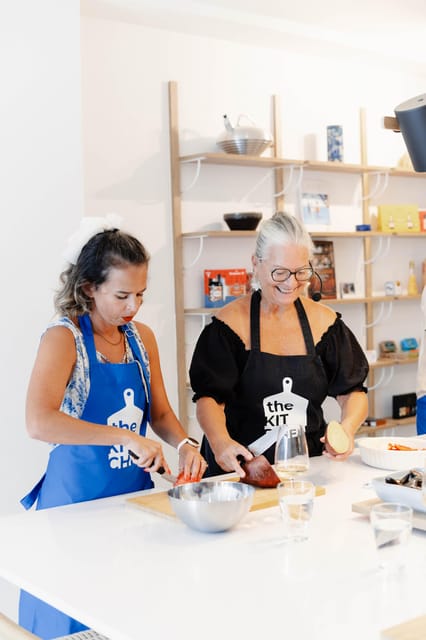
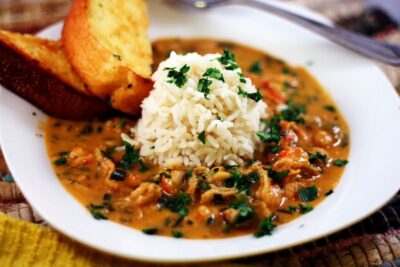
The experience ends with a full meal so you can actually taste the cataplana you made, alongside an appetizer and dessert. Water is included, and you also get two glasses of wine.
That matters more than it sounds. Food classes sometimes end after the cooking steps and leave you hungry or rushing. Here, the meal time helps you slow down and learn through taste. You can identify how the flavors changed from the raw ingredients to the finished dish, and you’ll notice what you did that worked.
It also helps you spot your personal adjustments for next time. If you think it needs more punch, you’ll know where that punch should go—during cooking, in finishing, or in seasoning choices before assembly.
Small group energy: why max 8 changes the experience
A small group limited to 8 participants is a quiet quality upgrade. It changes everything about attention and pace. In this kind of class, someone needs to show you the steps, then check that you’re doing them correctly, then explain what to watch for as the dish cooks.
With a bigger class, you can easily spend the time waiting for the instructor. With a smaller group, you’re more likely to get quick feedback, and the chef can answer questions as they come up. This is especially useful if you’re cooking with kids or you simply want time to learn without feeling rushed.
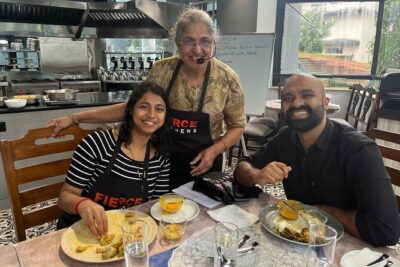
The social feel also comes through in the market portion and the cooking portion. People end up chatting, sharing what they’re choosing, and comparing how their dish is progressing. You don’t have to be a foodie to enjoy that part. You just have to be curious, and you’ll be in good shape.
Who this class is perfect for (and who should think twice)
This is a strong match if you want:
- A food experience in Lagos that goes beyond eating and actually teaches you techniques
- A chef-guided market visit where you learn what to pick and why
- A take-home recipe that’s meant for real cooking later, not just a memory
It can also be a good family option. The class has worked well with an 11-year-old in at least one booking, largely because the chef/instructors kept the activity engaging and explained things in a way that wasn’t too heavy.
If you’re the type who already knows cataplana and just wants to taste it, this might feel like more learning than you need. And if your primary goal is heavy hands-on cooking with no meal components, you may find the structure of the experience more “guided” than “DIY.”
Practical value: is $117 per person worth it?
At $117 per person, the price isn’t a “cheap snack” level. But it makes sense when you count what’s bundled.
You’re getting:
- A guided market tour where ingredients are selected with your chef
- All ingredients and traditional cookware needed for the dish
- A full meal (appetizer, dessert, water)
- Two glasses of wine
- A take-home PDF recipe
When cooking classes charge separately for ingredients, cookware, and meals, the total adds up fast. Here, the package is designed so you’re paying for the chef time, the market guidance, the meal, and the recipe handoff in one go. If you value instruction and you’d rather learn the method than rely on online guessing later, you’ll likely feel it’s good value.
The language factor: English, French, and Portuguese
The class runs in English, French, and Portuguese. That’s helpful because you can choose a session that matches your comfort level. Clear language support makes a real difference when you’re learning cooking steps and seafood handling.
If you’re traveling as a mixed-language group, having multiple supported languages can reduce the frustration of trying to learn through translation. It also tends to keep the pacing smooth, since the instructor can explain each step in the group’s shared language.
Tips to get the best result (so your cataplana tastes like it should)
You’ll learn the method in class, but a few choices on your side can help your outcome:
- Ask how you can adjust spice and seasoning to your taste. One feedback point suggested the dish could be a bit more spicy, which is useful to know.
- Pay attention during assembly. If you understand how the pan is built, you’ll be able to recreate it later using your own kitchen tools.
- When you taste your finished dish, note what you’d change next time. The class ends with a meal for a reason: it helps you connect learning to flavor.
Also, plan to enjoy this as an experience, not just a task. The market-to-cooking flow works because it’s paced as a story: choose ingredients, cook with technique, eat with satisfaction.
FAQ
How long is the Lagos market tour and cataplana cooking class?
The class lasts 3 hours 30 minutes.
How much does it cost?
The price is $117 per person.
Where does the experience start?
It starts with a guided tour of the Municipal Market of Lagos, where you select ingredients.
What dish will you cook?
You’ll learn to cook cataplana, a traditional Portuguese seafood dish.
What’s included in the meal?
You’ll have a complete meal with an appetizer, dessert, water, and two glasses of wine.
Do you receive a recipe to take home?
Yes. After the experience, you’ll receive a PDF of the cataplana recipe.
What languages are offered?
The class is available in English, French, and Portuguese.
Is the group small?
Yes, the group is limited to 8 participants.
Should you book this cataplana class in Lagos?
Book it if you want a Lagos experience that stays practical: market shopping with a chef, a method you can repeat, and a real meal at the end. The price looks fair when you consider the market guidance, all ingredients and cookware, the wine, and the recipe PDF.
Skip or rethink it only if you already cook cataplana comfortably and your main goal is just tasting, not learning. For most people, though, this is the kind of class that turns a vacation dinner into a skill you can use at home.