REVIEW · BARBADOS
Cook like a Bajan cooking class
Book on Viator →Operated by Lick De Bowl Food Tours · Bookable on Viator
Cooking with a local changes everything. In this 3.5-hour small-group class in Barbados, you learn a traditional Barbadian dish from scratch, pick up how spices and seasonings work, then sit down to eat what you made. The biggest plus is that it is hands-on and practical, guided by a local cook who actually works around real ingredients and real kitchens.
I love the focus on learning, not just watching. I also love that lunch is included, so the class ends with a satisfying payoff instead of a quick photo-op. One thing to consider: you will be in a working kitchen and you’ll need to follow the rules for clothes, covered legs, and the provided hair covering and gloves.
You start at Christ Church and the whole experience loops back there when it’s done, so it’s easy to plug into a day of beach time and dinner planning. If you want to bring home more than a flavor memory, this is built for that.
In This Review
- Key things to know before you cook
- Getting oriented at Christ Church and stepping into the kitchen
- What you’ll cook in a traditional Bajan style (and how spice swaps help later)
- Hands-on prep, cooking, and presentation: how the session really moves
- Lunch included: eating what you cooked (and why it feels like the point)
- Price and value: why $160 makes sense for a local-taught class
- Who this cooking class fits best (and who might want to skip it)
- Practical details you should plan for (clothes, shoes, hair, gloves)
- Group size, flexibility, and what the local cook might do for your menu
- Should you book it? My take
- FAQ
- Where does the class start and end?
- How long is the cooking class?
- Is this a private experience?
- What group size should I expect?
- What’s included in the price?
- What should I wear?
- Do I need private transportation?
- What’s the food situation if I want a vegetarian option?
- How far in advance should I book?
Key things to know before you cook
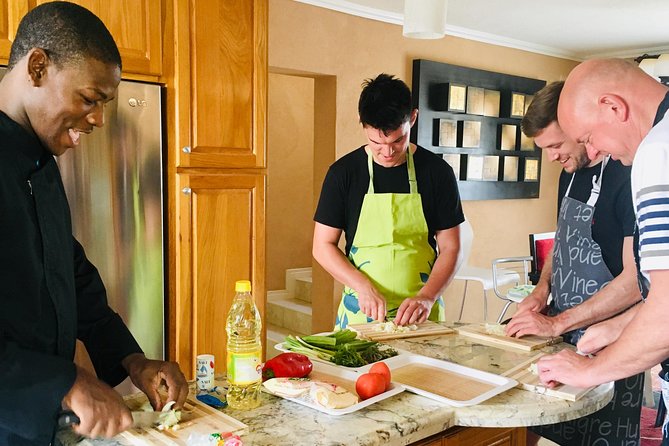
- Small private setup (up to 10 in the private class format) keeps it hands-on and gives you time to ask questions.
- Local chef guidance means you learn the why behind the seasoning, plus how to swap ingredients later.
- All food, utensils, and aprons provided so you can show up without hunting for anything.
- Lunch included makes the meal part of the value, not an add-on.
- Approved kitchen time with extra kitchen rules (shoes, sleeves, hair coverings) keeps the experience smooth.
- Good weather matters, since the class is described as weather-dependent.
Getting oriented at Christ Church and stepping into the kitchen
You meet at Christ Church, Barbados at 11:30 am. The class runs for about 3 hours 30 minutes, and it ends back at the meeting point, so you’re not left figuring out transport after lunch. There’s no private transportation included, so plan to get yourself to Christ Church and stay local during the experience.
Once you arrive, expect the session to shift quickly from introductions to station setup. This is not a sit-and-spectate show. It’s designed for active cooking, with you getting your hands involved and learning in real time.
Also, since the experience is private group only, you’re not sharing the kitchen with random strangers. That matters if you’re traveling with family, friends, or anyone with strong food preferences (including vegetarian requests—more on that below).
What you’ll cook in a traditional Bajan style (and how spice swaps help later)
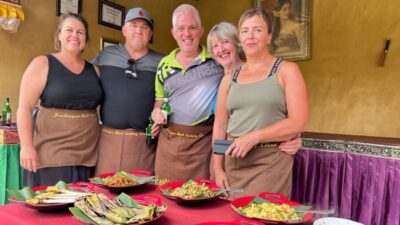
The class centers on making a traditional Barbadian dish in a Bajan style, with step-by-step guidance by a local chef. You will learn about the spices and seasonings commonly used in Bajan cooking, and you’ll also learn what substitutions can work when you’re cooking at home.
That “substitution” part is where this class starts paying dividends. Even if you can find some Caribbean ingredients in your own country, you might not find the exact same version, freshness, or spice blend. Knowing what can replace what helps you recreate the flavor profile without turning your kitchen into a scavenger hunt.
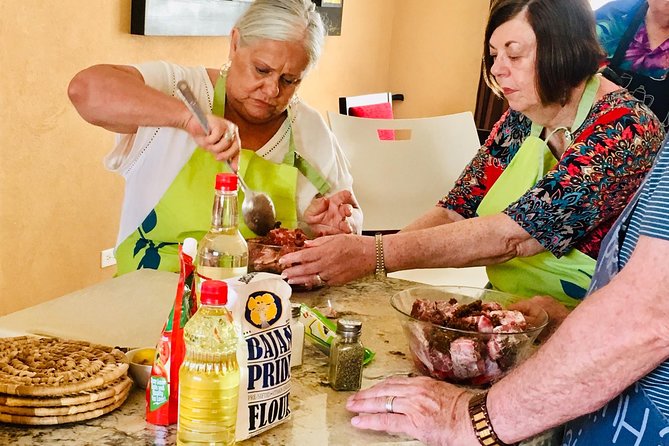
The exact dish can vary by class, but the overall approach stays the same: prep, seasoning, cooking, and finishing with presentation as a group. One review mentioned the class leaned into lamb, and the group ended up cooking more than they could comfortably eat—so portions can be generous, and you should come ready for lunch.
Hands-on prep, cooking, and presentation: how the session really moves
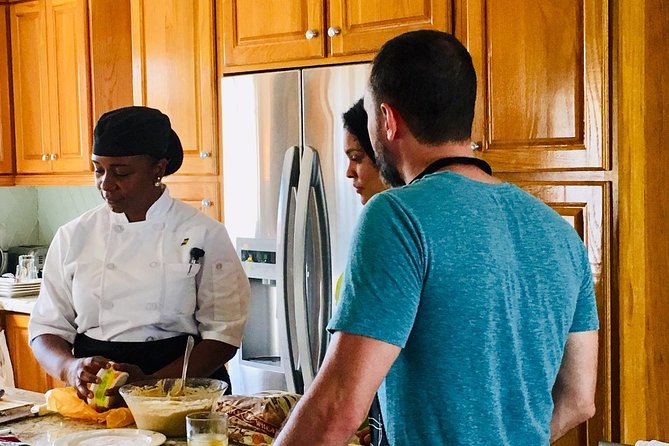
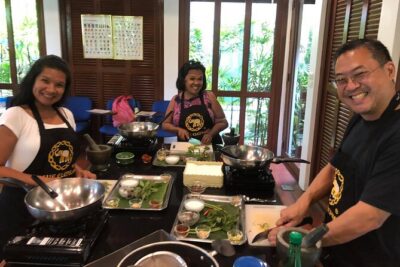
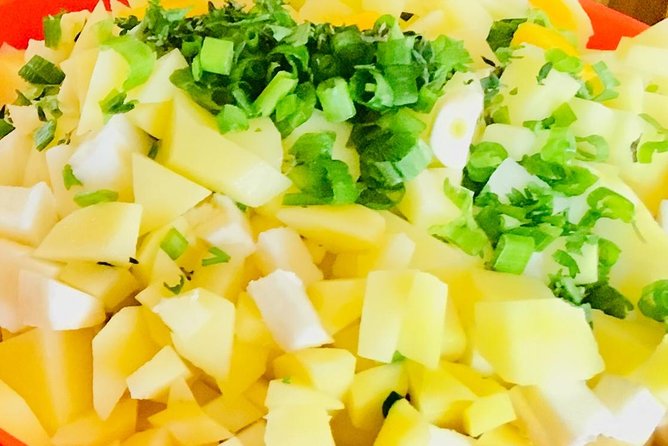
This is a true cooking class format. After you’re set up, you’ll follow the cook’s guidance through the process from start to finish: preparation, cooking, and plating. You’re not only learning steps; you’re learning how the chef thinks—what to watch for, how seasoning changes as heat hits it, and how to adjust when the kitchen is busy.
The small group size is a big deal here. The private class format is described as instruction for up to 10 people, which gives you room to work and ask questions. In the broader description of the experience, the operator also references step-by-step guidance for groups up to 20. Either way, the teaching style is meant to be guided, not chaotic, but you should expect the pace and attention to feel best in the smaller private setup.
A clean kitchen also makes a difference, and one review highlighted how spotless the kitchen was—cleaner than the reviewer’s own at home. That’s not just a comfort thing. A tidy prep area makes it easier to follow along, because you can focus on the food instead of the mess.
Lunch included: eating what you cooked (and why it feels like the point)
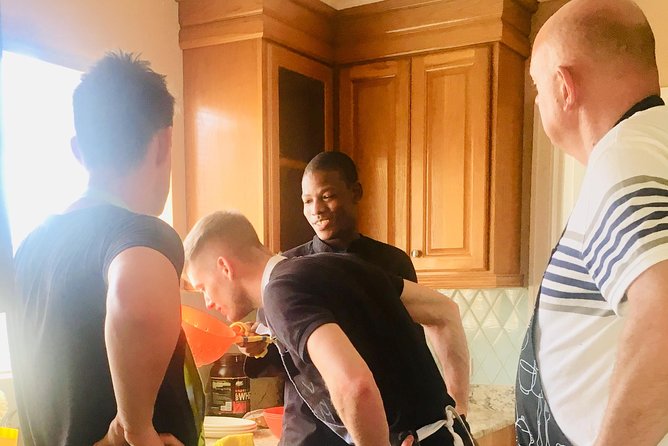
After the cooking, you eat the meal together. That might sound obvious, but in a lot of travel classes the “meal” is an afterthought. Here, lunch is built into the experience flow: cook, then sit down with the group and enjoy the dish you made.
That structure makes it easier to connect the lessons to flavor. When you taste your finished plate, you’re not guessing what went into it. You remember the seasoning decisions you made during prep, and you can start thinking about how you’d repeat the steps at home.
And because portions can be satisfying—one class involved lots of lamb—don’t plan a second meal immediately after. This is a real lunch, not a sampler tray.
Price and value: why $160 makes sense for a local-taught class
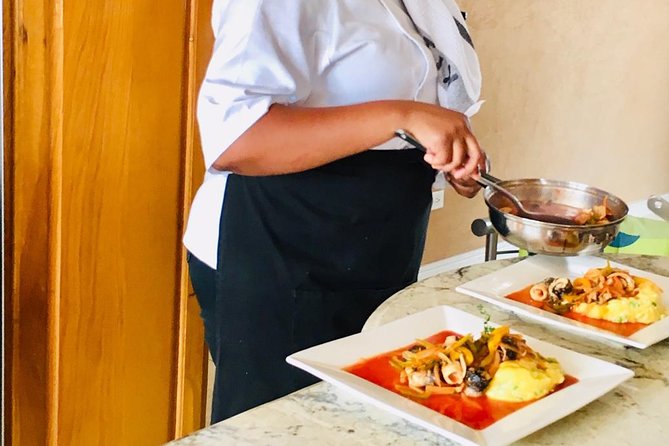
At $160 per person, this is not a budget add-on. But it does include the parts that usually make cooking classes expensive: a local-led kitchen session, ingredients, tools, and lunch. You also get the practical learning goal—understanding spice use and substitutions—so you’re paying for more than entertainment.
Add in the small-group format (private experience only) and the “you only cook with your group” feel, and the value calculation shifts. For a group of friends, couples, or a small family unit, it often comes out more reasonable than trying to assemble multiple paid activities just to cover food, learning, and a meal.
Also, the class provides aprons, utensils, and everything needed for the meal. You’re not paying extra at the last minute to get access to a kitchen or supplies. For many people, that’s a big part of what makes it feel fair.
Booking-wise, the experience is often reserved well ahead—on average 76 days in advance. That’s a hint that dates can fill, so if you have a tight travel schedule, I’d treat it as something to lock in early rather than leaving it to the last minute.
Who this cooking class fits best (and who might want to skip it)
You’ll probably love this if:
- You want real instruction on seasoning and spice use, not just a plated dish.
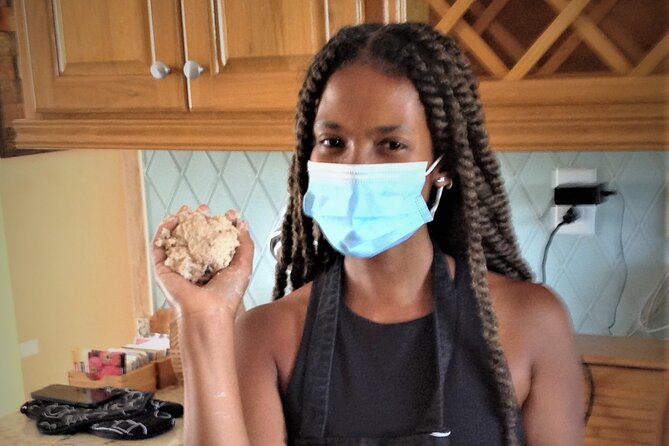
- You enjoy hands-on learning where you get to cook as much as you talk.
- You like the idea of learning substitutions so you can recreate the dish back home.
- You travel with a small group that wants an experience tailored to them (private group only).
You might not love it if you:
- Hate following kitchen rules or don’t want to wear hair coverings and gloves.
- Have mobility limitations that make stairs difficult. The experience notes this is not suitable for severe mobility restrictions or people who have difficulty climbing stairs.
- Want a low-effort activity. This is active cooking, and the rules are there for safety and cleanliness.
If you’re a foodie who likes to come home with a repeatable skill, this class fits your style. It also works well for people who want a taste of Barbados that goes beyond walking through a market and buying ingredients.
Practical details you should plan for (clothes, shoes, hair, gloves)
This class comes with kitchen safety and hygiene requirements. You must wear:
- Enclosed shoes
- Sleeved shirts or blouses
- Covered legs (trousers, jeans, long skirts)
- Jewelry that is removed or covered
- A willingness to wear provided hair net or coverings
- A willingness to wear provided gloves
Those rules are not there to be fussy. In a working kitchen, they help keep hair and hands out of food and keep the workflow steady. If you show up in flip-flops or a sleeveless top, you’ll run into a problem right away.
Also note that the class is described as requiring good weather. If weather is poor, it may be canceled with an option for a different date or a full refund.
Group size, flexibility, and what the local cook might do for your menu
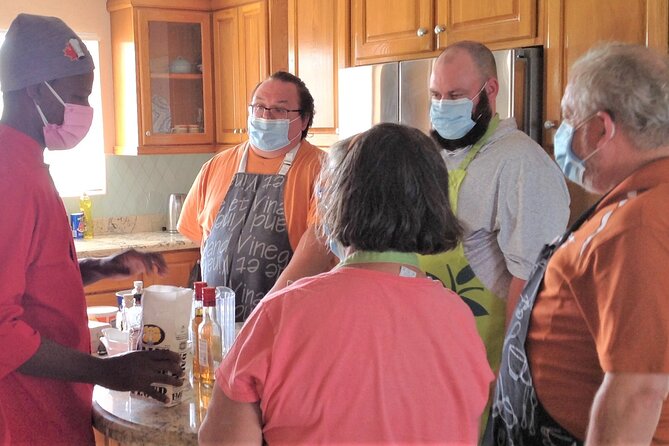
The private class is described as for up to 10 people in the private setup, and the general description mentions guidance for groups up to 20. Either way, the goal is step-by-step teaching so you can follow along while cooking.
Flexibility is part of the appeal. One review described a group wanting a vegetarian dish, and the cook went out of their way to find breadfruit from a neighbor’s tree because it wasn’t in store season. That’s exactly the kind of local problem-solving you can’t replicate by just buying ingredients at a market.
You should still remember that the dish is a traditional Barbadian favorite and will follow what’s realistic for the kitchen at that time. But the overall sign here is strong: the chef can respond to your preferences when it’s possible.
Finally, while lunch is included, the class is still a group cooking experience. You’ll be working together, and you’ll likely take your role seriously because everyone is eating what you make.
Should you book it? My take
Book this if you want a local-taught cooking skill you can repeat, not just a one-time meal. The class has a strong payoff: you learn how spices and seasonings work, you practice the steps in a real kitchen, and then you eat what you cooked.
Skip it if you need a totally hands-off experience or if you’re dealing with mobility limits involving stairs. Also, if you dislike wearing hair coverings and gloves, plan on adjusting how you pack and dress.
If you’re traveling as a small group and you can get there from Christ Church on time, this is a high-value way to spend part of your day in Barbados—tasting, cooking, and bringing home a flavor plan you can actually use.
FAQ
Where does the class start and end?
It starts at Christ Church, Barbados and ends back at the same meeting point.
How long is the cooking class?
It lasts about 3 hours 30 minutes.
Is this a private experience?
Yes. It’s offered as a private group experience only, with only your group participating.
What group size should I expect?
The private cooking class is described as instruction for up to 10 people, and the general description also references step-by-step guidance for groups up to 20.
What’s included in the price?
The class includes all aprons, utensils, and food needed, and you also get lunch.
What should I wear?
You need enclosed shoes, sleeved clothing, and covered legs. You’ll also need to remove or cover jewelry and be willing to wear provided hair coverings and gloves.
Do I need private transportation?
Private transportation is not included. The class starts and ends at Christ Church.
What’s the food situation if I want a vegetarian option?
The class can include guidance for different preferences. One review described a group request for a vegetarian dish, and the cook made an effort to source an ingredient when it wasn’t available in stores.
How far in advance should I book?
On average, it’s booked about 76 days in advance, so booking early is a smart move if you have specific travel dates.