REVIEW · GOA
Traditional Indian Cooking Class in Goa, Anjuna [vegetarian]
Book on Viator →Operated by Project Tres · Bookable on Viator
A real Goa cooking class beats restaurant tasting every time. In Anjuna, this vegetarian class is run by local women in a small village setting, focused on aromatic spices and homemade flavor. You’ll also get a direct look at how the project supports women’s economic development.
What I really like is the warm welcome and how relaxed the whole meal-and-cook flow feels. You get time to help with prep, and you’ll sit down together at the end to eat what you made. One consideration: the pace can be fast, and some parts may feel more like watching-and-assisting than a step-by-step lesson.
I love the “hands-on, but not stressful” approach. Many people want to chop, stir, and actually participate, and this class encourages joining in. I also like that you learn why spices matter, including the Ayurvedic side of the story, not just the recipe steps.
The main drawback to plan for is that instruction can vary in how much detail you get while the food is cooking. If you want maximum teaching time and slower pacing, you’ll want to speak up early and ask to do more.
In This Review
- Key things to know before you cook in Anjuna
- Project Tres in Anjuna: a women-led village kitchen setup
- Spices and Ayurveda: what you learn and why it matters
- The 5-dish vegetarian menu: what you can expect to make
- Hands-on time vs watching: how to get the most from the cooking session
- The group size and timing that make it feel personal
- Food comfort and floor seating: chairs are possible
- Responsible tourism in action: why this class feels different
- Price and value: what $39.27 really buys in Goa
- Who should book this vegetarian Indian cooking class in Anjuna
- Should you book this tour?
- FAQ
- How long is the cooking class?
- Where does the class start?
- Is the menu vegetarian?
- Will I have to sit on the floor?
- Do they use mineral water?
- How many people are in the group?
- What if I have dietary requirements or allergies?
- Is the experience weather-dependent?
- What is the cancellation window?
Key things to know before you cook in Anjuna
![Traditional Indian Cooking Class in Goa, Anjuna [vegetarian] - Key things to know before you cook in Anjuna](https://b.cookingtravelguide.com/wp-content/uploads/traditional-indian-cooking-class-in-goa-anjuna-vegetarian-1.jpg)
- Women-led Project Tres kitchen in a village community behind Anjuna’s main activity
- 5 vegetarian dishes with mineral water used for prep and serving
- Ayurvedic spice talk tied to what you’re cooking (not just flavor, but purpose)
- Max 6 people, so it stays personal
- Floor seating is traditional, but chairs and bench seating can be arranged
- Join-in encouragement, with a chance to cook more if you want to
Project Tres in Anjuna: a women-led village kitchen setup
![Traditional Indian Cooking Class in Goa, Anjuna [vegetarian] - Project Tres in Anjuna: a women-led village kitchen setup](https://b.cookingtravelguide.com/wp-content/uploads/traditional-indian-cooking-class-in-goa-anjuna-vegetarian-2.jpg)
Anjuna is famous for its energy, markets, and late-day hangouts. This cooking class starts somewhere quieter: Project Tres Centre, in a small village community with a real home-kitchen feel. The goal isn’t showy entertainment. It’s about sitting down where people cook every day—and learning how that food culture works.
Project Tres is a women’s initiative aimed at economic development, with the cooking classes tied directly to the women running the program. That matters because you’re not just buying a cooking show. You’re supporting the work behind it. If you care about responsible travel, this style of experience gives you something more than a recipe card.
Timing is also friendly for a late afternoon in Goa. The class starts at 3:30 pm and lasts about 3 hours. You don’t need to plan a full day around it, and it’s a nice way to get a Goa experience that’s not centered on beaches and taxis.
You can also read our reviews of more tours and experiences in Goa.

Spices and Ayurveda: what you learn and why it matters
This isn’t a generic “add spice A to spice B” class. The hosts focus on aromatic, Ayurvedic properties of spices alongside taste and cooking function. That’s the kind of knowledge that actually helps you cook later—because it explains why an ingredient belongs in the dish, not only what it looks like.
In practice, you’ll spend part of the time learning about spices in a way that connects to the meals you’re making. You’ll also hear how spices fit into Indian home cooking and food culture. Even if you don’t memorize every term, you’ll start noticing patterns: heat isn’t only about chili, aroma isn’t only about smell, and spices often do multiple jobs at once.
Also, the class uses mineral water for preparation and serving. That’s a small detail, but it reduces the usual travel-day uncertainty about what you’re drinking and where it came from.
The 5-dish vegetarian menu: what you can expect to make
![Traditional Indian Cooking Class in Goa, Anjuna [vegetarian] - The 5-dish vegetarian menu: what you can expect to make](https://b.cookingtravelguide.com/wp-content/uploads/traditional-indian-cooking-class-in-goa-anjuna-vegetarian.jpg)
You’ll cook a 5-dish vegetarian menu using local ingredients. That phrase is doing real work: “local” here isn’t just marketing. You’re learning the kind of produce and spice combos people can reliably get in Goa and nearby regions, which makes the food easier to recreate once you’re back home.
The menu likely isn’t all one-note “curry after curry.” Instead, you’ll get a mix of dishes that together show how Indian meals are built—something saucy, something aromatic, something that balances textures, and a final meal you can enjoy right away. What’s consistent is that everything stays vegetarian, so you can go in with confidence if that’s your dietary preference.
And yes, you eat what you cook. The end of the class is a sit-down meal together, which is where the experience clicks. You don’t just leave with food smells on your hands—you leave with food in your belly and an understanding of how it all works together.
Hands-on time vs watching: how to get the most from the cooking session
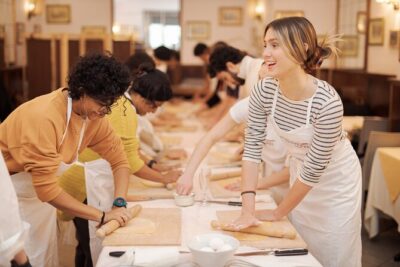
This class is hands-on, but it’s not staged to let every step be slow and perfect. Some people love that relaxed flow and end up doing lots of prep and cooking. Other people find the hosts move quickly and they spend more time helping with chopping than learning every detailed step.
Here’s the practical way to make it work for you:
- If you want to cook more, say so early. Ask to do the mixing, the stirring, and anything you can take ownership of.
- If you want more explanation, ask questions during the fast parts. You’ll get more out of it than waiting for the quieter moments.
- If you’re comfortable with a kitchen rhythm where the hosts lead, treat your role as co-cooking—watch, learn the pattern, then repeat.
There’s also a communication factor. The hosts speak their native languages during the cooking process, and English explanations may be limited at certain moments. That doesn’t stop you from learning, but it can change how much you feel you’re being taught in real time. If you’re the type who learns best through doing, you’ll likely still have a good time.
The upside is that the warmth is real. Many people report laughter, a welcoming vibe, and encouragement to join in. The most consistent praise is the overall feel: you’re a participant more than an outsider waiting for a plate.
The group size and timing that make it feel personal
![Traditional Indian Cooking Class in Goa, Anjuna [vegetarian] - The group size and timing that make it feel personal](https://b.cookingtravelguide.com/wp-content/uploads/traditional-indian-cooking-class-in-goa-anjuna-vegetarian-4.jpg)
With a maximum of 6 travelers, you don’t get stuck in a crowd. This helps in two ways. First, you can actually see what’s happening at the counter. Second, the hosts can manage you as individuals—like adjusting help for your comfort level in the kitchen.
Start time is 3:30 pm, which is great in Goa. You dodge the hottest stretch of the day, and you’re not rushed into a late-night dinner plan. It also fits well if you’ve already been exploring Anjuna in the morning and early afternoon. You can head over, cook, eat, and then still have time to unwind afterward.
The meeting point is Project Tres Centre at Dmello Vaddo, Anjuna, Goa 403509. The activity returns back to the meeting point at the end.
Food comfort and floor seating: chairs are possible
This class is prepared traditionally, which means you should expect floor seating. If your body doesn’t love sitting on the ground, don’t just hope it will be fine. The organizers specifically note that if you need a chair, you should let one of the ladies know.
In other words: you have options. Some people find there are plenty of chairs and bench seating available. Still, it’s smart to ask up front so you’re not dealing with a cramped setup while everyone else is settling in.
Comfort tip: wear something you can move in without fuss. The kitchen rhythm can involve sitting, standing, and leaning forward depending on what’s being prepped at that moment.
Also, the class uses mineral water for preparation and serving. If you’re cautious about hydration while traveling, that detail is worth paying attention to.
Responsible tourism in action: why this class feels different
A lot of cooking classes claim to support a cause. This one is connected to the women running the project, and it explicitly ties each class to economic development efforts.
I like how straightforward that is. You get a real cultural activity—spices, home cooking, and local ingredients—while the revenue and attention support the women involved. It’s not just a feel-good add-on. It shapes the whole setup and what the hosts prioritize: welcoming you, sharing their process, and keeping the project moving forward.
It also helps that the class is described as a work in progress, with ongoing improvement of how the experience runs. That doesn’t mean it’s sloppy. It just means you’re stepping into a living project, not a perfectly standardized machine.
Price and value: what $39.27 really buys in Goa
At $39.27 per person for about 3 hours, you’re paying for more than ingredients. You’re paying for:
- Local instruction from the women running the project
- A 5-dish meal experience (you cook and then eat)
- A small group format (max 6) that’s easier to learn from than mass classes
- Mineral water for prep and serving
- A cause-connected model that supports women’s economic development
If you compare it to a paid cooking class that’s strictly touristy—or to a meal plus a tour where you don’t get much cooking time—this price starts to make sense. The value is highest if you show up ready to participate: chop, ask questions, and take the invitation to join in.
If you want a super structured, slow, highly detailed English lecture-style lesson, this may not feel like that. But if you want practical cooking exposure in a real home kitchen atmosphere, the price looks fair.
Who should book this vegetarian Indian cooking class in Anjuna
Book it if you want:
- A vegetarian cooking experience in Goa
- An intimate, small-group kitchen setting
- Spice learning with an Ayurvedic angle
- A responsible tourism activity where your class helps the women running the project
Consider skipping or planning carefully if:
- You need maximum step-by-step teaching in English at every moment
- Floor seating is a deal-breaker and you don’t want to request a chair/bench setup
- You’re only interested in hands-on cooking and feel uncomfortable if you must sometimes watch while the hosts work quickly
This class tends to suit food lovers who learn by doing. If that’s you, you’ll likely leave with both recipes and confidence.
Should you book this tour?
Yes—if you’re going for an authentic, women-led Goa experience and you’re okay with a kitchen pace that feels like home. The big wins are the welcoming vibe, the encouragement to join in, the 5 vegetarian dishes, and the chance to eat together right after cooking.
If you’re picky about being taught every single step slowly, message ahead (or ask early in person) for extra instruction and more chances to cook. Also, tell them right away if you need seating that’s not on the floor. That small step can turn a good class into a great one.
FAQ
How long is the cooking class?
The class lasts about 3 hours.
Where does the class start?
It starts at Project Tres Centre, Dmello Vaddo, Anjuna, Goa 403509, India (and ends back at the meeting point).
Is the menu vegetarian?
Yes. This class is fully vegetarian and includes a 5-dish menu.
Will I have to sit on the floor?
The class is prepared traditionally and you should be prepared to sit on the floor. If you need a chair, you should let one of the ladies know, and chairs/bench seating may be available.
Do they use mineral water?
Yes. Mineral water is used for preparations and for serving guests.
How many people are in the group?
The class has a maximum of 6 travelers.
What if I have dietary requirements or allergies?
You should advise the organizers of any dietary requirements or allergies.
Is the experience weather-dependent?
It requires good weather. If it’s canceled due to poor weather, you’ll be offered a different date or a full refund.
What is the cancellation window?
You can cancel for a full refund up to 24 hours in advance of the experience start time.