REVIEW · GOA
Culinary Experiences by Fierce Kitchens (Cooking class)
Book on Viator →Operated by Fierce Kitchens · Bookable on Viator
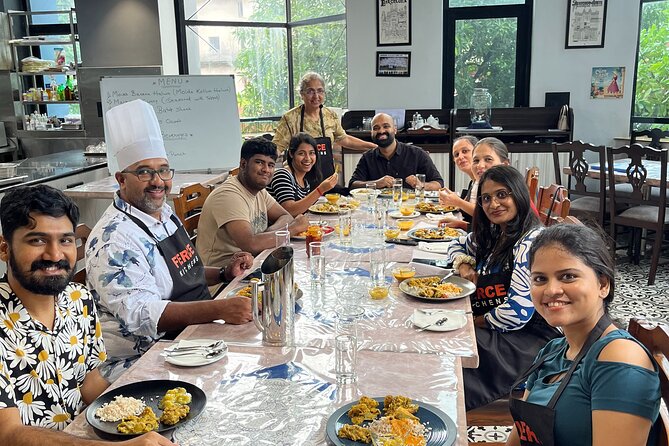
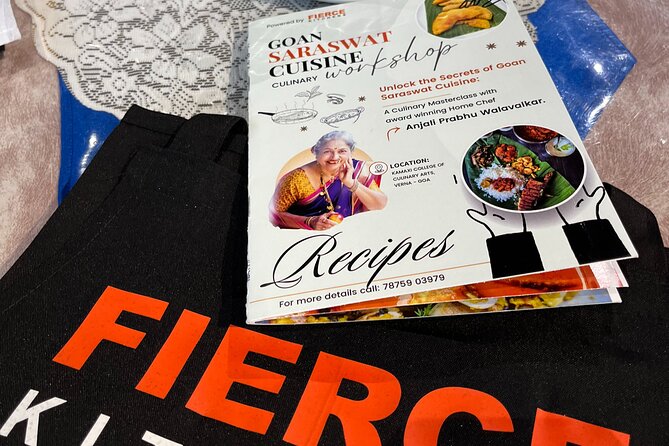
Goa tastes better when you cook it. At Fierce Kitchens, you’ll join Chef Anjali Prabhu Walavalkar for a hands-on vegetarian workshop that spotlights authentic Goan and Saraswat flavors, then sit down to a proper lunch.
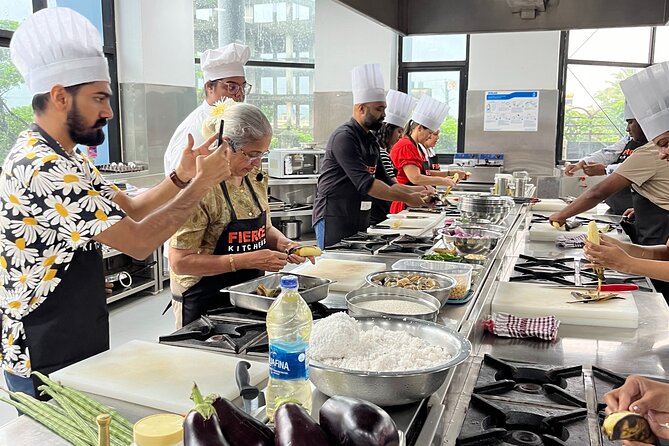
I love the way the class is built around technique and small, practical tips, not just watching. I also like the setup: a large, well-kept kitchen where you’re working with real tools, including a rational combi oven.
One heads-up: this experience is strictly vegetarian and focused on Sattvik/Saraswat style food. If you’re chasing the seafood-heavy side of Goan eating, you’ll want to pair this with another meal option during your trip.
In This Review
- Key Reasons This Class Is Worth Your Morning
- Where the Class Actually Happens in Verna, Goa
- Chef Anjali Prabhu Walavalkar: The Main Event
- What You’ll Do During the 3-Hour Cooking Session
- Getting Started With Prep
- Cooking on Real Equipment
- Building a Thali-Style Meal
- Lunch and Eating the Result
- The Sattvik & Saraswat Angle: More Than Just Vegetarian
- The Kitchen Experience: Clean, Spacious, and Built for Learning
- Price and Value: What $22.98 Buys You in Real Terms
- Practical Tips Before You Go (So You Get the Most Out of It)
- Plan to handle transportation yourself
- Wear clothes you can work in
- Come hungry
- Tell them about dietary needs
- Who This Cooking Class Fits Best
- Should You Book Culinary Experiences by Fierce Kitchens?
- FAQ
- How long is the cooking class?
- What time does it start?
- Where is the meeting point?
- Is lunch included?
- Is private transportation included?
- Is the class vegetarian?
- Does the class include ingredients and tools?
- What is the cancellation policy?
Key Reasons This Class Is Worth Your Morning
- Award-winning Chef Anjali teaches Saraswat Goan cuisine with decades of experience
- Vegetarian, Sattvik-style menu that still feels full and satisfying
- Real hands-on work in a spacious, sparkling-clean kitchen
- Seasonal, thali-style meal built from scratch during the session
- Dietary needs are taken seriously, so ask ahead if you have restrictions
Where the Class Actually Happens in Verna, Goa
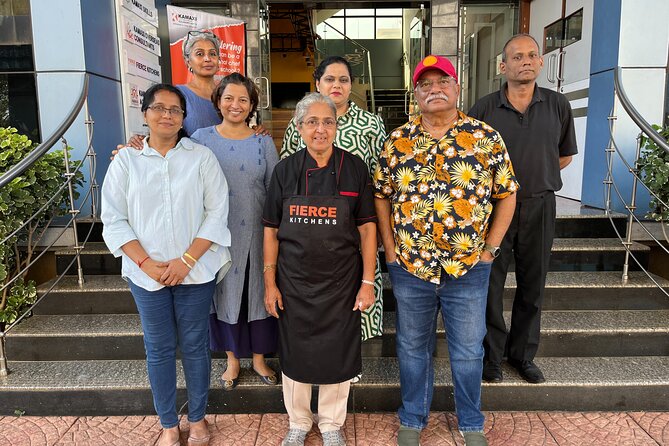
This cooking class is based at Kamaxi College of Culinary Arts in Verna (Verna Industrial Estate area), starting at 9:00 am. The address is Plot no 1, Phase, Utility 1A, Finolex Cables Residential Colony, Verna Industrial Estate, Nagve, Goa 403722.
Why that matters: Verna is not the beach strip, so you’re trading ocean views for a calm, purpose-built learning environment. If you want your day in Goa to feel more like a skill-building workshop than a sightseeing detour, this is a good fit.
You’ll also receive a mobile ticket, and the activity ends back at the meeting point. It’s a private tour/activity, so you only cook with your group rather than being blended into a bigger crowd.
You can also read our reviews of more tours and experiences in Goa.

Chef Anjali Prabhu Walavalkar: The Main Event
Chef Anjali Prabhu Walavalkar is the heart of this experience. The program centers on authentic Goan cuisine, with a strong spotlight on Saraswat Goan food—and you’ll feel that focus in how the menu and techniques are taught.
What you’re really paying for here is the chef’s ability to translate tradition into steps you can repeat. In plain terms, that means you’re not just learning names of dishes—you’re learning how the flavors are built: what to prep first, what to adjust, and how to think about seasoning and texture for Goan-style vegetarian cooking.
People also consistently mention her approach: disciplined, patient, and able to handle dietary needs. If you’re vegetarian already, you’ll get a class that respects that choice instead of treating it like an afterthought.
What You’ll Do During the 3-Hour Cooking Session
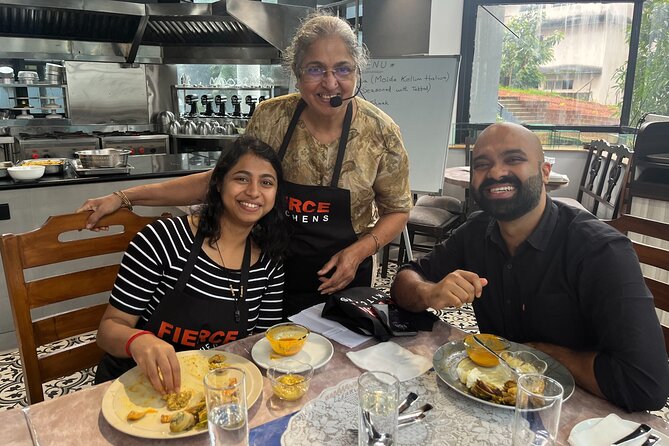
The class runs about 3 hours, and the flow is built around a hands-on cooking workshop plus a shared lunch. While the exact menu can vary by workshop theme, the structure stays similar.
Here’s what you can expect as the class moves along:
Getting Started With Prep
You’ll spend time prepping ingredients and learning the practical steps that make Goan/Saraswat dishes work. One standout detail from prior sessions: you may work on specific prep tasks like cleaning an ingredient called tisryo using the right method.
If you like cooking that’s a little more “real kitchen” than “chef demo,” you’ll enjoy this part. It’s where you build confidence, because you do the work rather than just watch it happen.
Cooking on Real Equipment
This isn’t limited to stovetop pans and theory. You’ll be working in a professional-style kitchen, and some sessions include using equipment like a rational combi oven.
Why that’s useful for you: it teaches modern heat control inside a traditional food style. Even if you never own a combi oven at home, you’ll still take away ideas about timing, moisture, and how to get consistent results.
Building a Thali-Style Meal
The workshop culminates in a thali meal—a full plate of multiple dishes instead of one main course. Thali-style eating is a smart way to understand a cuisine because it forces you to notice how tastes balance: spicy with cooling elements, crunchy with soft, hot with room-temperature sides.
In Saraswat and Sattvik-themed sessions, the meal is designed around vegetarian principles tied to spiritual and cultural food heritage. Translation: you’ll see how simplicity can still be complex—built through spice discipline, fresh ingredients, and careful cooking.
Lunch and Eating the Result
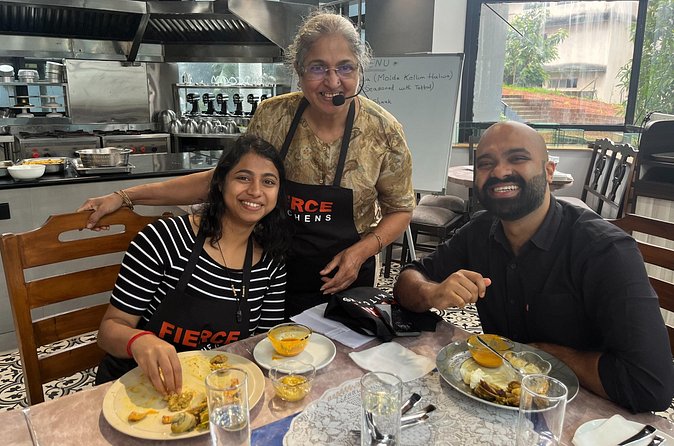
After cooking, you eat. That’s a big deal because you get instant feedback: the class isn’t finished when the timer stops—it continues when you taste and learn what worked.
If you’re traveling with food goals (you want to understand flavors, not just collect recipes), this “cook then taste” format gives you a faster learning curve than a meal out.
The Sattvik & Saraswat Angle: More Than Just Vegetarian
This is a pure vegetarian experience with an emphasis on Sattvik and Saraswat Goan cuisine. That may sound like a niche topic, but it’s actually a useful lens for understanding Goan food beyond tourist expectations.
Saraswat Goan cuisine has its own rhythm—spice use, textures, and ingredient choices that connect back to coastal life and home cooking patterns. Sattvik style adds another layer: the food is built to feel clean, grounded, and balanced.
What you’ll likely notice in practice:
- Sauces and gravies feel intentional, not improvised
- Seasonal ingredients matter, and you’ll learn how that changes the plate
- The meal is designed to be satisfying without relying on meat or fish flavors
One reason this works so well is that it teaches you to appreciate vegetarian cooking as its own category, not as a substitute. If you’ve ever had vegetarian meals that felt like compromises, you’ll probably feel the difference here.
The Kitchen Experience: Clean, Spacious, and Built for Learning
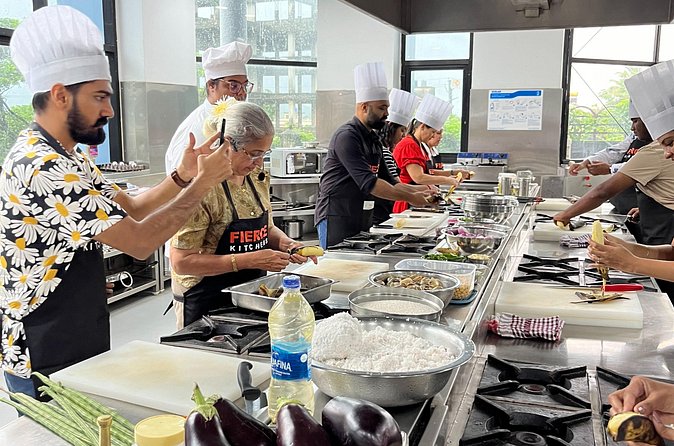
Several people highlight the kitchen space as a major plus—large, spacious, and kept very clean. That’s more important than it sounds. When the space is organized and tools are in good shape, you can focus on cooking instead of wrestling with equipment or unclear instructions.
You also benefit from a professional environment: you’re not stuck doing everything on a single hotplate. The kitchen setup makes it easier to follow multiple steps at once, which mirrors real cooking.
If you’re the type who learns by doing, this matters a lot. It turns the class from a passive activity into something you can actually carry home as muscle memory.
Price and Value: What $22.98 Buys You in Real Terms
At $22.98 per person, this class is priced like a budget-friendly experience—but it includes more than you might expect for the time.
What’s included:
- All fees and taxes
- Lunch
- Kitchen tools and ingredients
What’s not included:
- Private transportation
So what’s the real value calculation? You’re paying for:
1) A chef-led, technique-focused workshop
2) A full lunch you helped create
3) Ingredients and tools handled for you
In Goa, that combination can be tough to beat if you compare it to paying separately for a meal and then trying to find a cooking component elsewhere. Also, since it’s often booked about 120 days in advance, it’s clearly popular—another sign that the format lands well for people who want hands-on food learning.
Practical Tips Before You Go (So You Get the Most Out of It)
A few practical choices will make your morning smoother:
Plan to handle transportation yourself
Private transportation isn’t included. The good news is the meeting point is described as near public transportation. So you can likely reach it by taxi, ride-hail, or a bus route, depending on where you’re staying.
Wear clothes you can work in
You’ll be prepping and cooking. That usually means you want comfortable clothes you don’t mind getting a little food on. Even with a clean kitchen, cooking is still cooking.
Come hungry
Lunch is included and you’ll eat what you make. If you arrive too full from breakfast, you’ll miss out on one of the best parts: tasting the dishes while the techniques are still fresh in your head.
Tell them about dietary needs
The chef has accommodated dietary needs in past sessions. If you have restrictions—beyond the expected vegetarian/Sattvik/Saraswat theme—send details ahead of time so the menu can fit you.
Who This Cooking Class Fits Best
This is a great match if you:
- Want a vegetarian deep taste of Goan/Saraswat cuisine
- Learn better by doing than by watching
- Like thali-style meals and want to understand balance across multiple dishes
- Prefer a structured workshop in a clean, professional kitchen
It may not be the best match if you:
- Are traveling with a non-vegetarian agenda (this is not that kind of class)
- Want a purely sightseeing-focused day and don’t care about cooking process
Should You Book Culinary Experiences by Fierce Kitchens?
I’d book it if your idea of a great Goa day includes learning a cuisine by cooking it yourself. The standout strength here is how the workshop is built around hands-on technique with an experienced Chef Anjali, then rewards you with lunch that you helped create.
If you’re curious about Sattvik and Saraswat vegetarian cooking specifically, this is one of the more direct ways to get it right—step by step. If you mostly want seafood and meat dishes, you’ll likely need to treat this as your vegetarian counterpoint, not your only food experience.
FAQ
How long is the cooking class?
The experience lasts about 3 hours.
What time does it start?
The start time is 9:00 am.
Where is the meeting point?
Meet at Kamaxi College of Culinary Arts, Plot no 1, Phase, Utility 1A, Finolex Cables Residential Colony, Verna Industrial Estate, Nagve, Goa 403722, India.
Is lunch included?
Yes. Lunch is included in the price.
Is private transportation included?
No. Private transportation is not included.
Is the class vegetarian?
Yes. The experience focuses on pure vegetarian dining, including a Sattvik and Saraswat table experience.
Does the class include ingredients and tools?
Yes. Kitchen tools and ingredients are included.
What is the cancellation policy?
Free cancellation is available. You can cancel up to 24 hours in advance for a full refund.