REVIEW · VARANASI
Cooking Class with Sona
Book on Viator →Operated by Cooking Class With Sona · Bookable on Viator
Cooking with a local in Varanasi beats eating alone. This private class with Sona turns a meal into lessons, from chopping and spices to a full vegetarian spread you can remake at home.
I love how Sona teaches in clear English and guides you step-by-step, so the methods actually stick. I also love the range: thali favorites like dal, sabji, rice, and sweets, plus breads, snacks, paneer, and a chai masala drink.
One thing to plan for: expect about 3 hours of hands-on cooking, even if it’s listed as 2 hours 30 minutes, and there’s no pickup—so you’ll need to get yourself to the Assi Ghat-area meeting spot.
In This Review
- Key things you’ll like in this Cooking Class with Sona
- Where you’ll meet Sona near Assi Ghat
- What the class is really about (and what you’ll take home)
- A realistic timing note: 2.5 hours on the schedule, more like 3 cooking hours
- The vegetarian “full plate” lesson: thali teaches the structure of Indian meals
- Beyond the thali: paneer, malai kofta, and roasted brinjal
- Breads and snacks: how to go from dough to samosa
- Chai masala and the drink lesson you can actually replicate
- Lunch and dinner included: you’re not paying just for instruction
- Language and teaching style: what you’re likely to appreciate
- Getting the most out of your session (small choices that make a big difference)
- What this class is best for
- Who might want to skip or adjust expectations
- Should you book Cooking Class with Sona in Varanasi?
- FAQ
- What is the duration of Cooking Class with Sona?
- Is the cooking class vegetarian?
- What food is included with the class?
- Will I learn to make chai or tea masala?
- What dishes and items are taught?
- Is there pickup or drop-off included?
- Do I need to speak Hindi to join?
- Is transportation required to reach the class?
- What kind of ticket do I get?
- What is the cancellation policy?
Key things you’ll like in this Cooking Class with Sona
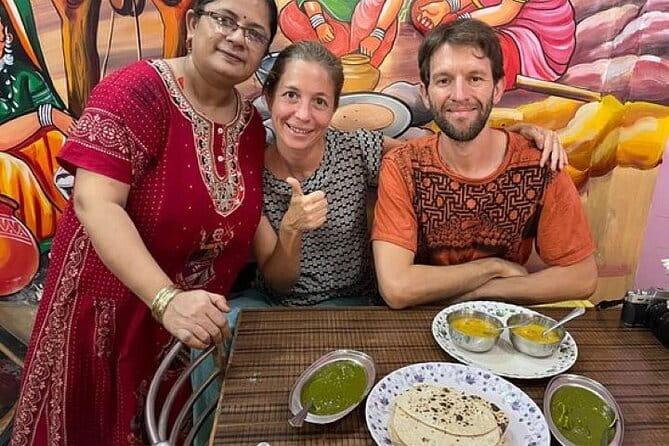
- Homemade spice focus: learn how flavors are built, not just which dish to copy
- Thali as the backbone: a full plate of chapati, dal, sabji, rice, and sweets in one lesson
- North + South tastes in vegetarian form: you’ll compare styles while staying in a veg framework
- Breads and snacks included: naan/chapati/puri/bhature plus samosa and pakora
- Paneer and milk-based options: butter masala, malai kofta, and roasted brinjal come into the mix
- Lunch and dinner are cooked and included: you eat what you make, not just watch
Where you’ll meet Sona near Assi Ghat
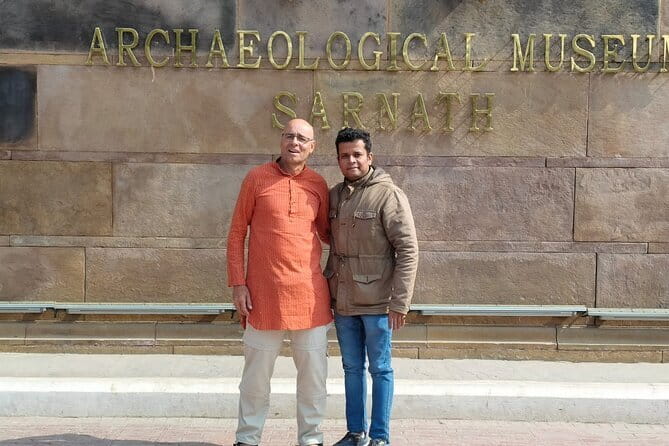
This cooking class is set up for convenience in Varanasi, with the meeting point in the Assi Ghat crossing area. You’re not expected to wait for a driver or rely on a long pickup. The start and end both return to the same meeting spot, which keeps your time simple.
It helps if you’re comfortable navigating on your own. The class is near public transportation, but the address is specific, so I’d treat it like a real appointment: arrive a little early, and confirm the exact location when you can.
What the class is really about (and what you’ll take home)
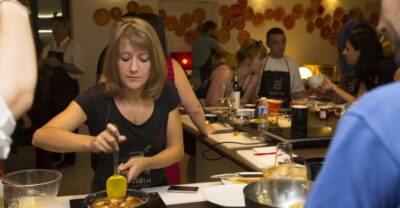
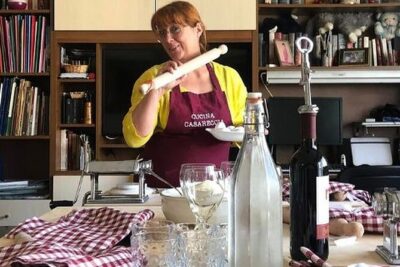
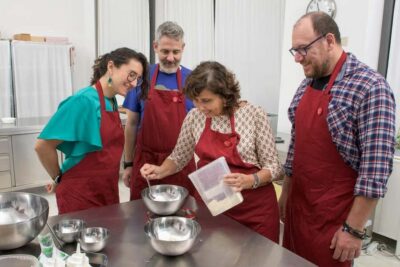
This isn’t a tasting with a few instructions. It’s a hands-on, from-scratch style cooking lesson. Sona’s focus is on the complete process, which means you’ll learn the practical sequence: chopping, prepping ingredients, cooking techniques, and building flavor with spices you can reuse later.
A big part of the value here is repetition. If you want Indian food you can cook at home without guesswork, you need two things:
- a method you can follow step-by-step
- a flavor system you understand
Sona teaches traditional Indian taste using homemade spices, and she also shares traditions and historical tips about the cuisine. Even if you don’t memorize every background detail, those “why” notes usually make the cooking feel less mysterious and more doable.
A realistic timing note: 2.5 hours on the schedule, more like 3 cooking hours
The duration is listed around 2 hours 30 minutes, but the lesson describes the whole cooking process as about 3 hours. In practice, that difference matters because the class is hands-on. You don’t just taste; you prep and cook.
So I’d plan your day assuming you’ll have a full chunk of time dedicated to cooking, eating, and cleaning up. If you stack another activity too close, you might feel rushed.
The vegetarian “full plate” lesson: thali teaches the structure of Indian meals

The centerpiece of the menu is thali, a full plate that combines multiple components. Sona teaches thali as a system, not just a list of dishes.
What’s included in the thali teaching:
- chapati (Indian bread)
- dal (lentils)
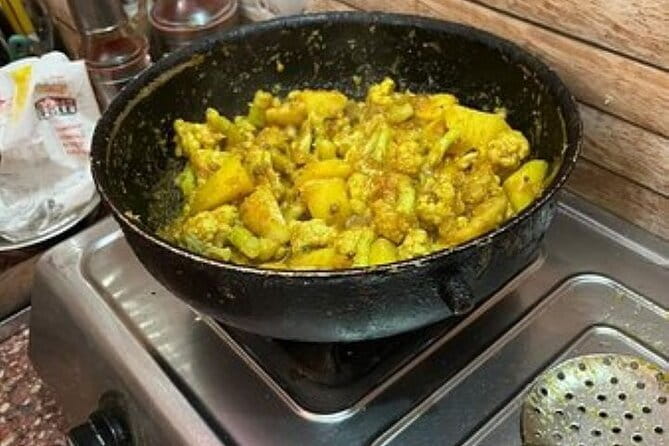
- sabji or curry (vegetable curry)
- rice
- sweets
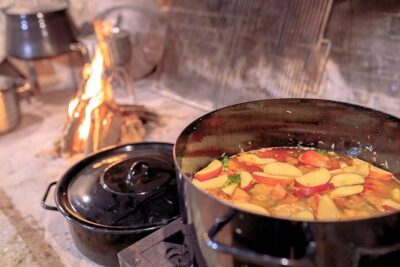
This is one of the best ways to learn Indian cooking because each part teaches a different skill. Chapati training is about dough handling and cooking technique. Dal is about tempering and consistency. Sabji/curry is about spice balance and texture. Rice teaches timing and water ratios. Sweets bring another style of heat control and finishing.
If you’ve ever tried to cook Indian food at home and ended up with one great component and one bland one, a structured thali lesson is how you fix that.
Beyond the thali: paneer, malai kofta, and roasted brinjal
This class also includes extra main-dish training for a wider spread. You’ll cover milk-based and vegetable-forward dishes, including:
- paneer butter masala
- malai kofta
- roasted eggplant (brinjal)
These dishes matter because they represent different ways Indian kitchens handle richness. Paneer is a protein with a clean texture that absorbs flavors differently than chicken or fish. Malai kofta leans into creamy sauces and careful cooking so the texture stays tender. Roasted brinjal gives you a vegetable dish that can be smoky and deep without heavy meat flavors.
The practical takeaway for you: you’ll learn how to adjust spice intensity and cooking time so the dish stays balanced, not just spicy.
Breads and snacks: how to go from dough to samosa
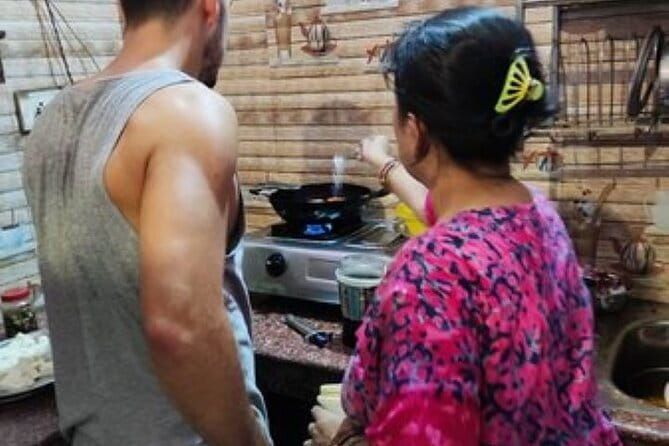
A big challenge for many home cooks is bread and snack technique. This class addresses that directly. You can expect bread instruction in several styles, including:
- naan
- chapati
- puri
- bhature
And on the snack side, you learn dishes like:
- chole-bhature
- pakora
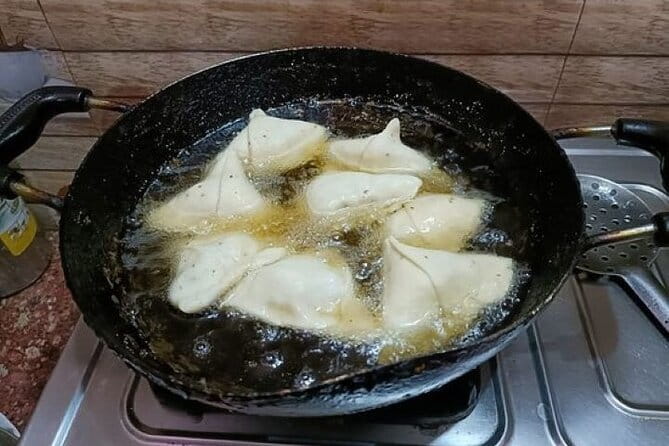
- samosa
Even if you don’t plan to cook every bread type again right away, training on dough and frying/baking methods is useful. You learn what changes when dough is stretched vs. folded, or when frying changes how quickly surfaces brown.
Also, samosa and pakora are great for practice because they’re forgiving in flavor-building. Once you understand the spice base and the frying rhythm, you can scale those skills to other snacks later.
Chai masala and the drink lesson you can actually replicate
Many cooking classes end at the food. This one builds in drinks: you’ll learn Indian chai, including tea masala. That’s an easy win for home kitchens because you can keep adjusting sweetness and spice strength based on your preference.
Tea masala lessons also connect to the spice theme of the class. If you understand how the spice mix works in a drink, it’s easier to understand how spices behave in curries and sweets.
If you’re the kind of traveler who likes to buy souvenirs you’ll actually use, this is a practical one: make a spice mix, brew a drink, and suddenly your trip tastes like it.
Lunch and dinner included: you’re not paying just for instruction
The price is listed at $40.82 per person, which is reasonable when you look at what’s included. You get both lunch and dinner made as part of the class, not just a small tasting.
That matters because Indian cooking lessons can easily become expensive if they only offer a snack portion. Here, the meal portions are part of the experience, and it’s also how you understand the final result of your own work. You’re not learning in a vacuum.
Value is also improved by the private setup. It’s described as a private activity where only your group participates, which usually means more attention and fewer distractions than a big shared class.
Language and teaching style: what you’re likely to appreciate
The class includes an English, Hindi guide, and the teaching is described as clear. There’s a strong focus on explaining techniques so the cooking process makes sense, not just memorization of steps.
That clarity is especially important if your comfort level with Indian cooking is still developing. Spices can sound intimidating, but when someone walks you through the order of operations, you stop overthinking and start cooking.
Getting the most out of your session (small choices that make a big difference)
Because the class is hands-on, your mindset helps. If you want to leave with repeatable skills, do these:
- Take notes on the method, not just the ingredients
- Ask about the spice balance while you’re cooking, when adjustments are possible
- Plan to try at least one dish you don’t normally order
- Wear clothing you don’t mind getting a little cooking-stained
Also remember: water bottles aren’t included. Bring one so you’re not searching for a drink while you’re actively cooking.
And since it’s vegetarian, you’ll get a focused lesson, not a mixed-menu show. If you eat vegetarian at home, you’ll probably find this class especially satisfying.
What this class is best for
This Cooking Class with Sona is a strong fit if you want a true cooking skill, not a one-time meal. It’s also ideal if you enjoy Indian food but want to understand the mechanics behind it: spice mixes, cooking order, and how components work together.
I’d especially recommend it to:
- home cooks who want repeatable technique
- people interested in thali-style eating
- veg-friendly travelers who want a broader range than just one curry
If you’re looking for a market tour, meat-focused dishes, or a quick tasting experience, this may feel too practical and too vegetarian. But for learning, it has a clear mission.
Who might want to skip or adjust expectations
Two considerations can change how you feel about the class:
- It’s vegetarian, so your menu will stay inside that range.
- The time block runs close to a full cooking session, so don’t treat it like a quick detour.
If your schedule is tight, you’ll want to book with buffer around it. The experience ends back at the meeting point, which helps, but you still need time to complete cooking and eating.
Should you book Cooking Class with Sona in Varanasi?
Yes, if your goal is to take home real cooking skills. The combination of homemade spice emphasis, thali structure, multiple bread and snack lessons, and included lunch plus dinner makes this feel like a complete, practical experience. It’s also priced in a way that feels fair for what you eat and learn.
I’d book it sooner rather than later. It’s commonly reserved about 5 days in advance on average, and you’ll want a spot that works with your Varanasi rhythm.
If you’re veg-curious, English-friendly, and excited to learn the step-by-step flow of Indian cooking, this is a solid choice. If you need pickup service or you want non-veg dishes, you may prefer a different option.
FAQ
What is the duration of Cooking Class with Sona?
It’s listed at about 2 hours 30 minutes. The full cooking process is described as taking about 3 hours.
Is the cooking class vegetarian?
Yes. The class cooks vegetarian food and focuses on vegetarian dishes.
What food is included with the class?
Lunch and dinner are included, and you’ll eat the food you cook during the session.
Will I learn to make chai or tea masala?
Yes. The class includes drinks such as Indian chai and tea masala.
What dishes and items are taught?
You can learn thali components (chapati, dal, sabji/curry, rice, sweets), breads like naan/chapati/puri/bhature, and dishes such as paneer butter masala, malai kofta, roasted brinjal, chole-bhature, pakora, and samosa.
Is there pickup or drop-off included?
No. Pickup and drop-off are not included, and the class ends back at the meeting point.
Do I need to speak Hindi to join?
No. The class includes an English and Hindi guide.
Is transportation required to reach the class?
You’ll need to make your own way. It’s near public transportation, but private transportation is not included.
What kind of ticket do I get?
You receive a mobile ticket.
What is the cancellation policy?
Free cancellation is available up to 24 hours in advance for a full refund. Canceling less than 24 hours before start time is not refunded.
If you want, tell me your travel dates and what other Varanasi activities you have planned the same day, and I’ll help you fit this class into a smooth schedule.