REVIEW · MILAN
Cesarine: Market Tour & Cooking Class at Local’s Home in Milan
Book on Viator →Operated by Cesarine: Cooking Class · Bookable on Viator
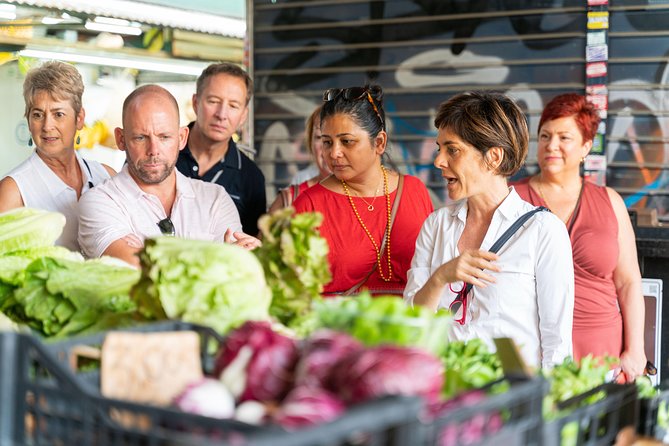
Markets plus pasta in a local home beats lunch. This Cesarine experience pairs a private market tour with a hands-on Italian cooking lesson, then ends with you eating what you made at the host’s home. I particularly like the market part, because it turns Milanese ingredients into a real story, not just a photo stop, and the 3-course meal with local wine makes the whole afternoon feel like a meal you’ll remember.
One thing to plan for: the experience depends on your host’s teaching style. The cooking component can range from more demonstration to more participation, and there’s also a small risk of confusion around the meeting address (one past booking had to take a taxi after receiving the wrong location).
Key highlights worth your attention
- Market shopping tied directly to your meal: you pick up ingredients and learn what matters in Milan cooking
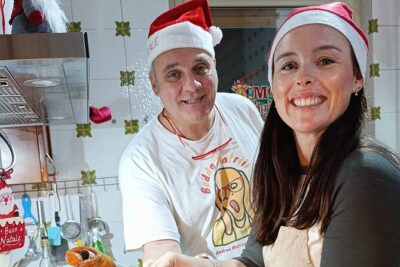
- Private Cesarina host in a home kitchen: it feels personal, not staged
- A full 3-course finish: starter, main, and Milanese dessert, paired with local wines
- Pasta lessons you can actually use later: expect to learn techniques, not just follow steps
- Dietary flexibility can happen: one host accommodated gluten intolerance and a no-meat wish
- English-friendly experience: offered in English for easier back-and-forth in the kitchen
In This Review
- Milan’s Market Tour + Cesarina Cooking Class: The Real Value Is In the Flow
- Stop 1: Viale Papiniano Market and Getting Oriented the Milanese Way
- Stop 2: Mercato Sabato (Via Fauche) With Bank of Names: Where You Learn What’s in Season
- Stop 3: Porta Romana Market and Locking in Ingredients for Your 3-Course Meal
- At the Cesarina’s Home: The Cooking Class Setup (What’s Usually Hands-On)
- Milanese Dishes You May Make: Pasta Techniques and Dessert You Can Replicate
- Wines and the Shared Meal: When the Class Becomes Dinner
- Hosts and Group Feel: English-Friendly, Private, and Comfort-Focused
- Price and Value at $227.58: Is It Worth It?
- Who Should Book This Milan Cooking Class (and Who Might Not Love It)
- Should You Book This Cesarina Market Tour and Cooking Class?
Milan’s Market Tour + Cesarina Cooking Class: The Real Value Is In the Flow
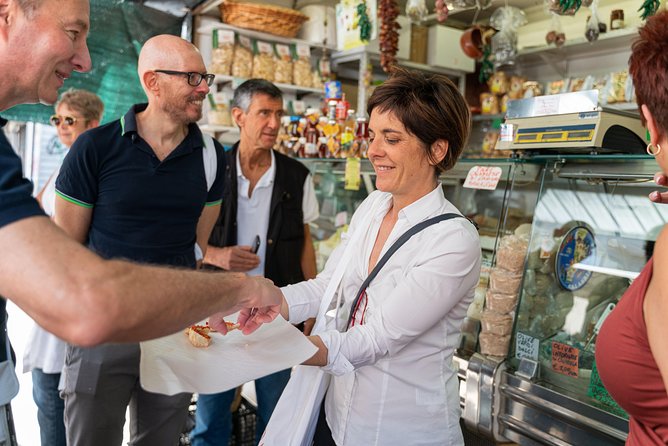
This isn’t a quick “see the sights and eat gelato” kind of class. It’s built like a proper meal arc. You start in food mode. Then you shop in food mode. Then you cook in food mode. Finally, you sit down and eat in food mode again. That rhythm is what gives it value.
You’ll do it with a private guide/host, and that matters more than you might expect. In Milan, food culture can be very specific—cheese, cured meats, seasonal produce, and the way Milanese dishes are put together. A local host can explain the why, not just the what, and it’s easier to ask questions when it’s only your group.
Also, the class is set up to be half-day. At about 4 hours 30 minutes starting at 10:00 am, you can still keep the rest of your day for museums, the canals, or a low-key aperitivo.
Stop 1: Viale Papiniano Market and Getting Oriented the Milanese Way
You’ll begin at Viale Papiniano Market, which is a strong choice for starting because it immediately puts you around the real ingredients Milan cooks with. This opening stop is where you learn how to read a market like a local.
What you can expect here:
You’ll walk through stalls with your Cesarina. You’ll likely get tastes of items being sold, and you’ll start to connect ingredients to the dishes you’ll cook later. If you’ve ever wondered why Milanese menus feel so tight and specific, this is where it clicks: the market isn’t random. It’s ingredient logic.
Why this stop is useful:
- You’re not just shopping. You’re building a mental list for what comes next in your kitchen session.
- You’ll get practical knowledge you can use later if you shop on your own. Even if you don’t cook the exact same dishes, you’ll know what to look for.
A possible drawback:
If you’re the type who dislikes walking through markets for long stretches, plan for steady movement. This is half-day time built around walking, tasting, and talking.
You can also read our reviews of more tours and experiences in Milan.
Stop 2: Mercato Sabato (Via Fauche) With Bank of Names: Where You Learn What’s in Season
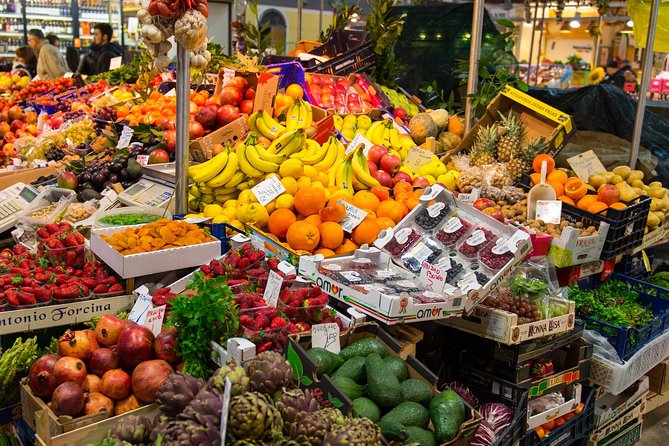
Next up is Mercato Sabato, Via Fauche, Banco Di Luca & Marika. Even the stall naming tells you something: these are recognizable, established sellers. In other words, you’re not just passing by—they’re part of the neighborhood food fabric.
This middle stop is often where your market shopping becomes more focused. Once you’ve seen the baseline selection at the first stop, the second one is where you can start comparing quality, learning what’s worth buying, and understanding seasonal choices.
What tends to happen in this phase of the tour:
- You’ll likely sample more foods as you go, so you learn by taste (not only by listening).
- You’ll gather ingredients that point toward your later courses—especially things that make Milanese flavor feel distinct.
One review detail that’s worth keeping in mind:
One group’s market experience with Davide ended with them taking home fruit and cheese after sampling along the way. That tells you the market tour isn’t only educational. It’s also built for leaving with edible souvenirs.
A consideration:
Because this is a private class, the market stops can feel like a conversation with your host plus guided walking. If you prefer silent sightseeing, this may feel more social than you want.
Stop 3: Porta Romana Market and Locking in Ingredients for Your 3-Course Meal
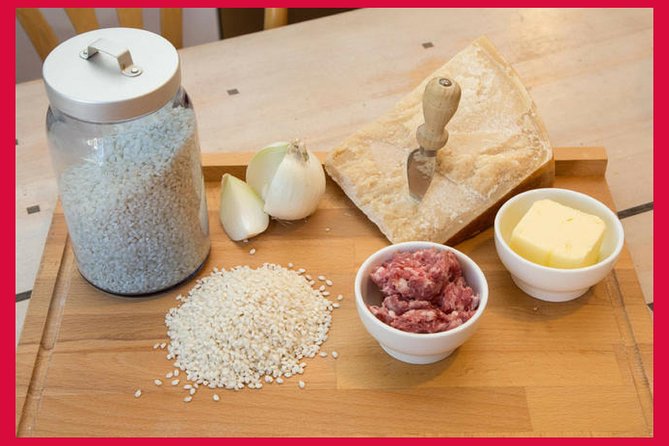
You’ll finish the market portion at Mercato di Porta Romana. This is the “tie it together” stop. By now you’ve heard enough that you can start predicting what you’ll use later—especially for the pasta and dessert.
Why the third market stop matters:
- It gives your host a chance to confirm your ingredients.
- It keeps you from feeling rushed. You’re usually not doing everything in one frantic block.
- It’s a final chance to choose quality produce and key items for Milanese dishes.
What makes the later cooking feel better:
When your shopping is split across multiple stops, your kitchen phase doesn’t feel like a sudden switch. It feels like the next chapter. You’re translating what you saw into what you’re about to cook.
One more practical tip:
If you want to buy extra items to take home, do it with your host in mind. You’ll have less freedom than in an open market stroll. Use the host’s guidance to avoid buying things that won’t travel well.
At the Cesarina’s Home: The Cooking Class Setup (What’s Usually Hands-On)
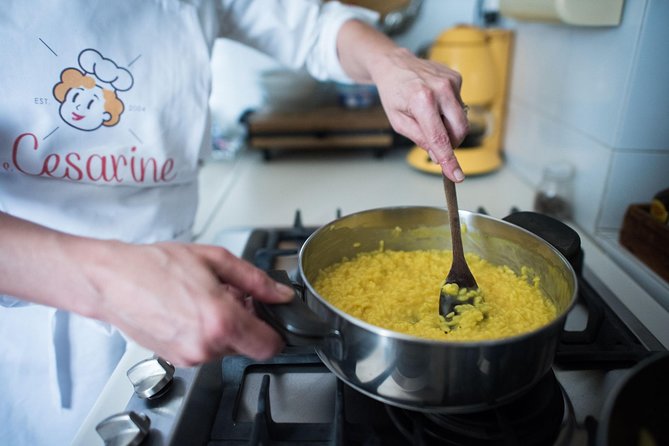
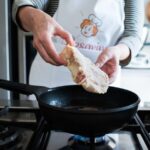
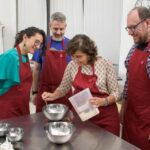
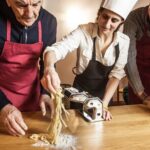
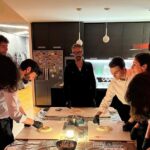
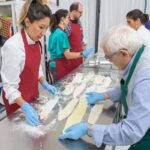
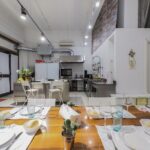
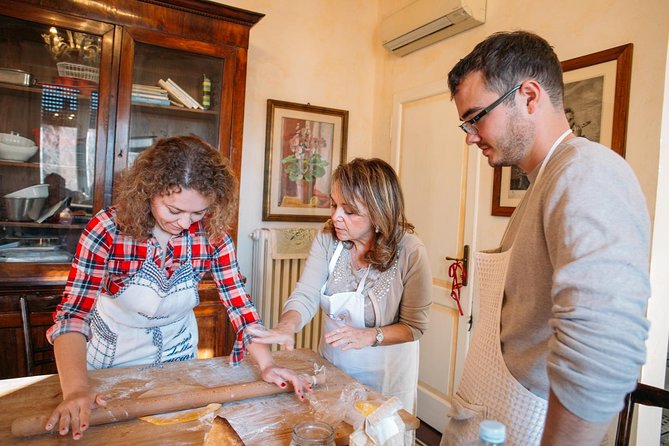
After the market, you move to the Cesarina’s home for your private cooking class. This is where the experience shifts from “food tour” to “food training.”
A typical flow:
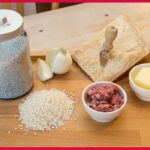
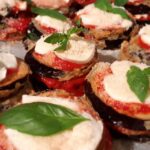
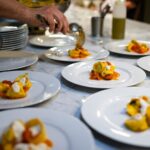
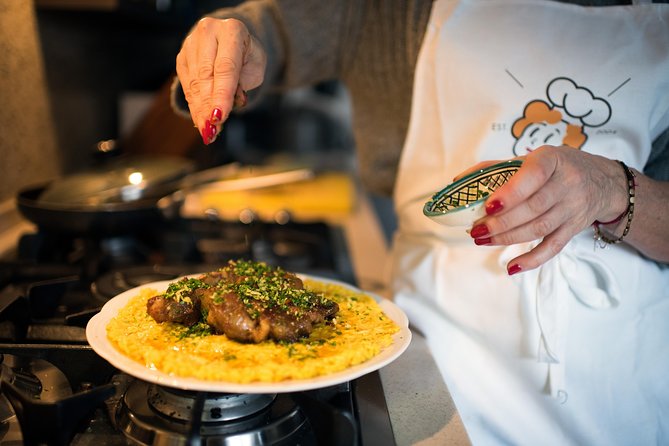
You’ll cook a 3-course Italian meal. Your menu may include a seasonal starter, a pasta-forward main, and a Milanese dessert. One sample menu lists main-course options such as pizzoccheri, risotto, or lasagna, with dessert options like sbrisolona cake or tiramisu (or something similar typical to Milan).
About hands-on cooking:
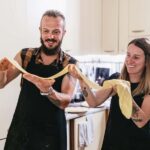
Most of the best moments here come from doing. One past participant described learning pasta and dessert steps and then eating together, calling it charming and fun. Another highlighted a session with Simone and André, where they learned dishes like bruschetta, cavatelli pasta, and tiramisu.
But here’s the honest consideration:
In one case, a guest felt the host had done more preparation in advance—meat, garnish, and dessert—so the participation felt more limited than expected. That doesn’t mean the experience is low quality. It means the teaching style can vary by host and by what’s already prepped for the kitchen schedule.
So if hands-on participation is your #1 goal:
Go in expecting both instruction and cooking. If you prefer heavy participation all the time, ask questions early, and don’t be shy about stepping in as soon as your host invites you to help.
Milanese Dishes You May Make: Pasta Techniques and Dessert You Can Replicate
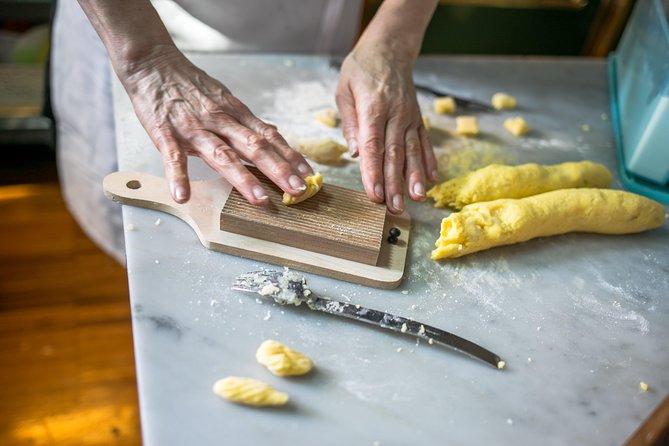
Milanese cooking has a few signatures, and this class leans into them. Even if your exact menu changes (hosts may pick what’s best), the structure is consistent: starter, main, dessert.
For the pasta main:
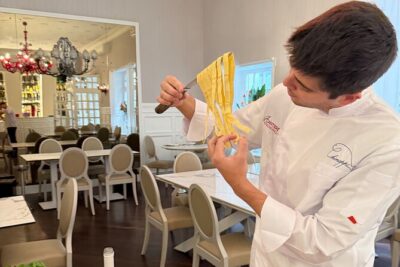
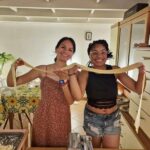
You might make fresh pasta or learn methods connected to dishes such as:
- pizzoccheri
- cavatelli pasta (appeared in a host-led lesson described in reviews)
- risotto
- lasagna
That list matters because it covers different skill types:
- Shaping and handling pasta (especially for cavatelli)
- Layering and assembling (lasagna)
- Learning how ingredient timing works for something rice-based like risotto
For dessert:
Milanese desserts are often the surprise win. You may tackle:
- sbrisolona cake
- tiramisu
- Or another Milanese-leaning dessert
One review described learning tiramisu as part of the class experience, and another called out desserts like tiramisu or similar typical options. Either way, you’re not just tasting sweetness. You’re building a dessert you can repeat later at home.
Wines and the Shared Meal: When the Class Becomes Dinner
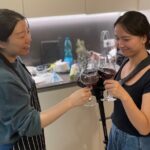
Right after you cook, you sit down to eat. This is when the experience justifies its time. Cooking classes that end with standing around are fun. Cooking classes that end with a full meal are memorable.
What to expect:
- You’ll enjoy your 3-course meal.
- You’ll sip on local wines during the dining portion.
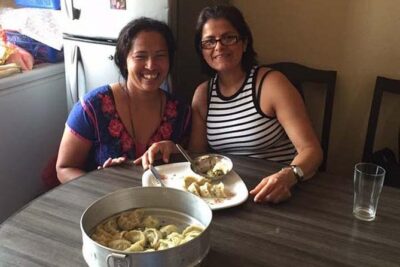
This is also where private hosting shines. One review called out how hosts were warm, welcoming, and made the group feel like invited company. Another highlighted that the host described Italian and Milanese culture and culinary customs while the meal unfolded.
If you want the most value:
Treat the meal like a real dinner conversation. Ask what you’re eating and why it’s made this way. That’s where you pick up the small rules, like how a dish should taste and how ingredients behave in different preparations.
Hosts and Group Feel: English-Friendly, Private, and Comfort-Focused
A lot of cooking classes promise “private.” Fewer make it feel private in the room.
Here, you’re in a smaller setup with only your group. One review explicitly mentioned hosts Simone and André, and another described a host Davide. Another praised Sandra, describing her as warm and welcoming and calling the day unique.
That variety matters:
- Some hosts may go more step-by-step.
- Others may focus on explanation with practical participation.
- Some may add cultural context while you cook.
Dietary considerations can be handled in at least some sessions. One review stated the host accounted for gluten intolerance and also adapted so there was no meat. So if you have dietary restrictions, it’s worth bringing them up early so your host can plan appropriately.
Price and Value at $227.58: Is It Worth It?
At $227.58 per person for about 4.5 hours, you’re paying for more than cooking instruction. You’re paying for three big ingredients of value:
- Market time with a local host
Instead of guessing what to buy, you get guided shopping tied to your later meal.
- A private home setting
You’re not cooking in a classroom. You’re cooking in someone’s actual space, which changes the vibe instantly.
- A real meal included
You’re not leaving hungry or just tasting a sample. You eat a full 3-course dinner, and you sip local wines with it.
Is it “cheap”? No. But if you compare the total experience—shopping, cooking, dining, and wine—this is often what makes the price feel fair. You’re buying time with a host plus a complete food journey, not a short demo.
If you’re on a strict budget:
Pick one “splurge” culinary activity in Milan. This is the kind of class that can serve as that centerpiece.
Who Should Book This Milan Cooking Class (and Who Might Not Love It)
You’ll probably love it if:
- You like food enough to slow down and focus on ingredients.
- You want a Milanese cooking experience that starts in the markets, not just in a kitchen.
- You enjoy dining with local wine while someone explains what’s going on.
You might think twice if:
- You want nonstop hands-on activity in every minute. Cooking participation can vary by host, and one past experience reported more prep done ahead of time.
- You’re easily thrown off by meeting-point confusion. There has been at least one instance where a guest received a wrong meeting address and had to take a taxi to the correct spot.
If you do book, a simple strategy helps:
Double-check your meeting point details before you leave, and give yourself extra buffer time. In a city like Milan, that can save stress.
Should You Book This Cesarina Market Tour and Cooking Class?
I’d book it if you want a half-day that feels like real local life: walking through markets, learning by taste, then cooking and eating together at someone’s home. The 3-course structure and the local wine turn it into dinner, not just a lesson.
I’d hold back only if your top priority is guaranteed maximum hands-on cooking every step of the way, with no pre-prepped components. Also, confirm your meeting point carefully to avoid the one issue that’s popped up in past bookings.
If you like your Milan with flour on your hands and wine in your glass, this is a strong match.