REVIEW · ALBEROBELLO
Alberobello: e-bike tour and orecchiette class
Book on GetYourGuide →Operated by TOURS PUGLIA · Bookable on GetYourGuide
Trulli countryside plus real pasta-making.
What I love most is the combo: a relaxed e-bike ride through dry-stone walls and quiet rural roads, then a hands-on stop at a working mill and an orecchiette class with the local hosts. The other big win is the people factor—Rocco guides the whole experience, and Pasquale’s family-run mill visit feels personal, not staged. One thing to consider: the ride part is timed (about 45 minutes out and 45 minutes back), and if you prefer slow, lots-of-standing sightseeing, you’ll want to mentally switch gears for a cycling-focused afternoon.
This is set up for a small group (up to 9), with scenic photo stops and short explanations along the way, so the pace stays friendly. You can join with your own e-bike at no extra cost, or rent one on site (paid there), and the orecchiette class plus tasting and wine is also paid on site. If you’re traveling with a child, helmet-and-seat options are handled with specific price tiers, so it’s worth planning ahead.
In This Review
- Key highlights you’ll actually use
- E-biking Alberobello: why this works better than a walking day
- Rocco’s ride: trulli, dry-stone walls, and quick story stops
- The family-run mill: from wheat to flour without the mystique
- Orecchiette hands-on: technique, teamwork, and a shared lunch with wine
- E-bike rental, helmets, and how comfortable this day really is
- Price and what you really get for your money
- Who should book this (and who might prefer something else)
- Should you book this Alberobello e-bike and orecchiette class?
- FAQ
- How long is the tour?
- Where does the tour meet?
- What’s included in the price?
- Is the e-bike included?
- How much does the orecchiette class cost?
- How big is the group?
- What languages is the tour offered in?
- What’s the cancellation policy?
- Can I reserve now and pay later?
Key highlights you’ll actually use
- Rocco’s guidance keeps the day practical, with cultural context during the ride, not just at the start and finish
- Family-run mill visit walks you through how flour is made, from wheat to the final product
- Orecchiette by hand teaches technique you can use again later, not just a demo
- Lunch with wine from the same family ties the meal to the day’s story
- Electric assist helps on hills so the experience stays comfortable for mixed fitness levels
- Small group size (max 9) means stops don’t feel rushed or crowded
E-biking Alberobello: why this works better than a walking day
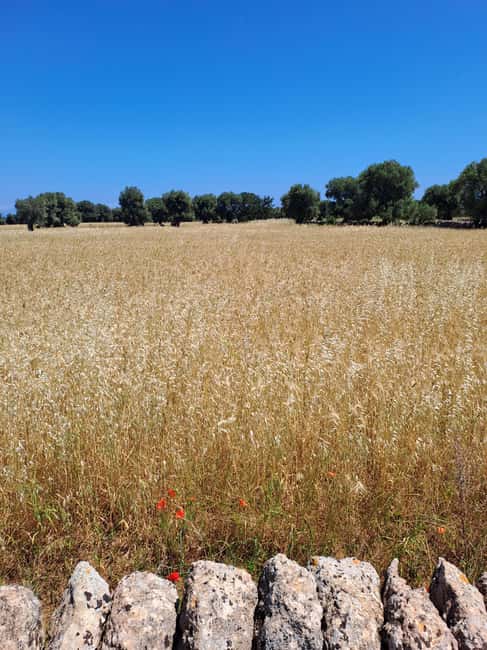
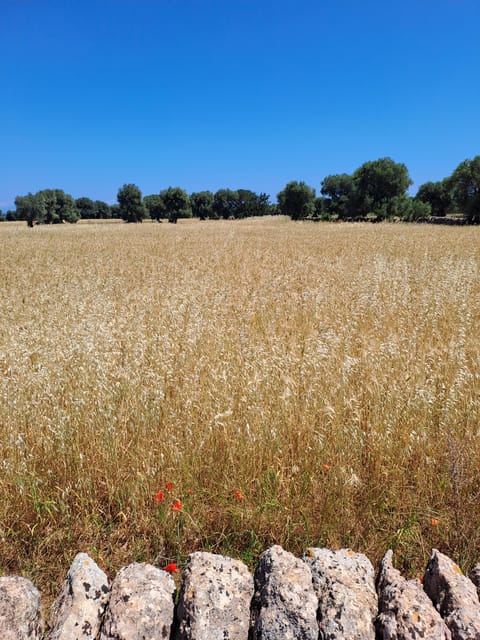
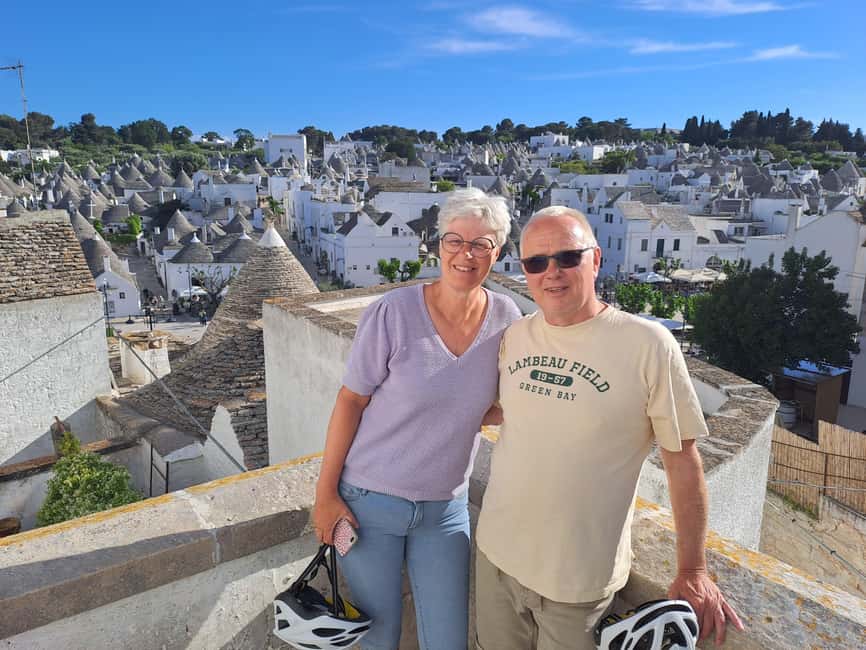
Alberobello is famous for trulli—those white stone houses with pointed roofs—and you’ll see plenty of that, but the smartest thing about doing it by e-bike is what happens after the center. Once you leave the historic core, the route shifts into the Itria Valley countryside: quiet roads, easy rural stretches, and dry stone walls that make the landscape feel lived-in and agricultural rather than postcard-only.
Even if you’ve only got a short time in Apulia, this format gives you two kinds of memories. You get the iconic trulli views when it matters most, then you get the slower, quieter countryside feel when you have space to breathe—plus chances to stop for photos without the constant stop-start frustration of foot travel.
And because the pace is relaxed, you’re not doing “sport tourism.” It’s more like guided wandering with wheels. The e-bike’s electric boost is there for the hills, and the bikes are described as well maintained and smooth, which matters when you’re traveling for a few hours and don’t want mechanical stress to steal the fun.
Rocco’s ride: trulli, dry-stone walls, and quick story stops
The tour starts at Parcheggio Centro Storico Via Monte San Gabriele. Once you enter the parking lot, the guide will be there with the e-bikes, wearing a T-shirt that says Tours Puglia. That small detail helps a lot because it reduces the “where do I stand?” anxiety—especially if you’re trying to meet on time.
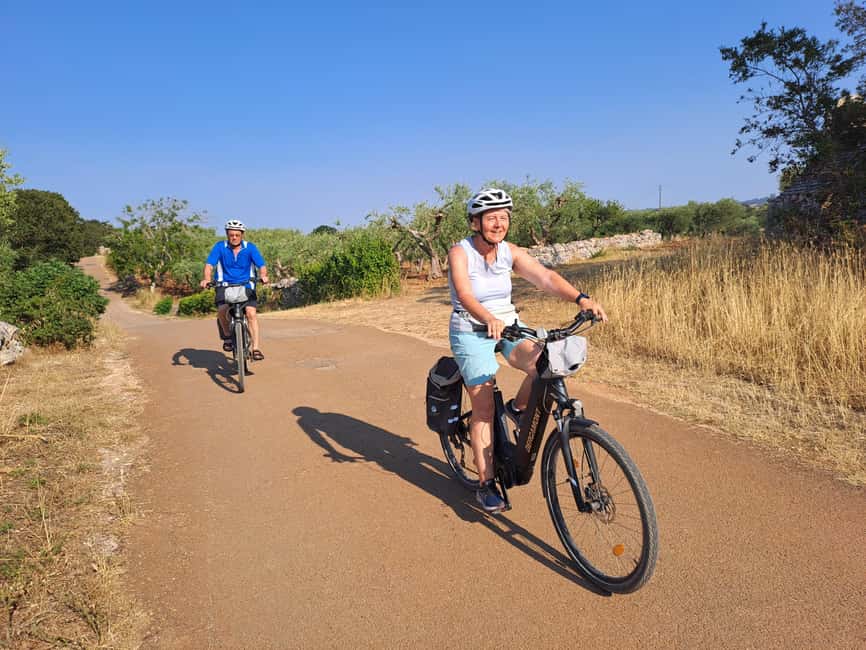
From there, the day is built like a moving tour, not a timed museum crawl. You begin in Alberobello among the trulli, then after early panoramic views the ride heads out of the center into the countryside. Along the way, you’ll pedal on quiet roads and easy rural stretches between dry stone walls, vineyards, and olive groves. Photo breaks and brief explanations keep things interesting without turning the ride into lectures.
Practically, this is the portion that makes the rest click. The mill and the pasta class aren’t just random add-ons. When you’ve already been rolling past fields and stone boundaries, the food story makes sense. You’re not learning flour in a vacuum—you’ve just been surrounded by the agricultural setting that produced the wheat and supports the same regional life.
One consideration: you’re on the move for set stretches (you’ll have about 45 minutes of riding on the way out and about 45 minutes on the way back). You don’t have to go hard, but if you’re hoping for a completely unhurried wander with lots of long stops, consider that the day is designed around cycling and then concentrating the food experience in the middle.
The family-run mill: from wheat to flour without the mystique
The main stop is a family-run mill, and that’s the heart of the “why this tour is different” part. This isn’t framed as a quick peek. You follow the path of wheat to flour, with a clear explanation of processing steps and the machinery in operation.
What I like about this style of visit is how concrete it is. Flour-making can sound like a factory black box, but here it’s explained in a way that’s meant to be understood—simple and practical, not overly technical. It’s also the kind of stop where you’ll notice what the guides emphasize: the transformation, the work behind the scenes, and how families keep these food traditions functioning.
The mill host’s warmth also comes through. The experience is described as welcoming, and the affection for the work shows. That matters, because it changes the vibe from educational to genuinely human. When someone talks about their daily craft with pride, you don’t just collect facts—you feel the effort behind the ingredient.
If you’re a foodie, this is your “useful knowledge” moment. You leave understanding how flour is made and why it’s tied to the region’s identity. If you’re not a foodie, it still works because it breaks the day into a different mode: stand, watch, ask questions, and let the smell and sounds of a real operation ground you.
Orecchiette hands-on: technique, teamwork, and a shared lunch with wine
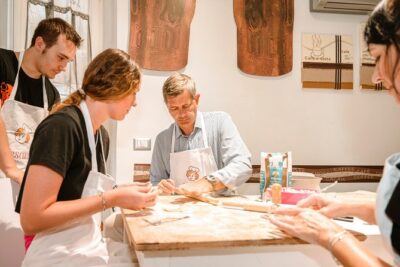
After the mill, the tone shifts from observation to participation. You’ll learn to make orecchiette by hand with a local lady from Alberobello. This is one of those activities where you can’t fake the experience—your hands learn by doing, and you’ll feel the rhythm as you shape each piece.
The class is described as practical, with helpful guidance so you’re not just copying motions. And it’s more than a short demonstration. You make pasta, cook and taste what you’ve made, and you eat it as part of the lunch experience.
Then there’s the wine, and it isn’t just tossed in as a generic add-on. The glass of wine is produced by the same family connected with the mill and lunch. That detail matters because it ties the day’s “food system” together: wheat and flour, then pasta technique, then the local table.
You’ll want to come with normal expectations for a pasta class. It’s not a professional kitchen competition, but it does reward attention and a bit of patience. When you’ve shaped your own orecchiette and then tasted it, you get that small but satisfying feeling of achievement—like you didn’t just watch Apulia from afar; you made something part of the day.
Also, since this portion is paid on site (€22 per person), it’s smart to decide in advance whether you want the full class + tasting + wine. If you’re on a tight budget, you could potentially choose not to do it—but given how the day is structured around this middle stop, skipping it changes the character of the experience quite a bit.
E-bike rental, helmets, and how comfortable this day really is
You have two ways to handle the cycling: bring your own e-bike for free, or rent one on site (paid on site). Renting is common, and it saves you the hassle of shipping or storing a bike.
Helmet rules are included in the rental pricing details. Adults over 150 cm pay €45 for helmet and bags; adults/children under 150 cm pay €40 for helmet; tandem child under 140 cm pays €30; and a child seat (helmet) is €15, based on availability. If you’re traveling as a family, plan ahead—availability needs checking at least 2 days in advance for some options.
The electric assist is a real part of the comfort equation. The ride includes hills (the e-bike boost is described as handy), and the whole point of using motor assist is to keep you moving without turning the day into a workout you regret. In practical terms, that means this tour can suit mixed fitness levels better than a standard bike day.
One more practical note: this is a guided tour with a live guide and a small group, so you’ll likely follow the group at a pace that’s adjusted for the cycling format. Don’t expect wide freedom to roam off-route.
Price and what you really get for your money
The tour price is listed at $55 per person for a 4-hour experience. That covers a local guide with you for the entire tour, guided touring of the historic center and countryside of Alberobello, the scenic stops, brief explanations along the way, and the mill visit.
Two key pieces cost extra on site:
- Orecchiette cooking class + orecchiette tasting + wine: €22 per person
- E-bike rental if you don’t bring your own (rates paid on site vary by age/height/gear)
So the true cost depends on whether you use your own e-bike and whether you add the cooking and tasting portion. Here’s how I’d think about value:
- If you’re already bringing an e-bike, the day becomes a strong deal because you pay once for the guide, ride experience, and mill visit, and then you can choose the €22 food add-on if you want the full lunch story.
- If you need a rental bike and you want the cooking and tasting, you’re paying for a full “three-part day”: cycling + working mill + hands-on pasta with wine. In that case, the value comes from doing all three with one small-group guide and one consistent theme.
Also, small group tours (max 9) usually cost more than large-bus tours, but they tend to be worth it here. You’re spending time together on bikes, then inside a working mill, then at a table for cooking. The smaller the group, the less chaos and the more time you get for explanations and helping hands during pasta-making.
Who should book this (and who might prefer something else)
I’d recommend this tour if you want:
- A guided day that blends food + place rather than only sightseeing
- An e-bike outing that’s scenic but not exhausting
- A real, practical food experience (mill process + shaping orecchiette by hand)
It’s also great for people who like small-group travel. Up to 9 participants means you’ll spend less time waiting and more time doing.
You might reconsider if:
- You hate bikes or you’re prone to feeling uncomfortable on saddles for extended periods (even at a relaxed pace)
- You want purely free time in Alberobello without a structured ride portion
- You’re traveling with budget limits that make the €22 cooking + tasting + wine feel hard to absorb
Should you book this Alberobello e-bike and orecchiette class?
If you like experiences where the food has a real regional backbone, yes—book it. The strongest reason is the pairing: trulli-and-countryside cycling on one side, and on the other side a working flour mill plus orecchiette made by hand with Pasquale’s family involvement and a shared lunch with wine. That combination is the whole point, and it’s the reason the day gets praised for feeling memorable, not just “busy.”
My practical tip: decide early whether you’ll add the €22 cooking and tasting on site, and if you need an e-bike, check the on-site rental plan (and helmet/gear needs) so you’re not sorting details mid-day.
If you get the timing right, you’ll leave with three kinds of souvenirs: photos of trulli and countryside, a clearer picture of how flour is made, and pasta you shaped yourself.
FAQ
How long is the tour?
It lasts about 4 hours.
Where does the tour meet?
Meeting point is Parcheggio Centro Storico Via Monte San Gabriele, where the guide will have the e-bikes and be wearing a T-shirt that says Tours Puglia.
What’s included in the price?
You get a local guide for the full tour, guided touring of Alberobello’s historic center and countryside, a visit to a family-run mill (from wheat to flour), and scenic stops with brief explanations.
Is the e-bike included?
An e-bike is only free if you bring your own. If you need a rental, it’s paid on site with rates depending on height/age and gear.
How much does the orecchiette class cost?
The orecchiette cooking class, tasting, and wine are €22 per person, paid on site.
How big is the group?
The group is small, limited to 9 participants.
What languages is the tour offered in?
The live guide speaks Italian, English, and French.
What’s the cancellation policy?
Free cancellation is available up to 24 hours in advance for a full refund.
Can I reserve now and pay later?
Yes. You can reserve now and pay later.