REVIEW · CHIANG MAI
Online Thai and Akha Cooking Class
Book on Viator →Operated by Thai Akha Kitchen · Bookable on Viator
Cooking from Chiang Mai feels surprisingly close. This live online class pairs northern Thai flavors with Akha heritage, taught with private instruction and step-by-step pacing. I also like that you finish with a full-color digital cookbook that’s meant to be used after the class, not just bookmarked and forgotten.
For a first time online class, the structure can be a big deal. You get tailored help from a Thai-Akha instructor, and the class can be adapted for beginners or people who already cook. The main drawback to plan around: ingredients and kitchen equipment aren’t included, so you’ll need to have your supplies ready before you start.
In This Review
- Key Highlights Worth Noting
- A Chiang Mai Cooking Class You Run From Home
- What the 1.5-Hour Session Feels Like (and How to Follow Along)
- Northern Thai Meets Akha Heritage: Why This Combo Matters
- Private Instruction That Keeps You From Guessing
- The Digital Cookbook: Your Ongoing Memory of the Class
- Price and Value: Is $34.88 a Fair Deal for This Setup?
- Who Should Book This Online Thai and Akha Cooking Class?
- Practical Tips So the Cooking Part Goes Smoothly
- Should You Book It? My Straight Answer
- FAQ
- How long is the online Thai and Akha cooking class?
- How much does it cost?
- Where does the class take place?
- Is this class private?
- What do I get included with the experience?
- Are ingredients and kitchen equipment included?
- Is the class suitable for beginners?
Key Highlights Worth Noting
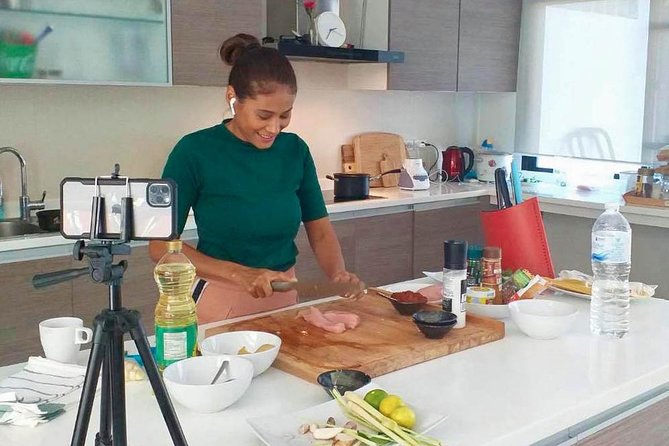
- Private, face-to-face instruction so you can ask questions and get corrections in real time
- Northern Thai + Akha culture taught alongside classic cooking techniques
- Step-by-step guidance covering street-food style dishes, stir-fries, curries, and seafood options
- Full-color digital cookbook with technical advice, tips, and tricks for later
- A teaching team with real experience in Chiang Mai, offering this coursework online after running their in-person school for years
A Chiang Mai Cooking Class You Run From Home
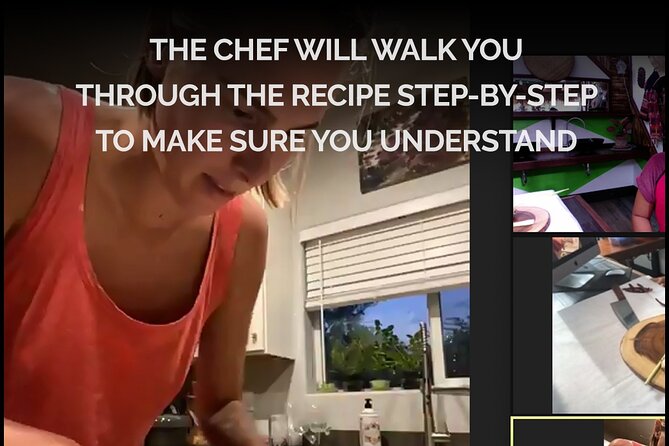
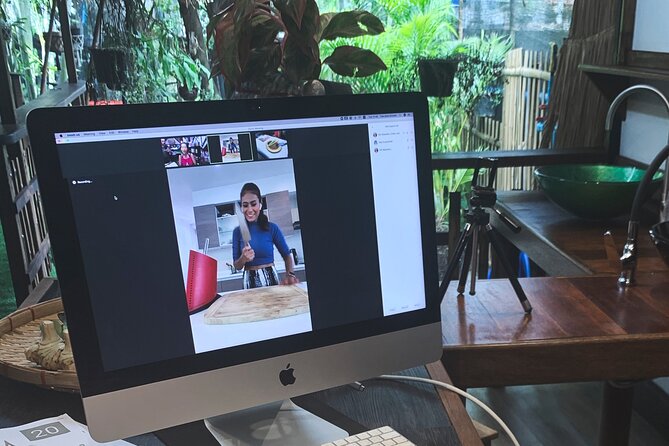
This experience is built for one simple idea: you should be able to learn Thai cooking without having to be in Chiang Mai. The class runs for about 1 hour 30 minutes, and it’s conducted online with a Thai-Akha instructor who guides you in English. That means you’re not just watching a video. You’re cooking while someone coaches you through the process.
What makes it more interesting than a generic online cooking video is the cultural angle. You’ll learn about the Akha, an indigenous hill tribe of Southeast Asia, and connect food choices to heritage and technique. If you’ve ever wondered why Thai dishes taste the way they do, this kind of context can help your brain make sense of flavors instead of treating everything like a recipe-only equation.
And because it’s a private course, you’re not stuck with the “catch up later” problem that happens in larger group classes. Your instructor can slow down, repeat, or reframe depending on what you’re doing.
You can also read our reviews of more tours and experiences in Chiang Mai.

What the 1.5-Hour Session Feels Like (and How to Follow Along)
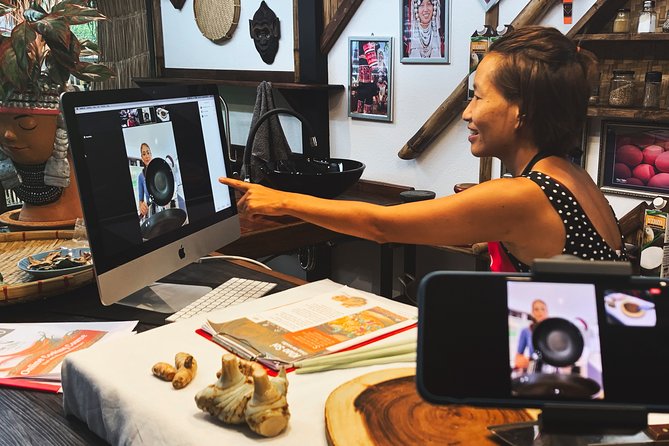
The exact dish lineup isn’t listed here, but the class covers a range of classic northern Thai cooking styles—think street-food style dishes, stir-fries, curries, and seafood. That range matters, because Thai cooking techniques don’t all work the same way. Some things move fast over high heat; others need simmering time and balance.
The way these classes typically work (and how this one is described) is straightforward:
- You get a welcome and orientation while the instructor explains what you’ll be making and how you’ll approach it.
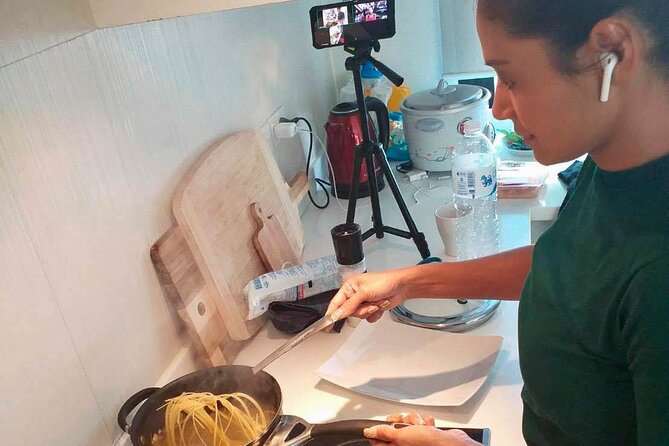
- You then follow a step-by-step flow in real time, with you cooking in your kitchen as the instructor demos or cues the next move.
- The instructor includes Thai and Akha heritage notes while you cook, so you’re not only learning how to do something—you’re also learning why it’s done that way.
- You finish with the digital cookbook so you can reproduce the dishes later with fewer starts-and-stops.
A quick practical point: since you’re cooking in your own space, you’ll get the most from the class if you prep your setup first. Clear counter space, line up utensils, and make sure your ingredients (which aren’t included) are ready. If you want to ask questions, keep a phone or tablet propped so you can see the instructor and not constantly rotate devices.
Northern Thai Meets Akha Heritage: Why This Combo Matters
Northern Thai cuisine is its own world. The flavors often lean into balance—aromatics, heat, tang, and richness moving together rather than one ingredient dominating. This class adds another layer by pairing that food with Akha culture.
Even without a long lecture, the heritage connection can change how you taste. Instead of seeing a sauce as just a “mix,” you start noticing how ingredients work as a system: what’s used for aroma, what’s used for brightness, and what’s used for depth. The class is designed so Thai technique and Akha background are taught alongside the cooking steps.
That can be especially helpful if you’re new to Thai cooking. Beginners often struggle with timing and seasoning. When you understand the roles of ingredients and how techniques affect taste, you’re more likely to get consistent results even when you’re cooking at home with your own pans and stoves.
Private Instruction That Keeps You From Guessing
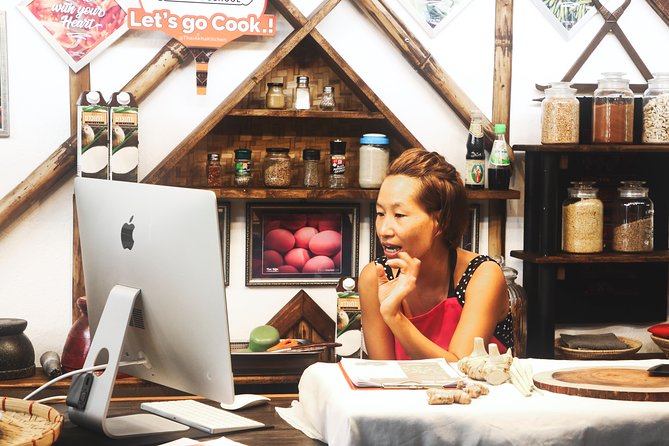
This experience is advertised as private, and the value here is that you get undivided attention. In other words, you’re not hoping the teacher notices your question, your mistake, or your timing problem.
The instructor is described as friendly, well-traveled, and knowledgeable, with firsthand insight into Thai and Akha history. And multiple past students praised instructors by name—Niti is specifically mentioned for being patient and supportive, especially for people who were trying this type of class for the first time.
Here’s what that means for you:
- If you’re a beginner, you’ll want an instructor who explains the basics without making you feel behind. Patient coaching is what helps you move from reading a recipe to actually cooking it.
- If you already cook, tailored advice is how you improve. You can ask about substitutions, technique tweaks, or how to manage heat without losing flavor.
This is also a good fit if you’re cooking with friends. The course is private for your group, so you can still compare notes and ask questions as you go, without being swallowed by a big class’s pace.
The Digital Cookbook: Your Ongoing Memory of the Class
One of the most practical parts of this experience is the takeaway: a full-color digital copy cookbook. It includes cooking tips and tricks plus lots of technical advice.
Why that matters is simple. Online classes can be fun, but remembering exact steps later is where many people fall off. A cookbook with technical notes is designed to reduce that gap. You don’t just get a list of ingredients; you get guidance you can use when you’re at your stove at 7 p.m. on a weeknight.
When you’re learning Thai cooking, the technical details are often the difference between a good attempt and a great one. Terms like heat control, seasoning timing, texture checks, and how to build balance matter. The cookbook is specifically described as having lots of technical advice, so you’re more likely to cook confidently after the class ends.
Pro tip for using it well: skim the cookbook right after the class while your steps are fresh. Then pick one dish you feel most confident about and make it again within a week. That’s the fastest way to turn a one-time session into real skill.



Price and Value: Is $34.88 a Fair Deal for This Setup?
At $34.88 per person for roughly 1.5 hours of private, face-to-face instruction, this is priced like an accessible learning experience rather than a high-end workshop. The key value point isn’t just that you get a Thai lesson. It’s that you get coaching you can interact with, plus a digital cookbook after.
Now, the budget reality check:
- You’re not paying for ingredients. They aren’t included.
- You’re not paying for specialized equipment. Equipment isn’t included either.
So your real cost depends on what you already have and what you’ll need to buy. If your kitchen is already stocked with basics, the price can feel like a bargain because the instruction is the expensive part. If you have to purchase a lot of ingredients from scratch, the class becomes a partial ingredient budget too.
Still, compared with many cooking classes that require buying gear, traveling, and paying for in-person time, this stands out for its low friction. You can take it from anywhere in the world, which is why it’s also been a popular gift idea.
Who Should Book This Online Thai and Akha Cooking Class?
This class is a strong match if you want one of these outcomes:
- You want to learn Thai cooking basics and techniques without needing to travel right now.
- You’re curious about northern Thai cuisine and how Akha heritage connects to food culture.
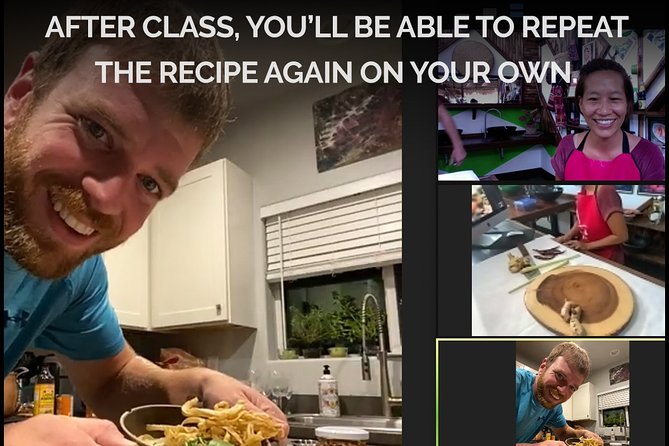
- You like the idea of cooking while an instructor watches and helps you adjust in real time.
- You’re looking for a gift option that feels educational, hands-on, and not just a ticket to an event.
It also works for beginners, but it’s not only for beginners. The class can be tailored for chefs who want to learn something new straight from the source. That means you can show up with questions and level up rather than treat it like a repeat of something you already know.
One more thought: if you’re the kind of cook who hates vague instructions, this class is built to avoid that. Step-by-step guidance plus a real instructor is the opposite of “good luck.”
Practical Tips So the Cooking Part Goes Smoothly
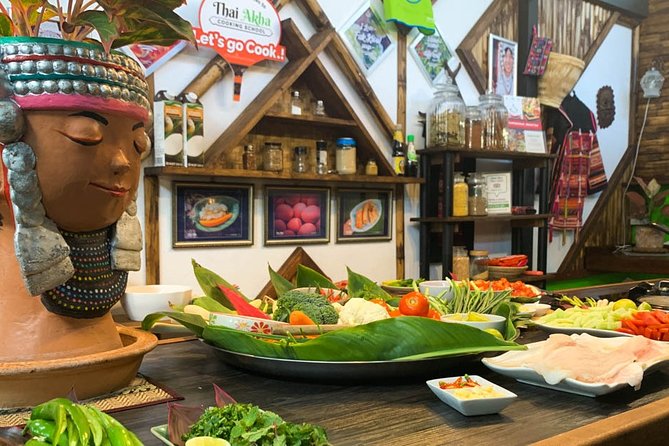
Since ingredients and equipment aren’t included, your success depends a lot on how you prepare at home. Here’s how to set yourself up without turning it into a whole project:
- Read your plan ahead of time: if you know what dishes you’ll be making, check you have what you need.
- Do a quick space check: make sure you have room for a pot/pan setup and a place to rest utensils.
- Keep water and basic cleanup tools nearby: cooking gets messy, and you’ll move faster if you can clean as you go.
- Have at least one way to watch comfortably online: steady device placement helps you follow steps without squinting.
If you get stuck, ask. The whole point of a private class is getting corrections and guidance instead of silently troubleshooting.
Should You Book It? My Straight Answer
Yes—if your goal is hands-on Thai cooking instruction from home, this is easy to recommend. The best reason to book is the combination of private coaching and an actual learning takeaway (the digital cookbook with technical guidance). At this price point, you’re paying for expert direction without needing travel, which is a big deal for time and money.
I’d hesitate only if you want ingredients and equipment provided, or if you’re expecting an experience that’s mostly “watch and taste.” This one is for cooking, and cooking requires you to come ready with your supplies.
If you’re flexible, patient with yourself, and excited to cook while you learn, this class is a solid value. And if you’re buying a gift, it also has that practical appeal: you’re giving someone a skill they can repeat, not just a one-time entertainment moment.
FAQ
How long is the online Thai and Akha cooking class?
It runs for about 1 hour 30 minutes (approx.).
How much does it cost?
The price is $34.88 per person.
Where does the class take place?
It’s an online class. The provider lists a Chiang Mai address as the activity start point, and the activity ends back at the meeting point.
Is this class private?
Yes. It’s a private tour/activity, and only your group participates.
What do I get included with the experience?
You get a private course with face-to-face instruction from a Thai-Akha instructor, plus a full-color digital cookbook with technical advice and cooking tips.
Are ingredients and kitchen equipment included?
No. Ingredients and kitchen equipment are not included.
Is the class suitable for beginners?
Yes, it’s suitable for beginners, and it can also be tailored for more experienced cooks who want to learn something new.