REVIEW · BANGKOK
Bangkok: Cooking Class + Tuk Tuk Ride + Market Tour
Book on GetYourGuide →Operated by Arun Thai Cooking · Bookable on GetYourGuide
A market stop followed by a real cooking session. I like how this one stacks a shared tuk tuk ride with a hands-on Thai menu you actually learn. You start at Prannok Market, pick ingredients, then cook in a clean, spacious kitchen built for learning.
My other favorite part is the way the guides connect ingredients to the dishes you’ll make next. You’ll see things like coconut cream being prepared and learn what Thai herbs bring to flavor, not just what to add. One heads-up: there’s no hotel pickup, so you’ll need to get to Arun Thai Cooking School yourself.
In This Review
- Key things I’d plan around
- A 3.5-hour Bangkok mix: tuk tuk + Prannok Market + your own Thai lunch
- Entering the renovated Arun Thai kitchen: why the space feels easier
- Prannok Market tour: shopping for flavor like a local
- Cooking four Thai dishes: the menu, the skills, and what to watch for
- Tom Yum Prawns: sour, salty, and fragrant
- Pad Thai Prawns: tamarind sweet-sour with noodles that need control
- Massaman Curry Chicken: the comfort curry logic
- Mango Sticky Rice: dessert you can actually reproduce
- Food you’ll eat and how this class handles diets
- Duration and timing: why 3.5 hours is the right kind of short
- Where to meet (and how to get there without hotel pickup)
- Price and value: is $42 worth it?
- Who this class suits best
- Should you book this Bangkok cooking class?
- FAQ
- How long is the Bangkok cooking class and market tour?
- What does the $42 price include?
- Do I get hotel pickup or drop-off?
- Where do I meet for the activity?
- What dishes will I cook?
- Does the class offer vegetarian options?
- What should I bring?
- What do I need to know about allergies?
- What languages are offered?
- Quick booking call
Key things I’d plan around
- Shared tuk tuk ride that gets you from the school area to the local market fast
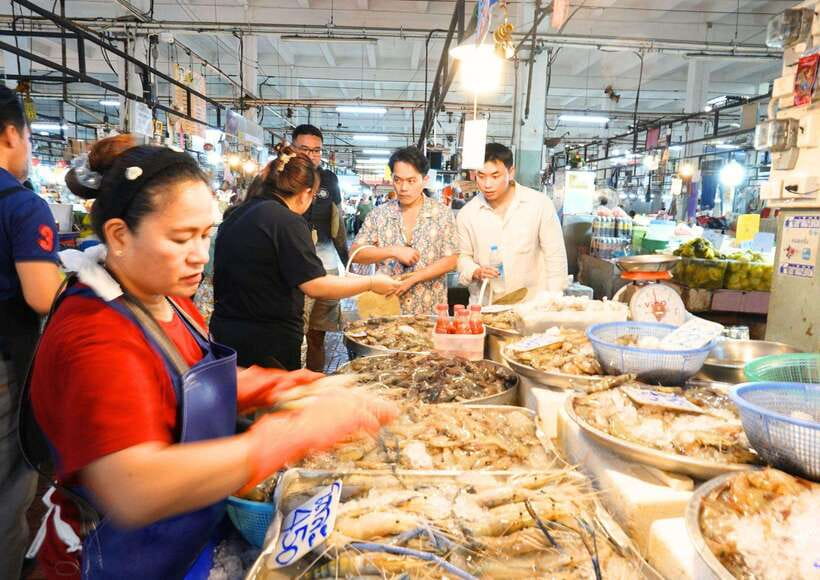
- Prannok Market tour with ingredient shopping (and tastings) before you cook
- Cook 4 dishes: Tom Yum Prawns, Pad Thai Prawns, Massaman Curry Chicken, Mango Sticky Rice
- Spacious setup with dedicated stations and a separate prep/cooking flow
- Dietary support, including vegetarian options and handling for dietary needs if shared ahead of time
- Bring an empty stomach because you’ll eat what you cook
A 3.5-hour Bangkok mix: tuk tuk + Prannok Market + your own Thai lunch
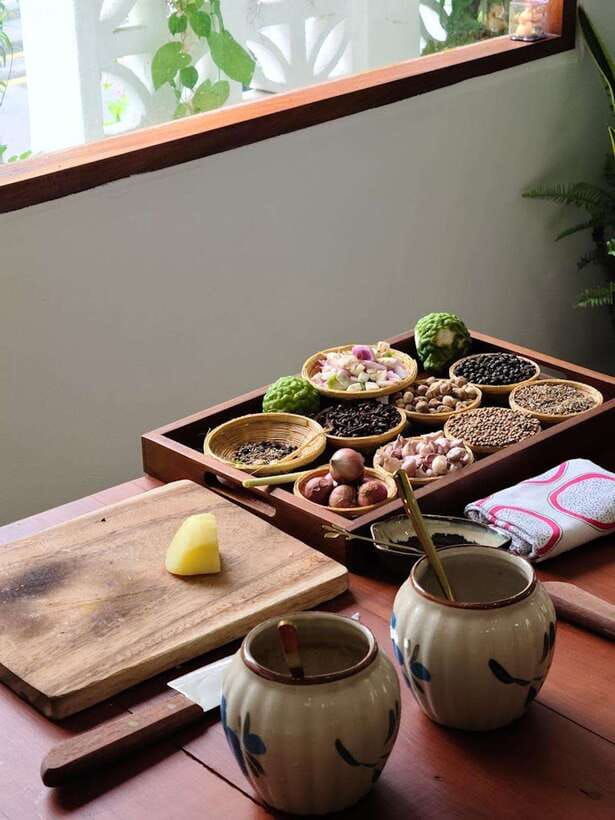
This is a compact Bangkok experience that still feels complete. In about 3.5 hours, you get out of the Icon Siam and riverside zone, tour a real neighborhood market, and then cook four dishes at the school.
The order matters. The market part teaches you what you’re buying and why, and the kitchen part turns those ingredients into recognizable Thai classics. If you’re the type who wants to do more than snack and watch, this format fits you.
Your group starts with a short shared tuk tuk ride to the market area. Then you shop and taste. Finally, you return to cook in a renovated space where you’ll work from station to station, not just stand behind someone.
You can also read our reviews of more tours and experiences in Bangkok.
Entering the renovated Arun Thai kitchen: why the space feels easier
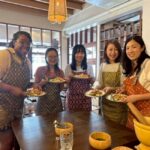
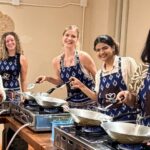
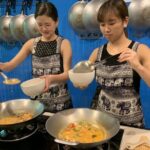
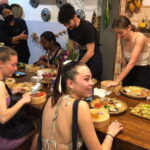
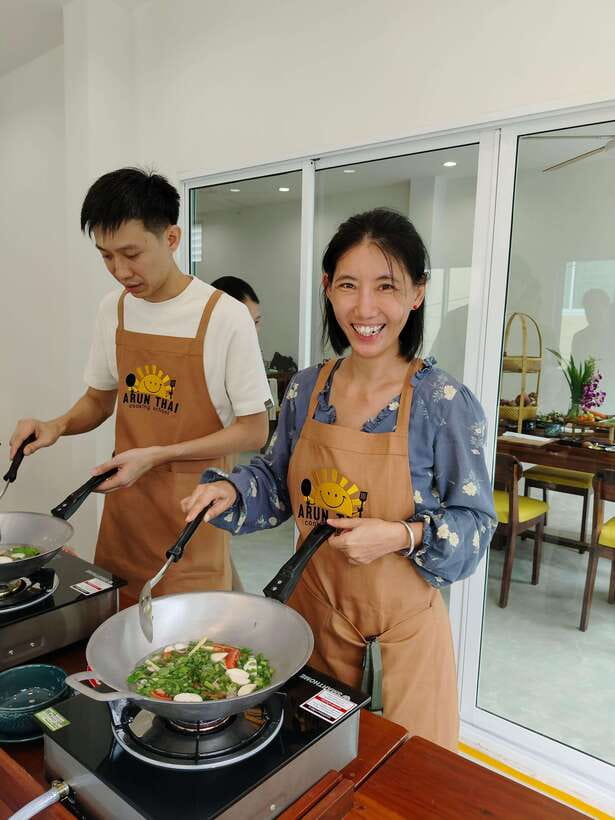
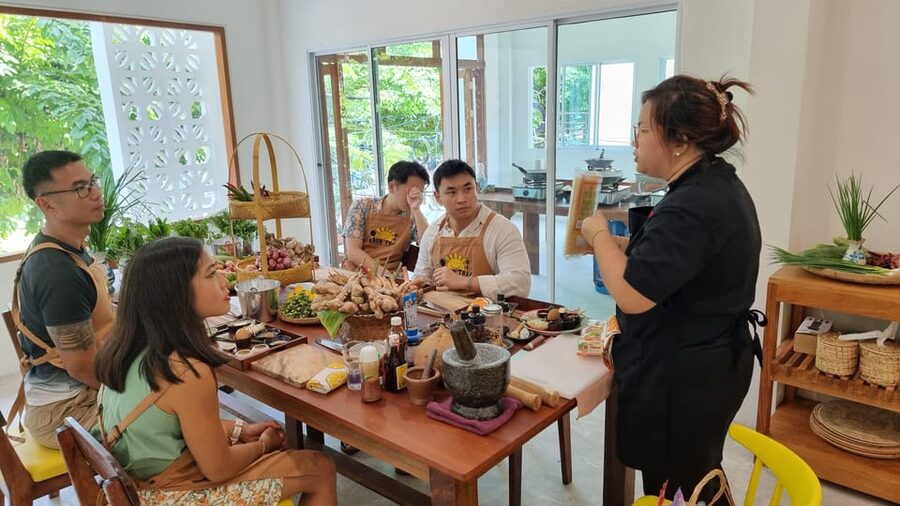
Arun Thai Cooking has a newly renovated and clean setup, and you’ll feel that the moment you walk in. The kitchen is spacious enough that you’re not squeezed into one cramped row, which makes a big difference when you’re trying to follow steps.
From what I see in the class flow, there are often two rooms: one for prep and another focused on cooking. That helps you stay organized, especially when you’re moving between sauces, chopping, mixing, and the actual heat-and-stir part.
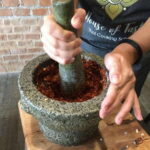
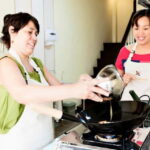
You’ll cook at your own station with your instructor guiding the process. The feedback here is that instructions are easy to remember, with clear explanations of ingredients and methods step by step. That’s what turns a Thai cooking class into something you can repeat at home.
If you care about photos: one person noted they didn’t get many photos while cooking. So if you want lots of action shots, plan to use your phone yourself during prep and plating.
Prannok Market tour: shopping for flavor like a local
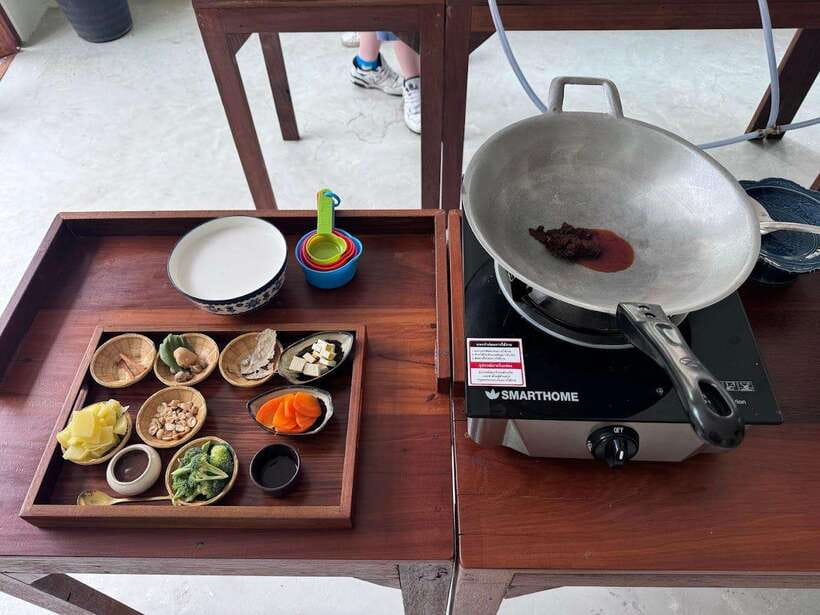
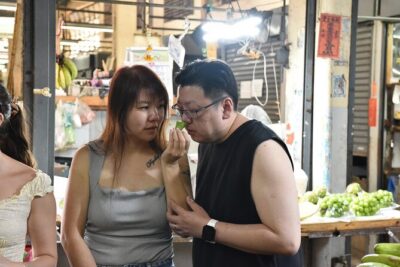
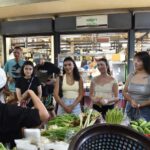
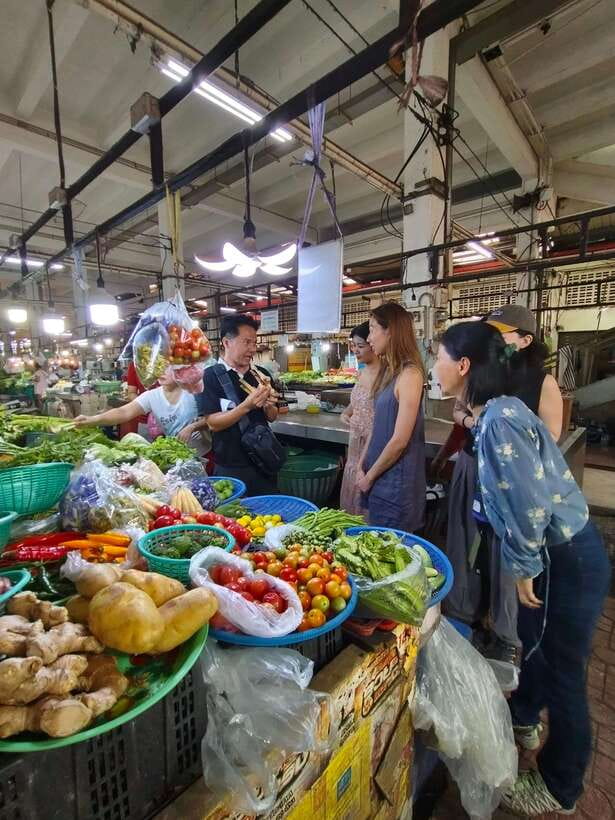
The market stop is short and focused, but it’s not a quick walk-past. You’ll spend time at Prannok Market, where the stalls you visit have been around for decades. Your chef guide leads you through what to look for and what makes Thai ingredients work together.
This is where you’ll start building confidence. Instead of learning recipes as a list, you learn what Thai foods smell and look like before they hit the pan. You also get to ask questions as you browse, which is much better than guessing later in your own kitchen.
Expect to see and learn about items that show up across Thai cooking:
- Fresh tropical fruits and snacks you can taste along the way
- Spices, curry pastes, and prawns as key ingredients
- Rare Thai herbs and vegetables that aren’t just garnish
- Coconut cream making, plus the idea of how coconut milk/cream changes texture and richness
One cultural moment you may hear about: a practice involving releasing live fish for good karma. It’s the kind of story that makes the food feel tied to daily life, not just tourism.
You’ll also hear about the neighborhood and the stories linked to the dishes you’ll cook. That context won’t replace learning the recipe, but it makes the flavor choices click.
Cooking four Thai dishes: the menu, the skills, and what to watch for
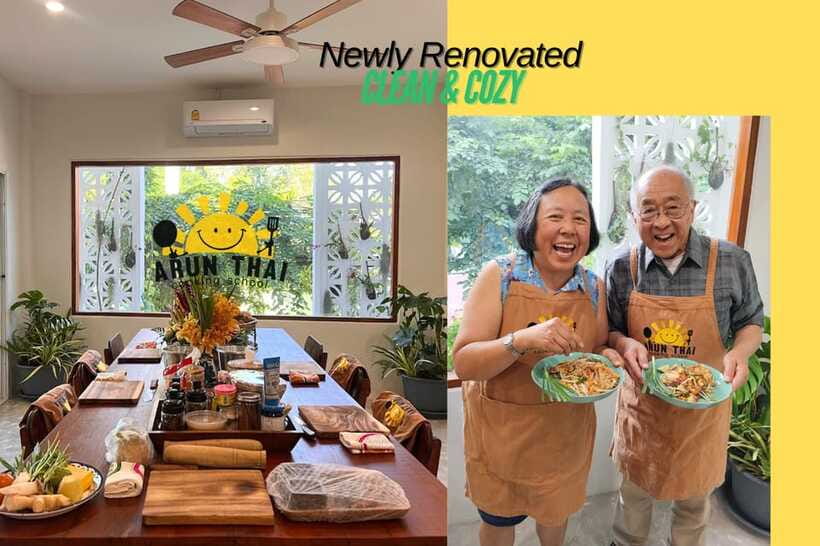
You’ll cook 4 dishes, all classic and all different enough that you learn more than one technique. The menu is Tom Yum Prawns, Pad Thai Prawns, Massaman Curry Chicken, and Mango Sticky Rice.
Here’s how the dishes help you understand Thai cooking.
Tom Yum Prawns: sour, salty, and fragrant
Tom Yum is a fast-moving soup with intense flavor balance. You’ll learn how Thai herbs and aromatics create that signature fragrance, and how prawns fit in without overpowering the broth.
Watch the timing. Tom Yum is the dish where small delays matter, because the soup is about freshness and immediate flavor. You’ll come away understanding how to build flavor quickly rather than simmering everything into sameness.

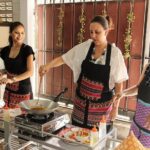


Pad Thai Prawns: tamarind sweet-sour with noodles that need control
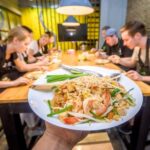
Pad Thai is equal parts sauce and technique. You’ll work with the elements that make Thai noodle flavor sing, including the sweet-sour balance that comes up again in other Thai dishes.
This dish teaches a practical skill: how to manage heat and timing so noodles don’t go from springy to sad. If you want to cook Thai again at home, Pad Thai is the one you’ll feel most motivated to redo.
Massaman Curry Chicken: the comfort curry logic
Massaman Curry is deeper and warmer than many Thai curries, with a cozy feel that’s still distinctly Thai. You’ll learn how curry paste and spices translate into sauce, then how the protein and timing shape the final texture.
This is a great dish if you like your Thai food with more body. It also teaches you how curry works as a flavor system, not just a single paste.
Mango Sticky Rice: dessert you can actually reproduce
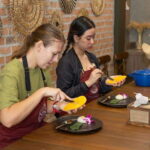
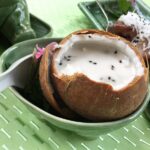
Mango Sticky Rice is the payoff. You’ll learn how sticky rice and coconut come together, and why coconut cream matters to the final taste and mouthfeel.
One reason this class works: you don’t just end with dessert. You end with a dish that builds on what you saw in the market, including how coconut is handled.
Food you’ll eat and how this class handles diets
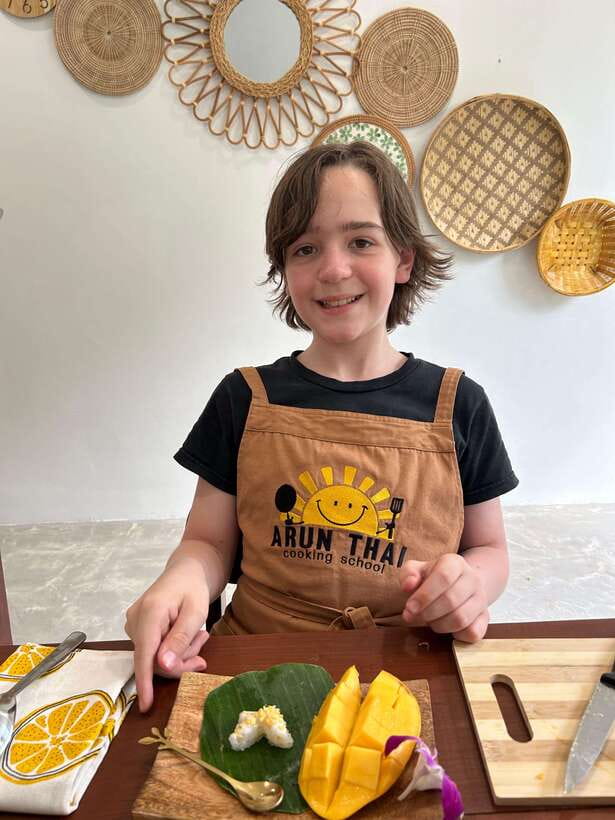
Come with an empty stomach. That line is there for a reason. You’ll eat what you cook, and the portion experience should help justify the money.
This isn’t only about tasting. The class structure is built so you understand what you’re doing, so your food at home tastes closer to what you made in Bangkok.
Vegetarian diners are accommodated, and dietary needs can be handled if you share allergy information in advance. That matters, because Thai cooking uses a lot of ingredients that can hide in sauces and pastes.
I’d plan to tell them clearly what you can’t have before the session starts. Don’t wait until you’re at the stove, because that’s when everyone is moving fast and learning.
Duration and timing: why 3.5 hours is the right kind of short
A 3.5-hour class is long enough to teach you something real, but short enough to fit into a typical Bangkok schedule. You get morning or afternoon value without losing half a day to transit and waiting.
The tour starts at a set meeting time, so you’ll want to check availability for the starting slots. Because tuk tuk rides and market browsing take real time in Bangkok traffic and footpaths, starting on the correct time helps.
Plan your day with a little buffer. You’ll be walking through a market, then standing at a station while cooking. If you pack your schedule with another attraction immediately afterward, you might feel rushed.
Where to meet (and how to get there without hotel pickup)
This is a simple point, but it can make or break your experience.
You meet on the 2nd floor of the building at Arun Thai Cooking School. The course ends back at the meeting point, and there’s no hotel pickup and drop-off.
The school is near Icon Siam and Wat Arun, which is helpful when you’re already exploring that side of the river. You still need to route yourself to the school on your own, though, so build in time to find the exact building entrance.
What to wear: comfortable clothes that work for cooking, plus sun protection. Bangkok heat is real, and you’ll appreciate being able to move around comfortably during the market portion.
Price and value: is $42 worth it?
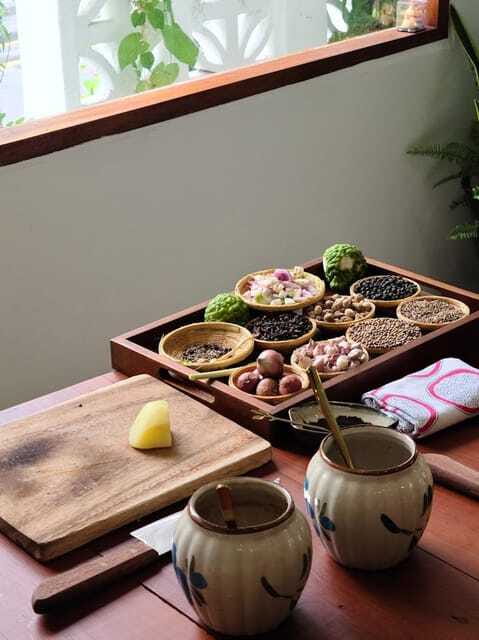
At $42 per person, you’re paying for three things in one: ingredient shopping time, a structured cooking class, and a short tuk tuk transfer. In Bangkok, you can often find cheaper cooking classes, but many don’t add the market component or the level of hands-on guidance.
This one feels like good value because:
- You learn ingredients first, then cook immediately
- You make 4 dishes, including dessert
- The kitchen is clean and spacious, which improves how smoothly the class runs
- The instruction is described as easy to follow, with step-by-step clarity
The price is also easier to swallow if you like cooking and want a skill upgrade, not just a meal. If you’re hoping to sample food only, you may decide it’s pricier than a street-food crawl. But if you want the how and the why, this is a reasonable deal.
Who this class suits best
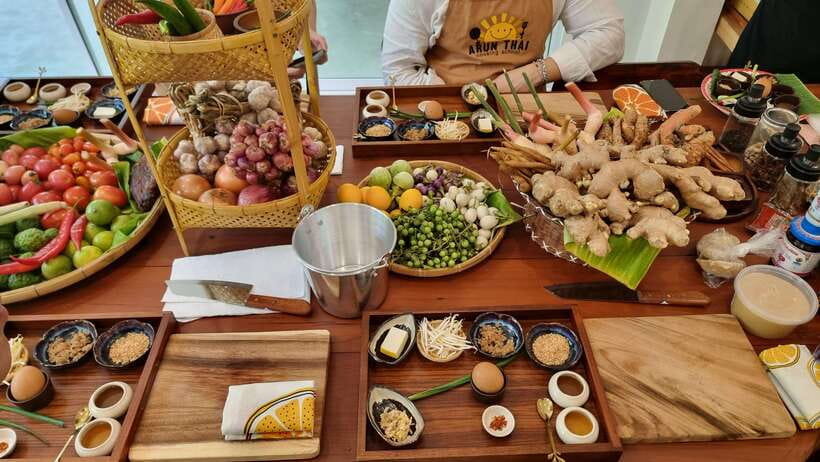
This is a strong fit for beginners and experienced cooks. The class supports all skill levels, and the flow is designed so you can follow along without needing to already know Thai techniques.
It also suits food lovers who want to understand ingredients instead of memorizing recipes. The market component, including coconut cream making and the herb/spice talk, gives you context you won’t get from a pure kitchen-only class.
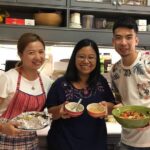
If you’re traveling with a parent, this format can work well too. One shared experience highlighted cooking alongside a family member and leaving with skills they could reuse later.
Should you book this Bangkok cooking class?
Yes, if you want a hands-on Thai cooking experience that starts with real ingredient shopping. The combination of a Prannok Market tour, a short tuk tuk ride, and cooking four dishes in a renovated kitchen is a solid use of a 3.5-hour window.
Book if you’re open to learning steps you can repeat at home, especially for Tom Yum, Pad Thai, Massaman Curry, and Mango Sticky Rice. Also book if you’d like a vegetarian-friendly option and can share allergy needs ahead of time.
Skip it only if you’d rather spend your time purely on food sampling, with no intention of cooking. Or if the lack of hotel pickup will make your logistics too stressful for the day.
FAQ
How long is the Bangkok cooking class and market tour?
The experience runs for about 3.5 hours.
What does the $42 price include?
It includes the shared tuk tuk ride to the market, the Prannok Market tour, cooking class for 4 Thai dishes, all cooking ingredients, and refreshments.
Do I get hotel pickup or drop-off?
No. You’ll need to get to the meeting point yourself, and the tour ends back where it started.
Where do I meet for the activity?
Meet on the 2nd floor of the building at Arun Thai Cooking School.
What dishes will I cook?
You’ll cook Tom Yum Prawns, Pad Thai Prawns, Massaman Curry Chicken, and Mango Sticky Rice.
Does the class offer vegetarian options?
Vegetarian options are available, and dietary needs can be accommodated if you provide details in advance.
What should I bring?
Bring a sun hat, sunscreen, and comfortable clothes suitable for cooking.
What do I need to know about allergies?
You must provide allergy information in advance.
What languages are offered?
The instructor languages are English and Chinese. Chinese classes are offered six days a week with partial translation available on other days.
Quick booking call
If you want the best chance of learning Thai cooking you can redo at home, book this. The market ingredient step plus the hands-on kitchen work makes the whole experience more than a tasting session, and the renovated space helps the class feel comfortable and organized.