REVIEW · BANGKOK
Thai Herbal Cooking Class & Market Tour in Bangkok
Book on GetYourGuide →Operated by Plan Vacation Asia Co.,Ltd · Bookable on GetYourGuide
Thai herbs make Thai cooking feel personal.
This half-day Bangkok experience mixes a guided market walk with a hands-on cooking class, so you get both the why and the flavor. I especially like the small group size (max 8) and the focus on fresh Thai herbs for cooking and wellness, not just heat and salt. One thing to consider: you’ll do moderate walking and standing, so comfortable shoes matter.
The day also runs like a family kitchen day, not a factory class. You start with ingredients and herb know-how, then cook in a cozy home-style setup guided in English by Sunee and her team, with help and easy step-by-step instruction. If you’re looking for a big, showy production with zero food education, this may feel more thoughtful than flashy.
In This Review
- Key highlights to look forward to
- How the herbal focus changes the whole cooking class
- Meeting at MRT Huai Khwang and the market walk for real ingredients
- Sunee’s home-style kitchen: herb garden time before you cook
- What you’ll cook: 4 dishes plus dessert with herbal balance
- Herbal tea tasting: the wellness part you can actually use
- Eating together: what the meal feels like and what you take home
- Price and value: is $77 a fair deal in Bangkok?
- Who should book this and who might want a different class
- Practical tips for a smooth half-day in Bangkok
- Should you book this Thai Herbal Cooking Class & Market Tour?
- FAQ
- Where do you meet for the Thai Herbal Cooking Class & Market Tour?
- What time does the market tour and class start?
- What language is the class taught in?
- What is included in the price?
- What dishes will I cook?
- Can you accommodate dietary restrictions or allergies?
- How big is the group?
- Is alcohol included?
Key highlights to look forward to
- Max 8 people: personal attention instead of shouting over a crowd
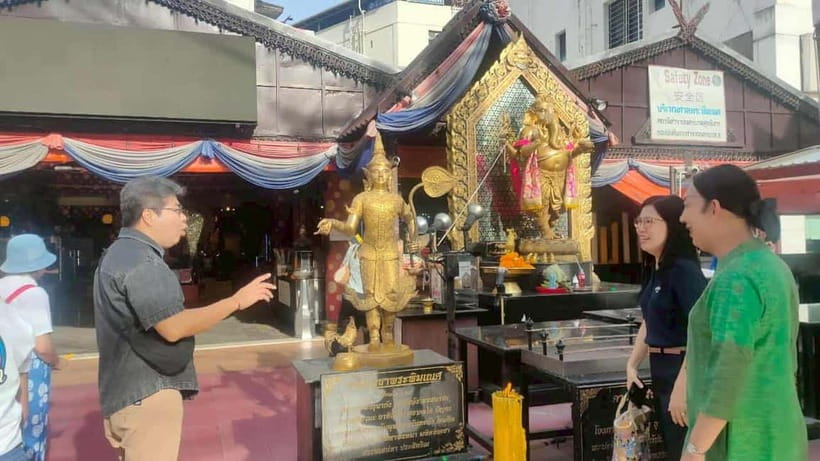
- Market walk for herb context: learn what Thai people buy and why, including how herbs show up in daily remedies
- Garden tour + herb welcome drink: a quick reset before the cutting and cooking starts
- Cook 4 dishes + 1 dessert: each recipe spotlights herbs in Thai cooking
- English instruction with recipes after: you’ll leave with digital recipes and notes you can actually use
- Herbal tea tasting: you learn how Thai wellness ideas show up in meal balance
How the herbal focus changes the whole cooking class
Most Bangkok cooking classes teach technique. This one adds another layer: herbs as both flavor and tradition. The point isn’t just using basil, cilantro, or curry leaves because they taste good. You’ll also hear about how Thai cooks think about herbs in daily life, including the wellness side of things—tea tasting is part of that story.
I like that the class treats herbs as ingredients with personality. You’re not only learning steps like chop, sauté, simmer. You’re learning what the herb brings to the dish and when it makes sense to add it. That’s the difference between a recipe you follow blindly and one you can adapt later when you shop for ingredients at home.
The small-group format matters here too. With a max of 8 people, instructors can correct your chopping, explain substitutions, and check your sauces as they reduce. That’s how you actually end up with food you want to eat, not just food you hope turns out.
You can also read our reviews of more tours and experiences in Bangkok.
Meeting at MRT Huai Khwang and the market walk for real ingredients
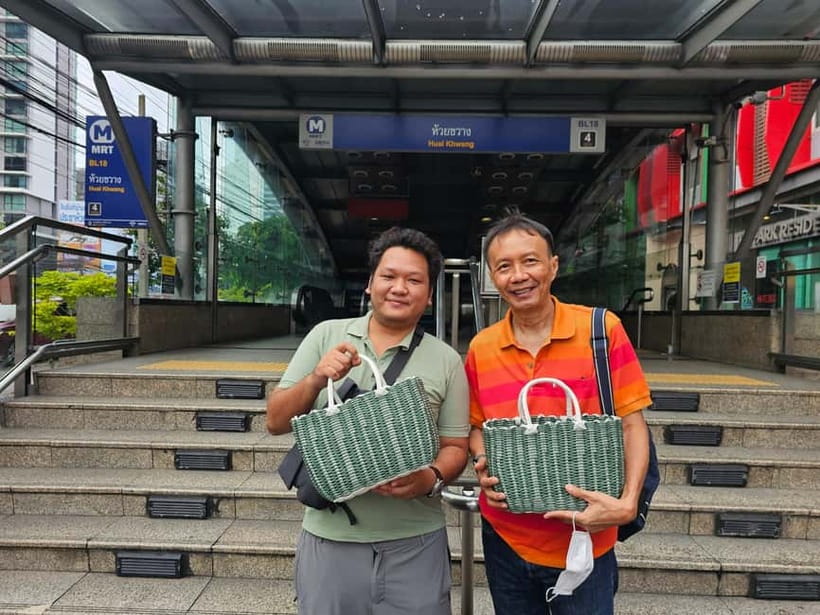
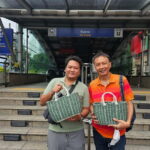
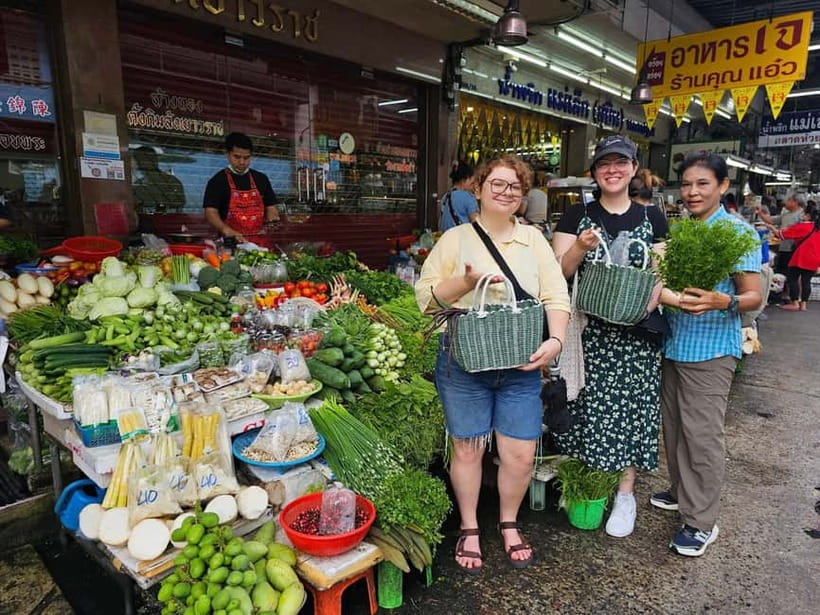
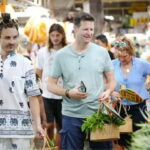
The day starts at MRT Huai Khwang Station (Exit 4). From there, you’ll head into the local market with your guide and begin building your meal from what’s fresh and in season.
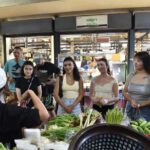
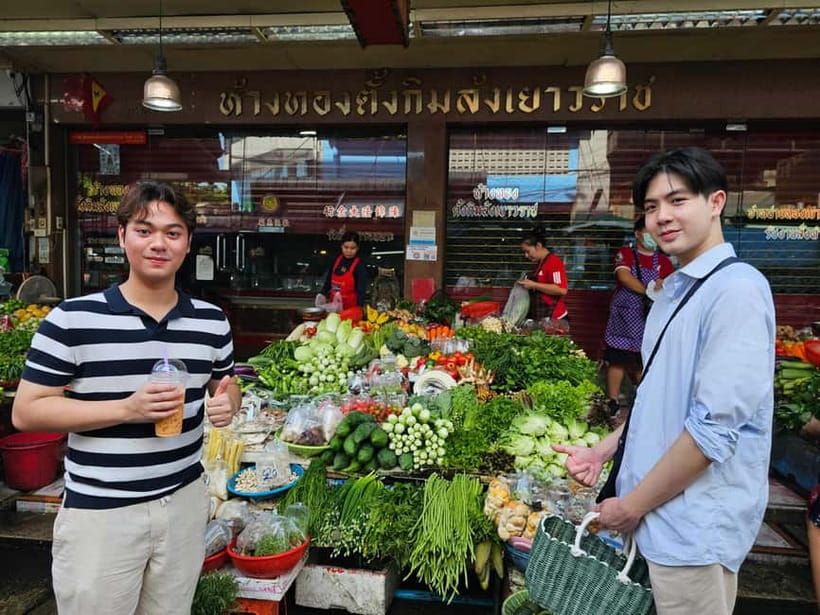
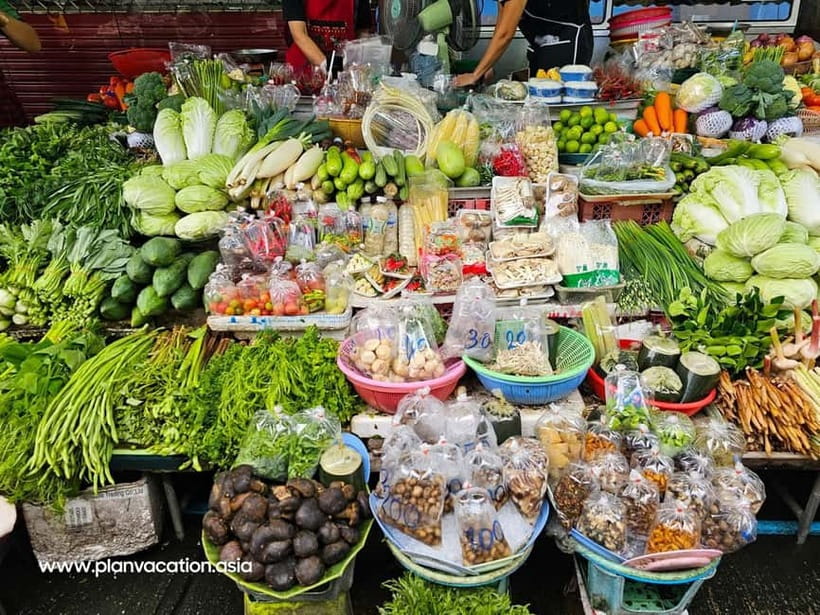
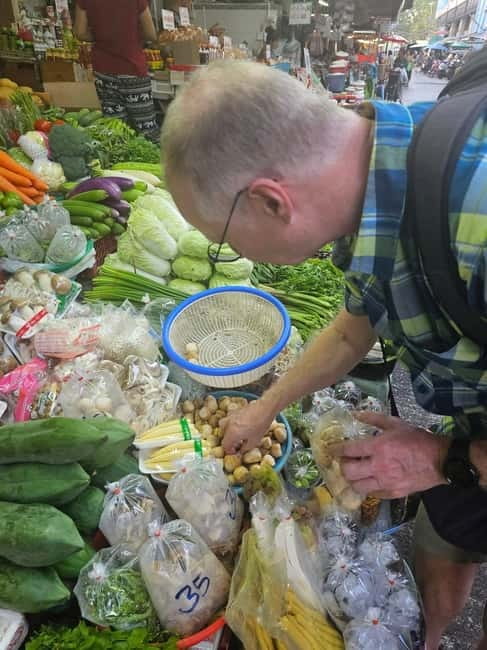
This market walk is where the class earns its “herbal” name. You’ll browse stalls stocked with aromatic herbs, vegetables, and seasonal fruit. More importantly, you learn how Thai people select ingredients for cooking and everyday use. The herb angle is practical: what to look for, how herbs smell when they’re at their best, and how different herbs get used for flavor depth rather than just garnish.
Market time also teaches a key cooking skill: buying with the final dish in mind. Thai cooking leans hard on balance—sweet, salty, sour, herbal fragrance, and heat. When you learn which herbs fit which dish, you stop treating them as interchangeable and start tasting the role they play.
Comfort note: the market portion involves walking and standing at a local pace. Plan for it with comfortable shoes and clothing that’s easy to move in. If you get tired easily standing, take short breaks and sip water when you can.
Sunee’s home-style kitchen: herb garden time before you cook
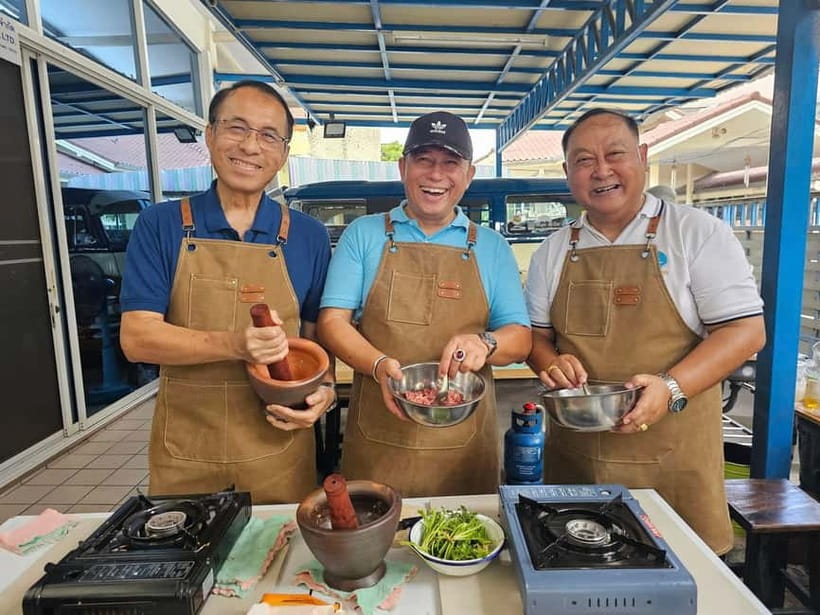
Back from the market, you go to the cooking venue and get a herbal welcome drink. It’s a small moment, but it sets the tone: herbs aren’t just for the wok.
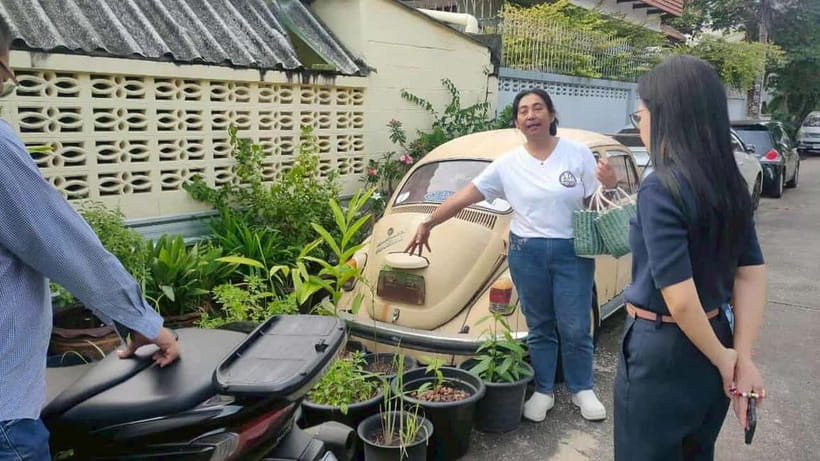
You’ll also get a guided garden tour showcasing herbs and plants used in cooking. This is one of those parts that quietly helps the rest of the class. Seeing the plant (or a close cousin) makes it easier to remember what you tasted at the market and what you’re supposed to look for while cooking.
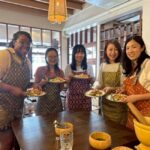
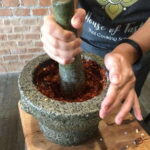
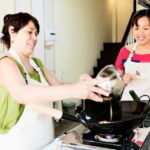
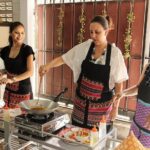
Then the real cooking starts in a cozy, family-style kitchen setting. Expect a more relaxed atmosphere than the big-class vibe. People cooking side-by-side, passing ingredients, and working at a pace that lets you learn. Step-by-step guidance is provided in English, so you’re not stuck guessing when a sauce should thicken or a paste should change color.
A detail I’d call out from the experience: you may work directly with ingredients like jasmine buds, banana leaves, and lotus flowers. That kind of hands-on learning is hard to replicate on your own unless you’re already comfortable with Thai specialty produce.
What you’ll cook: 4 dishes plus dessert with herbal balance
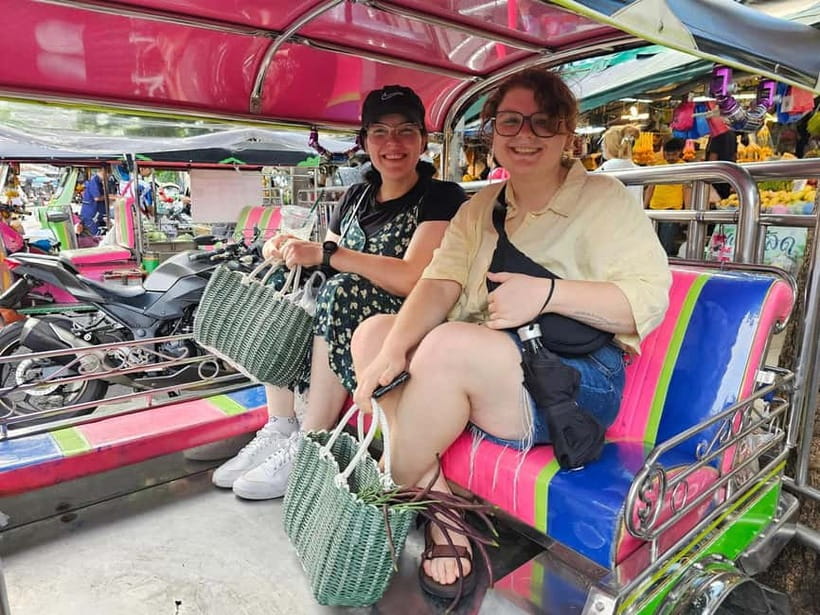
This class follows a rotating daily menu. The structure is consistent: you’ll prepare four Thai dishes and one dessert, each with an herbal focus.
You’ll typically start with ingredient introductions—coconut milk and curry paste are covered—so you understand what you’re building your flavor base from. Then you split into cooking sessions that cover soups, stir-fries, salads, curries, and dessert.
Here are the daily menu examples:
- Monday: Beef Panang Curry; Stir-fried Morning Glory with Red Chili; Poached Eggs; Fried Chicken with Thai Herbs; Khanom Tom (coconut balls)
- Tuesday: Tom Kha Gai (chicken coconut soup); Stir-fried Tofu with Bean Sprouts; Deep-fried Pork with Herbs; Fried Rice; Steamed Pandan Layer Cake
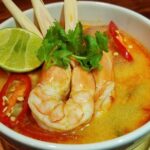
- Wednesday: Hot and Sour Shrimp Soup with Mixed Vegetables; Stir-fried Chicken with Holy Basil; Thai Omelet; Thai-style Fried Noodles; Kanom Tuay (steamed coconut custard)
- Thursday: Stir-fried Bamboo Shoot with Curry Paste; Clear Tofu Soup; Deep-fried Pork Belly with Herbs; Chinese-style Fried Noodles; Steamed Banana Cake
- Friday: Chicken Green Curry; Stir-fried Kale with Salted Fish; Fried Chicken with Garlic and Pepper; Stir-fried Rice Noodles with Soy Sauce; Soft Mung Bean Crepe
- Saturday: Som Tum (papaya salad); Spicy Minced Meat Salad; Hot and Spicy Soup; Fried Chicken with Thai Herbs; Banana in Coconut Milk
- Sunday: Tom Yum Gai (spicy chicken soup); Stir-fried Napa Cabbage; Stir-fried Beef with Red Curry Paste; Stir-fried Rice Noodles with Chicken; Poached Pumpkin in Coconut Milk
A nice bonus you can expect in the learning: you’ll likely go beyond just cooking what’s in front of you. In smaller groups, you might even get more choice about what you prepare. And you’ll learn practical techniques like working with herbs for pastes and finishing aromas at the right moment, not just dumping them in at random.
Also, because this is herb-forward, you’ll see how Thai cooks use fragrance carefully. Some herbs show up early to shape the base. Others go in later to keep their aroma bright. That’s a skill you’ll keep using long after you leave Bangkok.
Herbal tea tasting: the wellness part you can actually use
The class doesn’t treat wellness as a vague slogan. After cooking, you’ll learn about Thai herbal teas and their wellness benefits, then taste them as part of the overall meal experience.
The most useful part isn’t memorizing claims. It’s learning the Thai idea of balancing a meal. Thai wellness traditions often connect herbs and teas to how you feel after eating—warming, cooling, or supporting digestion depending on what’s in your food.
If you like food that makes you feel good and not just stuffed, this portion can be a highlight. It also helps you understand why certain herbs show up repeatedly in Thai cuisine across regions and daily habits.
Even if you skip the wellness angle, you still get tea knowledge that can help you order or buy with more confidence later. You’ll know what you’re tasting and why it’s paired with a Thai herb-heavy meal.


Eating together: what the meal feels like and what you take home
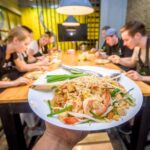
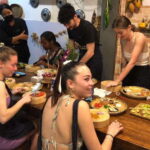
Once cooking is done, you eat the meal together in a warm, family-style setting. The benefit of this is obvious: you can compare flavors and learn quickly. If your curry tastes a little off, someone else’s balance might give you a clue about what was too strong or too mild.
You also get more than just a plate:
- Digital recipes after the class
- A certificate of completion for every participant
- A cooking diploma experience in some group setups
- Photos taken during cooking that you can receive with your materials
That “take-home package” is worth real consideration for $77. Some classes hand you a vague recipe card and wish you luck. Here, you’ll leave with a set of instructions you can actually reproduce, plus a souvenir-style certificate that confirms you completed the full course.
Price and value: is $77 a fair deal in Bangkok?
At $77 per person, this is positioned as a small, hands-on class with market time. The price makes sense when you look at what’s included, not just the final number.
Included in the cost:
- Guided market tour to select ingredients
- Small group hands-on cooking with expert instructors
- Ingredients and cooking equipment
- Herbal welcome drink
- Guided garden tour showing herbs and plants used in cooking
- English step-by-step instruction
- Digital recipes after the class
- Certificate of completion
- Transportation from market to the cooking venue
- Transportation back to the first meeting point
- Travel insurance
Not included:
- Getting yourself to the starting point (you need to handle BTS/MRT to MRT Huai Khwang Exit 4)
- Personal expenses like souvenirs or extra snacks
- Alcoholic beverages
So what are you paying for? You’re paying for the whole structure: local market access, guided ingredient selection, herb learning time, cooking supervision, and all the logistics that keep it from becoming a scavenger hunt.
If you’ve paid for cooking classes before, you know the hidden cost is usually time and organization. This reduces that friction. You show up, you cook, you eat, and you get materials you can use again.
Who should book this and who might want a different class
This is a great fit if:
- You want a smaller group and more hands-on attention
- You care about herb use in Thai cooking, not just standard flavors
- You’d enjoy a class with wellness ideas through teas
- You like the market-first approach instead of starting with ingredients already staged
You might choose something else if:
- You dislike markets and prefer a class that starts in the kitchen only
- You have trouble with moderate walking and standing
- You want a private class format (this one is designed for small groups)
It’s also ideal for people who like learning within a family-style pace. The vibe is relaxed, and you’re not rushed through ten unrelated dishes.
Practical tips for a smooth half-day in Bangkok
A few things help you get the most out of the day:
- Bring passport or an ID card (required)
- Wear comfortable shoes for walking and standing
- Let the organizer know about any dietary restrictions or allergies at least 48 hours ahead
- If you have herb-related sensitivity, mention it early; the class revolves around fresh herbs and herb-heavy dishes
- Don’t plan on alcohol—alcoholic beverages aren’t included and alcohol and drugs aren’t allowed
Also, arrive on time at MRT Huai Khwang Exit 4. This class is scheduled and the pacing works because everyone starts together.
And one more small thing: keep your expectations realistic about the market. It’s local and practical, not staged for photos. Wear clothes you don’t mind getting a little warm or dusty.
Should you book this Thai Herbal Cooking Class & Market Tour?
If you want Bangkok food that feels rooted in how Thai people actually cook and shop, this is an easy yes. The herb focus gives it a point of view. The market walk gives context. The small group format keeps it from turning into a blur.
I’d especially recommend it if you’re the type who reads ingredients and wants to understand why a dish works. You’ll likely come away with better “buying sense” too—how to choose Thai herbs so you can reproduce flavors later.
If you’re mostly after fast recipe shopping and don’t care about herbs or wellness tea pairing, then you might get less out of it. But if you like learning, tasting, and cooking in a homey setup with English guidance, this is a strong value at $77.
FAQ
Where do you meet for the Thai Herbal Cooking Class & Market Tour?
You meet at MRT Huai Khwang Station (Exit 4), where your guide will be waiting. The activity also ends back at this meeting point.
What time does the market tour and class start?
The schedule starts at 8:00 AM with the meet-up at MRT Huai Khwang Exit 4. The market walk begins then, with an introduction to ingredients at 9:00 AM.
What language is the class taught in?
The cooking instruction is provided step-by-step in English.
What is included in the price?
The price includes the guided market tour, small group hands-on cooking class, herbal welcome drink, guided garden tour, all ingredients and cooking equipment, English instruction, digital recipes after the class, certificate of completion, travel insurance, and transportation between the market and the cooking venue plus transportation back to the first meeting point.
What dishes will I cook?
The menu rotates daily, but the class format is 4 Thai dishes plus 1 dessert, with herbal focus. Examples include Tom Kha Gai, Tom Yum Gai, Som Tum, stir-fries and curries, plus Thai desserts such as coconut custard, banana cake, or coconut sweet balls depending on the day.
Can you accommodate dietary restrictions or allergies?
You should inform the provider of any dietary restrictions or allergies at least 48 hours before the tour. The experience includes step-by-step guidance in English, but specific substitutions are not listed in the tour data.
How big is the group?
It’s a mini group experience with a maximum of 8 people.
Is alcohol included?
Alcoholic beverages are not included, and alcohol and drugs are not allowed during the experience.