REVIEW · ROME
Gelato & Pizza Cooking Class in Rome
Book on Viator →Operated by Eat and Walk Italy · Bookable on Viator
Gelato plus pizza, in two hours. This Rome cooking class is interesting because you learn pizza dough technique and leave with real gelato-making know-how, not just a quick taste. You also get a small-group feel right by Piazza Navona.
I especially like the way the workshop treats Italian gelato as a craft, with fresh flavors like vanilla and Italian chocolate. One consideration: at $70.66 per person, the value depends on how much you enjoy hands-on cooking—if you want a long, multi-course meal, this short class may feel pricey.
In This Review
- Key Things To Know Before You Go
- Meeting Near Piazza Navona: Where the Class Begins
- Pizza From Scratch: Dough, Toppings, and Real Technique
- Gelato Workshop: From Classic Base to Flavor
- Tasting Time: Wine, Water, Limoncello, and Your Creations
- Who’s Teaching You (and Why It Changes the Class)
- Small-Group Energy, Language, and Room Comfort
- Price and Value: What $70.66 Is Paying For
- The Itinerary in Plain English: What Happens Step by Step
- Tips to Make Your Class Smoother (and Tastier)
- Should You Book This Rome Gelato and Pizza Class?
- FAQ
- How long is the Gelato & Pizza cooking class?
- Where does the class start?
- Is the class offered in English?
- What’s included in the price?
- Is there a group size limit?
- Is this class good for families and kids?
- Can I cancel and get a full refund?
Key Things To Know Before You Go
- Small group (max 12): more hands-on time and easier Q&A.
- Hands-on pizza making: you build dough and top your own pie.
- Gelato from scratch: you learn the classic base and how to add flavor.
- You get to drink too: wine or a non-alcoholic drink plus water.
- End with limoncello: a sweet, citrus finish after the cooking.
- Your space may be tight: some lessons can feel crowded, and you may stand part of the time.
Meeting Near Piazza Navona: Where the Class Begins
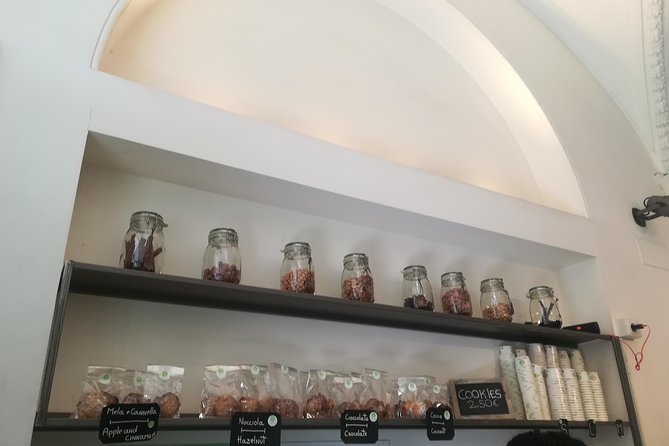
You start at Via Giuseppe Zanardelli, 14, in central Rome, not far from Piazza Navona. The big practical win here is location. When your activity ends back at the meeting point, you’re already planted in one of the easiest areas to walk, snack, and sightsee.
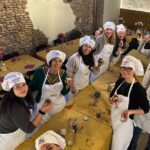
The class runs about 2 hours 30 minutes, starting at 11:00 am. Dress code is smart casual, which is a polite way of saying: wear something you can move in, and don’t plan on doing this in brand-new stiff shoes. Also note the group limit of 12. That size matters in cooking classes because you’re not waiting forever to get help with dough or questions about texture.
If you’re planning your day, build in time to wander before and after. This isn’t a museum. It’s a cooking workshop that works best when you’re not rushing through Rome’s streets.
One more small heads-up from real-world experience: the teaching space can feel busy, and some people found they needed to stand during parts of the hour. That’s not a dealbreaker, but it’s useful context if you have a low tolerance for cramped rooms.
You can also read our reviews of more tours and experiences in Rome.
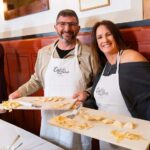

Pizza From Scratch: Dough, Toppings, and Real Technique
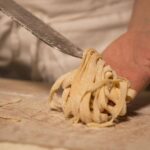
The pizza portion is the first big reason to book. You’re not just assembling a store-bought kit. You learn how to make pizza dough and how to think like a cook—especially around texture and handling. In many classes, the “magic” is really in the simple steps done correctly, and that’s what you get here.
You’ll also add toppings of your choice. That’s important because it turns the lesson into your meal, not just someone else’s version of pizza. It’s also the part where families tend to light up, because kids can pick toppings and feel like they’re participating rather than watching.
What I think makes this section valuable is that it teaches you how the process feels. Dough is tactile. Once you’ve handled it, you understand why pizza in Italy isn’t only about ingredients. It’s about method—how you work it, how you keep things consistent, and how you don’t rush the dough into something it isn’t ready for.
You can treat this pizza lesson as two things:
- A fun activity that produces lunch (or a late snack if you’re tour-scheduling).
- A skill you can repeat later, even if you don’t become a pizza hero overnight.
Gelato Workshop: From Classic Base to Flavor
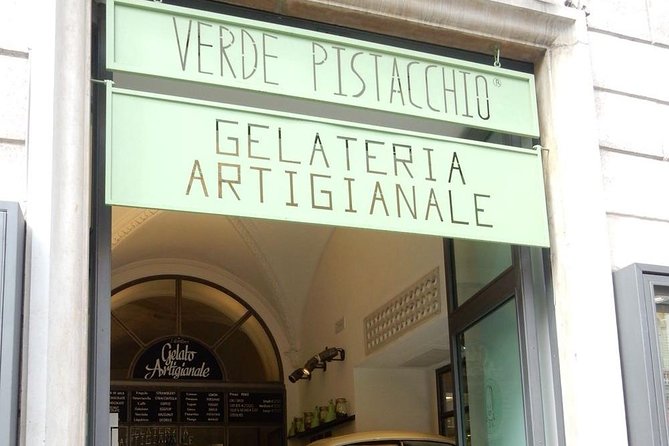
Then comes gelato, and it’s the main event for people who really love ice cream. The class focuses on traditional Italian gelato with fresh ingredients, including Italian chocolate and vanilla as key flavor references.
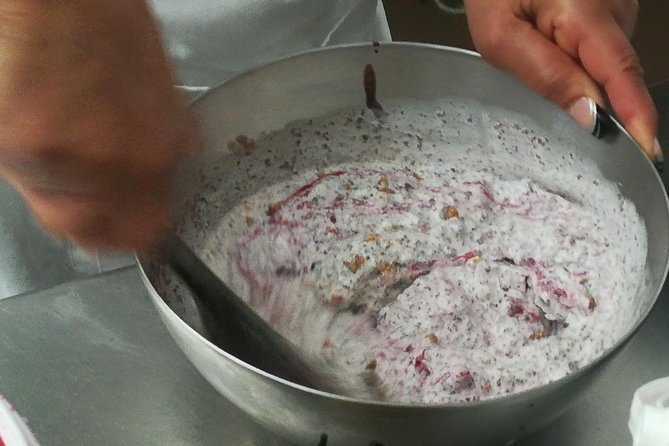
You learn how gelato is built. One review described the base as a mix of milk, cream, and sugar, made using an ice cream machine, then flavored (for example, with chocolate to create a chocolate-chips style gelato). That lines up with what you can reasonably expect from a workshop format: it’s approachable and repeatable, not a chemistry thesis.
Where gelato classes become memorable is in the small decisions: how you combine flavors, what you add and when, and how the end result should taste. One review specifically praised the ability to make chunky cherry gelato, another called out pistachio as standout, and another mentioned a flavor like persiano as their favorite. You might not make the exact same flavor every time, but the takeaway is consistent: the class gives you a foundation you can use to recreate flavors you already love.
Two ways this part earns its hype:
- You get to see and handle the process, not just eat gelato.
- The instructor focuses on ingredient quality. Several comments highlighted teaching about why specific ingredients matter, which is what separates good homemade gelato from sweet-ish frozen dairy.
If you’re an ice cream super-nerd expecting ultra-technical measurements, you may find parts basic. But for most people, the goal is understanding and fun, and that’s where this class seems to hit hardest.
Tasting Time: Wine, Water, Limoncello, and Your Creations
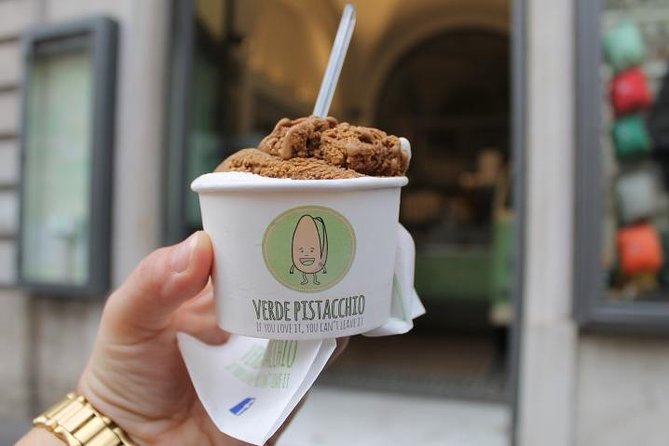
After cooking, you sit down and eat what you made. This is one of those details that makes the whole experience feel complete. You don’t finish with “instructions for later.” You finish with a payoff: your pizza and your gelato.
Your meal includes:
- Your pizza with toppings you chose
- A glass of wine or a non-alcoholic beverage
- Water
- Your Italian gelato
- A final glass of limoncello or coffee
That pairing matters. Pizza and gelato can be a strange combo at some places, but here it’s set up like a real Italian finish: savory first, then cold and sweet, then citrus or coffee to wrap it up.
Also, instructors get credit here. Multiple reviews praised teaching and explanations, including comments about how the instructor made it look easy and fun. If you’re traveling with teens, that matters too, because teens often want something hands-on rather than “another dinner reservation.”
Who’s Teaching You (and Why It Changes the Class)
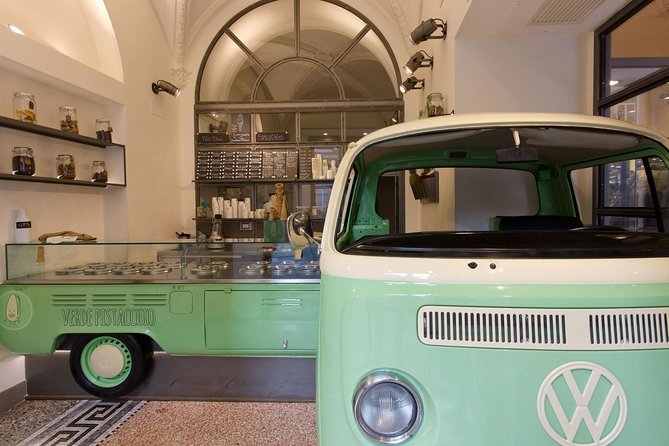
This workshop is led by local chefs, and names come up in feedback. Reviews mention instructors including Juliana, Julia, Vanessa, and Joe. Even when the focus is the food, the teacher is what turns a cooking class into a story you remember.
One review highlighted Juliana’s clear explanations and flexibility with a late arrival. Another credited Vanessa for taking pride in the craft and explaining ingredient importance and the art of making great gelato. Another praised Joe for making gelato-making fun and straightforward, even for people who worried they might mess it up.
So if you’re the type who learns by asking questions, you’ll likely enjoy this format. The small-group limit (max 12) supports that. If you’re quiet or unsure at the start, the best instructors in this kind of class are the ones who keep things moving and make you feel comfortable jumping in.



Small-Group Energy, Language, and Room Comfort
This is a hands-on class, which means group dynamics can make or break your day. The limit of 12 is a good sign because you can generally keep up without feeling lost.
The course is offered in English, but one review said the class included mostly Italian speakers and English was translated at times, with the instructor speaking Italian much of the time. That doesn’t mean your experience will be like that every day, but it’s a reasonable consideration if English clarity is critical for you. If you’re relying on English to follow steps, it’s smart to confirm your language expectation when you book.
Then there’s the physical comfort piece. At least one review noted the place felt crowded and that participants needed to stand during an hour. If you have mobility concerns or you’re sensitive to standing, it’s worth thinking about before you go.
Price and Value: What $70.66 Is Paying For
Let’s talk money without pretending it’s always fair. The price is $70.66 per person for about 2 hours 30 minutes, and not everyone will love that number.
Here’s what you are paying for that justifies the cost for many people:
- Hands-on instruction from a professional local chef
- Your own pizza built with your choices of toppings
- Your own gelato made in the class
- Drinks included: wine or soft drink, water, and limoncello or coffee
- A small group (max 12), which tends to translate into better attention
In other words, you’re not paying for an hour of eating. You’re paying for an hour or more of cooking time plus ingredients plus teacher time plus the included drinks. That’s a different value model than a typical gelato tasting.
When might it feel overpriced? If you expected a longer meal with multiple courses, if you wanted a highly technical class with advanced ice cream science, or if you’re mainly chasing a bargain. One review said the experience felt disappointing for the price, and another said the class was basic. Those comments are a reminder to set your expectation: this is a fun workshop that teaches, not a fancy chef academy.
For me, the value comes down to this question: Do you like making food with your hands? If yes, this is a solid use of time in Rome.
The Itinerary in Plain English: What Happens Step by Step
You’ll meet at the workshop location near Piazza Navona and start with the pizza portion. Expect to get involved quickly, because dough work doesn’t wait for you to get oriented. You’ll learn the pizza dough-making steps, then top your pizza based on what’s offered and what you choose.
After the pizza portion, the class transitions to gelato. You’ll work with the base and flavor ingredients that the class emphasizes—fresh ingredients such as vanilla and Italian chocolate are part of the program focus. If your class includes flavors like cherry, pistachio, or other variations, you’ll add those as part of the flavoring process during the gelato session.
Finally, you eat what you made. The tasting portion is relaxed and paired with included drinks: wine or a non-alcoholic beverage, water, and limoncello or coffee.
The ending is back at the meeting point, so you can keep your day simple: finish, walk off, and move on to your Rome plans.
Tips to Make Your Class Smoother (and Tastier)
Here are a few practical moves that help most people get the best experience:
- Go in hungry, not starving. You’re making pizza and gelato, so feeling light on food makes the end tastier.
- Wear comfortable shoes. Some sessions may be crowded, and you might stand at points.
- Bring questions. The instructor explanations are a recurring highlight in feedback, especially around ingredients and technique.
- If you care about English, confirm details. One review noted translation and heavy Italian speaking at times, even though it was an English workshop.
- Double-check your start time. One review described confusion between message time and the operator’s time, so it’s smart to verify the confirmed start time close to departure.
Also, if this is a birthday or special occasion, a cooking class can be a great pick. One review called it a memorable birthday present, especially for families and multi-age groups.
Should You Book This Rome Gelato and Pizza Class?
I’d book it if:
- You want a hands-on food experience in central Rome, near Piazza Navona
- You love gelato enough to learn how it’s made, not just eat it
- You enjoy cooking with a small group and tasting what you produce
- You like included drinks with your meal payoff
I might skip it if:
- You’re price-sensitive and only want a casual snack
- You expect a long, sit-down Roman food tour with lots of structure beyond cooking
- You don’t want any chance of language mix-ups
- You prefer lots of seating and zero standing in a class setting
Overall, this workshop is a fun, social skill session with a real payoff: you leave with pizza and gelato you made, plus limoncello at the end. For many food lovers, that combination is exactly the kind of Rome moment worth paying for.
FAQ
How long is the Gelato & Pizza cooking class?
It runs for about 2 hours 30 minutes.
Where does the class start?
The meeting point is Via Giuseppe Zanardelli, 14, 00186 Roma RM, Italy.
Is the class offered in English?
Yes, it is offered in English.
What’s included in the price?
The class includes hands-on pizza and gelato making, your pizza with toppings of your choice, your Italian gelato, a glass of wine or a non-alcoholic beverage, water, and a glass of limoncello or coffee.
Is there a group size limit?
Yes. The class has a maximum of 12 travelers.
Is this class good for families and kids?
It can be a good family activity. Children must be accompanied by an adult.
Can I cancel and get a full refund?
Yes. Cancellation is free up to 24 hours in advance for a full refund. If you cancel less than 24 hours before the start time, the amount is not refunded.