REVIEW · SAMARKAND
Samarkand: Village Tour with Plov Cooking Class & Home Visit
Book on GetYourGuide →Operated by Travel to Central Asia · Bookable on GetYourGuide
Plov tastes better when you learn it at home. This Samarkand-region tour strings together a village walk, a family welcome, and a hands-on plov cooking class for a day that feels genuinely local. I especially like how guides such as Asrorbek and Bekjon keep the explanations practical, not lecture-y, while you move from market to kitchen to meal table.
Two things I like a lot: the cook-it-with-your-hands approach to plov and non (bread), and the time spent sharing food in a real home, not a staged restaurant. A possible drawback: the route includes walking around the village and time outdoors, so it may be tough if you need mobility support or a wheelchair.
In This Review
- Key points to know before you go
- From pickup to bazar: your day starts like a local errand
- Entering Uzbek village life: homes, history, and practical culture
- The cooking class that actually teaches: plov, non bread, and salads
- The home visit meal: hospitality with real conversation
- Village extras that can add surprises: crafts, games, farmland life
- Folk music to close the loop
- Value for $59 in Samarkand: what you’re really paying for
- Practical tips so the day feels easy
- Should you book this Samarkand village plov-and-home experience?
- FAQ
- How long is the Samarkand village tour and cooking class?
- Does pickup happen in Samarkand?
- What activities are included in the tour price?
- Do I cook or is it just watching?
- What should I bring, and what’s not allowed?
- Can I cancel and get a full refund?
Key points to know before you go
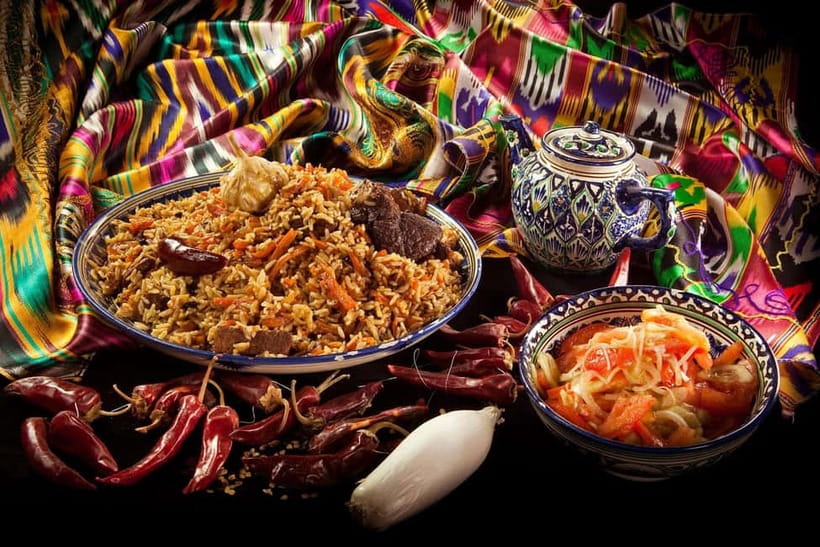
- Hands-on plov taught by your hosts, with live-fire cooking explained step by step
- Home visit meals in a communal setting, with conversation that goes beyond food
- Market shopping in a bazar to pick ingredients before you cook
- Non bread experience plus salads and other everyday staples
- Folk music option using traditional Uzbek instruments to close the day
- Transport comfort is a strong point, with many guests giving perfect scores
From pickup to bazar: your day starts like a local errand
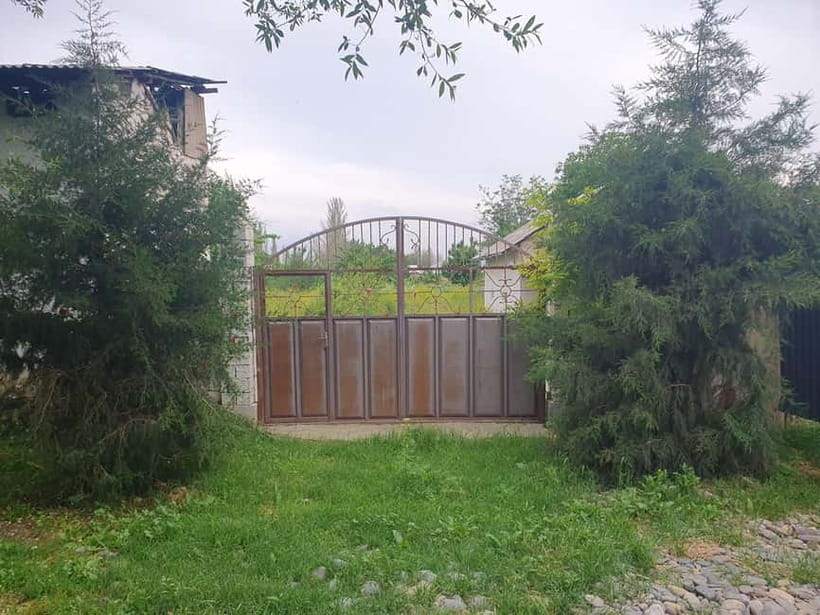
This tour begins with hotel pickup in Samarkand. From there, you head out into the Samarqand Region in a vehicle that most people rate very highly for comfort and reliability. The whole day is planned so you don’t just “arrive and cook.” You start with a real-world routine: buying ingredients, meeting people, and getting your bearings before you step into village life.
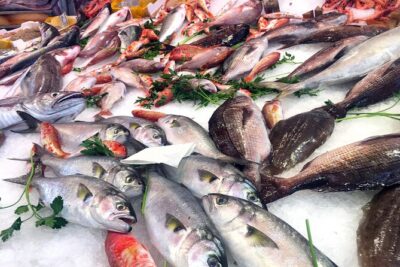
A common early stop is the bazar to shop for the plov ingredients. You’ll see how villagers and town residents think about food—what looks good, what’s fresh, and what gets used for everyday cooking. And even if you’re not a cooking nerd, this makes the rest of the day easier to enjoy, because you understand what’s going into the dish before you ever touch a cooking pot.
Along the way, your English-speaking guide fills the time with village context and local culture. In past groups, guides like Jahovir, Javokhir, and Eshkuvatov are known for staying friendly and answering questions. That matters here, because the value of a village day is not just what you see—it’s how clearly you connect the experience to daily life in Uzbekistan.
You can also read our reviews of more tours and experiences in Samarkand.
Entering Uzbek village life: homes, history, and practical culture
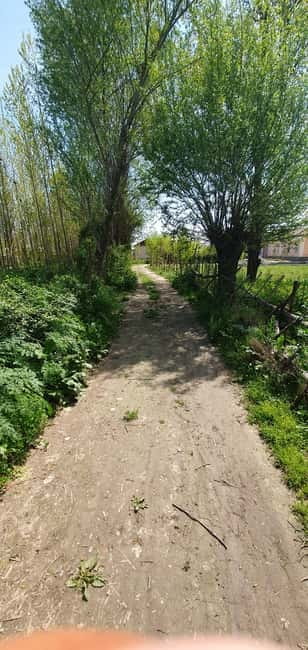
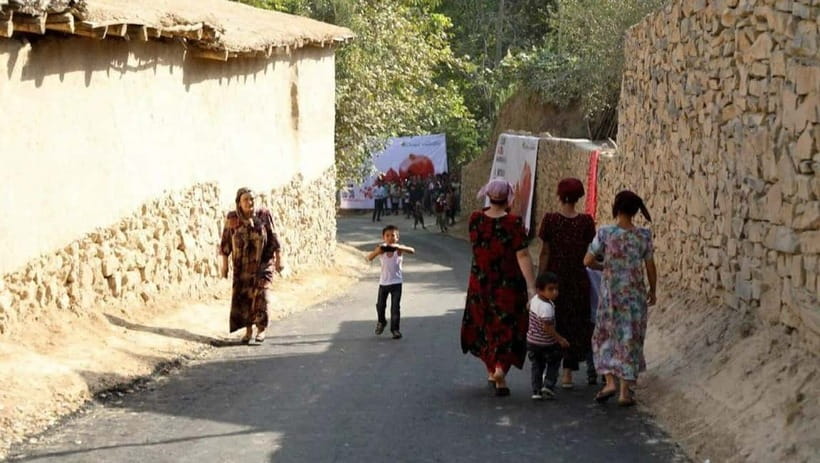
Once you reach the village, the day shifts pace. This isn’t a sprint through photo stops. You get a guided look at how people live—village history, basic architecture, and the rhythms that shape the day. Expect conversation time and gentle curiosity from the people hosting you.
You’ll likely see homes built with local materials and learn how a traditional house is put together. Some visits also include time outdoors: walking through gardens and farmland, watching how the community manages daily needs, and seeing livestock as part of normal life rather than a tourist attraction.
One reason this part is so popular is that it’s not just a sightseeing loop. You’re interacting with residents who want to explain things. That turns generic “culture talk” into something more real. You can ask simple questions like how the home works, why certain things are done that way, or what seasonal changes mean for daily routines.
A small heads-up: the “feel” of this tour is rural. That means ground can be uneven, pathways can be dusty, and you’ll want to move carefully. The experience can also run over multiple parts of a village setting, so comfortable shoes are not optional advice.
The cooking class that actually teaches: plov, non bread, and salads
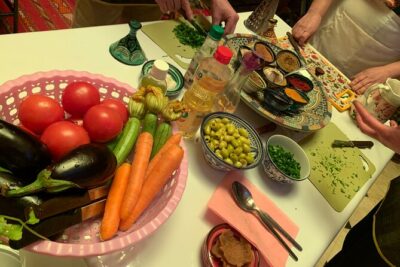
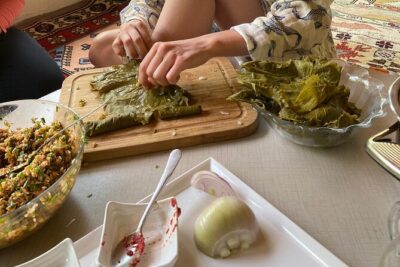
The star of the day is the plov cooking class. But what makes it worthwhile is the method. You’re not just watching someone else do the work. You’re guided through the process with your hosts, learning how they think about flavor, timing, and technique.
In many groups, plov is cooked on live fire, which adds a totally different feel than a kitchen stove at home. Guides like Astro and hosts including warm, experienced cooks such as Oysara are known for making the steps clear, and for passing along the “why” behind choices—how they handle ingredients, how they build the base, and how they treat the rice and cooking time so the final dish comes out right.
You’ll also get hands-on help with other essentials:
- Non bread: you’ll learn about breadmaking as part of the meal rhythm
- Salads and staples: typical accompaniments that balance a hearty main dish
- Often, a chance to taste and adjust as the day unfolds
This is the kind of cooking experience that helps you understand Uzbek food beyond a single famous dish. Plov is the headline, but non bread and the side dishes explain the larger logic of a meal: how components work together and why hospitality in rural Uzbekistan is so food-centered.
Another practical benefit: once you cook, you’re less reliant on restaurants while in Samarkand. You’ll start spotting ingredients and cooking styles differently, and you’ll know what to order when you want something that matches the experience you just learned.
The home visit meal: hospitality with real conversation
After cooking comes the best part for many people: eating together. Your hosts share a traditional meal, and you sit down in a communal setting where conversation flows. This is where the day stops being a “tour” and becomes a cultural exchange.
The warmth of the family experience is a huge theme. People talk about feeling welcomed like family, not processed like a customer. That doesn’t mean it’s stiff or scripted. It tends to be relaxed, with questions coming from both sides—about your country, theirs, and how daily life feels different.
This is also where a guide earns their fee. When your English-speaking guide (examples include Asrorbek and Javokhir) keeps the conversation going, you get more than polite nods. You get context: why certain foods matter, how families manage work and home, and what traditions look like outside the tourist center.
One detail I appreciated from this kind of format: it’s not “eat fast and leave.” The shared meal has time built into it, so you actually taste your food at the same speed as the people hosting you.
Village extras that can add surprises: crafts, games, farmland life
Not every village day is identical, but the “extra” moments tend to follow a pattern: learning beyond the cooking, while staying connected to rural life. Depending on timing and the specific visit, you might get a chance to:
- explore traditional crafts
- play local games
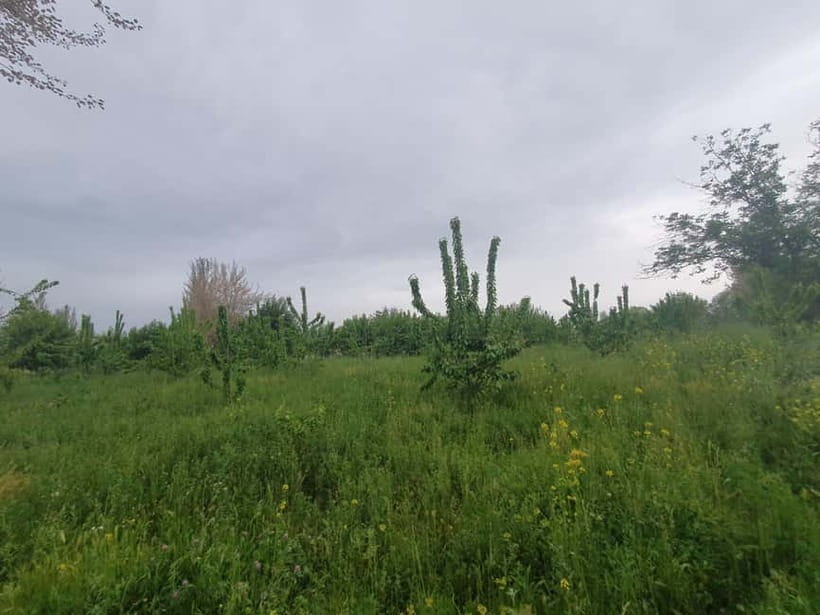
- walk through gardens and farmland
- see how livestock fits into everyday routines
Some visits also line up with seasonal work. If the timing is right, you might be shown farmland details, sometimes connected to cotton-growing or harvest cycles (when that season is near). Even if cotton isn’t on the calendar, you’ll still come away seeing how the land shapes what people do.
These add-ons aren’t just “cute.” They give you a fuller picture of why plov tastes the way it does. It’s the same logic as farm-to-table dining, just with more direct human connection.
Folk music to close the loop
To finish the day, there may be an optional short live performance of folk music by local musicians, using traditional Uzbek instruments. This is a nice way to reset your senses after hours of cooking and conversation.
It also creates a complete arc: travel out from the city, see daily village life, cook and eat with a family, then end with local music that matches the setting. It’s brief enough not to drag, but memorable enough that it feels like a real ending.
Value for $59 in Samarkand: what you’re really paying for
At $59 per person for an 8-hour day, you’re paying for more than the meal and the cooking class. You’re buying access: transport into the countryside, a guided village tour, and a structured home visit experience that’s hard to replicate on your own.
Here’s how that value stacks up in real terms:
- You get transportation to reach the village area (and this transport quality is frequently praised)
- You get a guide in English to make sense of the scenes you’re seeing
- You get instruction, not just observation, for plov and non bread
- You get the meal, shared with your hosts, which is part of the cultural exchange
If your day in Samarkand is mostly about monuments, this gives balance. You’ll spend the day with rural families and learn a skill you can carry home. That makes the cost feel more like an investment in experience than a standard attraction ticket.
One consideration on value: this is not a high-speed “see everything” tour. If you’re looking for non-stop sightseeing, you might find it slower and more focused than expected. But if you want authenticity and a real table conversation, that slower rhythm is exactly the point.
Practical tips so the day feels easy
A few simple things make a big difference:
- Wear comfortable shoes. You’ll be walking around a village setting.
- Bring a sun hat and sunscreen. Outdoor time is part of the experience.
- Bring a camera if you like photos of village life, breadmaking, and cooking.
- Water is provided, but bringing your own bottle can help you stay comfortable.
Also follow the house rules. Smoking indoors and alcohol and drugs aren’t allowed.
If you’re sensitive to rural travel logistics, plan for the day to feel more “time outdoors” than “time in climate-controlled comfort.”
And on the accessibility front: the activity information includes both wheelchair-related language and a note that it’s not suitable for wheelchair users. Because village areas and paths can be challenging, it’s smart to check directly and be honest about your needs before booking.
Should you book this Samarkand village plov-and-home experience?
Book it if you want a real home visit, hands-on cooking, and conversation that helps you understand everyday Uzbekistan—not just monuments. This is especially good for you if you like food experiences where you learn technique, and if you appreciate guides who talk through culture while you move through the day.
Skip it (or at least think hard) if you need a fully accessible route, or if you’re expecting a fast, checklist-style sightseeing tour. The value here comes from slowing down and sharing the family table, not from cramming in extra stops.
If you do book, go with curiosity and a flexible attitude. Ask questions. Watch carefully when you’re making the rice and bread. And treat the meal as the main event, because it is.
FAQ
How long is the Samarkand village tour and cooking class?
The experience lasts 8 hours.
Does pickup happen in Samarkand?
Yes. You’ll be picked up from your hotel in Samarkand (pickup details may vary depending on group size).
What activities are included in the tour price?
The price includes a guided village tour, a home visit with a local family, a plov cooking class, and a shared traditional meal. Transportation to the village is included as part of the experience, and there may be an optional music performance.
Do I cook or is it just watching?
You’ll take part in the hands-on plov cooking class and also learn about making non (bread) and preparing staples like salads, with your hosts guiding the process.
What should I bring, and what’s not allowed?
Bring comfortable walking shoes, a sun hat, sunscreen, and a camera. Smoking indoors is not allowed, and alcohol and drugs are also not allowed.
Can I cancel and get a full refund?
Yes. You can cancel up to 24 hours in advance for a full refund.