REVIEW · SAMARKAND
Cooking Class in the Village with Local Family in Samarkand
Book on Viator →Operated by Navruz · Bookable on Viator
A village cooking day in Samarkand feels personal fast. You start with a local bazaar run, then shift into a family kitchen to learn Uzbek classics like plov, samsa, and shashlik—right where people actually cook and talk. I like that it’s not a quick demo; it’s the real rhythm of home cooking, plus real conversation.
Two things I especially like: first, the bazaar time so you understand what goes into the food before you touch the ingredients; second, the family interaction, where you learn daily customs as much as recipes. A possible drawback: the pace can feel slow and cozy, and if you want heavy hands-on work the whole time (like chopping firewood or shaping every piece), you may wish for a bit more.
In This Review
- Key highlights you shouldn’t miss
- Why a family kitchen in Samarkand beats a restaurant meal
- The bazaar start: shopping like a local (and choosing your ingredients)
- The village drive: what changes when you leave the city
- Konigil paper, oil meal, and pottery: culture you can see with your eyes
- Cooking class time: Uzbek classics taught step-by-step
- Plov: the dish with the most logic
- Samsa: pastries that teach patience
- Shashlik and other meal components
- The family interaction: conversation, customs, and the small extras
- Timing and logistics: a flexible start that still feels organized
- Price and value: what $65 buys you in a city with lots of options
- Who should book this cooking day (and who might skip it)
- Quick tips to get the most out of your day
- Should you book the Samarkand family cooking class?
- FAQ
- How long is the cooking class experience in Samarkand?
- Is hotel pickup included?
- What dishes will I learn to cook?
- Is this tour private?
- Can the hosts accommodate vegetarian preferences?
- What are the operating hours and cancellation rules?
Key highlights you shouldn’t miss
- Bazaar shopping first so you can spot spices, grains, and fresh items before cooking
- Private family group where you’re not squeezed into a crowd
- Hands-on Uzbek dishes including plov, shashlik, and samsa
- Konigil paper and oil/pottery stops added to the day for culture beyond the kitchen
- English support from hosts noted in multiple experiences (ask if you have language needs)
- Vegetarian options may be possible if you mention preferences ahead of time
Why a family kitchen in Samarkand beats a restaurant meal
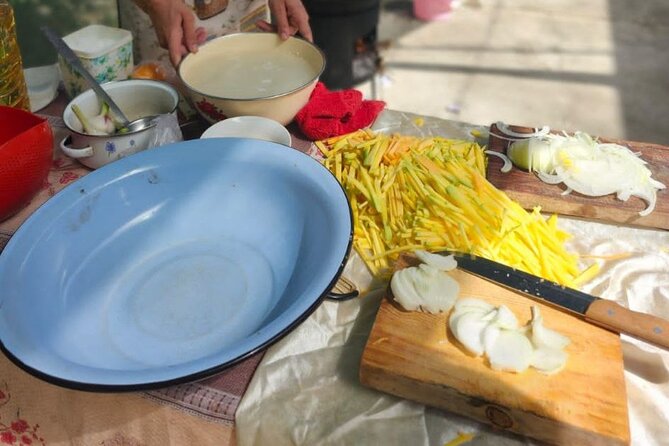
If you only eat in Samarkand, you’ll miss half the story. This experience turns food into something you can actually explain: why certain ingredients are used, how the steps build flavor, and how the household moves through a cooking day.
I like that the format stays grounded. You’re picked up, you go to a market, you drive into a village, and then you cook in a home setting. It’s not about performance. It’s about learning a process you can recreate later, even if your kitchen won’t be in Uzbekistan.
You can also read our reviews of more tours and experiences in Samarkand.
The bazaar start: shopping like a local (and choosing your ingredients)
The day begins with pickup from your hotel and a visit to a local bazaar. This part matters more than it sounds. When you see the ingredients in the same place locals buy them—spices, vegetables, grains—you stop treating Uzbek food like a list of dishes and start treating it like food with choices.
You’ll get time to stroll, chat with vendors, and people-watch. It’s also where you can steer the day: if you have vegetarian preferences, mention them early. Some hosts have worked with vegetarian needs by adjusting what you prepare from what’s available.
A practical tip: wear comfortable shoes. Bazaar walking adds up fast, and you don’t want sore feet before cooking.
The village drive: what changes when you leave the city
After the bazaar, you drive to the village area where the family cook day happens. The contrast is part of the value. Samarkand’s city energy is one thing; a village home cooking setting is another. Even if you’re only out there for a short time, you feel the shift in pace.
This is also where the day’s structure gets clearer. Your host family is preparing a cooking session, and you’re joining it in stages: market ingredients become meals, and meals become shared moments.
Konigil paper, oil meal, and pottery: culture you can see with your eyes
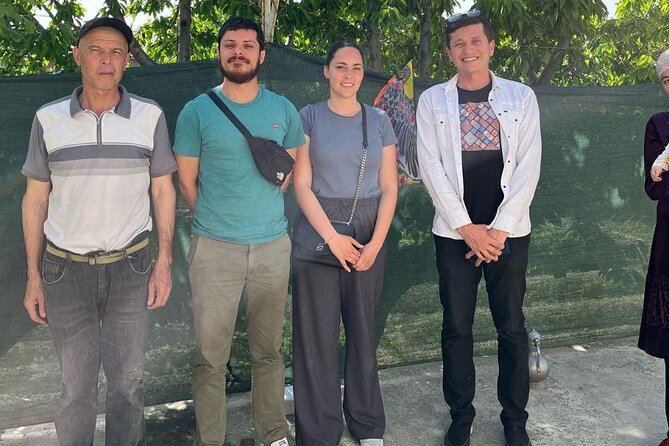
This experience isn’t only about food. It also includes stops connected to traditional local production: Konigil paper factory plus an oil meal and pottery workshop.
Even with limited time, these stops add context. They help you understand that food culture doesn’t live in a vacuum. Paper-making, pottery, and oil-related crafts all connect to everyday life—how households store, cook, and pass materials from one generation to the next.
One consideration: the itinerary is still about a 5-hour total day. That means you’ll get meaningful glimpses, not a full factory tour with deep technical detail. If you’re the type who wants long explanations, you might ask your guide to focus on what’s most relevant to you as you go.
Cooking class time: Uzbek classics taught step-by-step
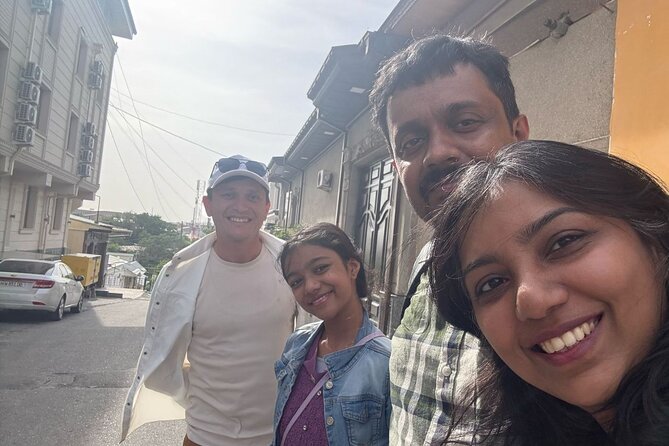
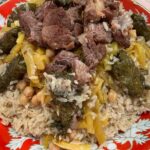
The heart of the day is cooking with a local family at their home. The dishes you can expect to learn include plov (rice pilaf), shashlik (grilled meat), and samsa (savory pastries).
What’s useful here is the way the instruction is delivered: step-by-step, in the order that makes sense in a real kitchen. That’s why the experience is often described as a slow, enjoyable session. You’re not rushing through a recipe for photos—you’re learning technique.
Plov: the dish with the most logic
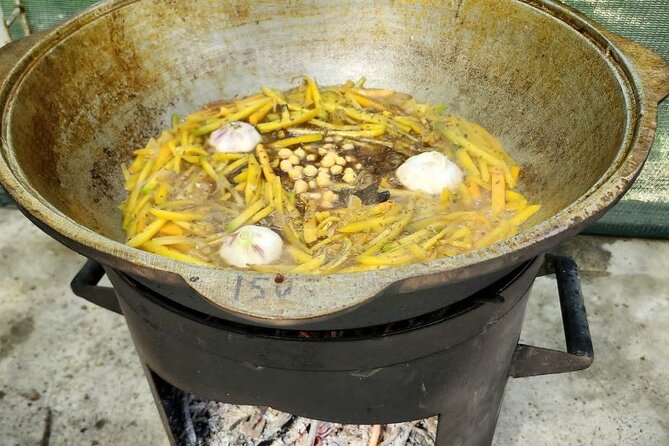
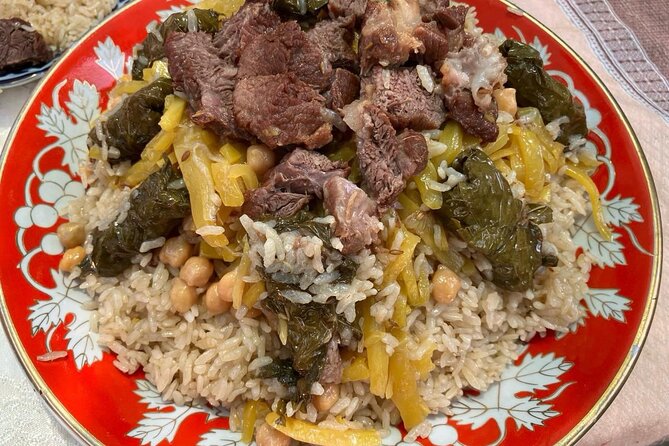
Plov is the one people remember most. It can look straightforward until you watch someone build it. In home cooking, you’ll learn how rice, meat (when used), and flavors come together. One strong pattern from the experiences: you get to participate in the prep and then see how the process creates the final taste.
Samsa: pastries that teach patience
Samsa is another great choice for learning because it forces you to focus on dough and filling as separate parts. If you’re hoping for maximum hands-on time, pay attention to what you’re invited to do—some sessions involve more shaping than others.
Shashlik and other meal components
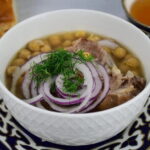
Shashlik adds the grill element. And in some versions of the day, you may also see other Uzbek staples mentioned alongside planning the menu—things like manti and dolma come up in ingredient sourcing and meal preparation discussions. What you cook depends on the family and what they decide to make that day.
If you’re new to Uzbek cooking, this class is a smart starting point. These are recognizable dishes with clear structure, and they give you skills you can reuse later.
The family interaction: conversation, customs, and the small extras
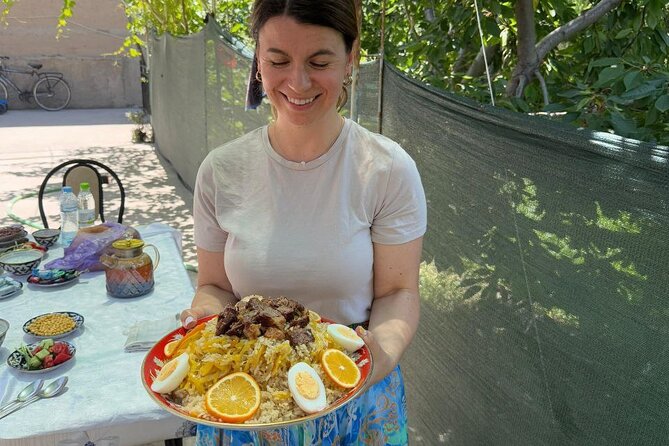
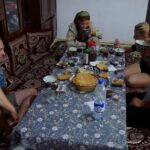
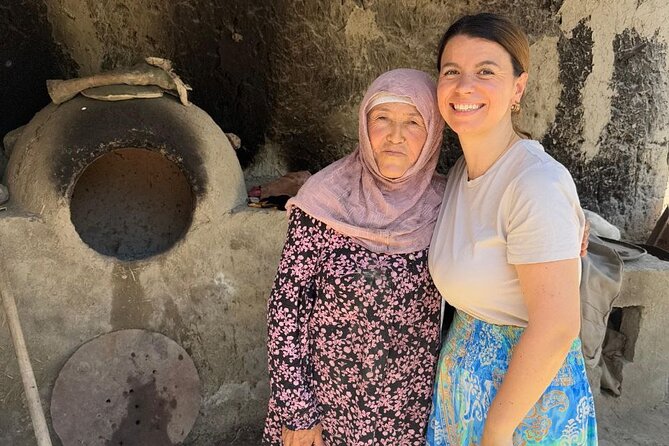
You’re not sitting in a classroom. You’re spending time with a warm-hearted local family, and that changes the whole mood.
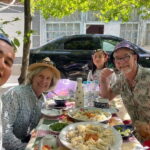
What I like most is that the interaction isn’t forced. You can talk about daily life, customs, and traditions while the food is happening. Some hosts share stories and make room for simple fun—like playing chess. Even if language is imperfect, food does a lot of the talking.
You might cook with different families depending on the schedule. Names that have come up include Goli, Gulrux, Navuq, Navro’z, and Narboz. Seeing these different hosts in the record tells me the experience is built around real households, not a single scripted guide performance.
A small heads-up: if you want maximum hands-on cooking the entire time, be vocal when you arrive. One common wish is doing even more tasks, like rolling dough or helping with firewood. The best results come when you ask what you can try next.
Timing and logistics: a flexible start that still feels organized
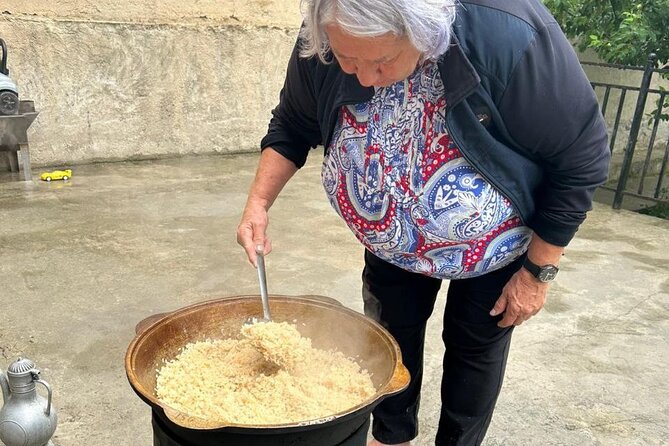
The tour runs about 5 hours total. Start time is flexible, and the operating window is broad: Monday through Sunday, 9:00 AM to 10:00 PM. That flexibility is handy in Samarkand, where plans often change around monuments and meal timing.
Pickup is offered from your hotel, which removes a big chunk of travel stress. You’ll also receive a mobile ticket, which is convenient if you’re juggling multiple activities.
Because it’s private, your group stays together. That matters in a home setting. It means fewer interruptions and more room for questions.
One more consideration: this is listed as near public transportation. If you ever need to make last-minute changes, that can help you get back on track faster.
Price and value: what $65 buys you in a city with lots of options
At $65 per person for around 5 hours, the price sits in the “worth it if you want culture” zone. You’re paying for three things at once:
- Market time plus shopping guidance
- Real home instruction with a family kitchen
- Extra cultural stops tied to local production (paper, oil-related work, pottery)
For many people, the value isn’t just the dishes—it’s the access. A cooking class is one thing; a cooking class hosted by a family in a village home is another. You learn how they talk about food, how they structure steps, and how hospitality works in daily life.
If you’re comparing options, look for experiences that include both ingredient sourcing and family time, not only a cooking demo. This one fits that better than most.
Who should book this cooking day (and who might skip it)
This is a great fit if you:
- Want more than eating—specifically, you want to understand cooking steps
- Like market moments and ingredient shopping
- Enjoy talking with hosts and learning customs through daily routine
- Prefer a private setup where questions are easy to ask
You might think twice if you:
- Want nonstop action with lots of physical tasks at every moment
- Prefer long, technical explanations at each stop
- Get impatient with slower, home-paced cooking sessions
Quick tips to get the most out of your day
- Wear comfortable clothes you can cook in. Home kitchens can involve flour, dough, and spice smells that cling.
- Ask about vegetarian needs before the day starts. Some hosts have handled vegetarian preferences by adjusting what you prepare.
- If you want extra hands-on work, say so early. You may be able to do more prep tasks than the minimum plan.
- Keep a light appetite. You’ll be learning and tasting as the day moves along, not just watching.
Should you book the Samarkand family cooking class?
I’d book it if your goal is to understand Samarkand through everyday life—market food choices, home cooking technique, and local crafts connected to production. The family interaction is the selling point, and the recipe instruction is specific enough that you’ll leave with skills, not just memories.
Skip it if you only want a quick, high-energy activity with lots of movement. This day rewards patience, curiosity, and the willingness to hang out while food is made.
If you book, send your preferences ahead of time and show up ready to learn in a home setting. That’s when this experience clicks.
FAQ
How long is the cooking class experience in Samarkand?
It lasts around 5 hours in total.
Is hotel pickup included?
Yes, pickup from your hotel is offered.
What dishes will I learn to cook?
You can expect to learn classic Uzbek dishes such as plov (rice pilaf), shashlik (grilled meat), and samsa (savory pastries). Some sessions also include sourcing ingredients for other dishes like manti and dolma.
Is this tour private?
Yes. It’s a private tour/activity, so only your group participates.
Can the hosts accommodate vegetarian preferences?
The experience information includes that vegetarian preferences have been considered during some sessions. If you want vegetarian food, mention it when booking.
What are the operating hours and cancellation rules?
The tour operates Monday through Sunday from 9:00 AM to 10:00 PM. You can cancel for a full refund up to 24 hours in advance of the experience start time; cancellations within 24 hours are not refunded.