REVIEW · SAMARKAND
Cooking class in Samarkand with local life experience
Book on Viator →Operated by Samarkand Life Experience · Bookable on Viator
Samarkand feels personal when you’re in someone’s kitchen. This 5-hour day blends the noise of Siyob Bazaar with the calm of a home meal, so you see both public and private sides of local life. You’ll also get hands-on with Uzbek cooking instead of watching from a distance.
What I like most is that the food lesson has options: you can end up cooking plov and samsa alongside meat or vegan-friendly versions. And the family and guide experience can be genuinely warm—Akram, the guide mentioned in feedback, is often described as both interested and interesting, with moments like a casual chess game showing how normal life works. One thing to consider: Siyob Bazaar is closed on Mondays, so the start of your day may shift if you’re traveling on a Monday.
In This Review
- Key highlights to know before you go
- A Home-Cooked Day in Samarkand Starts at Siyob Bazaar
- Cooking Plov, Shashlik, and Samsa with a Local Family
- Family Interaction: Stories, Routines, and a Chess Moment
- The Samarkand Bukhara Silk Carpets Factory Stop
- Pickup, Mobile Tickets, and How the 5-Hour Format Works
- Price and Value: Is $63 Worth This Day?
- When This Tour Fits You Best (and When It Might Not)
- FAQ
- How long is the cooking and local life experience in Samarkand?
- What does the tour cost?
- Where does the experience start?
- Is pickup included?
- What dishes will I cook?
- Can the experience accommodate vegan diets or allergies?
- Is Siyob Bazaar always open during the tour?
- Is there a group-size limit?
- Are mobile tickets used?
- What if my plans change? Is cancellation refundable?
- Should You Book This Samarkand Family Cooking Day?
Key highlights to know before you go
- Market first: You start at Siyob Bazaar for the sights and everyday conversations around food.
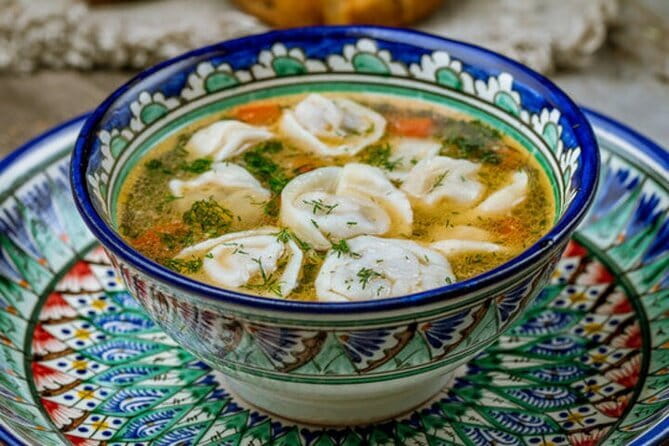
- Hands-on Uzbek cooking: Expect classic dishes like plov, shashlik, and samsa.
- Local-family time: You’re not just eating—you’re sharing stories and daily rhythms in a home setting.
- Dietary flexibility: Vegan and meat cooking options are supported when you plan ahead.
- Craft connection: You also visit a Samarkand Bukhara Silk Carpets factory, tying food culture to local crafts.
- Small-feeling group: The activity caps at 100 travelers, and it’s built around family interaction rather than a lecture.
A Home-Cooked Day in Samarkand Starts at Siyob Bazaar
If you want Samarkand beyond the postcard stops, start where locals shop. Siyob Bazaar sets the tone fast: you get the real textures of the city—colors of produce, packed stalls, and that constant sense that people are doing errands, not sightseeing.
This matters because it changes how you cook later. When you see ingredients in motion—how sellers talk, what looks fresh, what people choose—you’re not just following a recipe. You’re learning the logic behind it. Even if you don’t speak the language, you’ll pick up the rhythm of the place: where people line up, how bargaining works in practice, and how food connects to daily life.
One practical note: Siyob Bazaar is closed on Monday. So if your trip lands on a Monday, expect the tour flow to adapt around that. It’s not a dealbreaker—it’s just good to know so you’re not surprised if the market portion doesn’t happen the way you pictured.
You can also read our reviews of more tours and experiences in Samarkand.
Cooking Plov, Shashlik, and Samsa with a Local Family
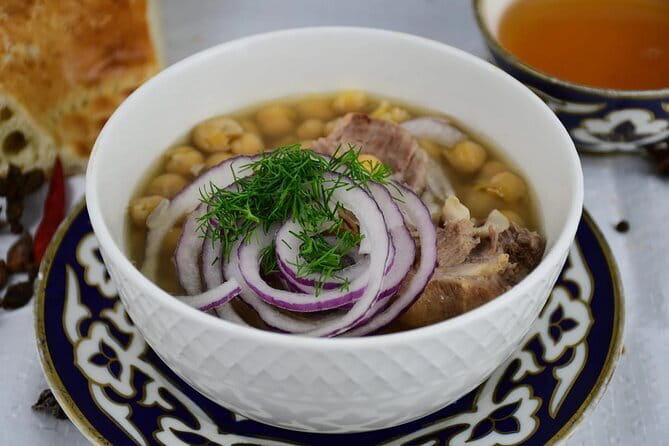
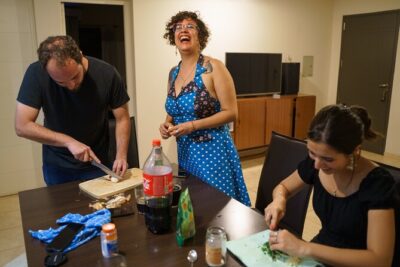
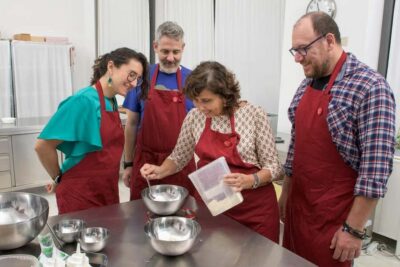
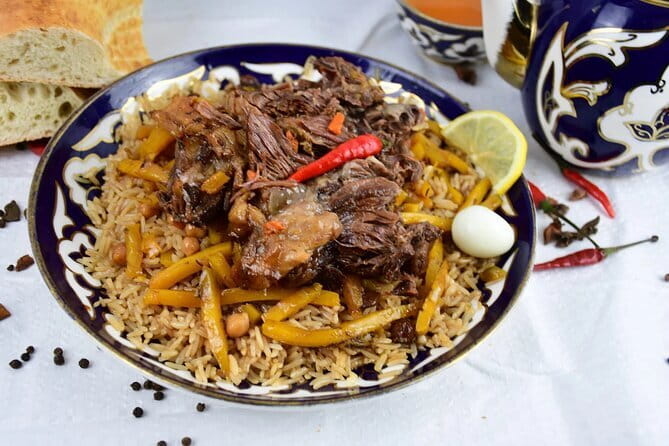
The heart of this experience is cooking with a local family. This is where the day turns from “tour” to “time with people.” You’ll be working through Uzbek favorites like plov (rice pilaf), shashlik (grilled meat), and samsa (savory pastries)—the kind of dishes that show up at gatherings because they’re built for sharing.
What makes this more valuable than a basic cooking class is the context. In many cooking experiences, you just learn technique. Here, you’re learning technique and the household version of it: how ingredients are handled, how portions are treated, and how a family expects the meal to land—warm, filling, and ready for conversation.
Also, pay attention to the options. Feedback specifically notes cooking both vegan and meat versions, which suggests the class isn’t locked into one menu. If you have dietary restrictions or allergies, the provider asks you to inform them in advance so they can cater. That’s not just a courtesy detail—it can make the difference between enjoying the meal and spending your day managing what you can’t eat.
Timing-wise, you should plan for the whole experience to run about 5 hours. That’s long enough to actually cook and eat, but not so long that it turns into a half-day slog. For many people, that’s the sweet spot in Samarkand: enough time to feel like you did something meaningful, still leaving the evening free for blue-tiled monuments or a relaxed dinner on your own.
Family Interaction: Stories, Routines, and a Chess Moment
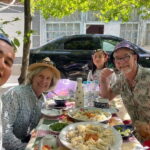
Food is the entry point, but the real takeaway is the human connection. You’ll spend time with a local family, and the experience is built around interaction—not a scripted performance.
One detail that stands out from feedback: a bit of casual play like chess can show up during the visit. That’s small, but it’s the kind of moment that makes the day feel lived-in. You’re not only learning how to make dishes—you’re getting a glimpse of how people pass time between daily tasks.
You’ll also get a window into local routines and customs. Even when language is limited, family settings communicate a lot: how people introduce themselves, how hospitality is shown through food, and how guests are expected to behave. It’s the kind of cultural exchange that feels practical. You come away knowing what matters in everyday life, not just what makes a photo look good.
If you’re traveling solo, this can feel especially good. You’re placed into a relationship—one that naturally creates conversation. If you’re traveling with a partner or friends, it’s also great because you can share the work and compare what you notice about cooking steps and family habits.
The Samarkand Bukhara Silk Carpets Factory Stop

After the home meal experience, you’ll also visit a Samarkand Bukhara Silk Carpets factory. This adds a different angle to the day: craft and work culture.
Why it’s worth including: carpets in this region aren’t just souvenirs. The weaving tradition connects to skill training, family labor, and a long-term way of making value—something that runs alongside food traditions. Even if you don’t buy anything, the factory visit helps you understand how local artisans think about materials, time, and finishing.
What to expect here is more informational than hands-on. The tour structure doesn’t claim you’ll become a weaver, but the stop gives you a chance to see how a craft industry operates in the real world, not just as a storefront display.
If you’re trying to keep the day focused, this is a good balance: home cooking gives you life and taste, while the factory gives you craft and process.
Pickup, Mobile Tickets, and How the 5-Hour Format Works

The tour includes pickup offered and uses a mobile ticket, which can save you time and stress. In a city like Samarkand, where you’ll likely be hopping between major sites, having a simple start helps.
That 5-hour length is also a practical choice. It’s enough time to:
- buy or see ingredients at Siyob Bazaar,
- cook Uzbek dishes in a home setting,
- eat what you made,
- and still fit in the carpets factory stop.
Because it’s a single-day flow, you’re less likely to feel like you’re spending your limited time “transiting.” Instead, you’re moving with purpose: market → kitchen → craft.
Group size matters too. The activity has a maximum of 100 travelers. Even with that cap, this is designed around family interaction, not a huge assembly line of strangers. In practice, your experience should feel personal rather than purely theatrical.
Price and Value: Is $63 Worth This Day?

At $63 per person, you’re not paying just for ingredients. You’re paying for three things that are hard to recreate on your own:
- access to a private home setting,
- guided translation and cultural context,
- and an organized day that stitches together market life and craft work.
Compared to typical sightseeing tours, value here comes from participation. Cooking means you’re involved—hands in dough, hands on skewers, and taste-testing like you actually belong at the table.
Compared to a standalone cooking class, value here is the added layers. The market stop helps explain the “why” behind ingredients, and the carpets factory broadens the day beyond food. You get more than one lens on Samarkand in a single half-day block.
The demand signal is also interesting: it’s commonly booked about 11 days in advance on average. That doesn’t automatically mean it’s the only great option, but it does suggest it’s popular enough that you shouldn’t wait until the last minute if your schedule is tight.
Bottom line: if you like practical cultural exchange, this price usually feels fair because you’re not just watching—you’re cooking, eating, and talking.
When This Tour Fits You Best (and When It Might Not)
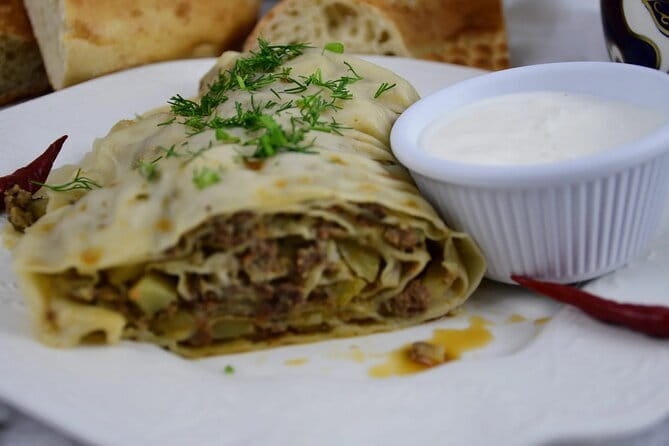
This experience fits best if you want:
- real daily-life contact, not only monuments,
- hands-on cooking of Uzbek classics like plov and samsa,
- and a day with food plus craft culture.
It’s also a smart pick if you’re the type of traveler who likes structure but still wants authenticity. You’ll have a plan—market, home kitchen, factory—but the home-family component keeps it from feeling like a checklist.
It might be less ideal if:
- you’re very short on time and need a quick, drop-in activity,
- you prefer strictly sightseeing over interaction,
- or you’re traveling on a Monday and the idea of the market start is a big part of your expectations (since Siyob Bazaar is closed that day).
Also consider your comfort level with a home environment. This is not a commercial cooking school with a stage. You’re inside someone’s space. If you enjoy that closeness, you’ll likely love it.
FAQ

How long is the cooking and local life experience in Samarkand?
It’s about 5 hours.
What does the tour cost?
The price is $63.00 per person.
Where does the experience start?
It starts at Siyob Bazaar, then you’ll cook with a local family and later visit a Samarkand Bukhara Silk Carpets factory.
Is pickup included?
Yes, pickup is offered.
What dishes will I cook?
You’ll prepare Uzbek dishes including plov, shashlik, and samsa.
Can the experience accommodate vegan diets or allergies?
You should inform the provider in advance about dietary restrictions or allergies so they can cater to you. Feedback also notes vegan and meat options.
Is Siyob Bazaar always open during the tour?
No. Siyob Bazaar is closed on Monday.
Is there a group-size limit?
Yes, the activity has a maximum of 100 travelers.
Are mobile tickets used?
Yes, you’ll receive a mobile ticket.
What if my plans change? Is cancellation refundable?
Free cancellation is available up to 24 hours in advance for a full refund.
Should You Book This Samarkand Family Cooking Day?
I’d book it if you’re chasing the kind of travel where you leave knowing something practical: how locals shop for food, how classics like plov and samsa are made in a home, and how craft culture connects to daily life in Samarkand.
Do it especially if you care about real interaction—not just taking photos. If you’re vegan, have allergies, or want the meal to fit your diet, message early so the provider can plan. And if your schedule includes a Monday, adjust expectations about the market start since Siyob Bazaar is closed.
This is the sort of experience that turns a day into a story you’ll still remember when you’re back home—because you didn’t just watch Samarkand. You lived it for a few hours, with people who are used to hosting.