REVIEW · MARRAKESH
Moroccan Cooking Class: Farm-to-Table Tagine
Book on GetYourGuide →Operated by Marrakech Guided Experience · Bookable on GetYourGuide
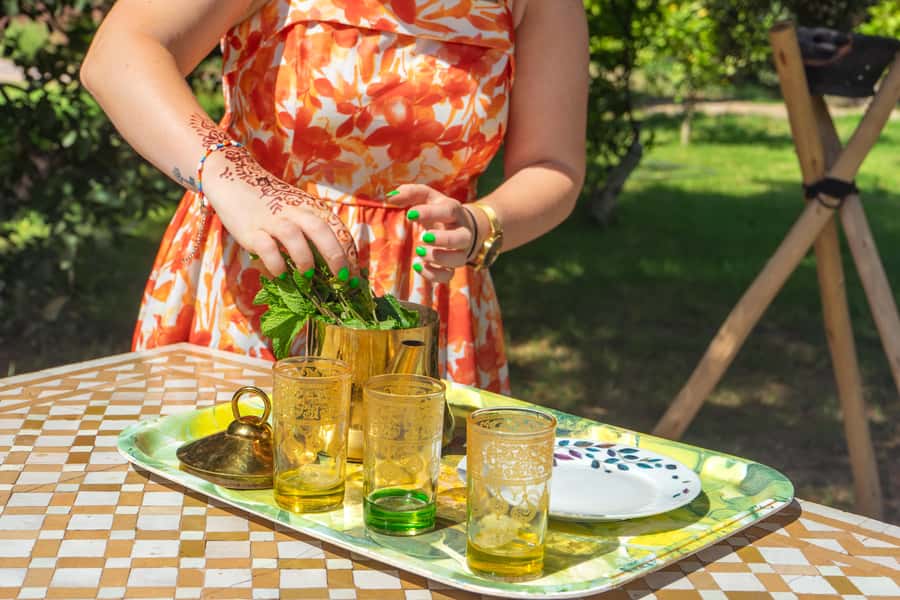
A tagine tastes different outside the city. This farm-to-table tagine cooking class near Marrakech is all about fresh ingredients, hands-on prep, and eating at the end with people who know the land. I especially like the mint tea welcome under the olive trees and the chance to cook on an open wood fire; the food is built from what you see growing on the farm. One thing to consider: the experience is not suitable for wheelchair users, and it may be tough for anyone with mobility limits.
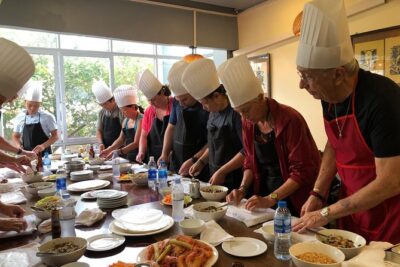
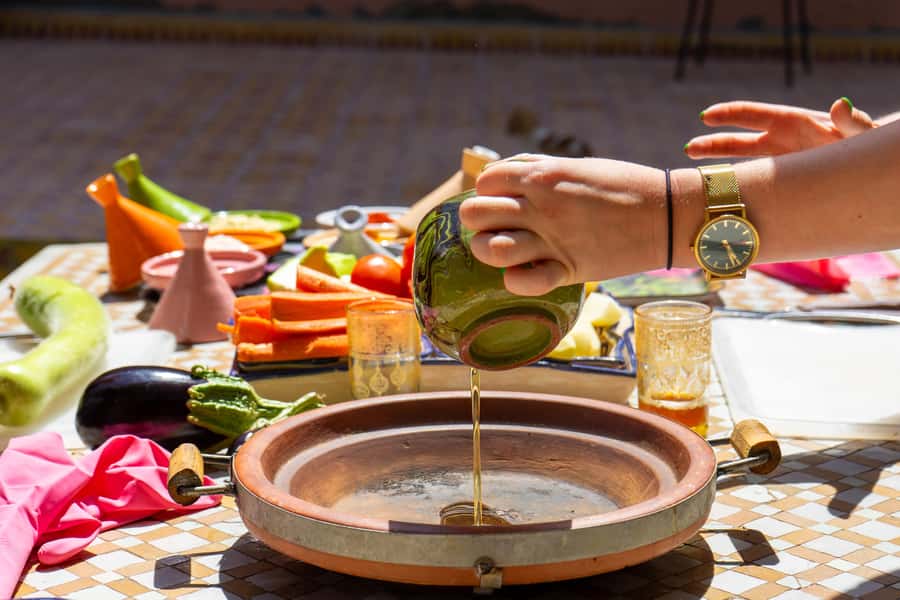
You start with a short orientation, then roll up your sleeves and build your tagine step by step: pick vegetables, grind spices, and layer flavors the Moroccan way while your pot simmers over heat. When it is time to eat, you gather around a communal table for lunch plus tastings like homemade bread and olive oil.
In This Review
- Key highlights worth your time
- Hotel Ali pickup to a working farm in the Marrakech countryside
- Mint tea welcome and tagine basics: what the instructor gets you ready for
- Hands-on tagine cooking over heat: spices, layering, and the simmer
- The farm walk you actually remember: olives, fruit trees, and animals
- The food beyond tagine: bread, olive oil, sides, and fruit dessert
- Price and value: what $94 includes in real terms
- Who this fits best (and who should skip it)
- Practical tips so you stay comfortable and focused on cooking
- Should you book this Moroccan tagine farm class?
- FAQ
- Where is the meeting point for the cooking class?
- How long is the Moroccan cooking class?
- How much does the class cost?
- What languages are the instructors available in?
- What is included in the price?
- Is it suitable for wheelchair users or pregnant women?
Key highlights worth your time
- Hands-on tagine cooking using fresh, organic ingredients from the farm area
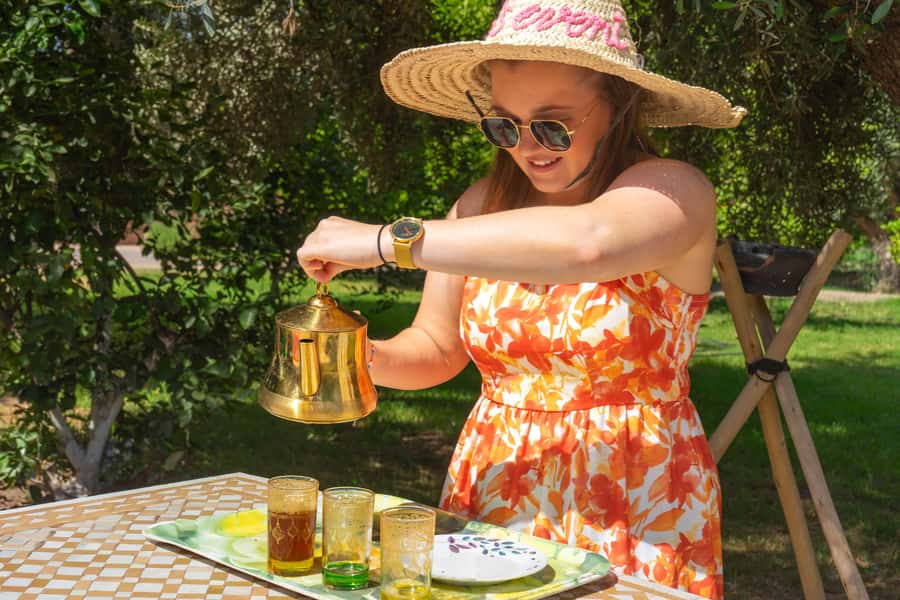
- Mint tea under olive trees at the start, with an easy introduction to what you are making
- Organic farm walk while the dish cooks: gardens, fruit trees, and animals
- Open wood fire cooking setup that makes the experience feel genuinely traditional
- Lunch you cook yourself, served with salads, olives, and fruit for dessert
Hotel Ali pickup to a working farm in the Marrakech countryside
The day begins in the center of Marrakesh. You meet at the meeting point in front of Hotel Ali, then a car takes you out to a farm just outside the city. This is one of the smartest parts of the experience because it saves you from the hassle of figuring out local transport and timing on your own, especially if you are only in Marrakesh for a few days.
The total time on the schedule is about 3 hours, so the pace is steady but not slow. Expect a short travel window, then right into the experience: tea, cooking, a farm walk, and finally lunch. The trip is also where you get the mood shift. Marrakesh can be loud and full-speed; the farm side is calmer, with shade from olive trees and the kind of open air that makes a cooking class feel like a proper reset.
If you care about comfort, plan for the reality that you are moving around a farm environment. You’ll want comfortable shoes and clothing you do not mind getting a little dusty. And if you are doing this on a day you have other plans, build in a buffer, because you are leaving the city and returning by car as part of the activity flow.
You can also read our reviews of more tours and experiences in Marrakesh.
Mint tea welcome and tagine basics: what the instructor gets you ready for
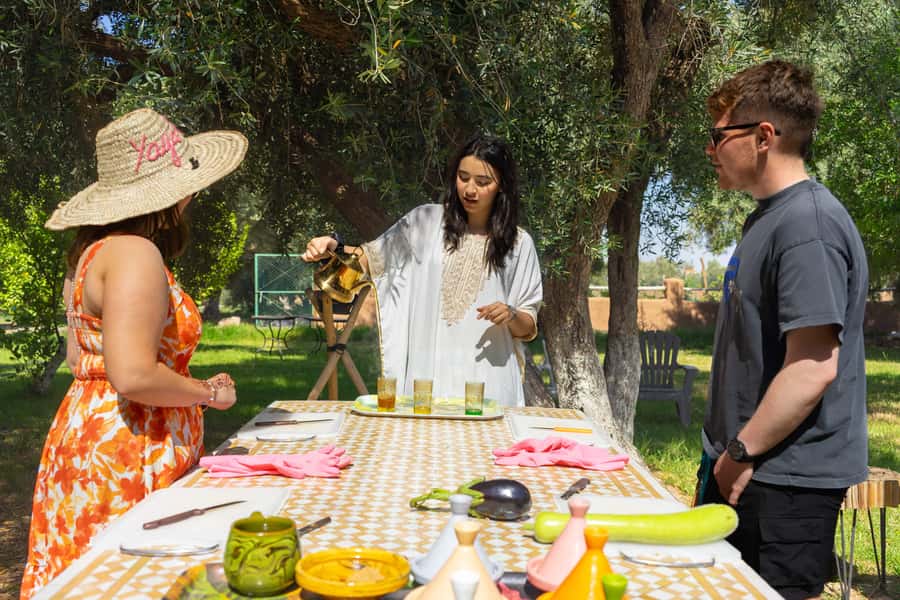
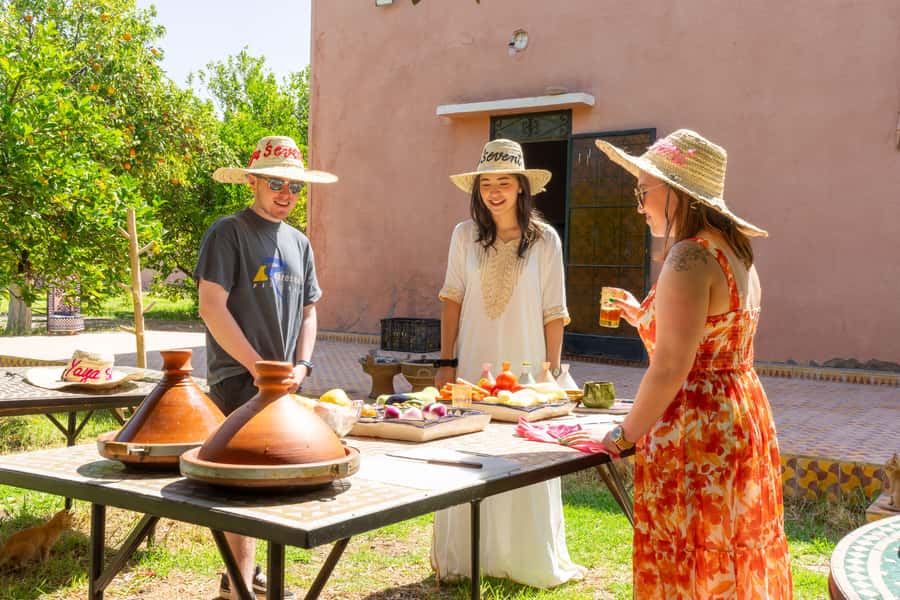
Before you cook, you get the warm welcome part that makes this class feel personal. Plan on sitting down for Moroccan mint tea under the olive trees and getting introduced to the ingredients and cooking techniques. The instructor teaches in English and French, and the class is often run with a small team, including an assistant who helps guide the steps.
This orientation matters because Moroccan cooking is not about fancy gadgets—it’s about layering flavors. You’ll learn what to prep first, how spices are handled, and how the tagine method works while it simmers. One thing I appreciate is that the teaching tends to match the setting. Instead of just lecturing, the class turns quickly into real work: selecting ingredients, preparing them, and learning the rhythms of cooking over heat.
From what you can expect, the session is hands-on from the start. People in the class can manage at different comfort levels, and the instruction style is described as patient and friendly, with some humor mixed in. If you’ve only cooked at home before, this is a good entry point. If you already cook, you still get the satisfying experience of recreating a traditional dish with ingredients that actually have a story behind them.
Hands-on tagine cooking over heat: spices, layering, and the simmer
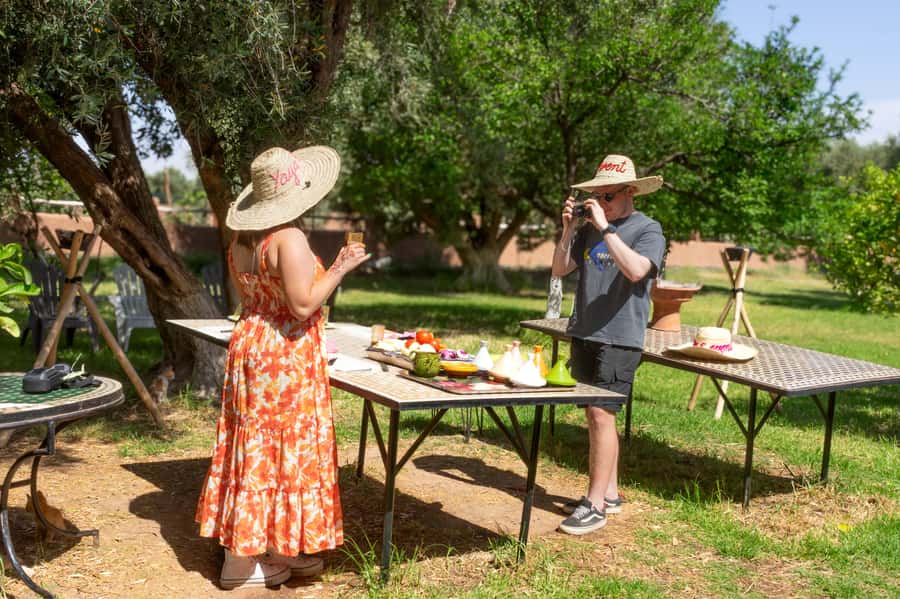
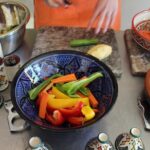
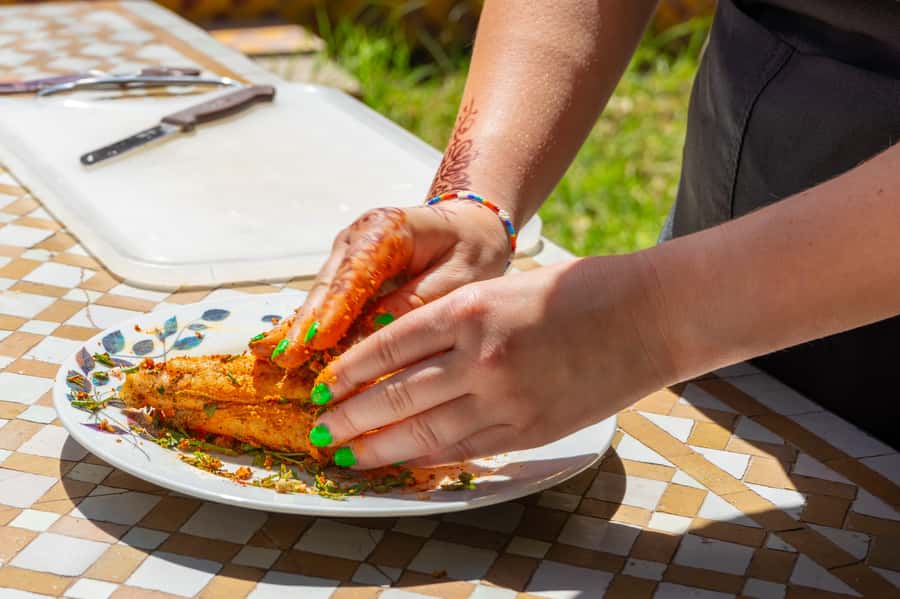
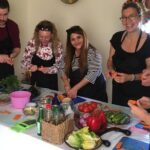
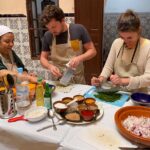
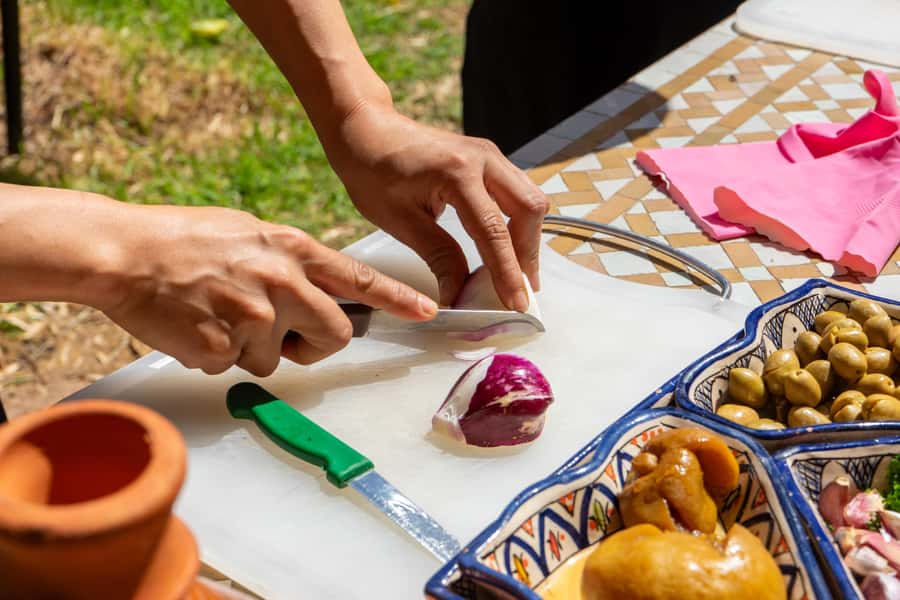
Now comes the main event: cooking your Moroccan tagine from scratch. The approach is simple but not casual. You’ll select vegetables, and you’ll work with spices in a more hands-on way than you might expect—there is time for grinding and seasoning rather than just dumping packets into a pot.
The setup uses an open wood fire style of cooking. That detail may sound romantic, but it is practical too. Cooking over heat like this changes how you think about timing. You’re not watching a stove knob; you’re building flavors and learning how a tagine responds as it simmers.
In many sessions, the class includes more than one version—for example, people may cook both a chicken and vegetable tagine in the same experience. Even if your class focuses on one dish, the method is taught clearly so you understand what the kitchen is doing: how ingredients go into the tagine, how spices are balanced, and why the layering step matters.
As the pot cooks, it’s not just waiting. You’ll move into the farm walk portion and come back when your dish is ready. That keeps the class from turning into a long stretch of standing around. And when you finally sit down to eat, it’s the best kind of payoff: you recognize what you made, you understand the steps, and you can taste the difference that fresh ingredients and proper seasoning create.
The farm walk you actually remember: olives, fruit trees, and animals
One reason this class is worth it beyond the food is the setting. While your tagine cooks, you get to walk around the farm and see where the ingredients come from. The experience is described as peaceful and very much grounded in everyday rural life, not staged.
You may pass olive groves and fruit areas like lemon and orange/clementine-style trees, depending on the season. The best part is that the walk gives you context for what you are eating. You’re not just chopping vegetables; you’re learning how seasonal produce shows up in Moroccan cooking.
The farm also includes animals, and the tour can be a highlight if you like seeing how the operation works. Based on what people report, you might see donkeys and sheep, and in some cases racing horses or peacocks roaming around. It gives the day a living, breathing feel—something you would not get from a typical city cooking class where you only meet instructors and then head straight to a kitchen.
Wear shoes you can walk in comfortably, and bring a hat if the sun is strong. Farms are open areas, and even in Morocco, shade is not always where you want it. This is one of those activities where being prepared makes the difference between feeling relaxed and feeling distracted.
The food beyond tagine: bread, olive oil, sides, and fruit dessert
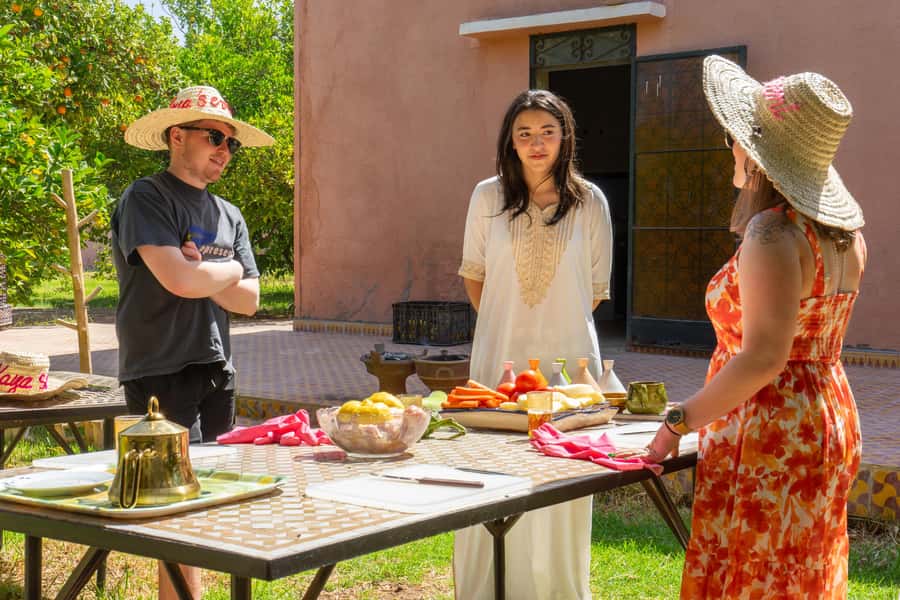
You do not just cook and eat the main dish. The class builds in a few tastings and accompaniments that help you understand Moroccan flavors as a whole.
During the session, you’ll enjoy a tasting that includes homemade bread and olive oil, plus local side dishes. This matters because it shows how simple ingredients are treated with respect—bread and oil are not an afterthought, they’re part of the flavor story.
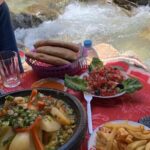
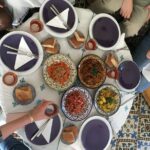
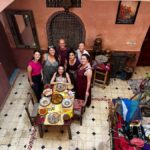
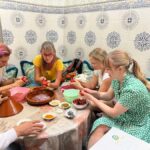
When lunch arrives, you sit down around a communal table and eat what you cooked. The meal is typically served with fresh salads and olives, and dessert often includes fruit. If you cooked a vegetable tagine, you still get the same full meal feel. If you cooked chicken, it’s a satisfying balance of tender meat and spiced sauce.
One practical note: if you have dietary needs, the class has been described as accommodating, including vegetarian needs and allergies in at least some cases. The best move is to tell the organizer ahead of time so the instructor can plan during prep.
Price and value: what $94 includes in real terms
At $94 per person for a roughly 3-hour experience, you are not just paying for a recipe. You’re paying for a whole package:
- Pickup and return by car from the Marrakesh area
- An English/French instructor guiding you step by step
- Fresh, organic ingredients used for your tagine
- A farm walk experience in a working environment
- Tastings like homemade bread and olive oil
- Lunch with the tagine you cooked, plus sides and fruit dessert
That’s the value story: the class reduces the cost and effort of doing this yourself. If you tried to replicate it on your own, you’d still pay for transport outside the city, ingredients, and instruction. Here, it’s bundled into one smooth block of time.
Also, the class is described as often small or private, which tends to improve the quality of teaching. When you can ask questions and actually get help while you cook, you bring home something more useful than a nice photo.
If you want flexibility, the experience also offers free cancellation up to 24 hours in advance and a reserve now & pay later option, which can help if your Marrakech schedule is still in flux.
Who this fits best (and who should skip it)
This is a strong pick if you want more than a cooking demo. It’s ideal for people who enjoy food, want a traditional tagine method, and like outdoor settings. It also works well for mixed groups because the teaching pace can be friendly and the atmosphere is calm.
Families can do well here too. People have brought kids around school-age range, and the instructors and helpers are described as patient with children while still making sure everyone gets hands-on time. If you travel with teens, it can be a nice middle ground: structured enough to feel like an activity, relaxed enough that it does not feel like a strict classroom.
Who should skip it? The activity is listed as not suitable for pregnant women and wheelchair users. Also, it is not a pet-friendly format, and smoking is not allowed. If you have mobility issues, the farm walk and outdoor sections might be challenging even if you can stand comfortably for parts of the class.
Practical tips so you stay comfortable and focused on cooking
This is the kind of tour where preparation is basic, but it matters.
Bring:
- a hat and sunscreen (farm shade is helpful, but not guaranteed)
- water (a bottle is a simple lifesaver)
- comfortable clothes and walking shoes
- a camera if you want to capture the open-air cooking and the farm walk
Arrival tip: get there 15 minutes early so the pickup flow stays smooth. The meeting spot in front of Hotel Ali can be busy, and you want a clear start.
If you rely on phone updates during the morning, consider confirming pickup details early. One practical lesson from people’s experiences: communication on the day can be easier if you already have the contact plan set before you step outside.
Finally, if you are sensitive to certain flavors or have allergies, tell the instructor ahead of time so they can guide you and adjust during cooking. This class has been described as able to accommodate vegetarian options and allergies in some cases.
Should you book this Moroccan tagine farm class?
If you want a Marrakech experience that feels real—not just another city activity—this is a great choice. The combination of organic farm ingredients, a hands-on tagine cooking lesson, mint tea under olive trees, and a proper lunch you made yourself is exactly the sort of day that sticks.
Book it if:
- you like cooking and want to learn a repeatable method, not just taste food
- you prefer small groups and a relaxed outdoor setting
- you want a break from Marrakech traffic and crowds while still getting back the same day
Skip it if:
- you need wheelchair access or you’re pregnant and the farm walk and outdoor heat would be a concern
- you dislike outdoor walking or sun exposure and do not want to manage that comfort piece
If you’re deciding between a generic cooking class in the city and this farm setup, this one gives you the full chain: ingredient to technique to lunch, all in one place.
FAQ
Where is the meeting point for the cooking class?
The meeting point is in front of Hotel Ali in Marrakesh.
How long is the Moroccan cooking class?
The experience runs for about 3 hours.
How much does the class cost?
The price is $94 per person.
What languages are the instructors available in?
The instructor speaks English and French.
What is included in the price?
You get the cooking class, fresh organic ingredients, a farm walk, tastings (including homemade bread and olive oil), lunch with the tagine you cook, and transportation to and from the farm.
Is it suitable for wheelchair users or pregnant women?
No. The experience is not suitable for wheelchair users or pregnant women.